 By Kelvin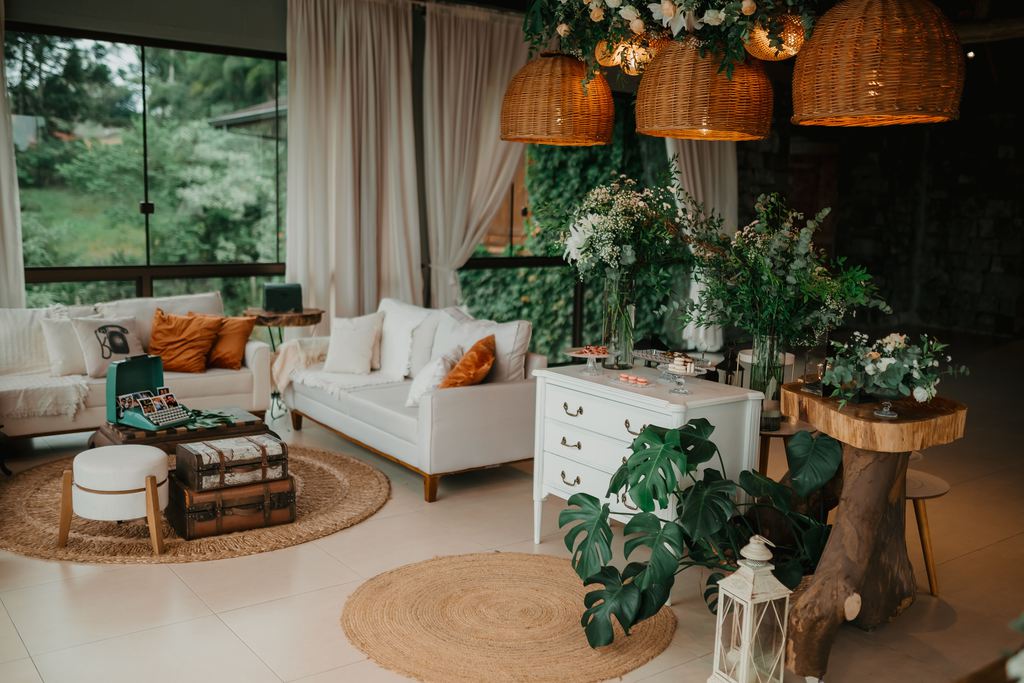
Introduction
Most people searching for a boho living room want the same result: a space that feels warm, relaxed, personal, and stylish without looking messy. The challenge is knowing what to add first and what to leave out. This guide focuses on a furniture-first approach, so the room feels livable before it feels decorated. Instead of copying a wall of macramé, you will learn how to use seating, wood tones, texture, color, lighting, and storage to create a collected modern boho look.
Table of Contents
What Does This Style Actually Need?
Boho style is a relaxed interior style built around comfort, natural texture, personal objects, and a less formal way of mixing materials. In a living room, it usually combines warm colors, layered textiles, wood, woven details, plants, and collected decor. The goal is not to make the room look random, but to make it feel personal, comfortable, and lived in.
A boho room does not need every woven basket, patterned pillow, and plant you see online. The look works best when several natural, relaxed elements support one clear mood. A boho style living room should feel layered, but it still needs a visual anchor and enough empty space for the eye to rest.
Core elements usually include:
- Natural materials such as wood, rattan, jute, leather, linen, cotton, and ceramic
- Relaxed seating that supports lounging, reading, movie nights, or casual guests
- Layered textiles, including a rug, pillows, throws, and curtains
- Warm colors such as cream, tan, brown, sage, rust, terracotta, and olive
- Personal pieces like art, books, pottery, travel finds, or family objects
- Plants or organic shapes that keep the room from feeling too stiff
- Hidden storage so the room feels collected instead of crowded
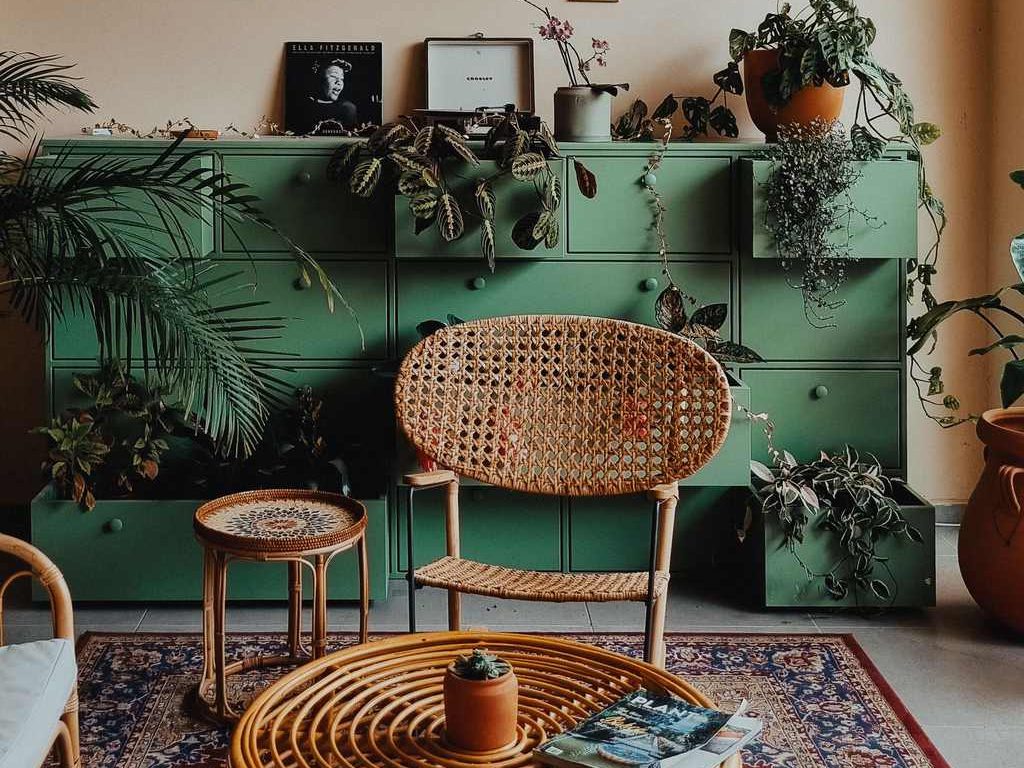
The key is repetition. If a rug has warm tan, rust, and cream tones, repeat those colors in pillows, art, or a wood finish. If the room already has rattan lighting, avoid adding rattan to every chair, basket, and wall piece.
How Do You Start Without Overdecorating?
Start with the largest pieces before buying smaller decor. Many boho interior design ideas fail because the room begins with accessories instead of function. A beautiful pillow cannot fix a sofa that is the wrong scale, a coffee table that blocks movement, or a TV area with exposed cords.
Use this order:
- Choose the main seating piece.
The sofa sets the comfort level and the largest color block in the room. - Set a warm base palette.
Cream, beige, tan, soft gray, brown, olive, and warm white are easier to layer than bright colors on every large surface. - Add one grounding texture.
This could be a jute rug, walnut coffee table, woven accent chair, or linen curtain. - Layer slowly.
Add pillows, throws, plants, art, and objects only after the main pieces feel balanced. - Edit the room before adding more.
If an item does not repeat the room’s color, texture, or story, it may be visual noise.
In a real living room, this matters. A family room with a sofa, TV, toy basket, coffee table, dog bed, and side lamps already has many functions. Boho styling should soften that daily life, not make it harder to clean or move through.
Which Furniture Pieces Make Boho Look Intentional?
Furniture gives boho its shape. Decor gives it personality. When the furniture is too random, the room feels unfinished. When every piece is too matched, the room loses the relaxed, collected feeling that makes boho interior design appealing.
Start With a Sofa That Sets the Mood
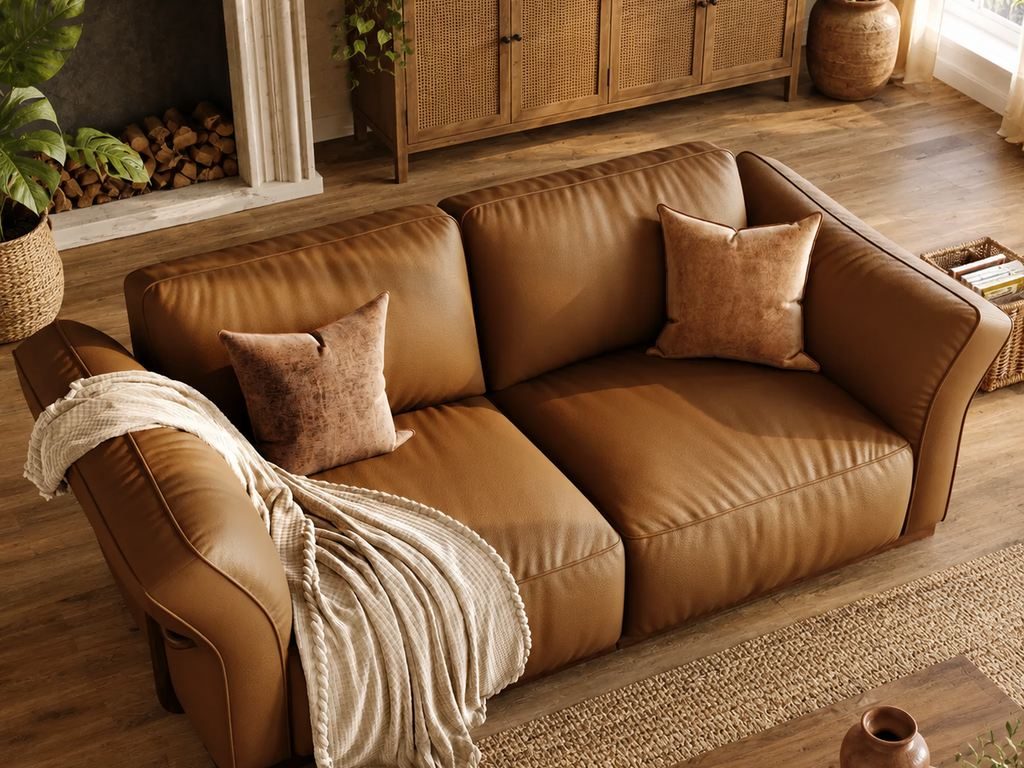
A neutral fabric sofa is the easiest base, but it is not the only choice. Warm beige, oatmeal, sand, olive, soft gray, tan leather, and brown leather can all work. The best sofa for this style feels comfortable first and decorative second.
For a modern boho interior design direction, choose a sofa with clean lines, soft upholstery, and enough depth for lounging. For an earthier look, tan or brown leather can add warmth and age well with woven rugs, wood tables, and linen pillows. If the sofa is visually strong, keep the surrounding pieces quieter.
Use a Coffee Table to Add Shape and Texture
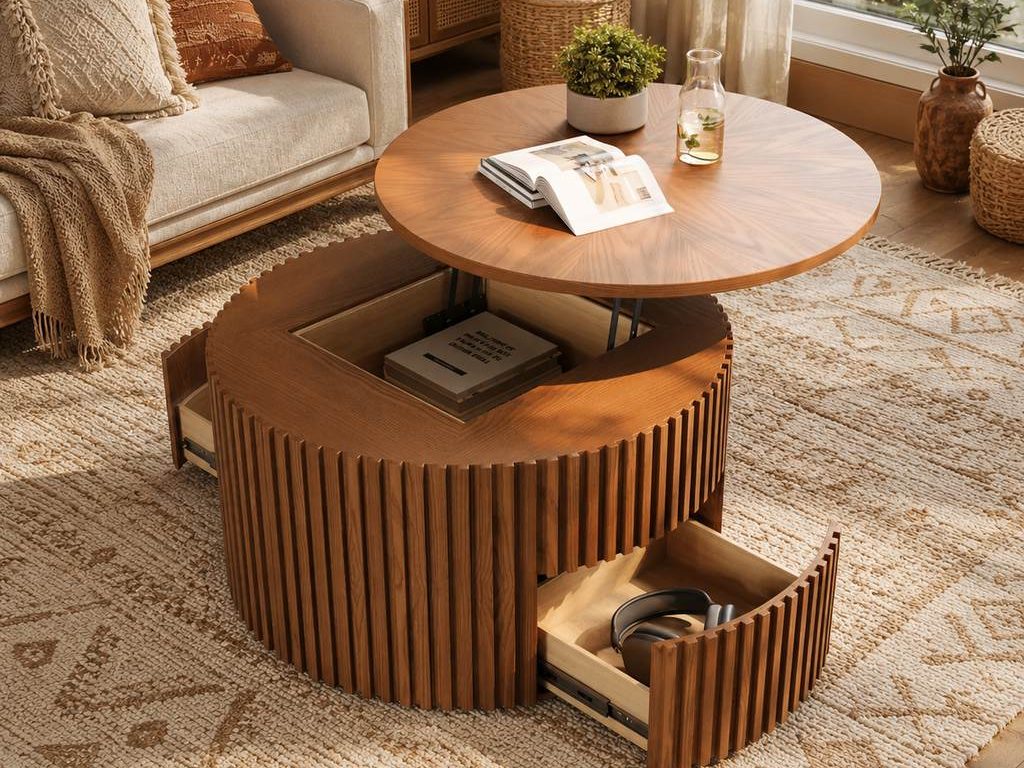
The coffee table sits at the center of the seating zone, so it should connect the sofa, rug, and decor. A wood coffee table adds warmth. A round or oval table softens a boxy sofa. A storage coffee table helps hide remotes, coasters, chargers, and small daily items.
Avoid choosing a coffee table only because it looks “boho.” Check the usable surface, edges, storage, and walking space. If people eat snacks, play games, or work from the sofa, the table needs to support real use.
Choose a TV Stand That Hides Clutter
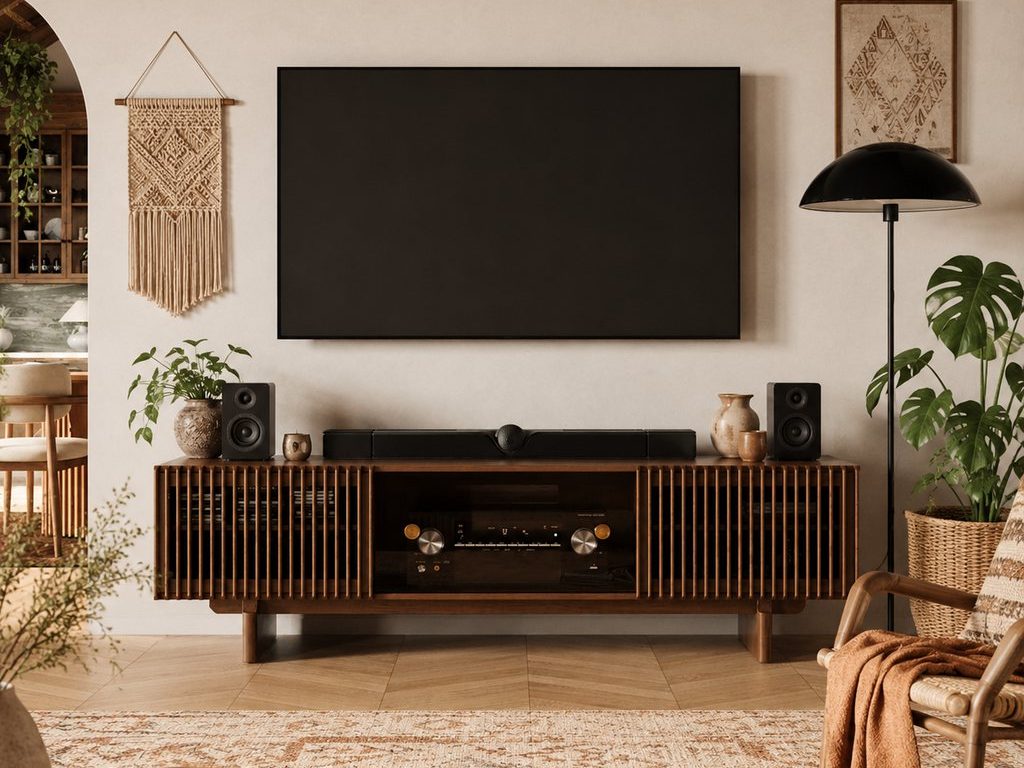
Many inspiration photos ignore the TV wall, but most living rooms have one. A media console can make or break the room because cords, game consoles, routers, remotes, and speakers quickly interrupt a relaxed mood.
A warm wood finish, woven detail, fluted texture, or low profile can help the TV area feel softer. Closed storage is especially useful in homes where the living room is also the movie room, playroom, or weekend hangout. A wood TV stand can also connect the media wall with the coffee table, side tables, or shelving without making the room feel like a matching furniture set.
Add One Accent Chair or Pouf
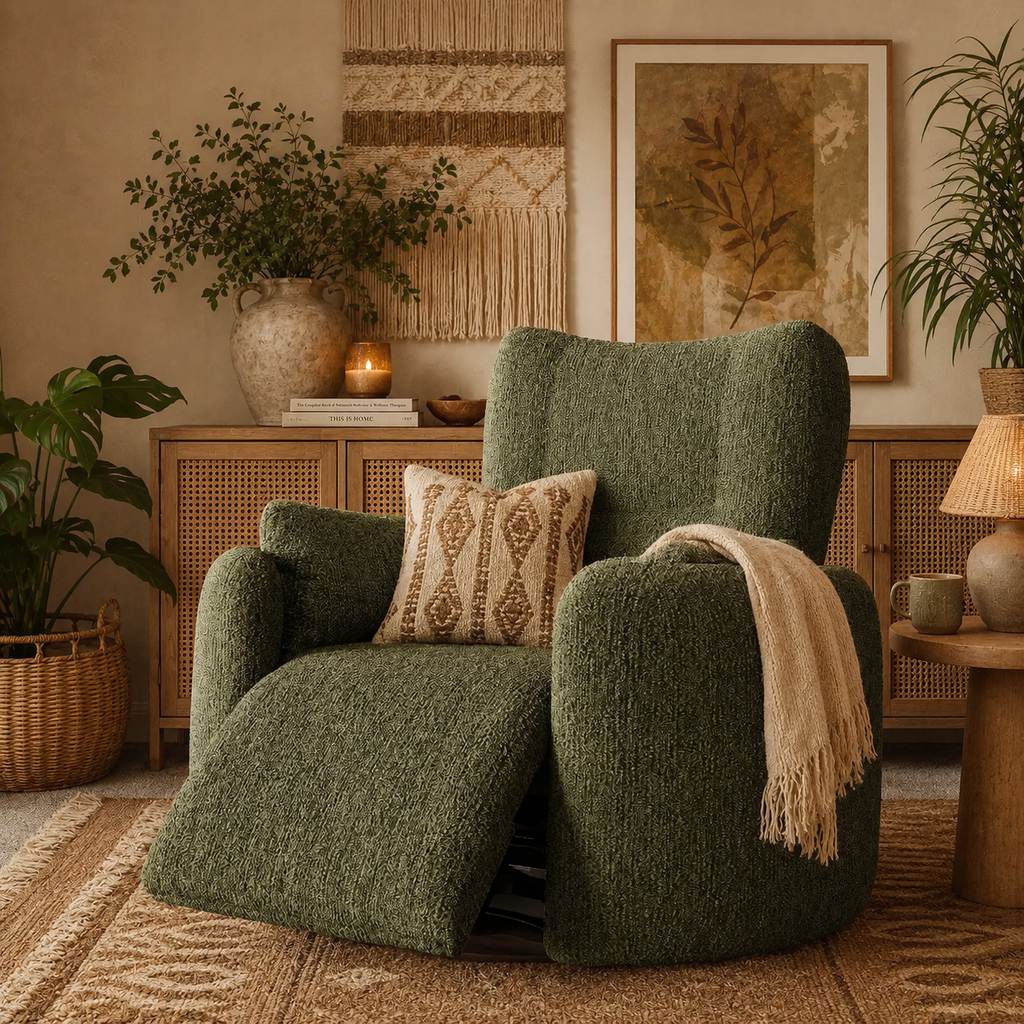
One accent chair, pouf, or floor cushion can add the casual feeling boho is known for. The mistake is adding too many. If the room already has a sofa and side chair, a pouf may be enough for extra seating. If the space is narrow, choose one lighter chair instead of a bulky lounge chair that blocks the walkway.
What Colors, Textures, and Patterns Work Best?
Color is where many boho rooms either come together or fall apart. The goal is not to use every earthy tone at once. The goal is to choose a direction and repeat it through large pieces, textiles, and smaller accents.
| Boho Direction | Best Base Colors | Accent Colors | Best Materials | Best For |
| Neutral Boho | Cream, beige, warm white | Tan, sage, light brown | Linen, jute, oak, rattan | Small or bright rooms |
| Earthy Boho | Sand, brown, olive | Rust, terracotta, mustard | Leather, walnut, clay, woven fibers | Cozy family rooms |
| Modern Boho | White, gray, beige | Black, clay, muted green | Clean-line sofa, wood, metal, wool | Apartments and modern homes |
| Boho Chic | Warm white, ivory, taupe | Brass, blush, muted gold, soft rust | Velvet, carved wood, ceramic, woven accents | Polished rooms that still feel relaxed |
| Colorful Boho | Warm neutral base | Teal, saffron, burgundy | Velvet, patterned rugs, art, ceramic | Expressive, artistic spaces |
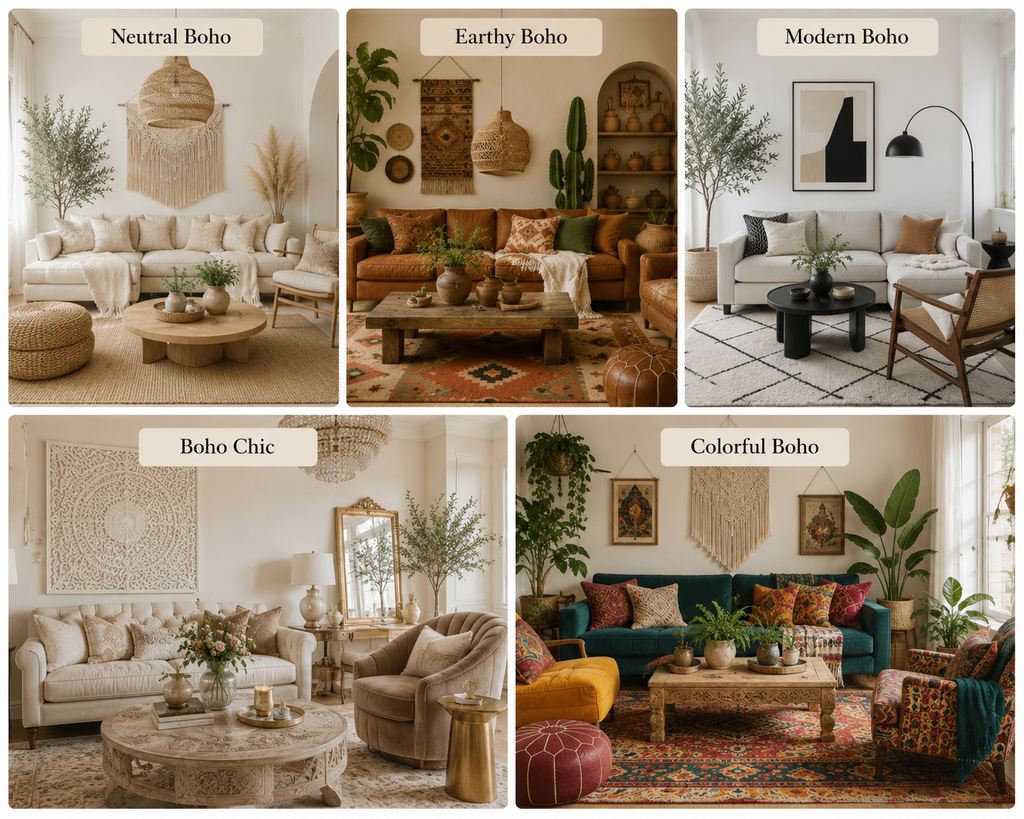
For most homes, 2 to 3 base colors and 1 to 2 accent colors are enough. A cream sofa, walnut coffee table, jute rug, rust pillow, and olive plant pot will look more intentional than a room with five unrelated patterns and no repeated color.
Pattern works best when one piece leads. Let the rug be the largest pattern, then keep pillows smaller or more tonal. If the curtains are patterned, choose a quieter rug. This keeps boho chic interior design from turning into visual clutter.
How Can a TV-Focused Living Room Still Feel Boho?
A TV-focused living room can still feel relaxed and layered if the media wall is treated as part of the design, not an interruption. The goal is to soften the screen, control clutter, and make the seating area feel complete.
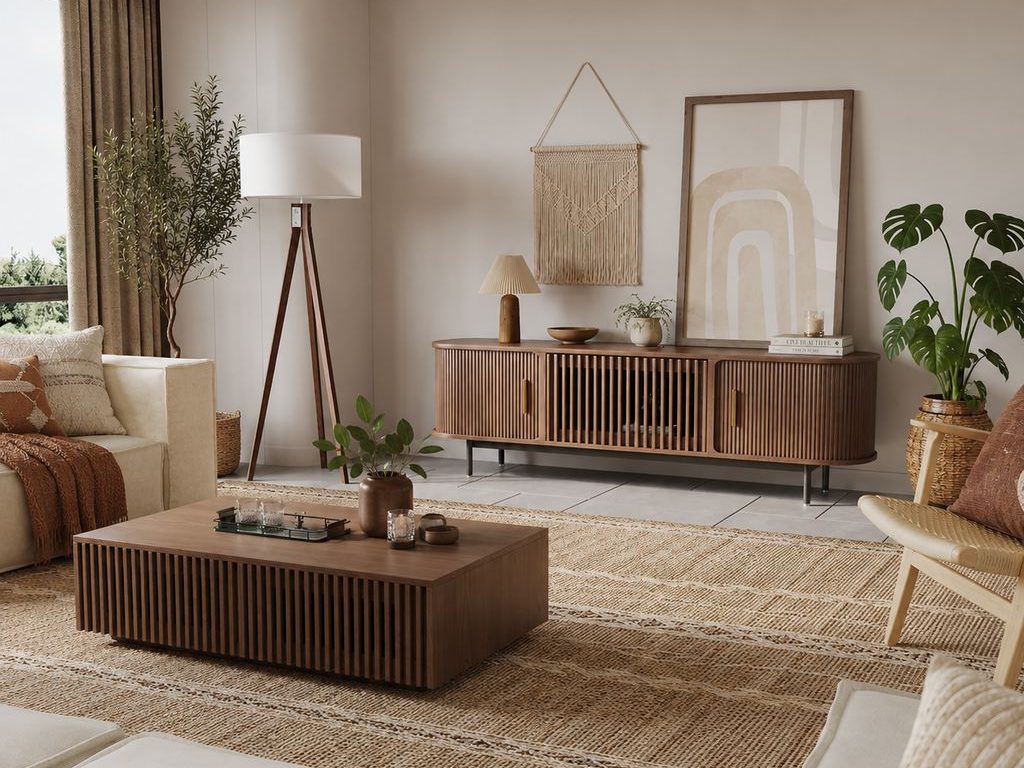
Start with the console. A low, warm-toned cabinet makes the black screen feel less harsh. Closed doors or drawers keep electronics and accessories out of sight. If the cabinet has wood grain, rattan-inspired detail, or soft rounded edges, it can support boho style without needing too many objects on top.
Then balance the TV wall with softer elements:
- Place one plant beside the media unit, not five small plants across the top.
- Use a floor lamp or table lamp to reduce the contrast between screen and wall.
- Keep only a few objects on the console, such as a ceramic bowl, books, or a low vase.
- Repeat one material from the TV stand in the coffee table or side table.
- Use a rug to connect the TV wall with the sofa area.
A boho TV stand should do more than look decorative. It should help the room stay organized when the TV, streaming devices, remotes, and cables are used every day. An Eos-71″ Modern Tambour Door TV Stand works especially well in this kind of setup because the warm wood tone supports the boho palette, while the enclosed design keeps media clutter out of sight.
How Can a Small Room Feel Boho Without Clutter?
Small spaces can handle boho, but they need sharper editing. The smaller the room, the more each piece matters. Instead of adding more accessories, focus on scale, storage, and repeated color.
Do:
- Use one larger rug to ground the seating zone.
- Choose a sofa with clean arms or a lower profile.
- Pick storage furniture with warm texture.
- Use wall art, shelves, or hanging plants to free the floor.
- Repeat the same 2 to 3 colors across pillows, rug, and decor.
- Keep walkways open around the sofa and coffee table.
Do not:
- Fill every corner with baskets, plants, and floor pillows.
- Mix several bold patterns with no shared color.
- Use a tiny rug that makes the furniture feel disconnected.
- Choose oversized accent chairs for a narrow room.
- Leave daily items visible because they “look casual.”
For compact spaces, the best living room furniture layout usually starts with the sofa placement, then plans the rug, coffee table, TV wall, and walking path together. This is especially useful in apartments where the living room also works as a dining area, work zone, or guest space.
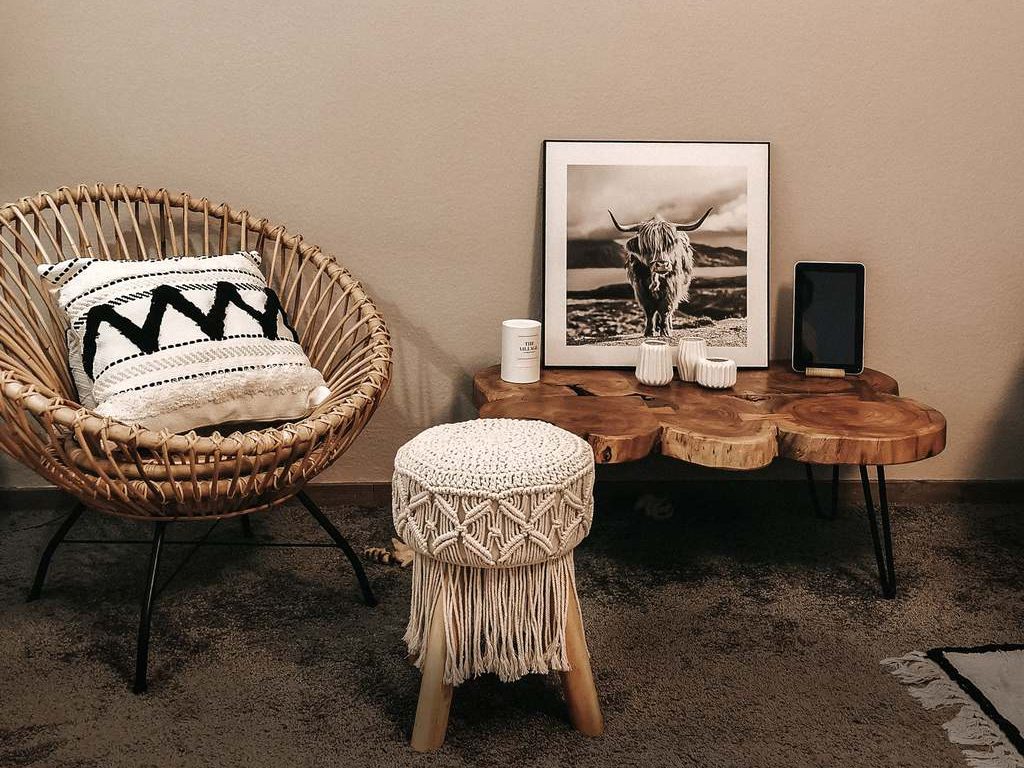
What Mistakes Make the Room Look Messy?
Boho looks effortless only when the choices are controlled. If the room feels busy, the problem is usually not the style itself. It is too many unrelated details competing at the same time.
Watch for these common mistakes:
- No main anchor: The room has many small objects but no strong sofa, rug, coffee table, or media piece.
- Too many trends at once: Rattan, fringe, macramé, arched mirrors, pampas grass, and patterned pillows all appear together.
- No color story: Every pillow, rug, and artwork uses a different palette.
- Too much open storage: Shelves, baskets, and trays display daily clutter instead of hiding it.
- Cold lighting: Bright white overhead light makes warm textures feel flat.
- Wrong rug size: A small rug under only the coffee table makes the seating area feel broken.
- Decor before function: The room looks styled, but there is nowhere to set a drink, charge a phone, or store remotes.
A good test is simple: remove three small accessories. If the room immediately feels calmer and the main furniture looks better, the space needed editing more than it needed another decor layer.
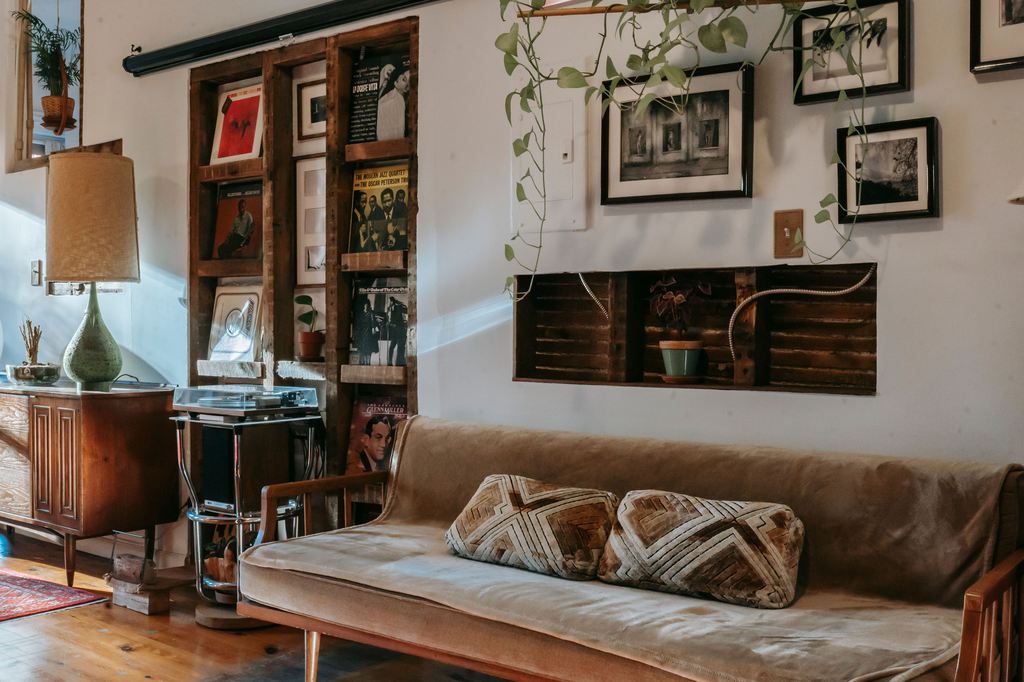
Conclusion
The best boho living room is not built by adding more of everything. It starts with comfortable furniture, a warm color direction, useful storage, and a few textures that repeat through the space. Once the sofa, coffee table, rug, and TV area feel balanced, smaller layers like pillows, plants, art, and ceramics become easier to choose. Keep the room personal, but leave breathing room. That balance is what makes boho feel collected, comfortable, and ready for everyday life.
FAQ
Should I choose light wood or dark wood furniture for boho interior design?
Light wood works better if you want an airy, neutral, or small-space boho look. Dark wood works better if the room needs more depth, contrast, or a vintage feeling. The safest choice is to repeat the same wood tone at least twice, such as in the coffee table and TV stand.
How can I make an existing living room feel more boho without replacing everything?
Start with textiles and lighting before replacing large furniture. A warm rug, linen pillows, a textured throw, a floor lamp, and a few ceramic or wood accents can shift the mood quickly. Keep existing furniture if the scale works, then use repeated colors and natural materials to connect the room.
What should I measure before buying boho living room furniture?
Measure the wall length, sofa depth, doorway width, walking paths, and the distance between the sofa, coffee table, and TV stand. A piece may match the boho look but still feel wrong if it blocks movement. For most homes, comfort and clearance matter more than adding another decorative layer.
What upholstery color is safest if I change decor often?
Warm beige, taupe, oatmeal, stone, soft gray, and tan are safer than bold trend colors for large upholstery. These shades work with neutral, earthy, modern, and boho chic interior design directions. Use pillows, throws, and art for stronger colors because they are easier to update later.
What should renters consider before buying boho living room furniture?
Renters should prioritize movable, versatile pieces that do not depend on wall changes. A comfortable sofa, freestanding TV stand, coffee table, floor lamp, and rug can create the style without drilling, painting, or built-ins. Avoid oversized furniture that may not fit a future apartment or narrow stairway.
How can I make sure boho furniture does not feel outdated later?
Choose timeless large pieces and keep trend-driven details smaller. A clean sofa, wood coffee table, and simple storage cabinet can support many decor styles later. Use pillows, throws, wall art, baskets, and small lighting changes for stronger boho personality, because those pieces are easier to replace.


