 By Kate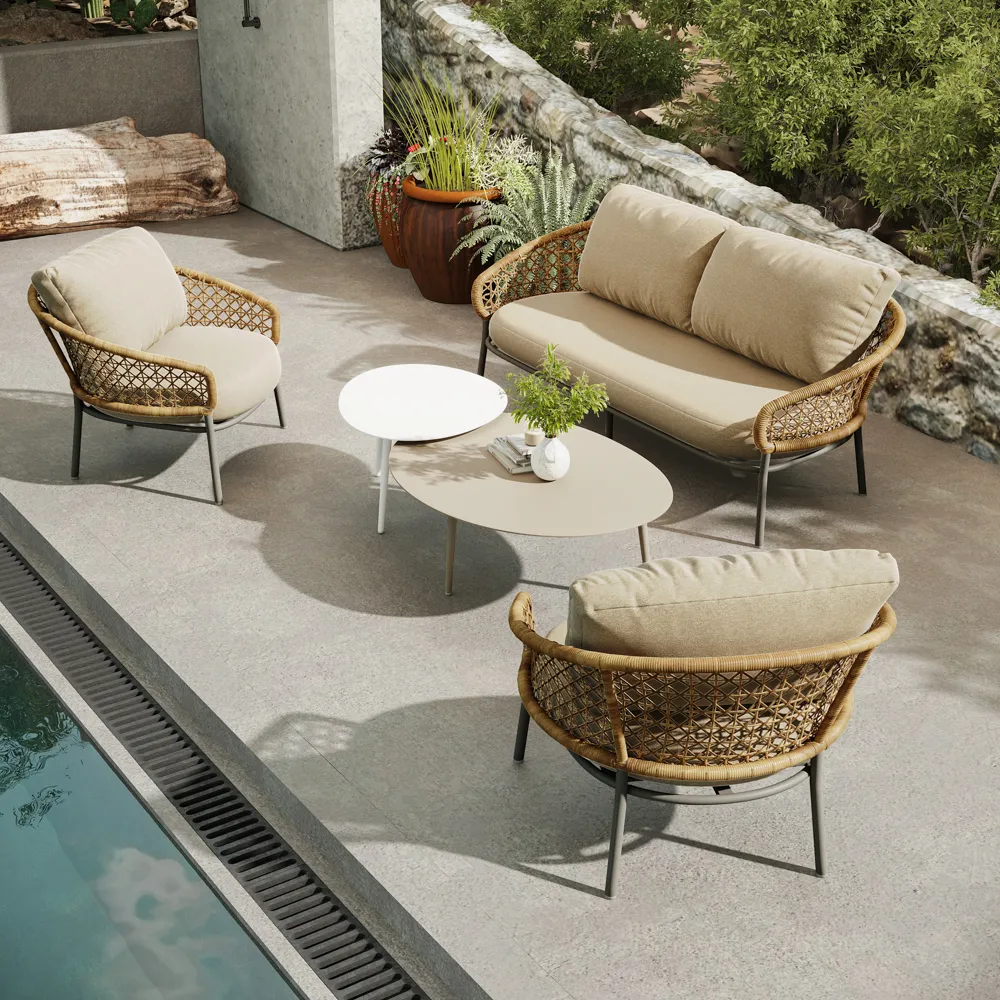
Introduction
Summer brings longer patio dinners, weekend BBQs, and more dust, pollen, bird droppings, and grill smoke on your covers. That is why many homeowners wonder how to wash outdoor furniture covers without weakening the waterproof finish. Most covers can be cleaned, but not all should go in the washing machine. Before washing, check the care label, fabric type, and cover condition. A gentle method helps remove buildup while protecting the coating, seams, and long-term durability.
Table of Contents
Can You Wash Outdoor Furniture Covers?
Yes, you can wash most outdoor furniture covers, but the right method depends on the label, fabric, and condition. A cover is not the same as a bedsheet or towel. Many outdoor covers have coatings that help resist water, UV rays, and mildew, so aggressive washing can shorten their life.
Start With the Care Label
The care label is your safest starting point. Look for words like “machine washable,” “hand wash only,” or “spot clean only.” If the label is missing, treat the cover as delicate and hand wash it. When in doubt, avoid heat, bleach, strong solvents, and heavy spin cycles. This matters even more if the cover has taped seams, elastic edges, buckles, vents, or a waterproof backing.
Use the Material and Condition Test
Polyester and nylon covers are usually more flexible and easier to clean. Vinyl, PVC-coated, and laminated covers often need gentler handling because coatings can crack or peel under stress. Do not machine wash covers with holes, brittle fabric, flaking coating, or weak seams. Cleaning should remove dirt, not finish off a cover that is already breaking down.
| Cover Type | Best Washing Method | Avoid |
|---|---|---|
| Polyester | Hand wash or gentle machine wash | High heat |
| Nylon | Hand wash or gentle machine wash | Strong bleach |
| Vinyl-coated | Hand wash | Dryer, hard scrubbing |
| PVC-backed | Spot clean or hand wash | Folding while damp |
| Unknown material | Hand wash | Machine washing |
How to Hand Wash Outdoor Furniture Covers?
Hand washing is the safest method for most covers because you control the pressure, water temperature, and scrubbing. It is also better for oversized pieces that may twist in a washer. This method works well when the cover is dirty but still structurally sound.
Shake, Brush, and Pre-Rinse First
Remove the cover from the furniture and shake off loose dirt, leaves, and dry debris. Use a soft brush or handheld vacuum around seams, straps, and corners. This dry step matters because pollen and dust can turn into sticky paste once wet. If you are also cleaning patio furniture cushions, keep covers and cushions separate so dirt does not transfer back and forth.
Wash With Mild Soap and Low Friction
Fill a bucket with cool or lukewarm water and add a small amount of mild detergent. Wipe large panels with a sponge or microfiber cloth, then use a soft brush on seams, corners, and straps. Rinse until the water runs clear and no soap film remains. Do not use a stiff brush or wring the cover hard, because that can weaken the coating and stitching.
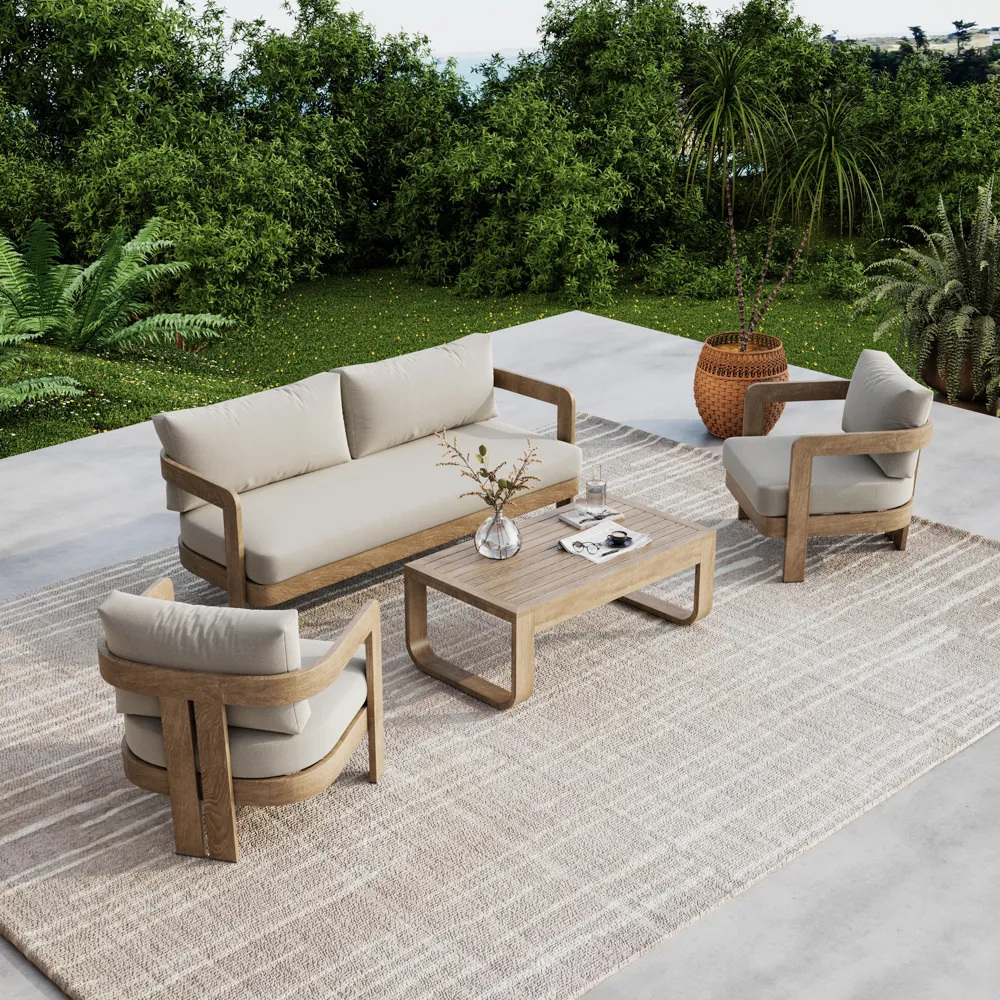
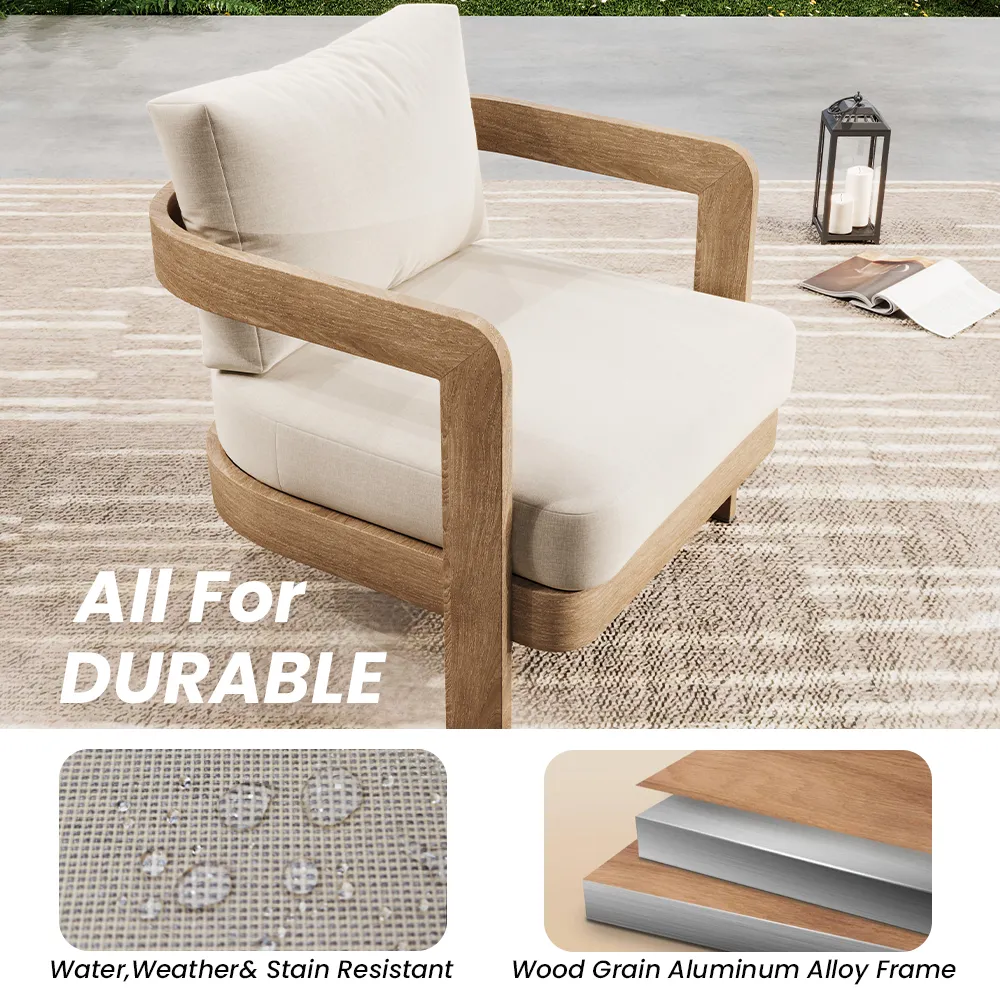
A cover-friendly patio setup starts with furniture that can handle regular light maintenance. The Minimalist Outdoor Lounge Chairs use an aluminum alloy frame with fabric cushioning, making gentle cover removal, brushing, and seasonal checkups easier around a compact lounge area.
How to Machine Wash Outdoor Furniture Covers Safely?
Machine washing can save time, but only when the care label clearly allows it. The biggest risks are friction, heat, and overcrowding. If the cover is too large for the washer, hand wash it instead of forcing it into a drum.
Use a Gentle Washer Setup
Wash the cover alone. Choose a gentle or delicate cycle with cold or lukewarm water. Use mild detergent, not fabric softener or chlorine bleach. Fast spin cycles can twist straps, pull seams, and stress coated fabric, so choose a lower spin if your washer allows it. This is the safest answer when people ask how to wash outdoor furniture covers in a machine.
Skip the Dryer Unless the Label Allows It
A dryer is usually the wrong choice for outdoor covers. Heat can shrink fabric, warp waterproof backing, weaken elastic, or damage seam tape. After washing, hang the cover over a railing, drying rack, or clothesline. On a cloudy but breezy day, a cover often dries more evenly than it does under harsh direct sun. The cover should feel dry at the seams, not just on the outer panels.
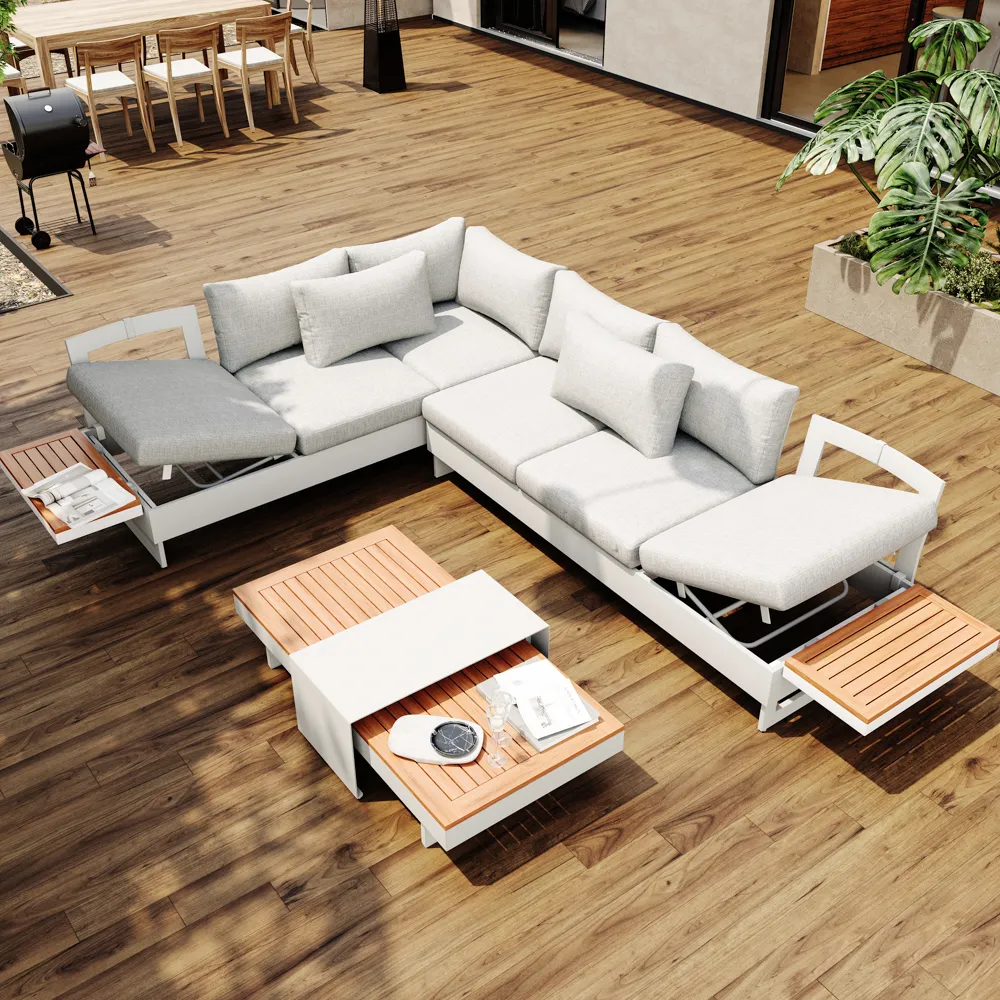
For larger seating, removable covers need enough space to dry without bunching. The Modern 3 Seater Outdoor Sectional Sofa pairs a metal frame with waterproof, fade-resistant cushions, so airflow and cover fit become part of regular patio care.
What Removes Mold, Mildew, Bird Droppings, and Sap?
Outdoor covers collect organic messes that need different treatments. The key is not to scrub everything the same way. Work from dry removal to spot treatment, then rinse well. Strong chemicals may clean faster, but they can also strip protection from the cover.

Match the Stain to the Cleaning Method
| Stain Type | First Step | Best Gentle Treatment |
|---|---|---|
| Mildew | Dry brush loose spores | Diluted vinegar-water or approved oxygen cleaner |
| Bird droppings | Scrape off dried residue | Soak the spot with mild soapy water |
| Pollen/dust | Vacuum or brush dry | Rinse after dry removal |
| Tree sap | Spot test first | Dab gently; avoid spreading |
| Grease/BBQ stains | Blot, don’t rub | Mild dish soap solution |
If mold has spread beyond the cover and into nearby furniture, a focused routine for mold on furniture helps prevent the same issue from returning after the cover is clean.
Always Spot Test First
Before using vinegar, dish soap, or oxygen cleaner, test the solution on a hidden corner. Wait until it dries before checking for fading, tackiness, or coating damage. This small step prevents a small stain from becoming a large discolored patch. Avoid pressure washers, undiluted bleach, ammonia mixes, and abrasive pads. Outdoor covers need patient cleaning, not force.
When Should You Dry, Reproof, and Store Covers?
Drying and storage are where many clean covers get ruined. A cover can look clean but still hold moisture inside seams, folds, vents, and elastic edges. If it is stored damp, mildew can return quickly and create a stronger odor than before.
Dry the Cover Completely Before Use
Air drying is not finished until the seams, corners, straps, and underside are dry. Flip the cover once during drying so trapped moisture can escape. In humid climates, leave extra time before folding or replacing it on furniture. This step is also useful when cleaning outdoor furniture cushions because both cushions and covers can trap moisture if stacked too soon.
Reproof and Store by Season
After several washes, water may stop beading on the surface. If the manufacturer allows it, apply a fabric protector or reproofing spray after the cover is clean and dry. For winter storage, clean the cover, dry it fully, fold it loosely, and place it in a breathable bag or dry storage box.
| Season or Climate | Cleaning Frequency | Extra Care |
|---|---|---|
| Spring pollen | Every 2–4 weeks | Brush dry before rinsing |
| Humid summer | Monthly | Check for mildew often |
| BBQ season | As needed | Spot clean grease quickly |
| Fall storage | Before storing | Dry fully before folding |
| Dry, dusty areas | Every 3–6 weeks | Shake and rinse more often |
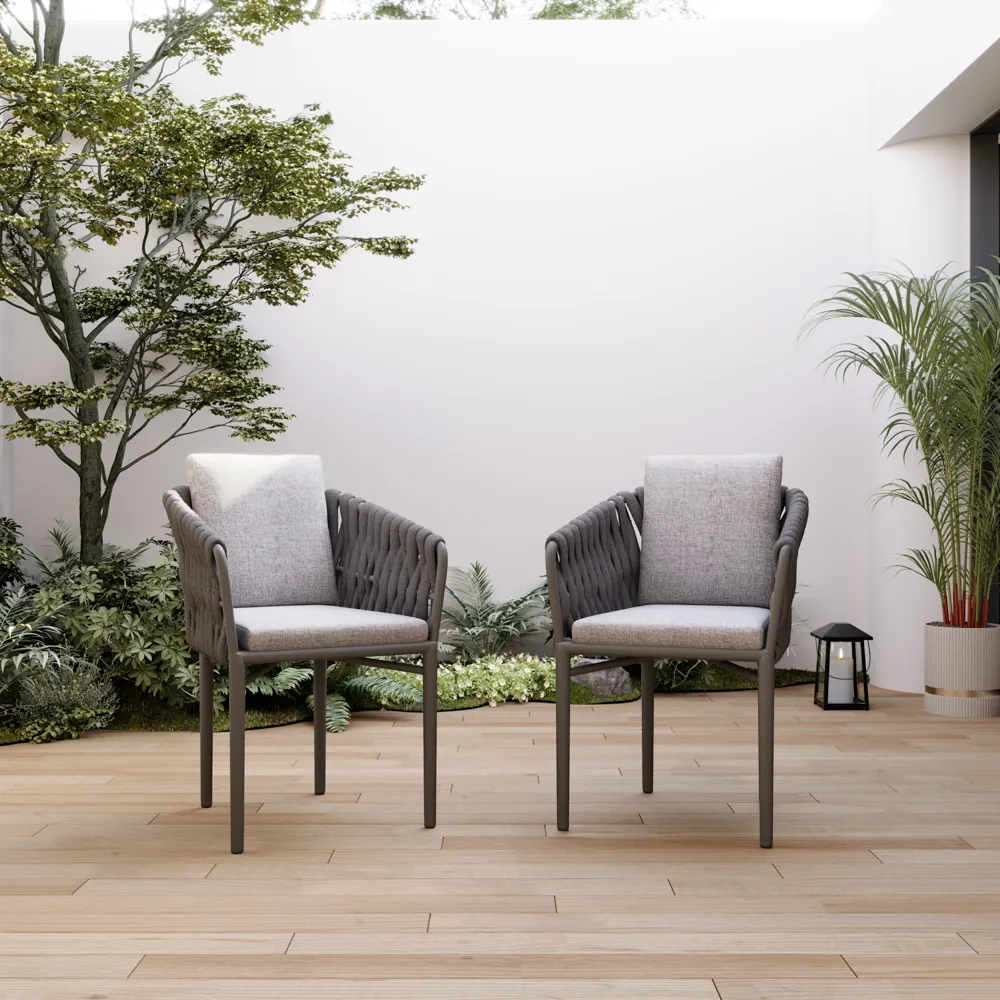
Dining chairs often need smaller fitted covers, which are easy to forget after rain. The Modern Outdoor Black Wicker Chair Set combines aluminum alloy, fabric, sponge, and woven rattan tape, so keeping covers dry protects both texture and comfort.
Conclusion
Learning how to wash outdoor furniture covers for summer longevity is less about heavy scrubbing and more about gentle, consistent care. Start with the care label, use cool or lukewarm water, choose mild soap, and let every seam and corner dry completely before reuse or storage. Hand washing is safest for most covers, while machine washing should only be used when the label allows it. With smart cleaning, stain control, and dry storage, your covers can last longer through busy patio days.
FAQ
Can you put outdoor furniture covers in the washing machine?
Only some outdoor furniture covers are washer-safe. If the label is missing, hand washing is the safer choice. Large covers should also stay out of small washers because tight spinning can pull seams, bend vents, or leave detergent trapped in folds.
What is the best soap for outdoor furniture covers?
Use a mild, low-residue soap that rinses clean. A gentle liquid detergent works for general dirt, while a small amount of dish soap can help with food or grill grease. Avoid heavy fragrance or waxy formulas that may leave buildup on coated fabric.
Can you use bleach on outdoor furniture covers?
Bleach is risky for most outdoor covers because it can fade color and weaken coated surfaces. If mildew is the problem, start with dry brushing and a mild spot treatment. Always test a hidden area before using any stronger cleaner.
Can you dry outdoor furniture covers in the dryer?
Air drying is the safer option for most covers. Even low dryer heat can stress elastic, backing, or seam tape. Hang the cover open, flip it once, and check the underside before folding it or putting it back on furniture.
How often should you wash outdoor furniture covers?
Most covers need a deep wash a few times per year, plus quick spot cleaning after bird droppings, pollen buildup, or spills. Humid climates may need more frequent mildew checks, while dry areas often only need shaking, rinsing, and seasonal washing.


