 By Kelvin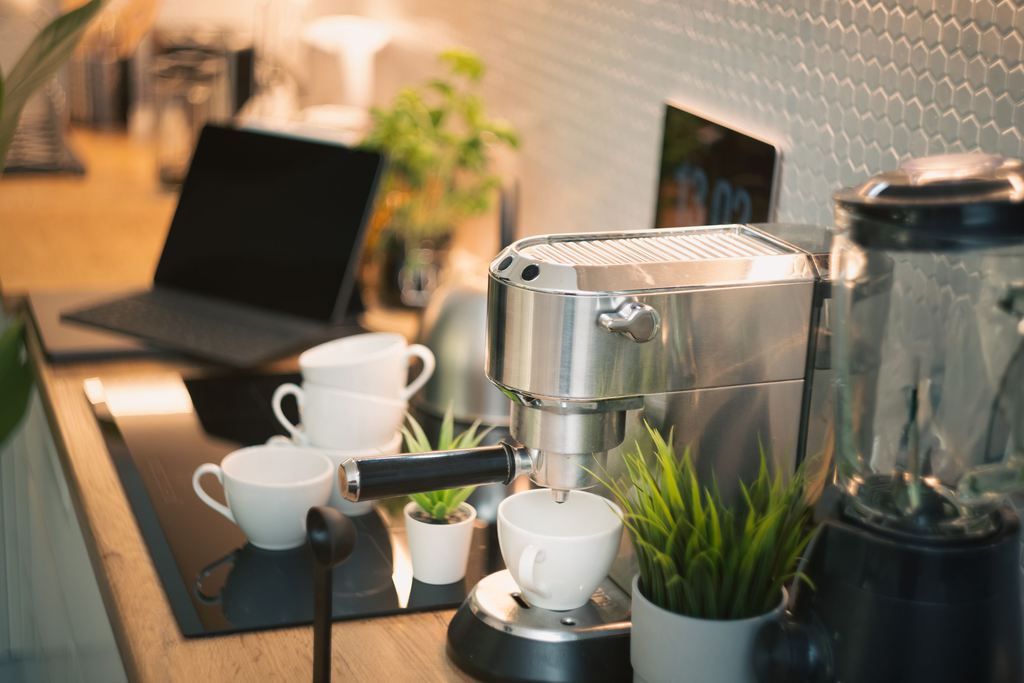
Introduction
A home coffee bar should make your morning easier, not just give you another surface to decorate. This guide helps you decide where to place it, what furniture to use, how much space you need, and how to keep mugs, beans, filters, and small appliances organized. Whether you are working with a kitchen counter, dining room wall, pantry nook, or small apartment corner, the goal is the same: create a coffee bar at home that feels useful, calm, and connected to the rest of your space.
Table of Contents
What Is a Home Coffee Bar?
A home coffee bar is a dedicated area for making and serving coffee. It can be as simple as a tray on a countertop or as complete as a cabinet with a coffee machine, mugs, beans, syrups, filters, and backup supplies.
The best setup usually does three things well:
- Keeps daily coffee tools in one place.
- Gives the coffee machine a stable surface.
- Stores visual clutter behind doors, drawers, baskets, or canisters.
It can also work as a tea, cocoa, or casual beverage station. That flexibility matters if your home is used for both daily routines and occasional hosting.
The right location depends less on the prettiest corner and more on how you use coffee every day. Start with three checks: whether there is an outlet nearby, whether you can refill water easily, and whether the setup will block cooking, dining, or walking paths. A kitchen corner is convenient, a dining room sideboard is useful for hosting, and a compact nook can still work if the furniture fits the routine.
What Furniture Works Best for a Coffee Station?
Furniture should support the equipment, storage, and daily movement around the station. A pretty surface is not enough if the machine feels unstable, cords are exposed, or supplies pile up around it.
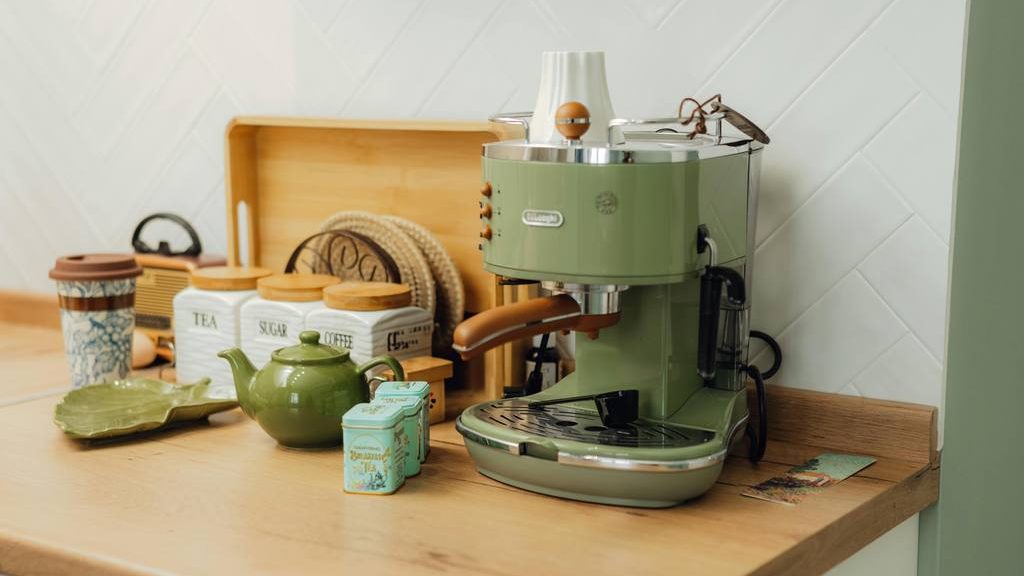
Sideboard or Buffet Cabinet
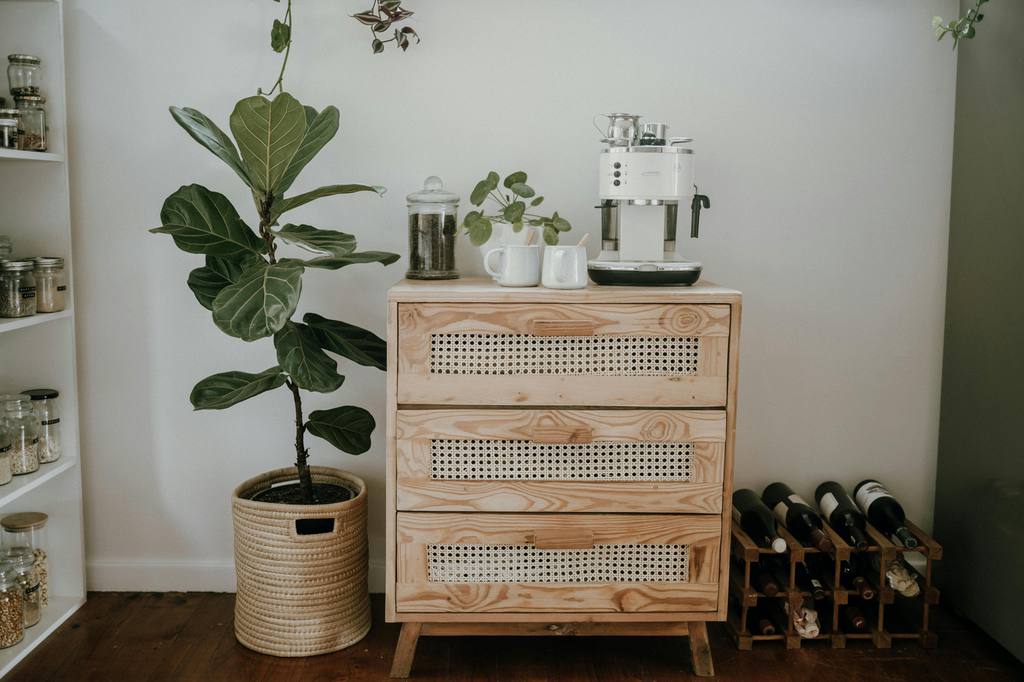
A sideboard works especially well in a dining room or open-plan space. It gives you a wide top for the machine and enough closed storage for mugs, filters, beans, napkins, and extra cups. If you are already thinking about using a sideboard in your dining room or living room, a coffee station can be one of its most practical uses.
Check the depth before using a sideboard. The coffee machine should sit fully on the surface, with room behind it for cords and room in front for cups.
Bar Cabinet
A bar cabinet is useful when the station serves more than coffee. It can hold tea, cocoa, sparkling water, mugs, glassware, and small hosting items. This works well in a living room, dining room, or open kitchen where the station needs to look like furniture when not in use.
Closed doors are the main advantage. They help hide backup supplies and keep the room from feeling like a busy café counter.
Tall Cabinet or Hutch
A tall cabinet or hutch is best when vertical storage matters more than counter width. Use the main surface for brewing, upper shelves for mugs or canisters, and lower storage for less attractive items. For smaller homes, tall cabinets for small spaces can help create a coffee station without taking up a long wall.
Before choosing one, measure the height of your coffee machine. Some espresso machines need extra clearance above for water tanks, bean hoppers, or cup warming space.
Console Table or Narrow Cabinet
A console table can work for a simple pod machine, pour-over setup, or tea-and-coffee station in a hallway. It is not ideal for heavy espresso equipment unless it has a deep, stable top. If the furniture is narrow, keep the setup minimal: one machine, one tray, a few mugs, and closed storage nearby.
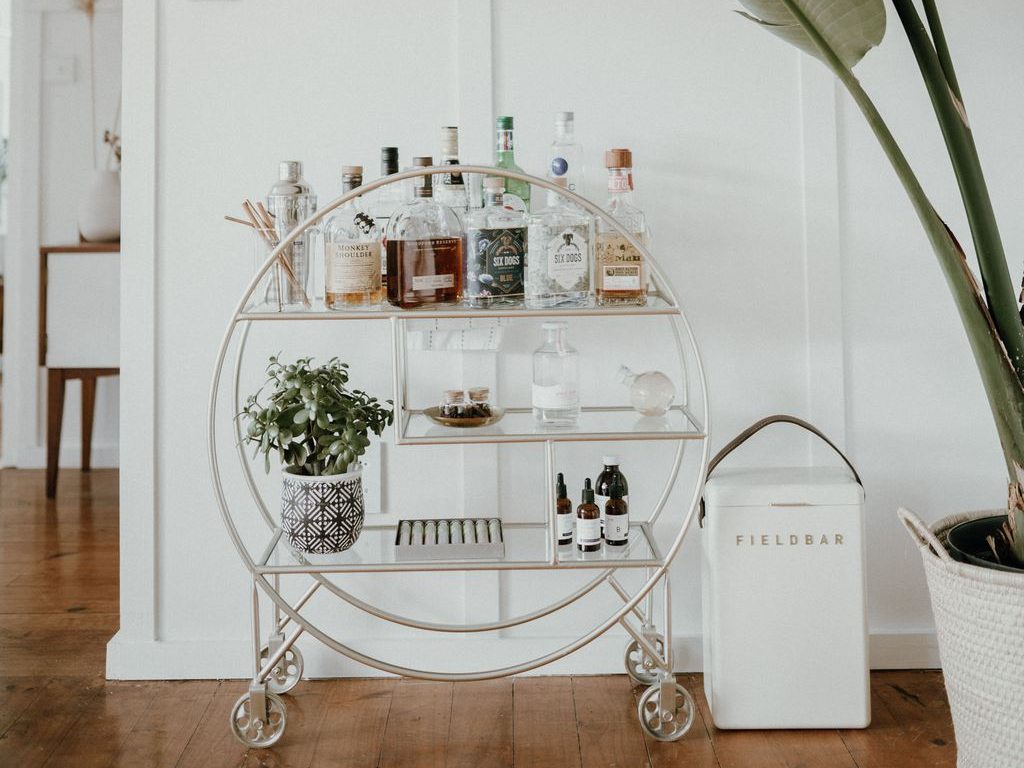
Bar Cart
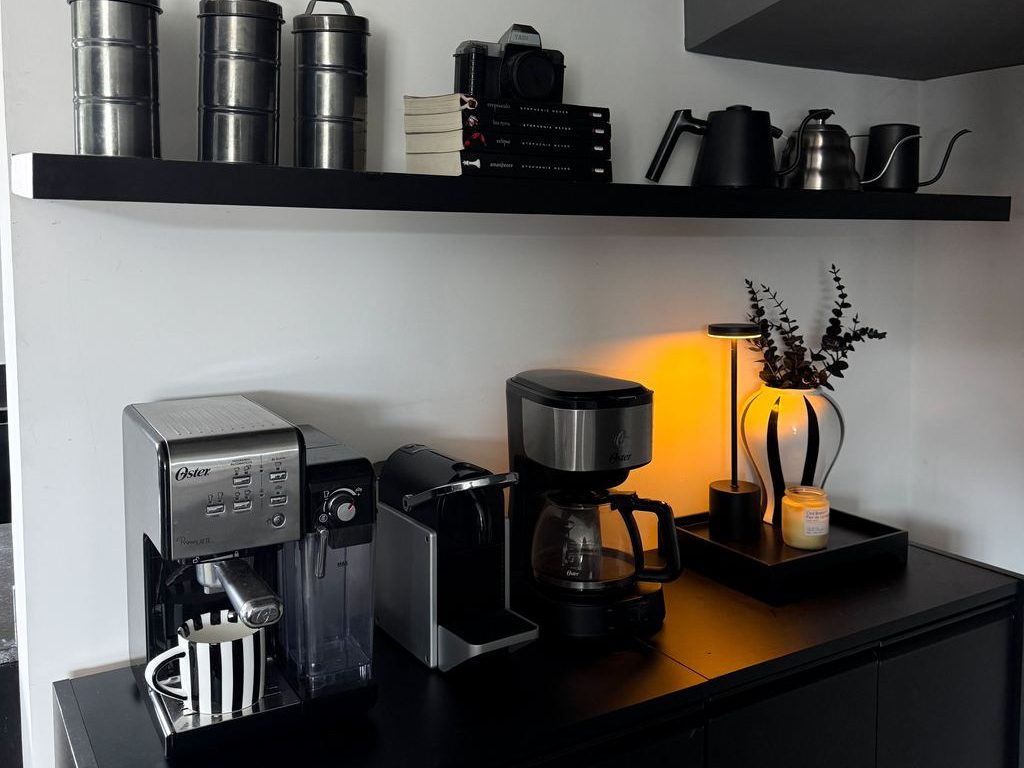
A bar cart is flexible for renters, small apartments, or occasional hosting. It can move from kitchen to dining room when guests arrive. The tradeoff is stability. A lightweight cart may not handle a grinder, heavy espresso machine, or daily pulling and pushing.
Bar Stools
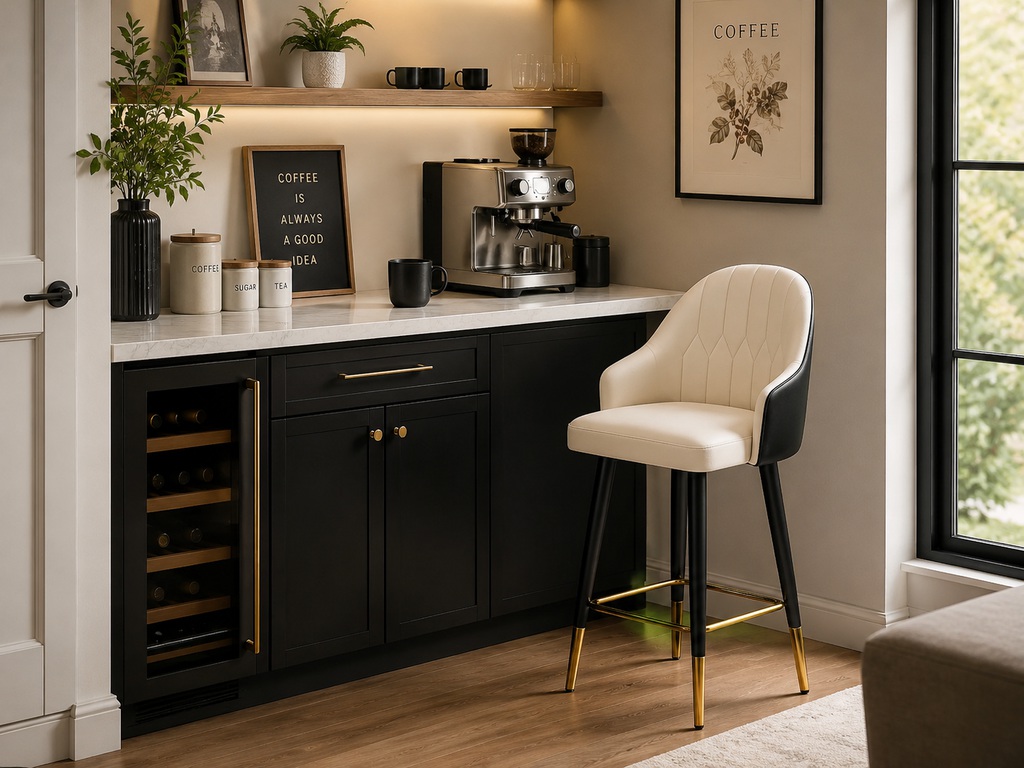
Bar stools are not necessary for every coffee station, but they make sense around a kitchen island, breakfast bar, or counter-height coffee nook. If someone likes to sit with a quick latte and toast before work, the stool turns the area into a casual café-style spot. Use bar height vs counter height stools as the basic measurement check before buying seating.
Home Coffee Bar Ideas by Room Type
Room type is a better starting point than decoration style because it tells you what the station must do. A kitchen setup needs efficiency. A dining room setup needs serving storage. A living room setup needs to blend with furniture. Use the room first, then choose the look.
| Room Type | Best Setup | Works Well For | What to Check First |
| Kitchen | Countertop, island, or appliance garage | Fast weekday coffee and easy cleanup | Outlet, water refill, prep-space clearance |
| Dining room | Sideboard or buffet cabinet | Brunch, hosting, after-dinner coffee | Surface depth, closed storage, nearby outlet |
| Living room | Bar cabinet or tall cabinet | Coffee, tea, cocoa, and casual drinks | Cord hiding, visual clutter, door swing |
| Small apartment | Bar cart, console table, or narrow cabinet | Flexible layouts and renter-friendly setups | Stability, floor space, storage limits |
| Pantry or nook | Built-in shelf, hutch, or cabinet station | Hidden storage and a cleaner kitchen | Lighting, appliance clearance, ventilation |
| Hallway wall | Slim console or narrow cabinet | Compact coffee bars for the home | Walking path, cord safety, wall width |
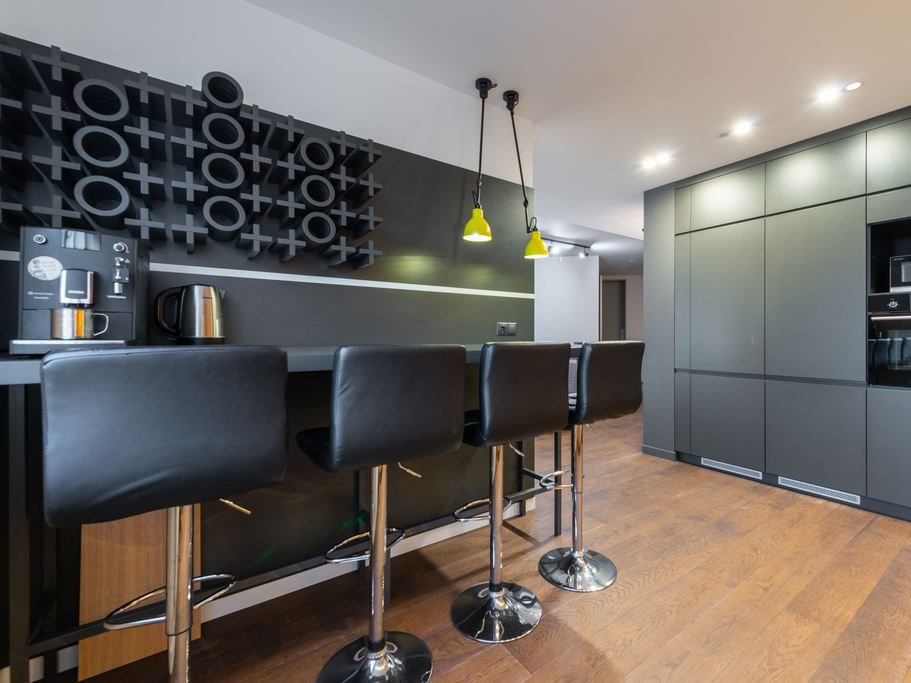
For a busy household, the kitchen or pantry usually wins. For a home that hosts often, the dining room sideboard may feel more natural. For a small apartment, start with the most stable surface you already own before adding more furniture.
How Much Space Does a Coffee Station Need?
A coffee station can work in a small area, but it still needs enough space for safe, comfortable use. A compact pod or drip coffee setup can fit on a small counter or cabinet. An espresso machine with a grinder needs more width, more depth, and a sturdier surface.
Use this quick check before buying furniture or accessories:
- Leave room to lift or remove the water tank.
- Keep cords close to the outlet instead of stretched across a walkway.
- Make sure drawers and cabinet doors can open fully.
- Leave prep space in front of the machine for cups and spills.
- Avoid placing a hot kettle or espresso machine directly under a low shelf.
Counter-height surfaces are often comfortable for brewing, but the best height is the one that lets you pour, refill, and clean without reaching awkwardly. If your coffee bar sits on a sideboard, test the height with your actual machine before filling the area with canisters and décor.
How to Keep a Coffee Bar Useful and Clutter-Free
A good coffee bar should feel easy to use before it feels decorative. Start by deciding what truly needs to stay on the surface every day, then use a few simple styling choices to make the station feel connected to the room. This keeps the setup practical during busy mornings without turning it into a crowded appliance corner.
Daily items can include:
- Coffee machine, espresso machine, kettle, or pour-over setup
- Grinder, filters, pods, or beans
- Two to four everyday mugs
- Sugar, syrup, cinnamon, or cocoa powder
- Spoons, napkins, or a small towel
- A tray to group smaller pieces
Keep the visible layer simple:
- Use one tray to define the coffee zone.
- Display only your best-looking daily mugs.
- Choose matching canisters for beans, tea, or sugar.
- Add one warm element, such as a small lamp, framed art, or plant.
- Avoid too many signs, seasonal decorations, or mixed containers.
Extra mugs, seasonal cups, replacement filters, unopened coffee bags, and rarely used tools do not need to sit out. One real-life test helps: make coffee on a normal weekday morning. Anything you do not touch can probably move into hidden storage.
Once the essentials are edited down, styling becomes much easier. Use the furniture finish, cabinet hardware, or nearby dining table as your guide. A warm wood sideboard, black hardware, stone tray, or matching canisters can make the station feel connected to the room without adding too many decorative pieces. Modern home coffee bar ideas often work best when the setup looks intentional, not overfilled.
What Mistakes Should You Avoid?
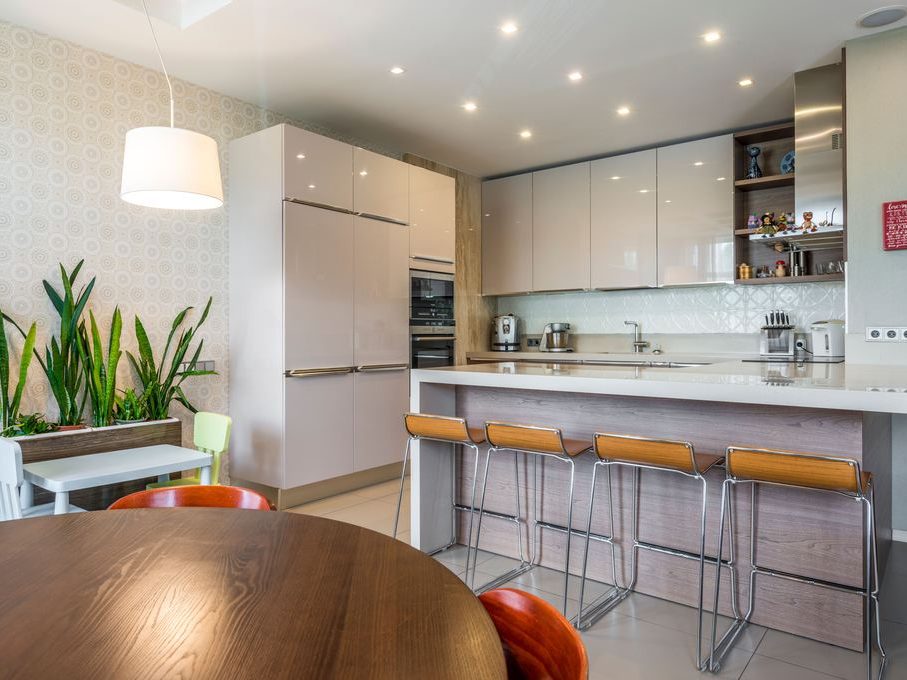
The most common mistakes happen before the first cup is brewed. People buy cute accessories first, then realize the machine does not fit, the outlet is too far away, or the surface becomes crowded.
Avoid these setup mistakes:
- Choosing a spot without checking the outlet.
- Buying furniture before measuring the machine.
- Forgetting clearance for water tanks, grinders, or cup storage.
- Using open shelves for every supply.
- Choosing a bar cart for heavy daily equipment.
- Letting cords show across the wall or floor.
- Styling the station so heavily that it becomes hard to use.
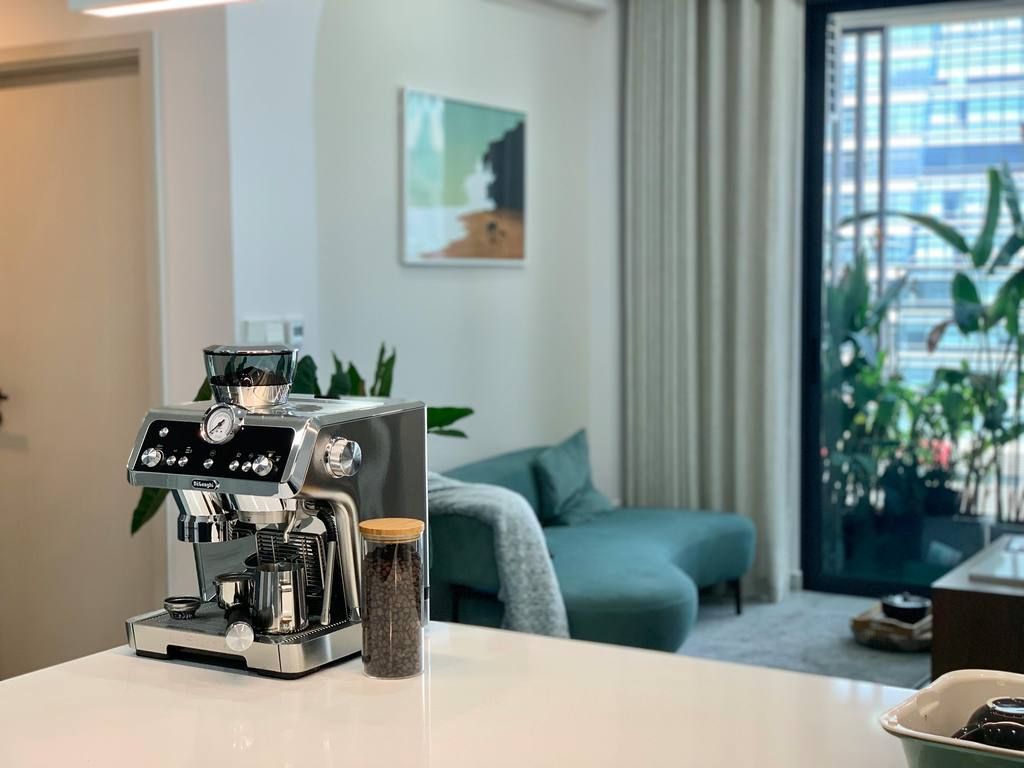
Good coffee bars for the home are not only attractive. They are easy to clean, easy to refill, and easy to reset after the morning rush.
Conclusion
A home coffee bar works best when the location, furniture, storage, and daily routine support each other. Start with the room where coffee naturally fits your life, then choose a surface that is stable, deep enough, and close to power. Keep daily items visible and backup supplies hidden. Whether you use a sideboard, bar cabinet, tall cabinet, cart, or kitchen counter, the goal is not to copy every coffee station trend. It is to create a calm, useful spot you will enjoy every morning.
FAQ
Should I choose a built-in coffee bar or freestanding furniture?
Choose a built-in coffee bar if you are already remodeling a kitchen, pantry, or wet bar. Choose freestanding furniture if you want flexibility without changing walls, plumbing, or cabinetry. A sideboard, bar cabinet, tall cabinet, or cart can create a dedicated station while staying easier to move or update later.
Does a coffee station need a sink?
No, a coffee station does not need a sink. A sink is helpful for rinsing mugs, filling water tanks, and cleaning espresso tools, but most setups work fine near the kitchen. Add a sink only if you are planning a built-in pantry, wet bar, or larger beverage station.
How do I make a small coffee station look more expensive?
Keep the visible setup simple and consistent. Use matching mugs, one tray, closed storage, and canisters in the same finish family. A small lamp, stone tray, wood cabinet, or warm metal detail can make the area feel intentional without adding clutter.
What surface material is easier to maintain under a coffee machine?
A smooth, sealed, and easy-wipe surface is better under a coffee machine. Coffee drips, water rings, heat, and sugar spills can damage delicate or unfinished materials over time. If you use a wood cabinet or sideboard, add a tray, mat, or stone board under the machine for easier cleanup.
How can I protect furniture from coffee spills and heat?
Use a tray, waterproof mat, or heat-resistant board under the machine, kettle, and mugs. Wipe spills quickly, especially near seams, drawers, or wood edges. Keep syrups and wet tools in containers instead of placing them directly on the surface, so the furniture stays easier to clean over time.
When is a coffee bar at home not worth adding?
A coffee bar at home may not be worth adding if it blocks kitchen prep space, duplicates storage you already have, or forces cords across a walkway. It should make your routine easier. If the setup creates more cleaning, clutter, or traffic problems, a simpler countertop tray may work better.


