 By Kelvin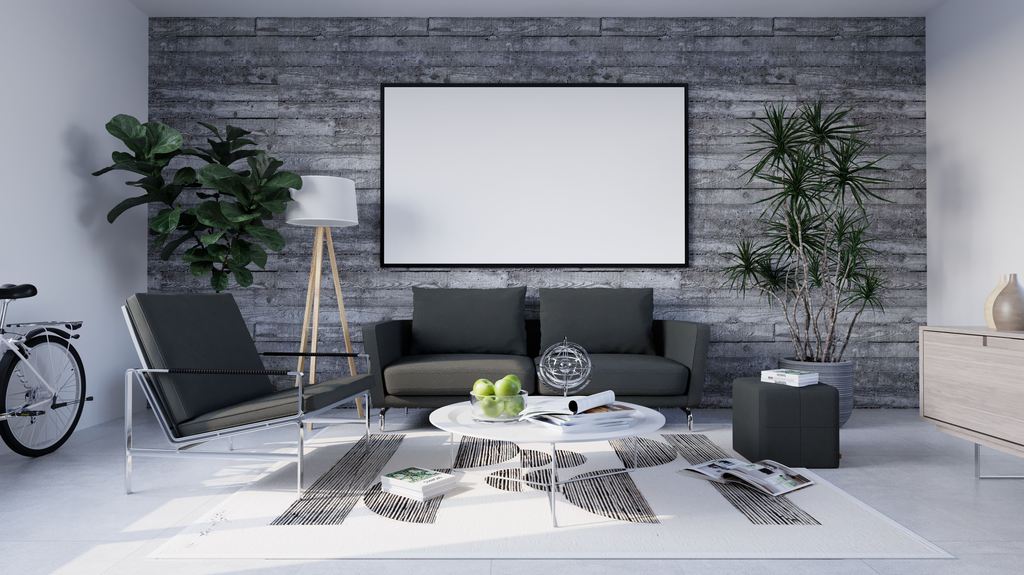
Introduction
Minimalist furniture can make a home feel calmer, cleaner, and easier to live in, but only when the pieces work for your real routines. This guide helps you choose furniture that looks simple without feeling cold, supports storage without looking bulky, and fits your room before you buy. Instead of treating minimalism as an empty-room aesthetic, we’ll focus on the large pieces that shape daily comfort: sofas, coffee tables, TV stands, dining tables, storage cabinets, and bedroom furniture.
Table of Contents
What Is Minimalist Furniture?
Minimalist furniture is furniture with clean lines, simple forms, low visual noise, and a clear function. It usually avoids heavy ornamentation, loud patterns, oversized hardware, and unnecessary decorative details. The goal is not to own as little as possible. The goal is to choose pieces that make a room feel organized, useful, and visually calm.
Good minimalist furniture design usually has a few shared traits:
- Simple silhouettes, such as straight arms, soft curves, or low-profile frames
- Neutral or natural colors, including white, cream, taupe, gray, black, oak, and walnut
- Useful storage or a clear daily function
- Calm materials, such as wood, stone, leather, textured fabric, or matte metal
- Proportions that leave breathing room around the furniture
A minimalist home can still feel warm, layered, and personal. A cream sofa, oak coffee table, closed-door TV stand, and one sculptural lamp can feel more finished than a room packed with small accent pieces.
Which Minimalist Furniture Pieces Should You Choose First?
The easiest way to build a minimalist home is to choose the pieces that control the most visual weight first. In most homes, that means seating, surfaces, media storage, dining, and hidden storage before small decor. These pieces decide whether the room feels calm or crowded.
| Furniture Piece | What to Look For | Why It Matters |
| Sofa | Simple arms, supportive cushions, low visual bulk | Anchors the living room without overwhelming it |
| Coffee table | Storage, rounded edges, calm material | Controls daily clutter at the center of the room |
| TV stand | Closed doors, cable management, right width | Hides visual noise around electronics |
| Dining table | Easy-clean surface, simple base, enough clearance | Supports daily meals and hosting |
| Sideboard | Quiet front, deep storage, stable structure | Keeps overflow items out of sight |
| Bed frame | Simple headboard, useful height, durable material | Sets the tone for a calm bedroom |
| Dresser | Smooth drawers, restrained hardware, enough capacity | Prevents clothing clutter from spreading |
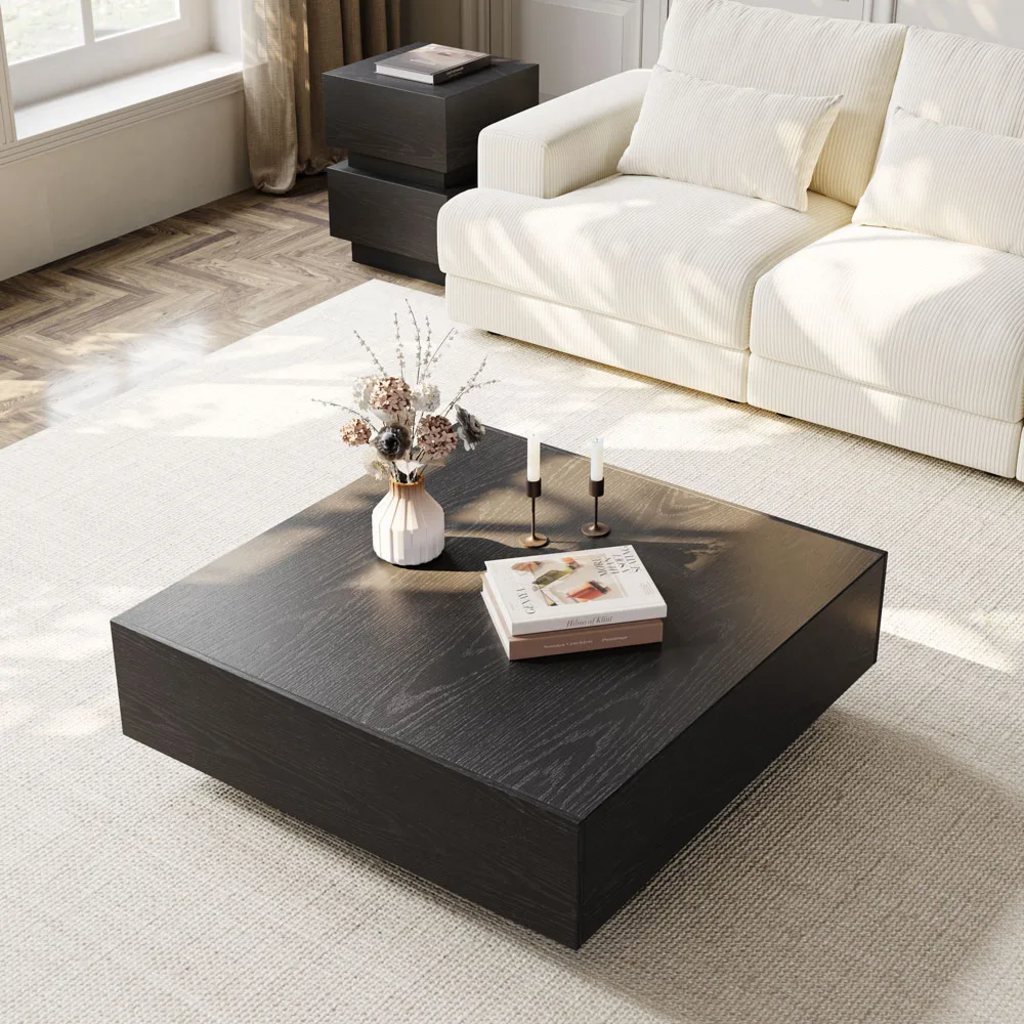
For minimalist living room furniture, the coffee table often does more than people expect. It affects walking space, surface clutter, and the way the sofa zone feels. A calm table with useful storage can make the whole room easier to reset, especially when minimalist coffee table ideas are focused on real use rather than styling alone.
How Do You Choose Furniture That Actually Works?
After you know which pieces matter most, judge each item by how it behaves in the room. A piece can look minimal online but still fail at home if it is too flat, too cold, too hard to clean, or too limited in function.
Read the Shape From Across the Room
Step back and look at the outline first. A minimalist piece should read clearly from a distance. The arms, legs, top, doors, and handles should not compete for attention. If the furniture needs close-up details to look interesting, it may not give the room the calm foundation you want.
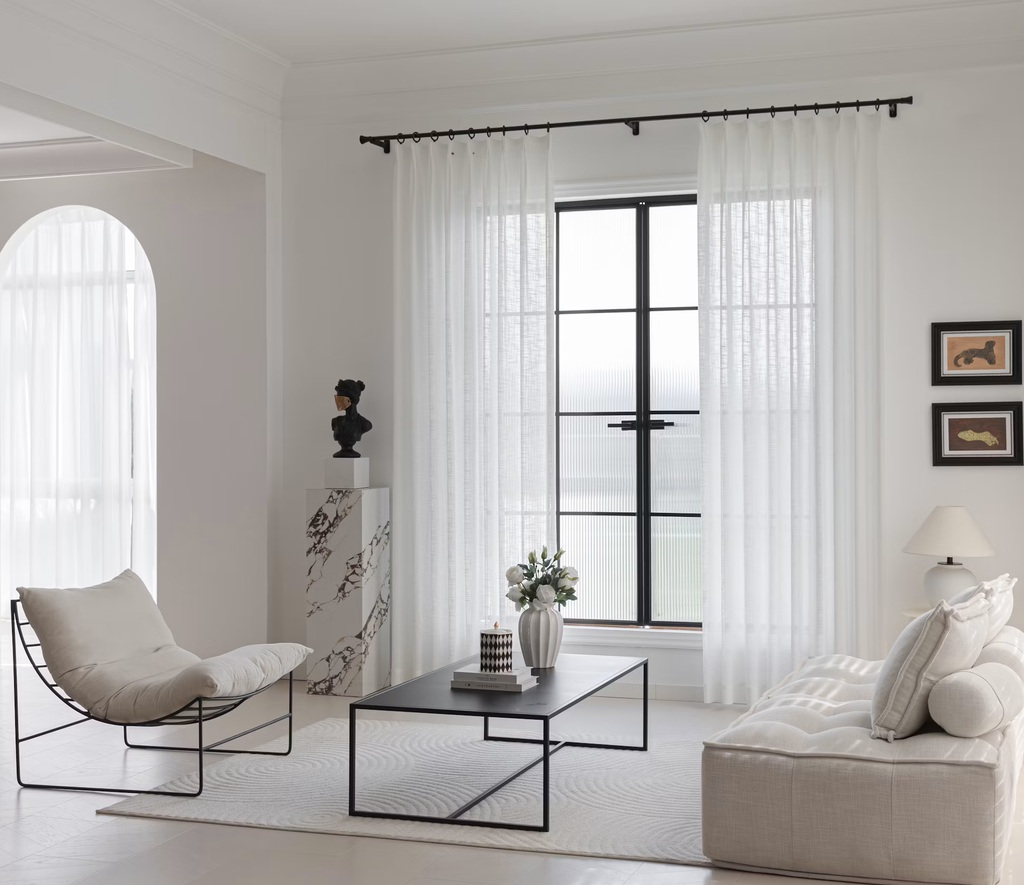
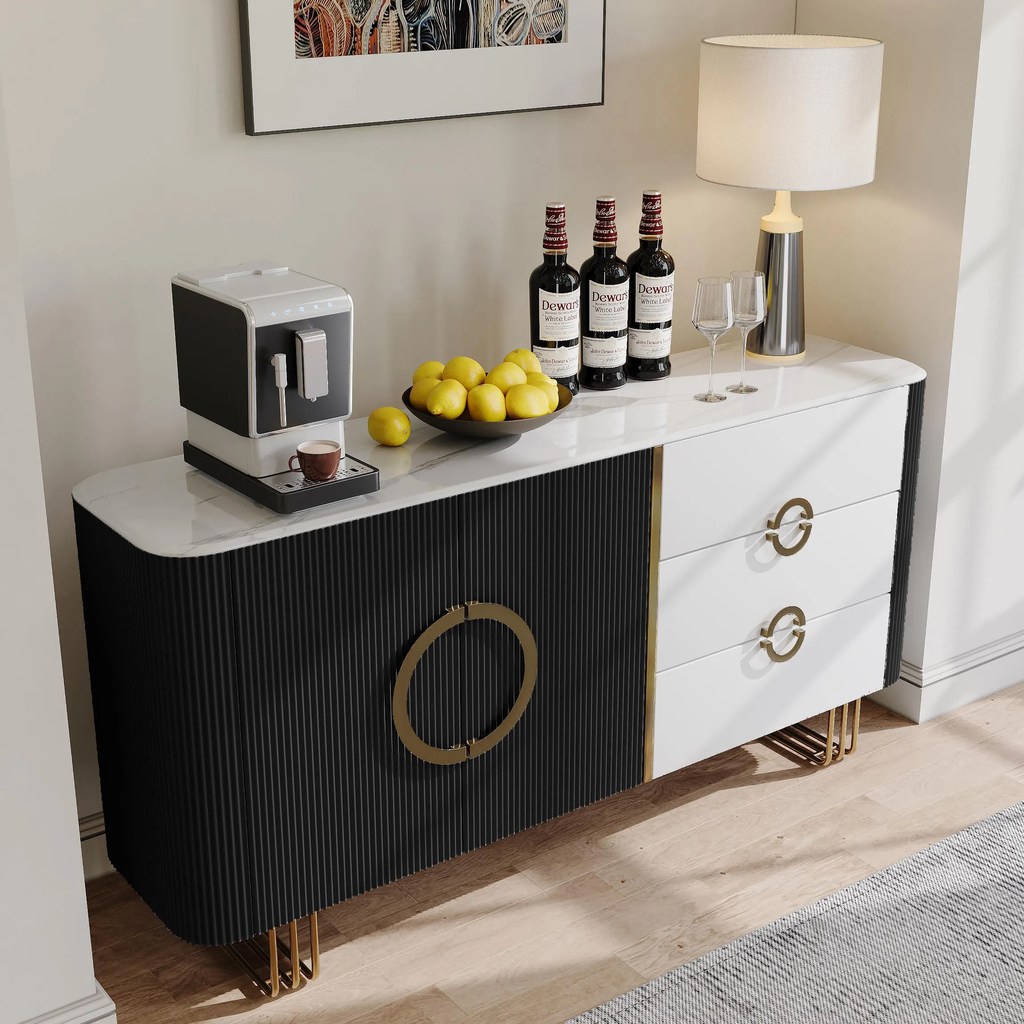
This does not mean every piece must be plain. A rounded coffee table, curved sofa arm, fluted cabinet door, or stone tabletop can still feel minimal when the overall shape is controlled.
Check the Daily Comfort, Not Just the Profile
Thin furniture is not automatically better. A sofa still needs supportive cushions. A dining table still needs comfortable legroom. A TV stand still needs enough depth for devices. Minimalism should remove unnecessary detail, not remove comfort.
A living room used for streaming, reading, and family downtime needs seating that can handle long hours. Clean lines, controlled arms, and quiet upholstery are useful starting points, while minimalist sofa design rules can help with fabric, proportion, and layout decisions.
Match Visual Weight to the Room
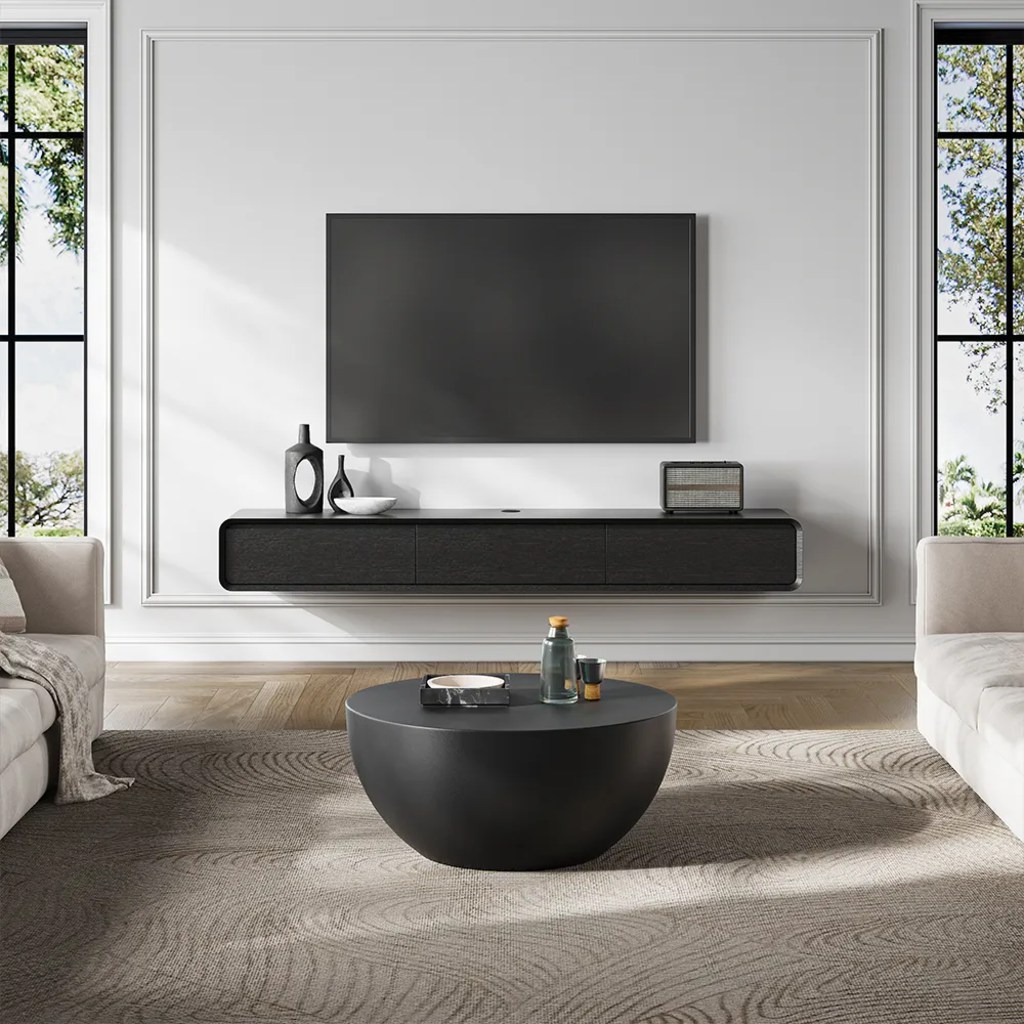
Visual weight is how heavy or light a piece feels to the eye. A solid block cabinet feels heavier than a raised cabinet with slim legs. A glass table feels lighter than a thick stone table. A low-profile sofa can open up a room, while a high-back sofa may feel more grounded in a large space.
The right choice depends on the room. A long wall may need a larger TV stand so the furniture does not look lost. A compact seating area may need a lighter coffee table so movement still feels easy.
Give Everyday Items a Quiet Place
Minimal rooms become difficult when daily items have nowhere to go. Blankets, chargers, remotes, pet toys, coasters, and mail need a home. Closed storage usually works better than open shelving because it hides irregular shapes and mixed colors.
This is where minimalist furniture ideas should stay realistic. A sideboard, storage coffee table, media console, or drawer-based nightstand can keep the room simple without asking you to live like a showroom.
How Can Minimal Furniture Make a Room Feel Warm?
A common mistake is treating minimalism as a white-and-gray formula. That can make a room feel cold, especially in homes with little natural light, hard flooring, or large blank walls. Warmth comes from texture, tone, proportion, and contrast, not from adding more things.
Use these decisions to keep the room simple but livable:
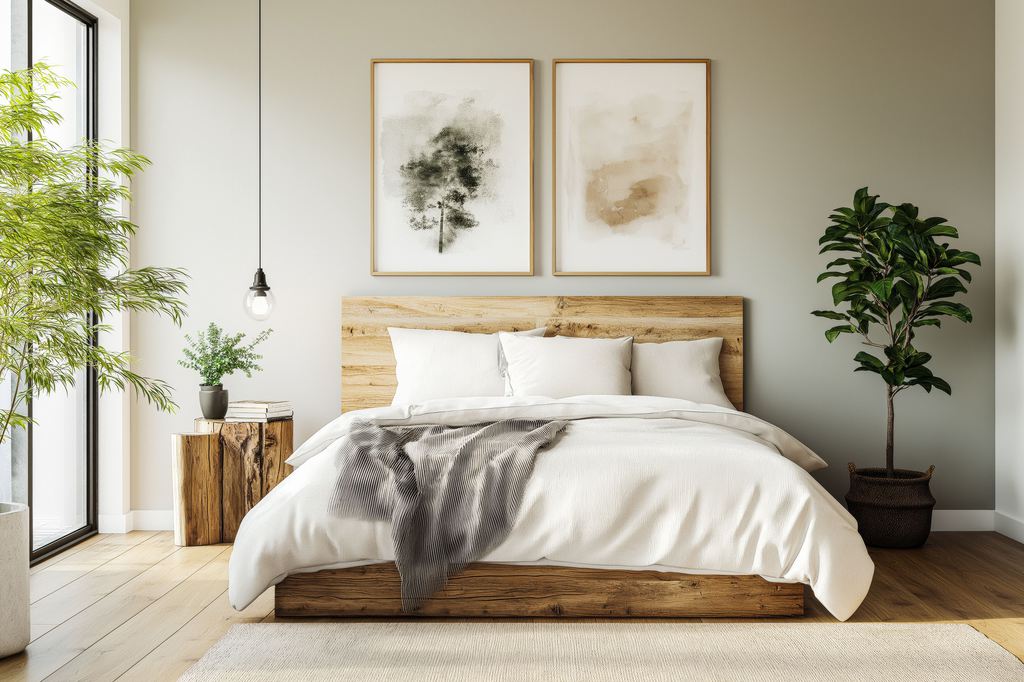
- Choose warm wood tones instead of only white lacquer.
- Mix smooth and textured surfaces, such as stone with fabric or wood with leather.
- Use cream, taupe, greige, soft brown, or muted olive instead of only stark white.
- Add one curved piece if the room has many straight lines.
- Use larger, fewer accessories instead of many tiny objects.
- Let one strong anchor piece carry the room instead of filling every corner.
A narrow apartment living room with a beige sofa, walnut TV stand, low storage coffee table, and one oversized floor lamp can feel complete without looking decorated. The warmth comes from the wood tone, fabric texture, and clean storage, not from extra clutter.
What Should You Check Before Buying Minimal Furniture
Buying minimal furniture is easier when you separate two things: what the piece needs to do, and what could make the room feel empty, cold, or unfinished. The first list helps you buy better. The second helps you avoid common styling problems after the furniture arrives.
Before buying, check:
- Does the piece solve a real daily problem?
- Does it reduce clutter or create another surface for clutter?
- Is the size right for the wall, rug, sofa, or dining zone?
- Is there enough walking space around it?
- Is the material easy to clean for your household?
- Will the color still work if you change rugs, curtains, or wall paint?
- Does the storage match what you actually need to hide?
- Can the piece pass through doors, stairs, and elevators?
- Does it require assembly, or will it arrive ready to use?
Avoid these mistakes:
- Buying only white furniture and expecting the room to feel warm
- Choosing pieces that are too small for the room
- Ignoring storage because open space looks better in photos
- Using too many small accent tables, stools, or shelves
- Picking uncomfortable seating because it has a slim profile
- Mixing too many wood tones without a shared undertone
- Leaving cables, remotes, pet items, and chargers exposed
A clean-lined TV stand may look right in a product photo, but if it has no cable access or too little closed storage, the room can still look messy. A dining table may look minimal, but if the base blocks chairs, it will be frustrating every day. The best pieces look quiet and solve real problems at the same time.
Conclusion
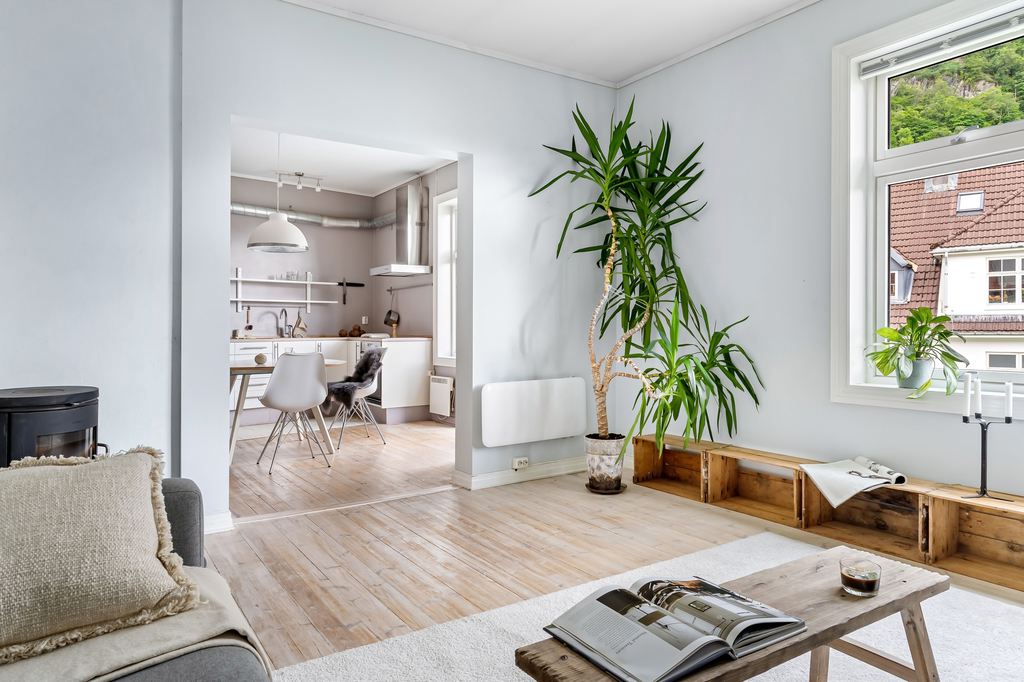
Minimalist furniture works best when it supports real life, not when it makes a room look empty. Start with the large pieces, check scale and comfort, choose materials that add warmth, and use closed storage to control daily clutter. A calm home does not require removing personality. It requires better furniture decisions: fewer visual distractions, stronger anchor pieces, and practical details that make the room easy to reset every day.
FAQ
What lighting works best with a minimalist room?
Soft, layered lighting works best because it keeps the room calm without making it flat. Use warm bulbs, a floor lamp near seating, focused lighting over a dining area, and hidden or indirect lighting where possible. More practical living room lighting ideas can help match lighting to room type and style.
How do I mix minimal pieces with older furniture?
Start by repeating one shared element, such as wood tone, metal finish, leg shape, or neutral upholstery. A clean coffee table, TV stand, or sofa can reduce visual noise even if the room includes older furniture. Avoid replacing everything at once unless the scale is completely wrong.
Is minimalist furniture good for open-plan homes?
Yes, it is often useful in open-plan homes because simple shapes help living, dining, and storage zones feel connected. Repeat one material or color across major pieces, such as oak legs, black metal accents, or cream upholstery, so each zone feels related without becoming a matching set.
How do I keep a minimalist room from looking too empty?
Use fewer pieces, but make each one visually strong enough for the space. A room feels empty when furniture is too small, too flat, or too disconnected. Add warmth through wood, texture, lighting, and one larger anchor piece instead of filling gaps with many small accessories.
Should minimalist furniture all match?
No, it should coordinate rather than match exactly. Matching sets can make a room feel staged or flat. Choose two or three repeated elements, such as warm wood, matte black, cream fabric, or rounded edges. This keeps the room calm while still giving it depth and personality.
Are open shelves bad for a minimalist room?
Open shelves are not bad, but they require editing. They work best for a few large objects, books with similar tones, or daily items in matching baskets. If the shelf holds mixed electronics, toys, paperwork, and small decor, closed storage will usually look calmer and be easier to maintain.


