 By Kate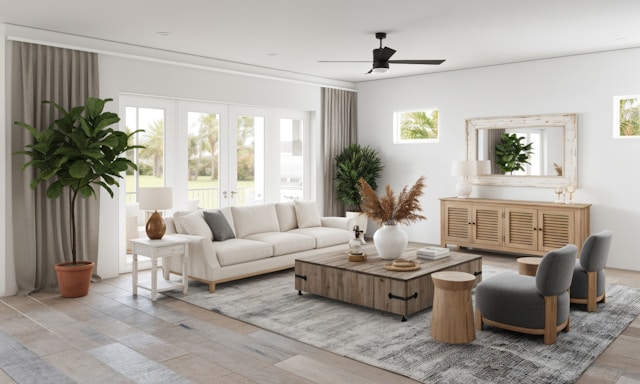
Introduction
If you have ever asked what is contemporary design, the simplest answer is this: it is the design style of now. It reflects how people live today, with clean lines, flexible layouts, functional furniture, natural materials, and a calm but current look. Unlike styles tied to one era, contemporary design keeps changing. That is what makes it useful for real homes. It can feel polished, warm, practical, and personal without locking you into one strict decorating rule.
Table of Contents
What Is Contemporary Design? Key Elements Explained
Before choosing furniture, paint colors, or decor, it helps to understand the basic contemporary design definition. This section breaks down what the style means, why it keeps evolving, and how to recognize it quickly in a real home.
What Does Contemporary Design Mean?
Contemporary design means the design style of the present moment. In home design, “contemporary” means current, flexible, and shaped by how people live today. It reflects modern lifestyles, new materials, changing technology, and a growing need for comfort and function. So, what is contemporary design in practical terms? It is a clean, livable style that feels fresh now, without being tied to one fixed historical period.
Why Does Contemporary Design Keep Changing?
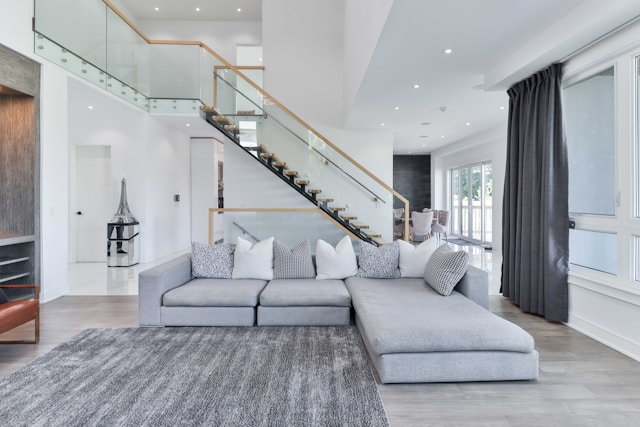
Contemporary design keeps changing because daily life keeps changing. Homes now need to support relaxing, hosting, working, pet care, storage, and screen time, often in the same room. This style can borrow from modern, minimalist, organic modern, Japandi, or industrial design, but it does not copy them completely. The goal is simple: make a space feel fresh, functional, and livable. It is less about rules and more about smart adaptation.
What Are the Key Elements of Contemporary Design?
The main elements of contemporary design are easy to spot once you know what to look for. Most rooms use clean lines, neutral colors, open space, natural light, mixed textures, and useful storage. Shapes may be geometric, curved, or softly sculptural. Materials often include wood, stone, metal, glass, linen, leather, and boucle. A room should feel edited, but not empty; stylish, but still comfortable enough for daily life.
Key features include:
- Clean lines and simple silhouettes
- Neutral colors like white, beige, gray, black, and warm wood
- Open layouts with natural light
- Mixed textures instead of heavy patterns
- One strong focal point, such as art or lighting
- Hidden or streamlined storage
A 5-Second Contemporary Design Checklist
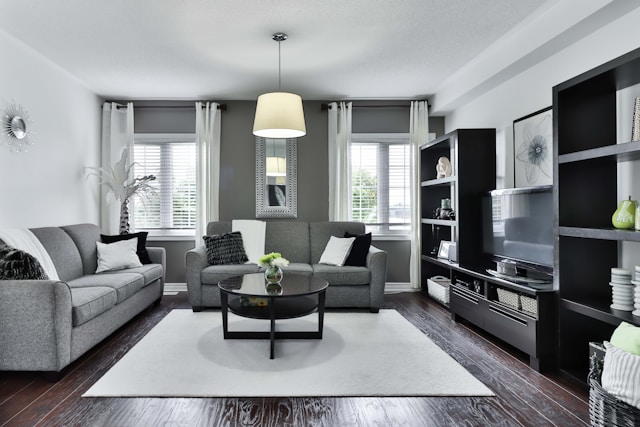
Use this quick test when you look at a room, mood board, or furniture piece. If most answers are yes, the space likely fits the contemporary style. This is especially useful when shopping online, where product photos can look similar but feel different once placed in a home.
- Does the room feel clean but not empty?
- Are the shapes simple but still interesting?
- Is there texture, not just color?
- Does every major piece have a clear purpose?
- Is there one strong focal point?
- Does the space feel current without looking overly trendy?
How Is Contemporary Design Different From Modern Design?
The difference contemporary and modern can be confusing because people often use both words casually. But in interior design, they do not mean the same thing. This section clears up the distinction so you can choose the right direction for your home.
Modern vs. Contemporary at a Glance
Modern design usually refers to a historical design movement, especially early-to-mid 20th-century interiors. It often includes low profiles, warm wood, simple forms, and a more fixed visual language. Contemporary design is more flexible. It reflects what feels current now and can shift as trends, materials, and lifestyles change. When people ask what is contemporary design, they are usually asking about this current, evolving look.
| Feature | Modern Design | Contemporary Design |
|---|---|---|
| Time period | Rooted in the 20th century | Current and evolving |
| Shapes | Clean, low, often angular | Clean, curved, geometric, flexible |
| Colors | Earth tones, wood, white, black | Neutrals plus bold accents |
| Materials | Wood, leather, metal, glass | Wood, stone, metal, fabric, mixed finishes |
| Mood | Classic, structured, warm | Fresh, open, polished, adaptable |
| Best for | Timeless retro-modern homes | Flexible homes that change over time |
What About Minimalist and Mid-Century Modern?
Minimalist design removes as much visual noise as possible. Mid-century modern has a stronger historical identity, with tapered legs, walnut tones, and retro silhouettes. Contemporary design may borrow from both, but it stays more open-ended. A contemporary room can be minimal, but it should not feel cold. It can include mid-century-inspired pieces, but it should not look like a time capsule. Many mid-century modern house designs show how warmth and clean structure can work together without overwhelming a room.
How Can You Bring Contemporary Design Into Your Home?
Once you understand the style, the next step is application. Contemporary design works best when the big choices stay calm and flexible, while smaller details add personality. These steps help you build the look without making the room feel staged.
Start With a Neutral Base
A neutral base gives contemporary rooms their calm, open feeling. Start with walls, rugs, curtains, and large furniture in soft shades like white, cream, beige, taupe, gray, black, or warm wood. This does not mean the room should look plain. It means the background should feel steady enough to support art, lighting, plants, or a sculptural chair. I once styled a small apartment with beige walls and a walnut console, and the room instantly felt larger, even before adding decor.
Choose Clean-Lined, Functional Furniture
If you are wondering what is contemporary furniture design, think simple shape, daily function, and long-term flexibility. Look for smooth silhouettes, comfortable proportions, hidden storage, mixed materials, and pieces that can adapt as your room changes. The Barrett-Power Reclining Sofa has modular seating, a clean profile, and waterproof fabric that supports relaxed, everyday living without making the room look overly casual.
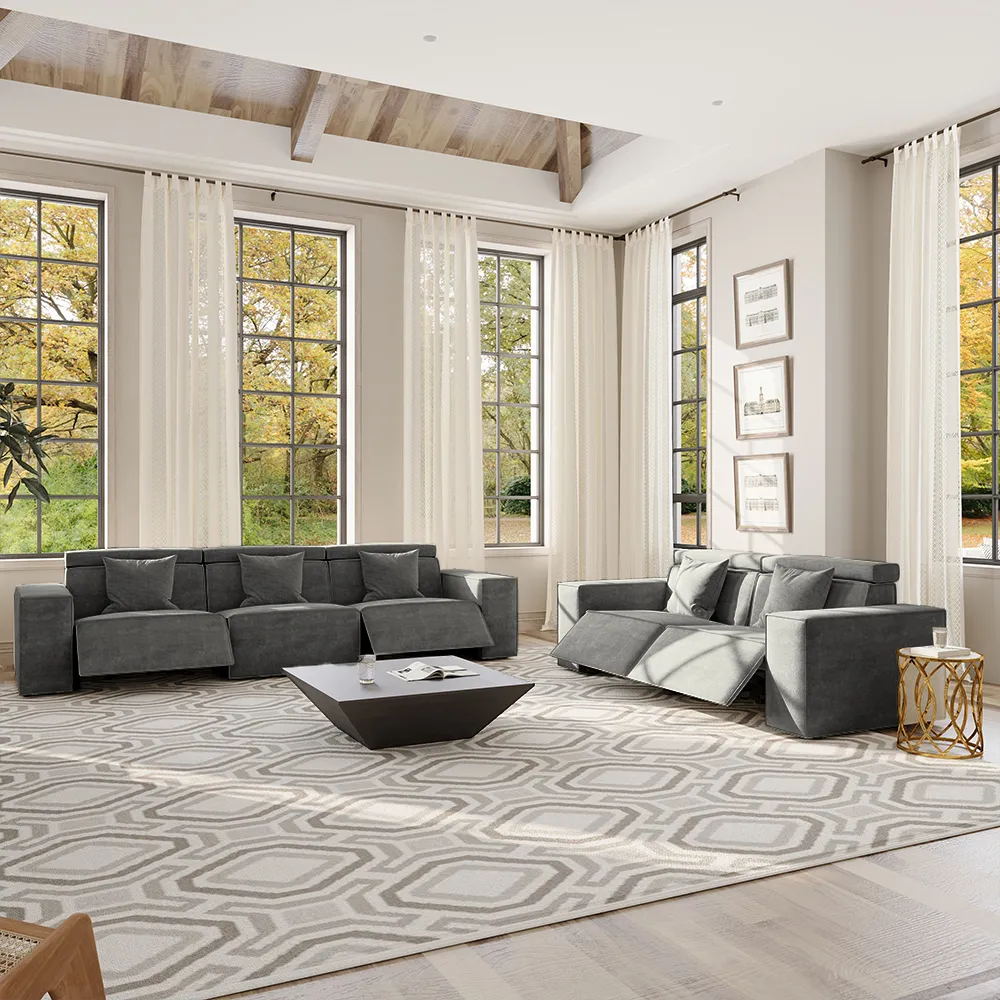
For pet-friendly homes, fabric matters as much as shape. People often search how to get cat hair off sofa after choosing the wrong texture. A tight-weave or smoother performance fabric makes it easier to remove cat hair from furniture and keeps the room looking cleaner between deep cleans.
Add Texture to Avoid a Cold Look
The biggest risk with contemporary design is making the room feel too flat. Texture solves that. Add wood, boucle, linen, stone, leather, woven rugs, plants, or matte ceramics. A soft rug under a sharp coffee table can change the whole mood. If you have pets, texture should still be practical. Knowing how to remove cat hair from couch surfaces matters, but choosing easy-care fabric first saves time later.
Use One Statement Piece
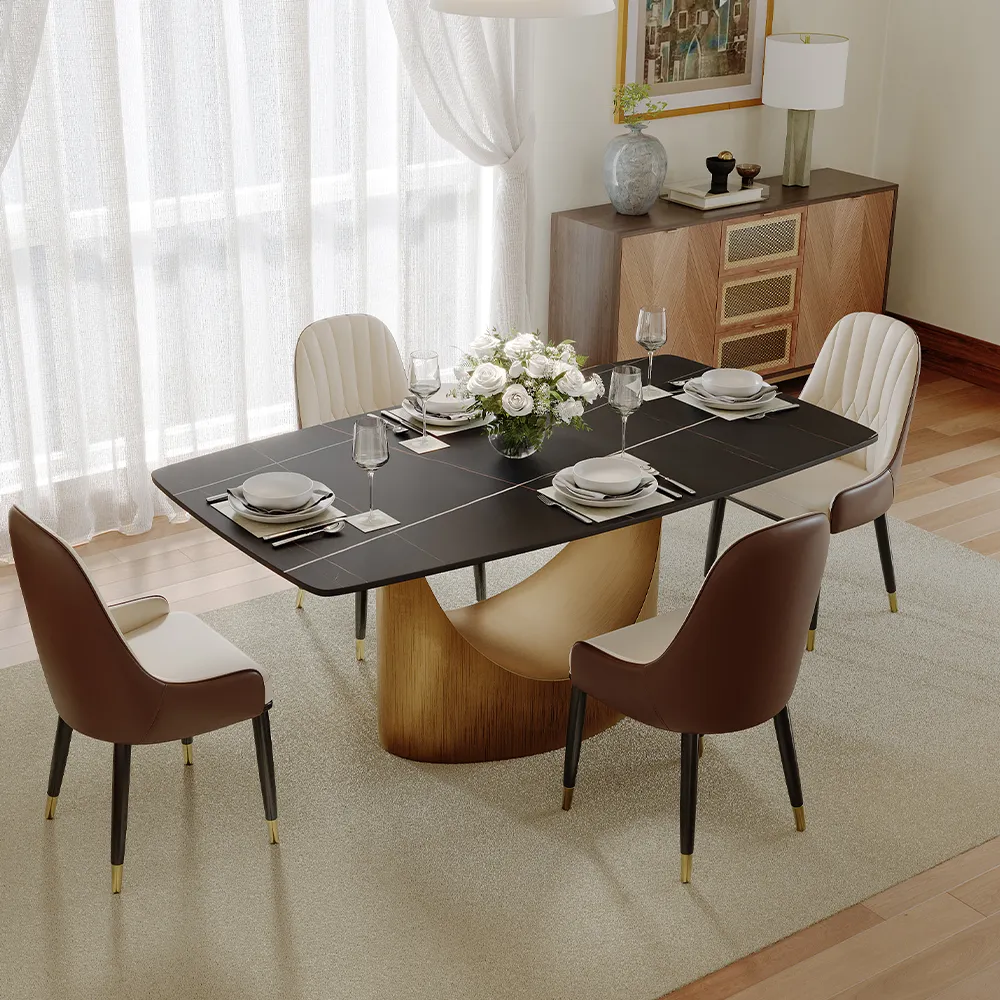
A contemporary room does not need many dramatic items. In fact, too many statement pieces can make the space feel busy. Choose one focal point: a bold pendant light, oversized artwork, sculptural coffee table, curved accent chair, or distinctive dining table. A Rectangular Sintered Stone Dining Table add visual presence while keeping the dining area refined and practical because of the clean stone top and strong base.
Apply It Room by Room
Use formulas instead of copying one look. In the living room, pair a clean sofa with a low table and closed storage. In the dining room, use a simple table, comfortable chairs, and one light fixture. In the bedroom, keep colors quiet and layer soft textiles. In the entryway, choose slim storage and a mirror. In the home office, hide cables and add warm lighting. Many fully assembled coffee tables and TV stands fit contemporary homes because they reduce visual clutter and setup stress.
Why and When Should You Choose Contemporary Design?
Contemporary design is not right for every home, but it is ideal for people who want a space that feels current without becoming difficult to maintain. This section helps readers decide whether the style fits their habits, taste, and lifestyle.
Choose Contemporary Design If…
Choose contemporary design if you like clean rooms but do not want your home to feel cold. It works well for apartments, open-plan living rooms, family homes, and home offices. It is also helpful if you refresh your decor often, because the base can stay neutral while smaller pieces change. If you move frequently or dislike weekend assembly projects, adaptable, finished furniture can make the whole home feel settled faster.
Why It Works for Real Homes
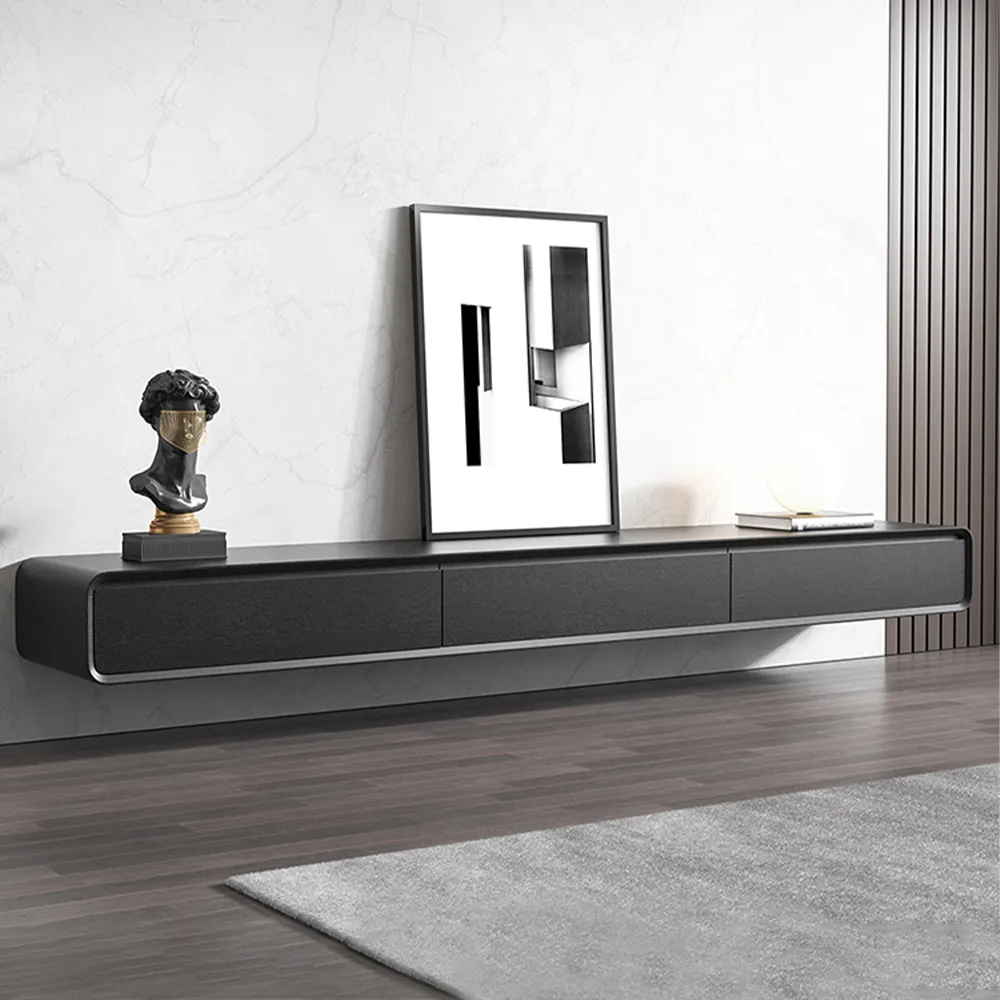
The strength of contemporary design is balance. It looks polished, but it can still support pets, children, guests, and real routines. Contemporary design proves its value in small ways: the remote has a place, the floor is easier to clean, and the sofa still looks neat after pets jump down. If you often need to remove pet hair from couch cushions, streamlined furniture and washable throws make maintenance feel less like a chore. A floating storage piece like the Floating TV Stand keeps the floor visually open while hiding media clutter. That matters when your living room is also a movie zone, play area, and hosting space.
What Common Contemporary Design Mistakes Should You Avoid?
Contemporary design looks simple, but that does not mean it is effortless. The best rooms feel calm because the choices are intentional. Avoiding these common mistakes will help your space feel warm, functional, and personal instead of cold or unfinished.
Mistake 1: Making the Room Too Gray or Too Empty
A gray-on-gray room can quickly feel lifeless. Contemporary design needs contrast, texture, and warmth. If your walls, sofa, rug, and curtains are all the same cool tone, add wood, cream fabric, warm lighting, or a plant with strong shape. Empty space is useful, but too much emptiness can feel like a showroom. The goal is a room that breathes, not a room that feels untouched.
Mistake 2: Choosing Trends Over Daily Use
A piece can look beautiful online and still fail in daily life. Avoid furniture that has no storage, uncomfortable seating, fragile surfaces, or shapes that block movement. Pet owners should also think ahead. Searches like how to get cat hair off a couch and how to get cat fur off furniture usually happen after the wrong upholstery choice. Contemporary design works best when style and function support each other from day one.
Conclusion
Contemporary design is not one fixed look. It is a flexible way to create a home that feels current, functional, warm, and personal. Start with a neutral base, choose clean-lined furniture, add texture, and use one or two focal points with care. If you are still asking what is contemporary design, remember this: it should make your home feel easier to live in today, while giving you enough freedom to refresh it tomorrow.
Q&A
Can contemporary design work in a small apartment?
Yes. Contemporary design works especially well in small apartments because it favors clean lines, open space, hidden storage, and flexible furniture. Use light colors, slim profiles, mirrors, and fewer but better pieces. Avoid overdecorating, and let natural light become part of the design.
What materials are best for contemporary furniture?
Wood, metal, stone, glass, leather, linen, boucle, and performance fabric all work well. The best choice depends on your lifestyle. For families or pet owners, durable finishes and easy-clean upholstery matter just as much as appearance. Mixed materials usually make the space feel richer.
Does contemporary design have to be expensive?
No. You can create the look by focusing on shape, color, and layout before price. Start with a neutral base, remove clutter, upgrade lighting, add texture, and choose one strong furniture piece. Small changes can make a room feel contemporary without replacing everything.
How do I keep a contemporary room from looking boring?
Use contrast and texture. Pair smooth surfaces with woven rugs, soft throws, wood grain, plants, sculptural lighting, or bold artwork. Keep the color palette simple, but vary the materials. A contemporary room should feel calm, not flat or unfinished.
Is contemporary design good for homes with pets?
Yes, if you choose practical materials. Look for tighter-weave fabrics, raised storage, washable covers, and furniture with fewer dust-trapping gaps. Keep throws and grooming tools nearby. A clean-lined contemporary room can stay stylish while still working for cats, dogs, and daily messes.


[…] Contemporary + Art Deco Accents […]