 By Kelvin
Introduction
Choosing between a console table and a coffee table is less about style than location, reach, and daily use. This console table vs coffee table comparison explains what each piece does, whether one can replace the other, and how to choose for a compact, open-plan, or conventional living room. You will also find practical measurements, layout tests, and buying checks, so you can decide whether your room needs a central surface, an edge surface, or both without adding furniture that gets in the way.
Table of Contents
What Is the Real Difference Between a Console Table and Coffee Table?
The main difference is where the table works. A coffee table sits within seated reach and supports drinks, remotes, snacks, and shared activities. A console table stands along a wall or behind a sofa, where it provides display, drop-zone, or boundary space. In a console table vs coffee table decision, placement matters before appearance.
| Decision point | Coffee table | Console table |
| Typical position | In front of or within a seating group | Against a wall or behind a sofa |
| Typical height | Close to the sofa seat height | Close to the sofa-back or entryway height |
| Surface access | Reachable while seated | Usually reached while standing |
| Main function | Drinks, remotes, snacks, games, lift-top work | Display, keys, lamps, storage, room division |
| Space requirement | Uses open floor inside the seating zone | Uses a narrow strip along the room edge |
| Replacement potential | Can sometimes cover display or storage needs | Rarely replaces a seated-use surface |
This functional difference also explains the terminology around a sofa table vs coffee table. A sofa table is usually a console-height table placed behind a sofa; it is not a low table designed for seated reach. The terms “sofa table” and “console table” may overlap, while a coffee table remains a separate category. Understanding the main types of tables for living room layouts helps prevent buying two pieces that perform the same job.
Can a Console Table Really Replace a Coffee Table?
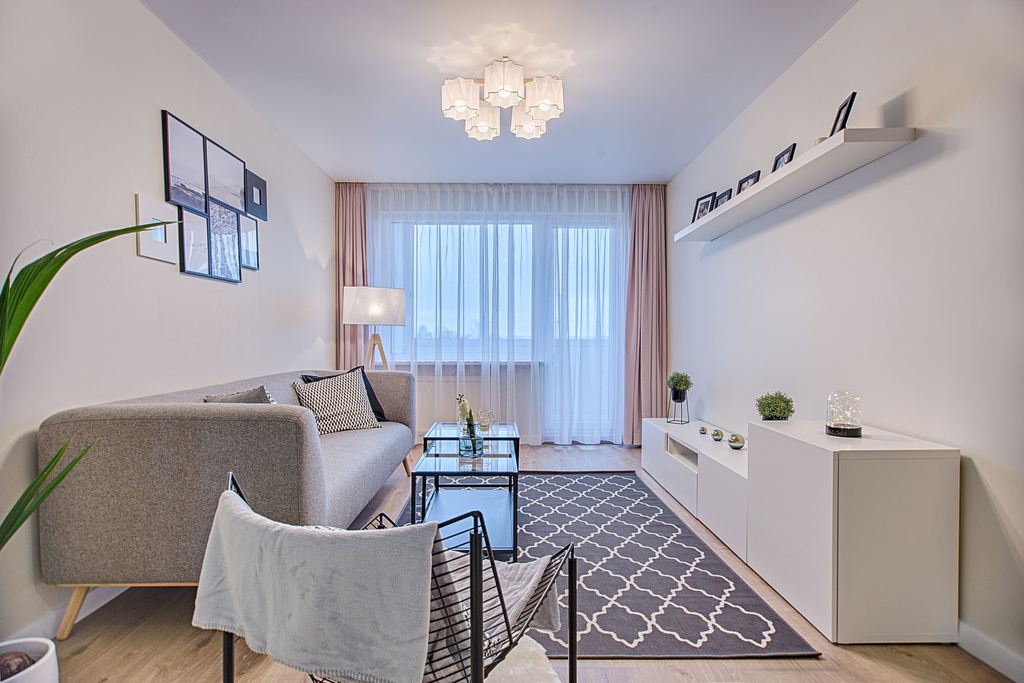
Usually, no. A console table can replace a coffee table only when the household does not need a shared surface within seated reach. Moving the surface behind the sofa may free the center of a small room, but it also means standing up to set down a drink, reach a remote, or use a laptop. The tradeoff should be tested during normal routines.
A console may work as the only table when:
- The seating area is mainly used for conversation or reading.
- Side tables already serve every regular seat.
- The center of the room is part of a walkway or play area.
- The sofa floats in an open-plan room and needs a visual boundary.
- Drinks and electronics do not need a shared central surface.
Keep a coffee table when people regularly eat, work, play games, or place drinks in front of the sofa. A lift-top or storage model can also consolidate functions that would otherwise require extra furniture. If the room needs seated reach but feels crowded, changing the coffee table’s shape or size is usually more practical than removing it entirely.
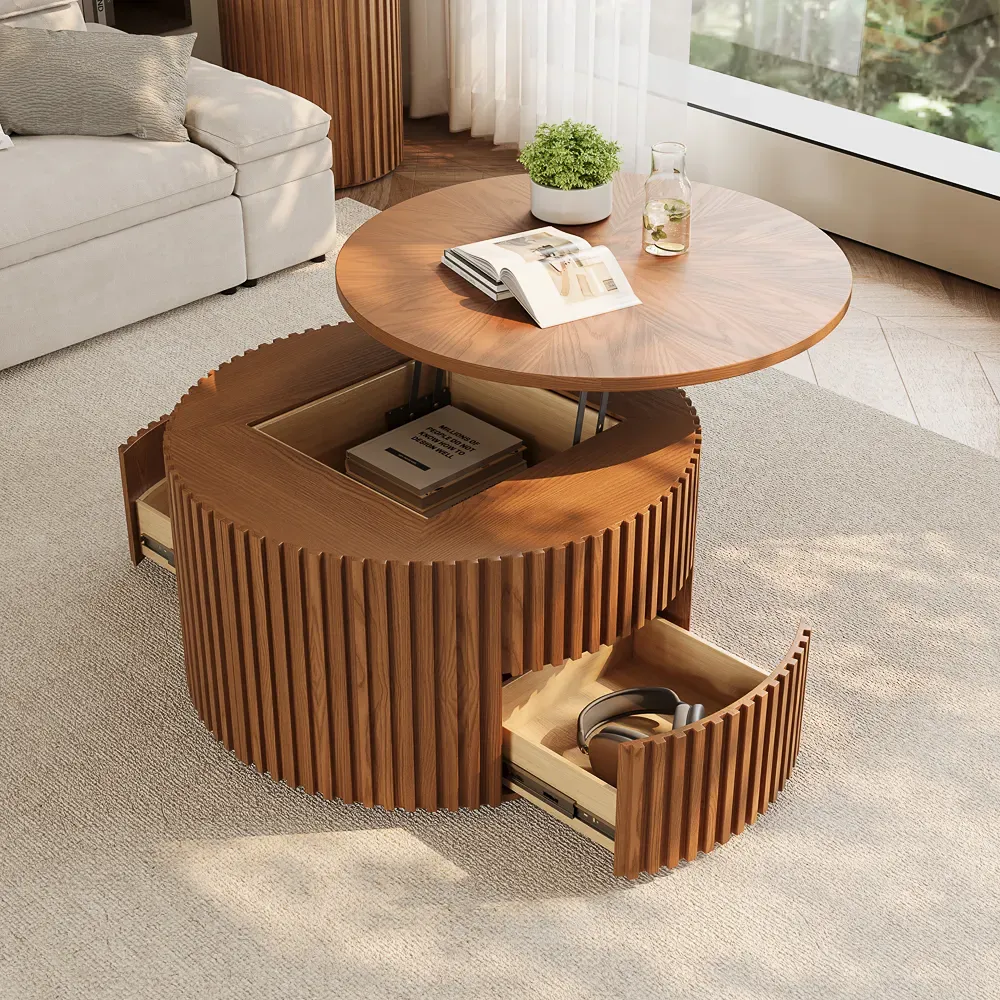
For a compact seating area where removing the center table would sacrifice both storage and a usable surface, the Silva Lifting Top Round Coffee Table keeps those functions within one round footprint. Its top lifts from 16.9 to 23.2 inches for closer access, while a hidden compartment and two drawers contain everyday items. The fully assembled design also avoids an additional setup step.
Silva Lifting Top Round Coffee Table
Round lift-top storage keeps everyday items within reach in compact rooms.
👍 Best for: Compact multifunctional seating areas
✨ 16.9–23.2-inch lift-top range
✨ Hidden storage and two drawers
✨ Fully assembled round design
Which Table Works Better for Your Living Room?
Choose according to the problem the room needs to solve. A coffee table supports activity inside the seating group; a console table supports the room’s edge, an entry route, or the back of a floating sofa. The right answer may be one table, both tables, or neither if side tables and existing storage already cover the same functions.
Choose a coffee table when seated access is the priority. It suits a sofa facing a television, a sectional with several users, or a living room where the central surface supports drinks, games, and occasional laptop use. Round tables reduce projecting corners in multi-directional routes, while rectangular tables can serve a long sofa more evenly.
Choose a console table when the room needs an edge surface. It works well in an entryway, beneath wall art, behind a floating sofa, or along a wall that cannot accommodate deep storage. In an open-plan apartment, a slim console behind the sofa can hold a lamp and chargers while helping separate the seating area from the dining zone.
When comparing a console table behind sofa vs coffee table, decide which direction the surface should serve. The console serves people approaching from behind or standing beside the sofa; the coffee table serves people already seated. Behind-sofa table ideas for open layouts are most useful when the sofa back faces a walkway or another activity zone.
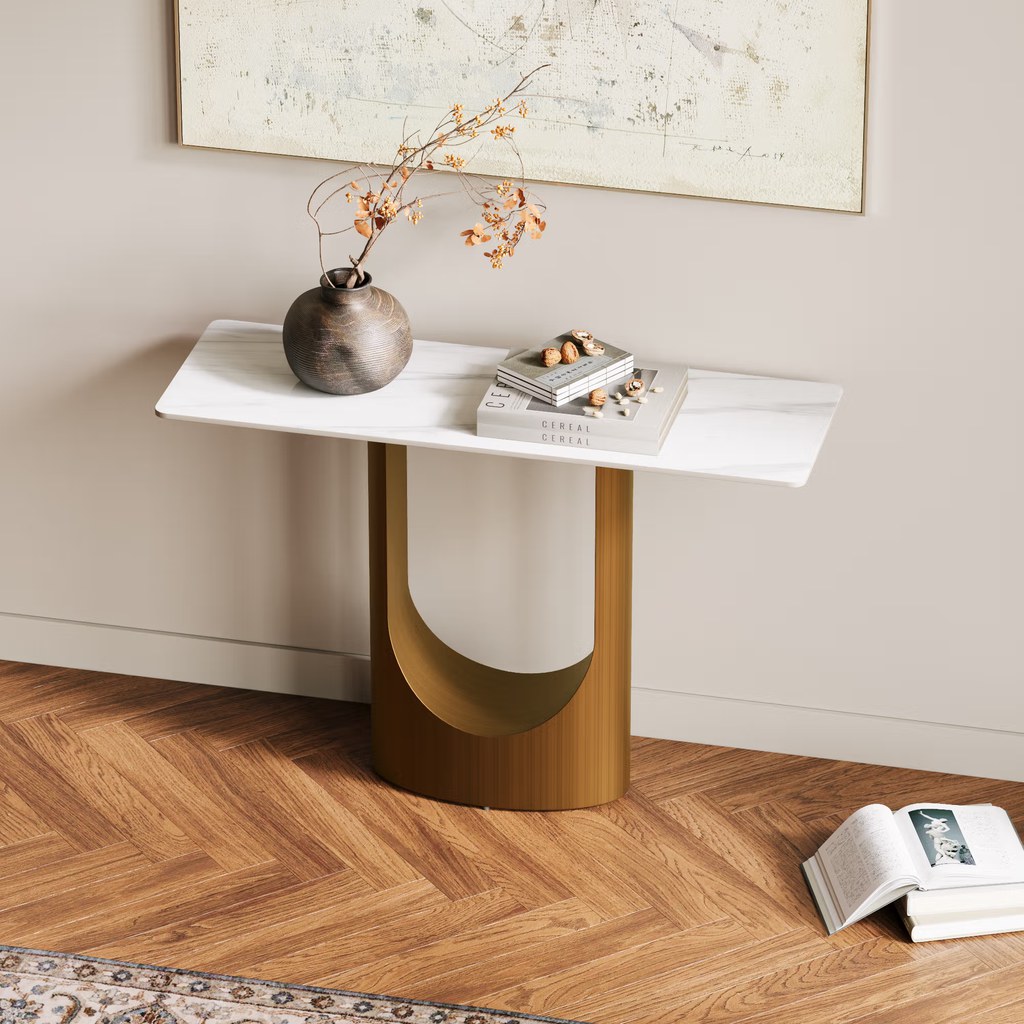
Where a room needs a standing-height surface without giving up much floor depth, the Hobart Modern Sintered Stone Console Table uses a 15.75-inch-deep profile that suits entryways and sofa backs. Its glossy sintered stone top provides a wipeable display surface, while the curved bronze-finished base adds visual presence without turning the console into a deep storage cabinet.
Hobart Modern Sintered Stone Console Table
Slim stone-topped profile adds useful surface space without crowding narrow routes.
👍 Best for: Narrow entryways and sofa backs
✨ 15.75-inch-deep profile
✨ Glossy sintered stone top
✨ Curved bronze-finished base
How Should You Measure Before Choosing?
Measure the furniture in use, not only its closed or empty footprint. A paper or painter’s-tape outline on the floor reveals whether a coffee table interrupts the route to the sofa. For a console, mark the full depth and test the remaining passage after adding stools, baskets, or decor that may extend beyond the top.
Use this buying check before deciding between a coffee table or console table:
- Measure seated reach. A coffee table should be close enough to use without repeatedly leaning or standing. About 14–18 inches between the sofa and table is a common starting point, but arm length, seat depth, and household mobility should guide the final distance.
- Check the table height. A coffee table usually works near the sofa-seat height. A behind-sofa console should stay close to or below the sofa back so it does not appear top-heavy from the front.
- Protect the main walkway. Mark the table at its widest and deepest points, including curved bases or projecting legs. Walk through the room while another person is seated.
- Test moving parts. Open drawers, lift the coffee-table top, recline the sofa, and confirm that doors and storage remain usable without moving another piece first.
- Account for objects and cables. Lamps, chargers, trays, and decor can change the usable surface and may extend into the route. Confirm outlet access before placing a console behind a sofa.
For readers deciding how to pick a coffee table for a living room, the most useful test is whether its full footprint supports seated use without becoming part of the main traffic path. A smaller table is not automatically better if it becomes too difficult to reach.
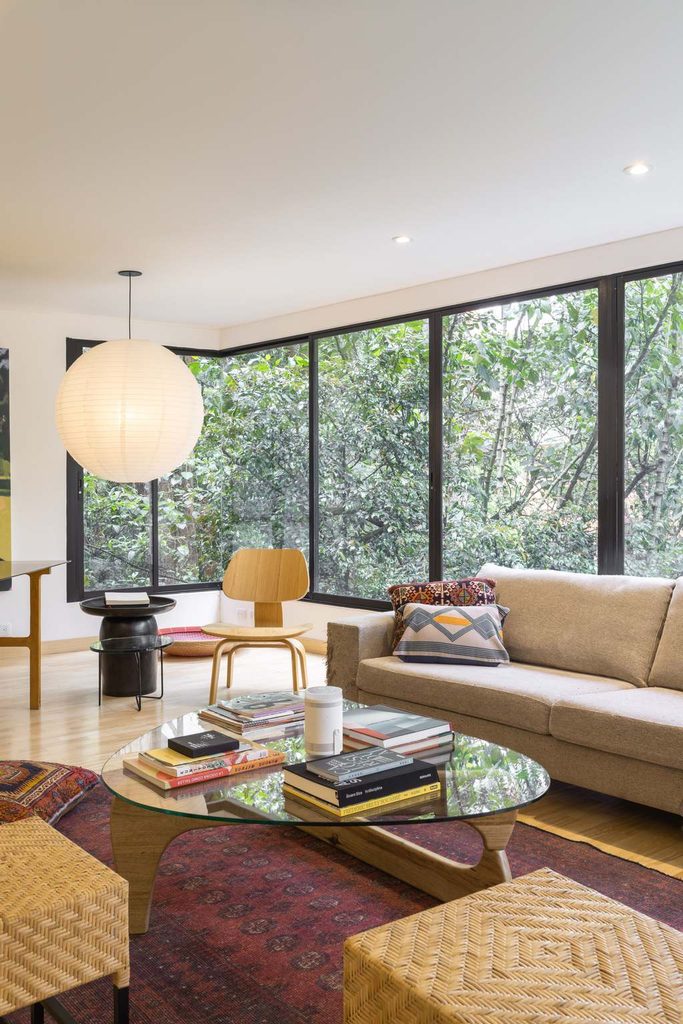
Conclusion
The console table vs coffee table decision comes down to where the surface is needed and who must reach it. Choose a coffee table for shared, seated use; choose a console for a wall, entryway, or sofa back. A console can replace a coffee table when side tables already support the seats and an open center matters more than central access. Before buying, tape out the footprint, test normal movement, and check moving parts. The right table should solve a specific layout problem instead of simply filling open floor.
Frequently Asked Questions
Do Coffee and Console Tables Need to Match?
No. Coordination matters more than an exact match. Repeat one element, such as the wood tone, metal finish, or edge shape, while varying the others. When both tables are visible from the same seating area, keep their visual weight similar so one does not make the other appear undersized or excessively bulky.
Can a Console Table Go Under a Wall-Mounted TV?
Yes, if its dimensions and construction suit the setup. Keep the console shallow enough to preserve the walkway, confirm the top can support connected equipment, and leave ventilation space around media components. Route cables along the wall rather than across the floor, and anchor narrow models when drawers or heavy devices could create a tipping risk.
Which Table Surface Is Easier to Maintain?
Maintenance depends more on the surface than the table type. Coffee tables face more spills, heat, and frequent wiping, so sealed wood, sintered stone, or another nonporous material is practical. Consoles used mainly for display can support more delicate finishes. Avoid untreated wood or fingerprint-prone glass in high-traffic homes unless regular upkeep is acceptable.
Which Table Is Safer in a Home With Children?
Neither is automatically safer. For a coffee table, prioritize rounded corners, a stable base, and an easy-clean finish. A tall, narrow console presents greater tip-over risk, so use the manufacturer’s anti-tip hardware. Avoid loose glass decor on both tables, and keep lift-top mechanisms closed when children are playing nearby.
Can a Console Table Double as a Desk?
Sometimes, but mainly for occasional work. Look for a console around standard desk height, at least 16 inches deep, with open knee space and enough width for a laptop and task light. Drawers or crossbars can restrict legroom, while a shallow top limits screen distance. Confirm chair clearance and outlet access before buying.


[…] set. Start with the surface that solves the room’s most frequent problem, whether that is a shared coffee table, a compact side table, flexible nesting pieces, or a console behind the sofa. Measure every table in both its resting and working positions, then add another piece only when it […]