 By Kelvin
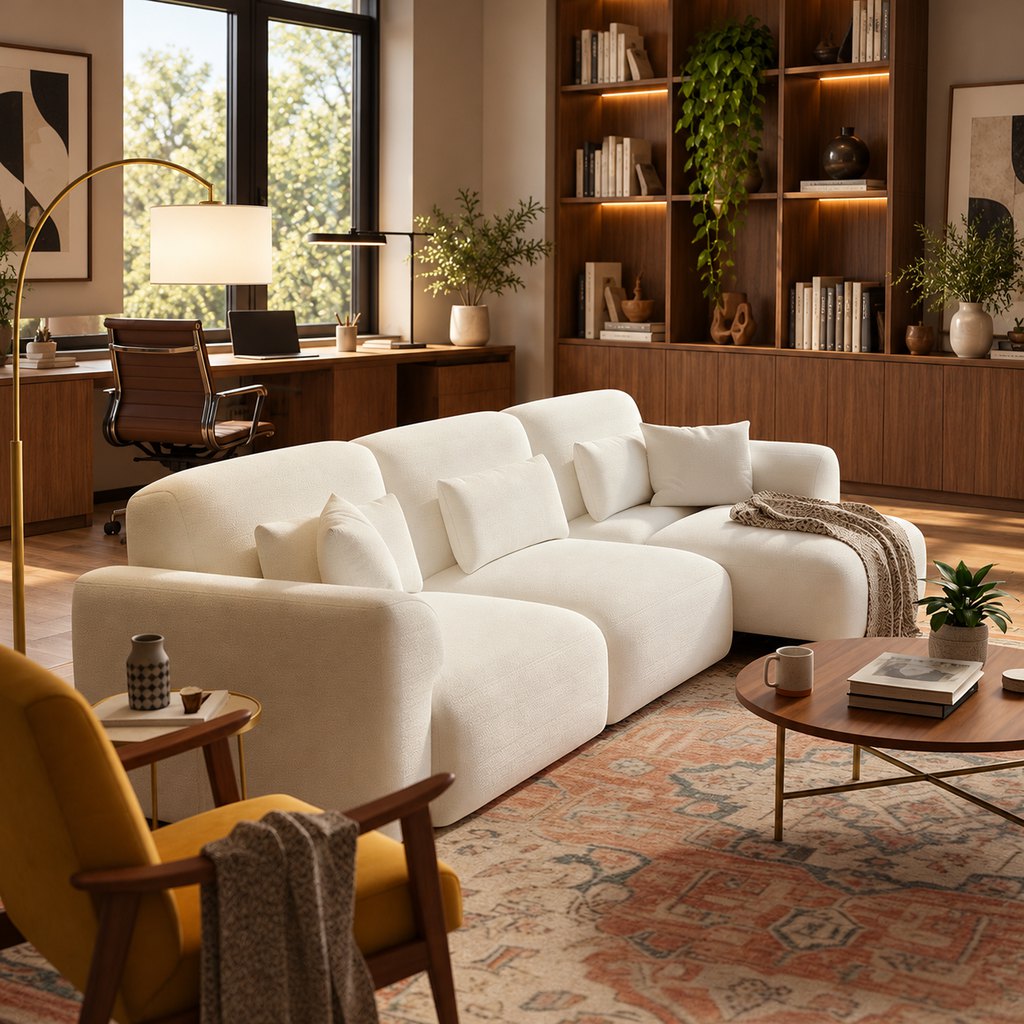
A small guest bedroom needs to do more than fit a bed. It should also leave room for guests to open the door, access a wardrobe, unpack a suitcase, and move around comfortably. The right furniture arrangement can make these tasks easier without overcrowding the room. These small guest bedroom ideas explore five practical layouts, compare fixed beds with sofa beds, and show how to plan storage and walking space around the room’s existing doors, windows, and closet.
Table of Contents
How Should You Plan a Small Guest Bedroom Before Choosing Furniture?
Start by measuring the room and identifying its fixed features before deciding where the bed should go. A layout that looks spacious in a photo may not work once the wardrobe door opens or a suitcase occupies the floor.
Check these details first:
- Room dimensions: Measure the length and width of the usable floor area, including any alcoves or recessed sections.
- Door swing: Mark the space occupied by the bedroom door when fully open. Avoid placing a bed or side table in its path.
- Windows and outlets: Keep windows accessible for ventilation and curtains, and check whether bedside outlets remain reachable.
- Wardrobe access: Account for hinged doors, sliding panels, and drawers that need room to open.
- Walking routes: Preserve a clear route between the entrance, bed, and storage areas.
Next, list the furniture you actually need. A bed, a small bedside surface, and accessible clothing storage may be enough for occasional visitors. A dresser, desk, or extra chair should only be included if the remaining space supports it.
For a more complete breakdown of choosing furniture for a guest room, consider how often the room is used and whether each piece serves a daily purpose or only occasional hosting needs.

Which Bed Works Best in a Small Guest Bedroom?
The best bed depends on how frequently guests stay and what the room needs to do when nobody is visiting. A permanent bed provides an always-ready sleeping space, while convertible furniture can leave more room for daytime activities. Compare the options by their actual footprint and how much effort they require to prepare.
| Bed Type | Best For | Main Space Consideration |
| Fixed Bed | Frequent overnight guests | Occupies floor space every day |
| Daybed | Single guests and daytime seating | Permanent bed footprint |
| Sofa Bed | Occasional guests and flexible seating | Requires room to extend |
| Murphy Bed | Rooms needing open floor space | Needs folding and installation clearance |
Fixed beds are straightforward for households that regularly host overnight visitors. A twin or full bed may leave more room for other furniture than a larger option, but the frame’s external dimensions matter more than the mattress size alone.
Daybeds work well when the room also serves as a reading area or occasional sitting space. They provide a permanent sleeping surface without requiring a separate conversion mechanism.
Sofa beds suit rooms that need useful seating during the day. They can function as a lounge or sitting area and provide an additional sleeping surface when visitors arrive. However, their open configuration must fit without blocking the entrance or wardrobe.
Murphy beds can free up floor space when folded, but installation requirements, wall structure, and opening clearance need to be considered before purchase.
If a sofa bed is under consideration, compare different sofa beds for guest rooms based on their sleeping configuration, conversion method, dimensions, and intended frequency of use rather than appearance alone.

5 Small Guest Bedroom Layouts for Different Room Shapes
The most practical layout depends on which walls are available and where the room’s fixed features are located. A bed that works along one wall may obstruct a wardrobe in another room. These five arrangements address different constraints, from narrow floor plans to rooms where flexible seating is more useful than a permanent bed.
1. Place a Fixed Bed Along the Longest Clear Wall
Best for: Rectangular rooms with one uninterrupted wall.
Placing a fixed bed along the longest available wall creates a straightforward starting point for the rest of the furniture. Position the headboard against the wall and keep the main route from the bedroom door open.
A small bedside table can sit beside the accessible side of the bed. If there is insufficient room for a conventional nightstand, use a narrow wall-mounted shelf instead.
Keep the wardrobe on a separate accessible wall whenever possible. This arrangement works particularly well when the bedroom door is near one corner and the window occupies the opposite side.

2. Use a Corner Bed Layout in a Narrow Guest Room
Best for: Narrow rooms with limited wall space.
Moving a twin or appropriately sized full bed into a corner can free up floor area for a narrow dresser, luggage stand, or small seating surface.
This arrangement sacrifices access to one side of the bed, so it is more suitable for single guests than couples. Keep the accessible side clear enough for someone to get in and out without moving other furniture.
Avoid placing the bed where it blocks a window or makes the wardrobe difficult to reach. A compact bedside shelf above the accessible side can provide a place for a phone, glasses, or reading light without adding another piece of furniture.

3. Position the Bed Without Blocking the Window
Best for: Rooms where windows occupy the main usable wall.
When a window limits your furniture placement, position the bed perpendicular to it or along an adjacent wall instead of automatically placing the headboard underneath it.
This keeps curtains accessible and allows natural light to reach more of the room. If the bed must sit near a window, check the curtain length, window opening, and any nearby heating or ventilation features before finalizing the arrangement.
Choose lower-profile bedside furniture to avoid creating a crowded appearance. A wall-mounted reading light can also replace a floor-standing lamp and keep the bedside area more open.

4. Place a Sofa Bed Along the Main Wall for Flexible Use
Best for: Guest rooms that also serve as everyday sitting areas.
A sofa bed placed against the longest suitable wall can provide a comfortable daytime seating area without keeping a separate bed permanently open. Before choosing this layout, check the furniture’s closed dimensions and the full space needed when its sleeping configuration is extended.
For a room that needs flexible seating most days and occasional overnight accommodation, the Aurora Power Sofa Bed offers one-touch seat-depth adjustment from 27 to 45.5 inches. Its zero-distance wall-placement design helps reduce rear-clearance concerns, while its chenille upholstery suits an everyday sitting area. The front extension area and walking route still need to be measured before placement.

Aurora Power Sofa Bed
One-touch extension supports everyday seating and occasional overnight guests in compact rooms.
👍 Best for: Flexible seating and occasional guests
When comparing power sofa beds that support flexible seating and guest sleeping, also consider the adjustment mechanism, available seating depth, and the amount of space needed in front of the furniture.
5. Keep the Wardrobe Accessible in a Sofa Bed Layout
Best for: Rooms where the closet is close to the entrance or main furniture wall.
In some small bedrooms, the wardrobe occupies the only wall long enough for a sofa bed. Instead of placing the sofa directly in front of it, position the furniture so its extension area does not overlap the wardrobe’s opening space.
For hinged wardrobe doors, check the full door swing. For sliding doors, make sure the panels can move freely and provide access to the sections guests need.
A small open area beside the wardrobe can also serve as a temporary luggage spot. This keeps suitcases away from the sofa bed’s extension path and allows guests to access their clothes without rearranging furniture.

How Can You Make Room for Luggage, Clothing, and Guest Essentials?
Storage should support the guest’s actual routine without introducing bulky furniture that makes the room harder to use.
Luggage storage: A folding luggage rack can be brought out when guests arrive and stored afterward. If there is no room for one, reserve an accessible section beside the wardrobe or at the foot of the bed.
Clothing storage: Leave a few empty hangers and a shelf or drawer available. Wall hooks can hold coats, bags, and frequently used clothing without requiring another cabinet.
Bedside essentials: A narrow shelf or compact table can hold a phone, glasses, and a water glass. Wall-mounted lighting helps keep the surface free for personal belongings.
A guest room does not need a large collection of storage furniture. The goal is to provide a few accessible places for belongings while preserving the space needed to move around.
For households that need sleeping arrangements without committing to a permanent bed, other guest bed ideas for small spaces can also help compare convertible and temporary options.

What Should You Measure Before Finalizing Your Guest Room Layout?
A furniture layout should work in use, not just on paper. Before purchasing anything, measure the furniture itself and mark its occupied area on the floor. Painter’s tape is a simple way to check whether a bed, sofa bed, or wardrobe will interfere with other furniture.
Use this checklist:
| What to Measure | Why It Matters |
| Room dimensions | Confirms how much usable floor space is available |
| Bed frame dimensions | Includes the frame beyond the mattress |
| Bedroom door swing | Prevents collisions with furniture |
| Wardrobe and drawer clearance | Keeps clothing storage accessible |
| Sofa bed’s full extended configuration | Confirms the sleeping area can open properly |
| Luggage placement | Prevents suitcases from blocking walking routes |
For example, the Aurora Power Sofa Bed measures 83 inches wide and 41 inches deep in its listed overall dimensions. Its adjustable seat depth ranges from 27 to 45.5 inches. These figures help with initial planning, but the adjustable seat-depth measurement should not be treated as the complete extended footprint. Confirm the full operating configuration before finalizing the room layout.
Once the furniture outlines are marked, simulate opening the bedroom door, accessing the wardrobe, and placing an open suitcase in the reserved area. If any of these actions require moving a heavy piece of furniture, revise the arrangement before buying.
Conclusion
The most useful small guest bedroom ideas balance sleeping space, storage, and everyday movement rather than simply fitting as much furniture as possible. Start with the room’s doors, windows, and wardrobe, then choose a fixed bed or sofa bed based on how often guests stay and how the room is used the rest of the time. Measure every furniture configuration before purchasing, especially when a convertible piece needs additional space to open. A thoughtful layout makes a small guest room easier to use for both hosts and visitors.

Find the Right Sofa Bed for Your Guest Room
Explore sofa bed designs for different room sizes, layouts, and everyday needs.
Q&A: Small Guest Bedroom Ideas
Can a Queen Bed Fit in a Small Guest Bedroom With a Wardrobe?
Yes, if the room has enough usable floor space for the bed frame, wardrobe access, and a practical walking route. Measure the frame rather than relying only on mattress dimensions. If the bed overlaps the wardrobe’s opening area, consider a smaller bed or a different orientation.
Are Sliding Closet Doors Better for a Small Guest Bedroom?
Sliding closet doors can reduce the floor space needed for door swings, making them useful when a bed or sofa sits nearby. However, the panels still need room to slide, and only part of the wardrobe may be accessible at once. Check whether guests can reach the hanging and storage sections comfortably.
Should You Store a Suitcase Under the Bed in a Small Guest Bedroom?
Under-bed storage can work if the suitcase fits without forcing and the available clearance accommodates its wheels and handle. Avoid placing luggage near moving or adjustable furniture mechanisms. For beds with limited clearance, a folding luggage rack or designated corner may be easier to access.
Does a Small Guest Bedroom Need a Dresser?
Not necessarily. If guests have access to wardrobe shelves, hangers, or a few empty drawers, a separate dresser may take up unnecessary floor space. For longer visits, additional clothing storage becomes more useful. A narrow drawer unit is worth considering only if it does not block other furniture.
Is a Sofa Bed Suitable for Guests Staying Several Nights?
A sofa bed can accommodate multi-night visits if its sleeping surface provides suitable support and enough room for the guest. Check cushion gaps, surface firmness, bedding fit, and conversion steps before purchasing. For frequent or extended stays, compare the sleeping comfort with that of a dedicated bed.


