 By Kelvin
A futon can provide both a seat and a place to sleep, but that combination does not work for every room. If yours feels awkward as a daily couch, takes effort to open, or no longer suits your guests, the right replacement depends on which job matters most. These futon alternatives cover everyday seating, occasional overnight stays, and beds that can be stored between visits. Here, “futon” means the framed sofa-style furniture commonly sold in the U.S., rather than a Japanese floor mattress.
Table of Contents
What Do You Still Need Your Futon to Do?
Before comparing furniture, decide what you would miss if the futon were gone. The answer quickly narrows the options:
- Sit every day and host occasionally: Start with a convertible sofa bed.
- Keep a bed ready for guests: Consider a daybed if you can spare its permanent footprint.
- Make room for rare overnight visitors: Consider a rollaway bed or folding mattress if you have storage space.
- Improve seating without keeping a guest bed: Choose a regular sofa that fits your sitting habits.
The most useful alternative to futons is not necessarily another piece that converts. A household with a comfortable main sofa may only need a bed stored in a closet. A living room that relies on the futon every evening, however, needs a replacement that works well as seating even when no one is staying over.
Which Futon Alternatives Fit Each Need?
Start with what the room does on an ordinary day, then consider what changes when someone sleeps there. Each option solves a different part of the futon problem. Pay attention to what it gives up as well as what it adds: a compact guest bed may offer no daytime seating, while a comfortable sofa may provide no sleeping space.
1. Convertible Sofa Bed: For Everyday Seating and Occasional Guests
A convertible sofa bed keeps the room functioning as a living area and opens when guests stay. Designs vary: some hide a separate mattress, while others extend an upholstered seat into a larger resting surface. If your current futon is hard to sit on, compare back support and seat depth before focusing on the sleeping function.
For a living room used every day, the Povison Aurora Power Sofa Bed addresses the work of repeatedly opening a futon frame and adjusting its mattress. Its upholstered seats extend electrically from 27 to 45.5 inches, letting someone stretch out in the afternoon and make room for an occasional overnight guest. The wall-hugging design allows placement close to the wall, though the seats still need clear space in front.
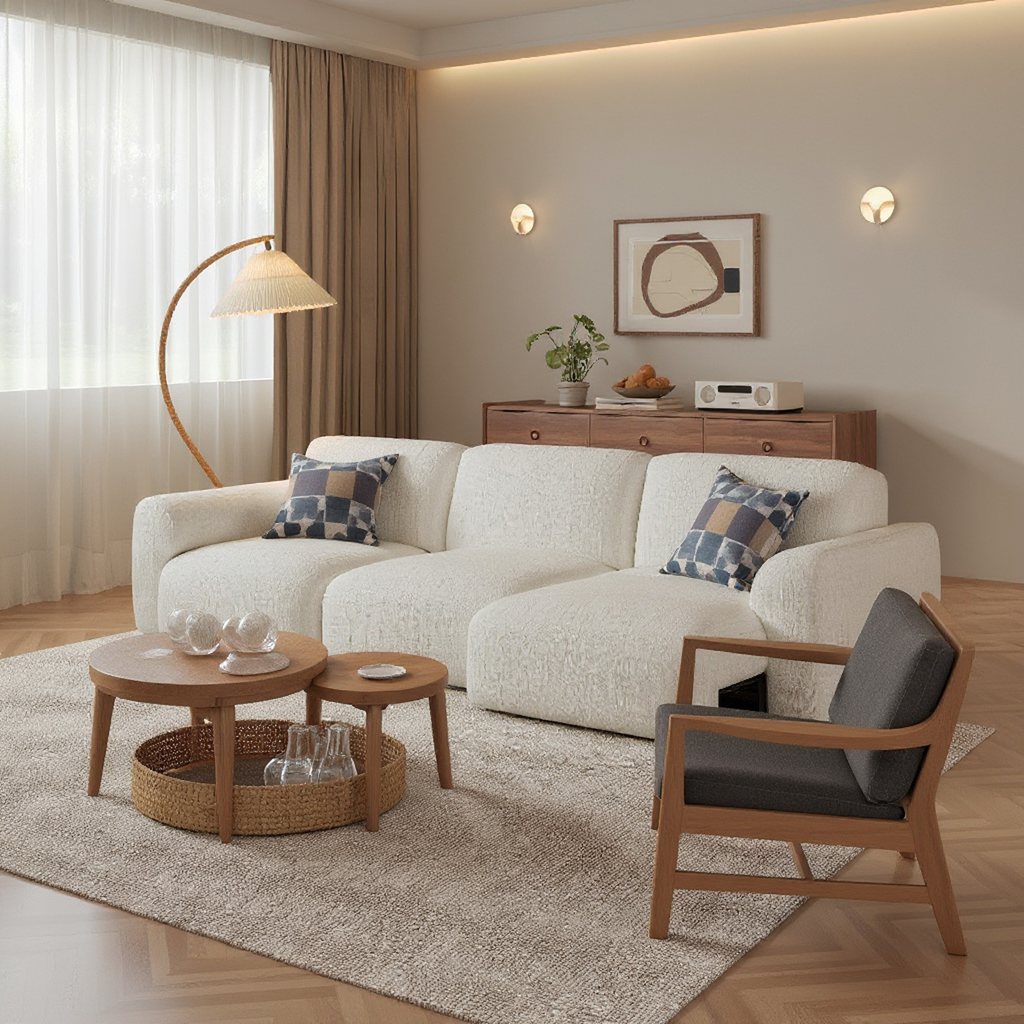
Aurora Power Sofa Bed
Adjustable daily seating that also accommodates occasional overnight guests.
👍 Best for: A living room with flexible floor space
✨ Powered seat-depth adjustment
✨ Wall-hugging placement
✨ Upholstered resting surface
A sofa bed is a larger furniture commitment than many futons. Compare its closed proportions with your daily seating needs, then check the extended footprint before choosing a configuration.
2. Daybed: For a Guest Bed That Stays Ready
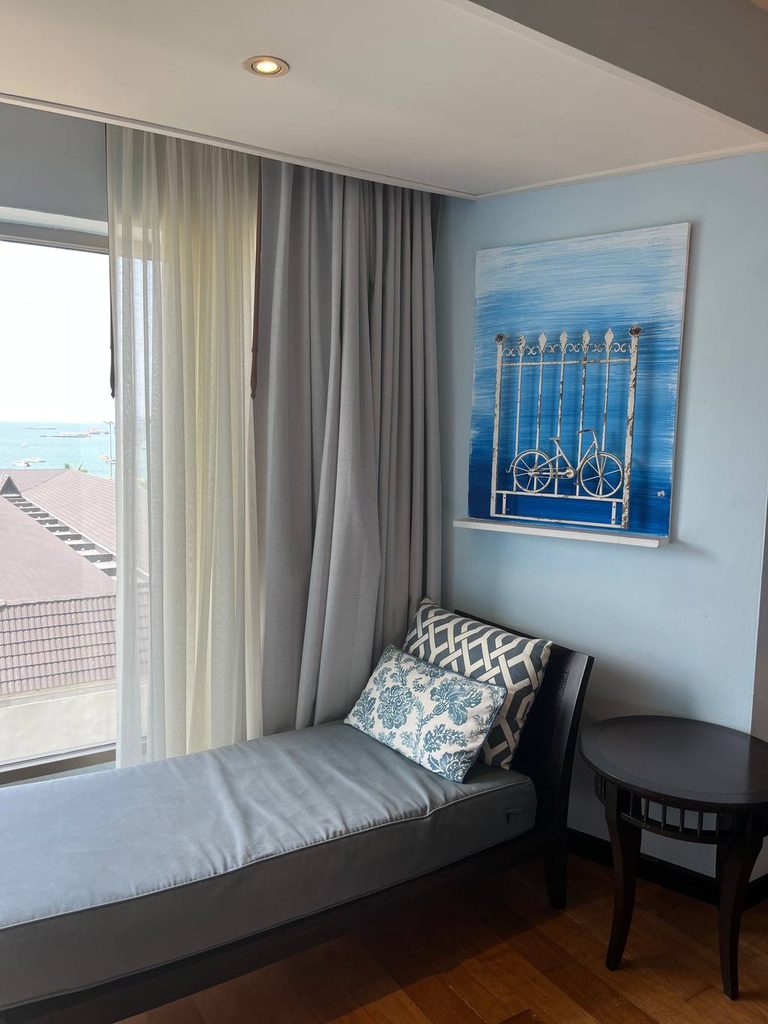
A daybed uses a bed-sized surface that remains in place throughout the day. It suits a home office or spare room where guests can sleep without moving cushions or opening a frame. Pillows can make it usable for casual seating, though its deep seat may feel less natural than a sofa for long conversations.
Choose one when sleeping comfort and quick setup matter more than reclaiming floor space. If the room also needs to hold a desk, check whether a person can still pull out the chair and reach storage with the daybed in place.
3. Sleeper Chair: For One Guest in a Tight Room
A sleeper chair offers a single seat that unfolds into a single sleeping surface. It can work in a reading corner or small office where a full sofa would crowd the room. Check the usable sleeping length, not just the chair’s width when closed, especially if an adult guest will use it.
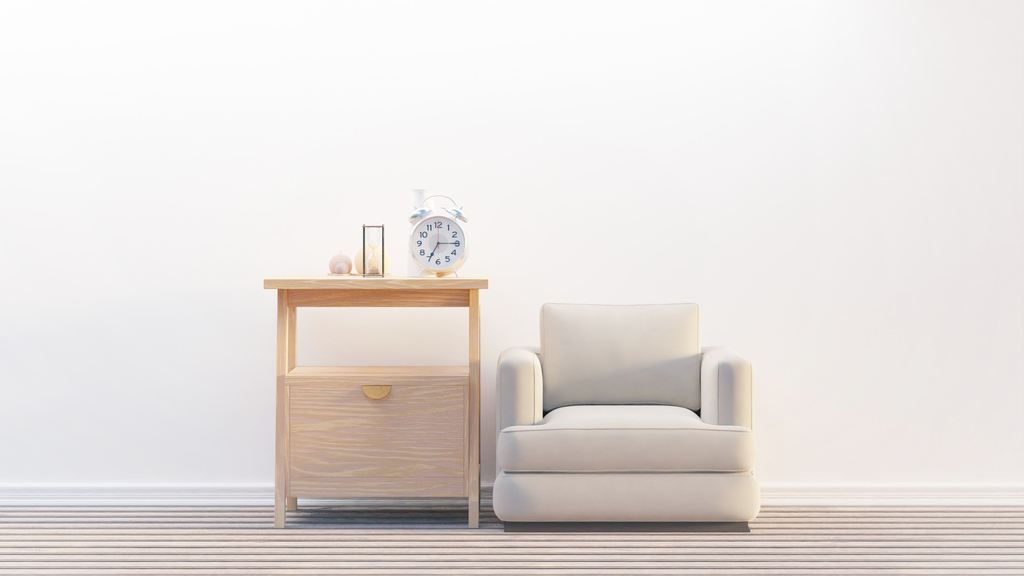
Its limitation is capacity: it cannot replace a futon that regularly seats two people or sleeps a couple. Low-to-the-floor models may also be inconvenient for guests who find it difficult to stand up from a low position.
4. Rollaway Bed: For Infrequent Overnight Stays
A rollaway bed makes sense when you already have enough seating and only need another sleep spot a few times a year. It rolls into the room for a visit and folds away afterward, leaving your everyday layout alone.
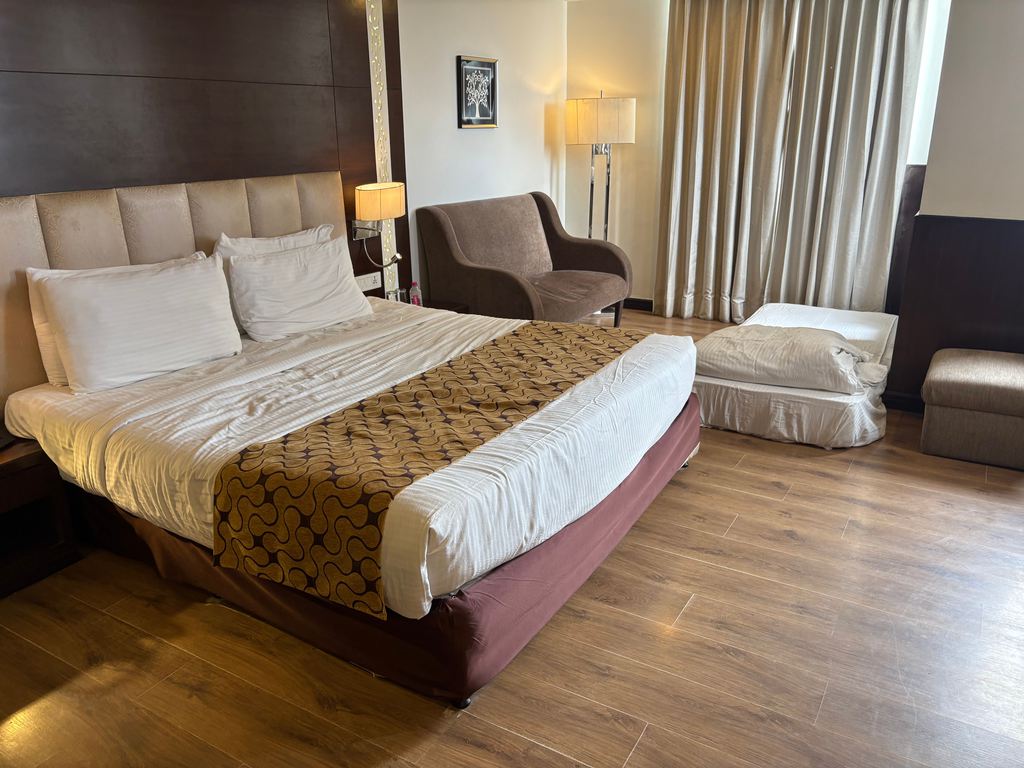
Measure the folded bed and the actual closet opening, including the space needed to turn the frame inside. A closet can be deep enough on paper but too narrow at the door. Also check whether the wheels can move easily across your flooring.
5. Folding Floor Mattress: For Simple Storage
A folding mattress can be stored between visits without reserving space for a permanent frame. It suits a guest room that doubles as an exercise or hobby space, provided there is a clean, dry place to keep the folded mattress.
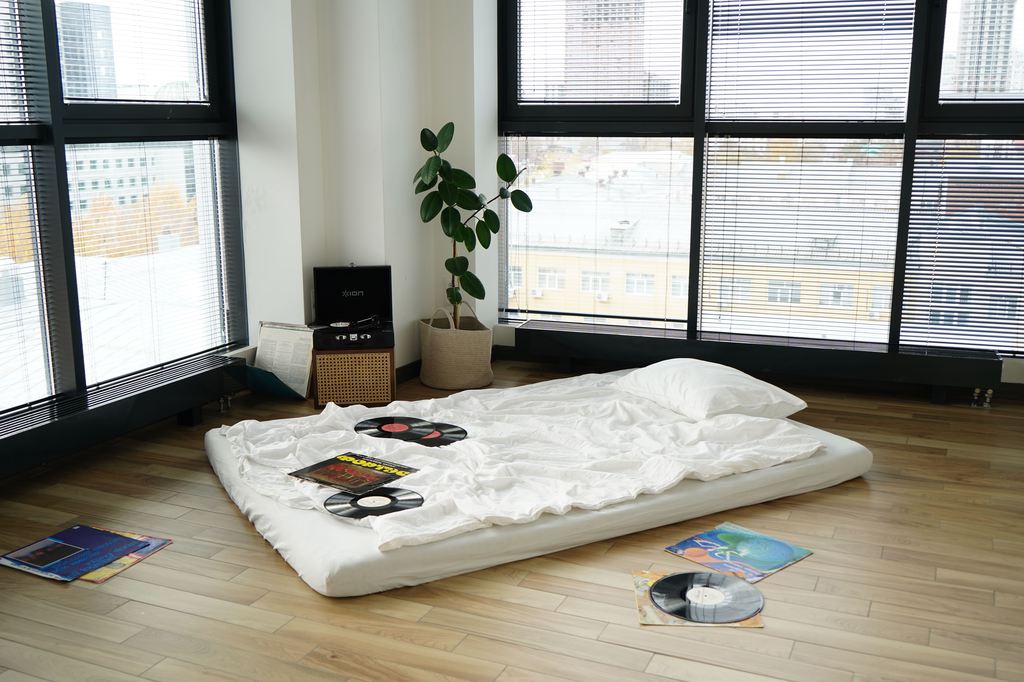
This option does not replace daily seating. It also places guests closer to the floor, which may be uncomfortable for someone who has trouble getting up. Follow the manufacturer’s care instructions for airing and storage, particularly if the mattress rests on the floor during use.
6. Regular Sofa: When You No Longer Need a Guest Bed
If guests now sleep elsewhere, a standard sofa may solve the problem more directly. You can choose seat depth, back support, and upholstery for everyday use without weighing every decision against a conversion mechanism.
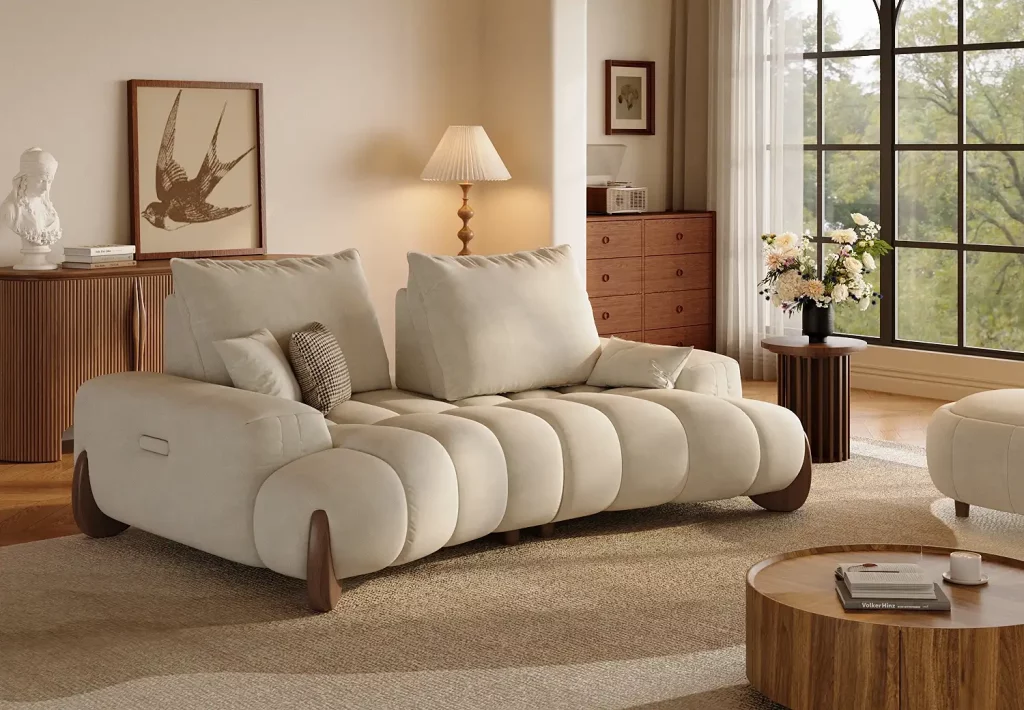
Be clear about the trade-off: a sofa that feels roomy enough for a nap is not automatically a suitable overnight bed. If occasional guests still need a place to sleep, pair it with a separate guest solution and account for where that solution will be stored.
How Do Comfort, Setup, and Space Compare?
The right fit depends on which function gets used most often. Use this table to eliminate categories before comparing individual products.
| Option | Everyday seating | Guest sleeping | Setup or space trade-off |
| Convertible sofa bed | Yes | Usually one or two; verify usable surface | Needs room to extend |
| Daybed | Casual seating | Usually one; depends on mattress size | Bed footprint stays in the room |
| Sleeper chair | One seat | One | Needs open floor space in front |
| Rollaway bed | No | Usually one | Needs folded storage space |
| Folding floor mattress | No | Depends on size | Needs storage and a clear floor |
| Regular sofa | Yes | Not a dedicated guest bed | Requires a separate sleep solution |
No category guarantees better comfort than a well-made futon. For seating, compare support at your back and knees. For sleeping, check the flat area, cushion seams, and support beneath the sleeper. These details tell you more than a label such as “convertible” or “guest-ready.” If your decision has narrowed to two convertible types, sofa bed and futon differences in daily use can help clarify the remaining trade-offs.
What Should You Measure Before Replacing a Futon?
Measure the furniture in every state you expect to use, not just as it appears in a product photo.
- Mark its daytime footprint. Check that doors, drawers, and the usual walking path still work when the piece is closed.
- Mark the open sleeping area. Include the direction the frame, chair, or seat moves. A coffee table that must be shifted every visit needs somewhere to go.
- Check the usable sleep surface and storage. Confirm the space available between arms or edges for a sleeper. For portable options, measure the folded item and the opening of its storage spot.
A couple hosting a guest for one weekend a month may find that clearing the coffee table is reasonable. If the same space is used for lounging every afternoon, an easier adjustment may matter more. Measure the delivery path as well; the assembled footprint does not tell you whether the packages will pass through a stair turn.
When Is a Power Sofa Bed Worth the Upgrade?
A powered model earns its place when people change between sitting and stretching out often enough to value an easier adjustment. It still requires an outlet, a larger furniture budget, and room for the seats to extend. The motor also does not tell you how much usable sleeping space a particular configuration provides.
For two people who prefer different positions on the same sofa, the Povison Mila Power Sofa Bed offers independently adjustable seats. One person can remain more upright while the other extends their side. Opening both creates a broad resting surface for occasional guests, but that benefit comes with a larger open footprint. Check the available floor area and usable sleeping dimensions before choosing Mila over a smaller option.
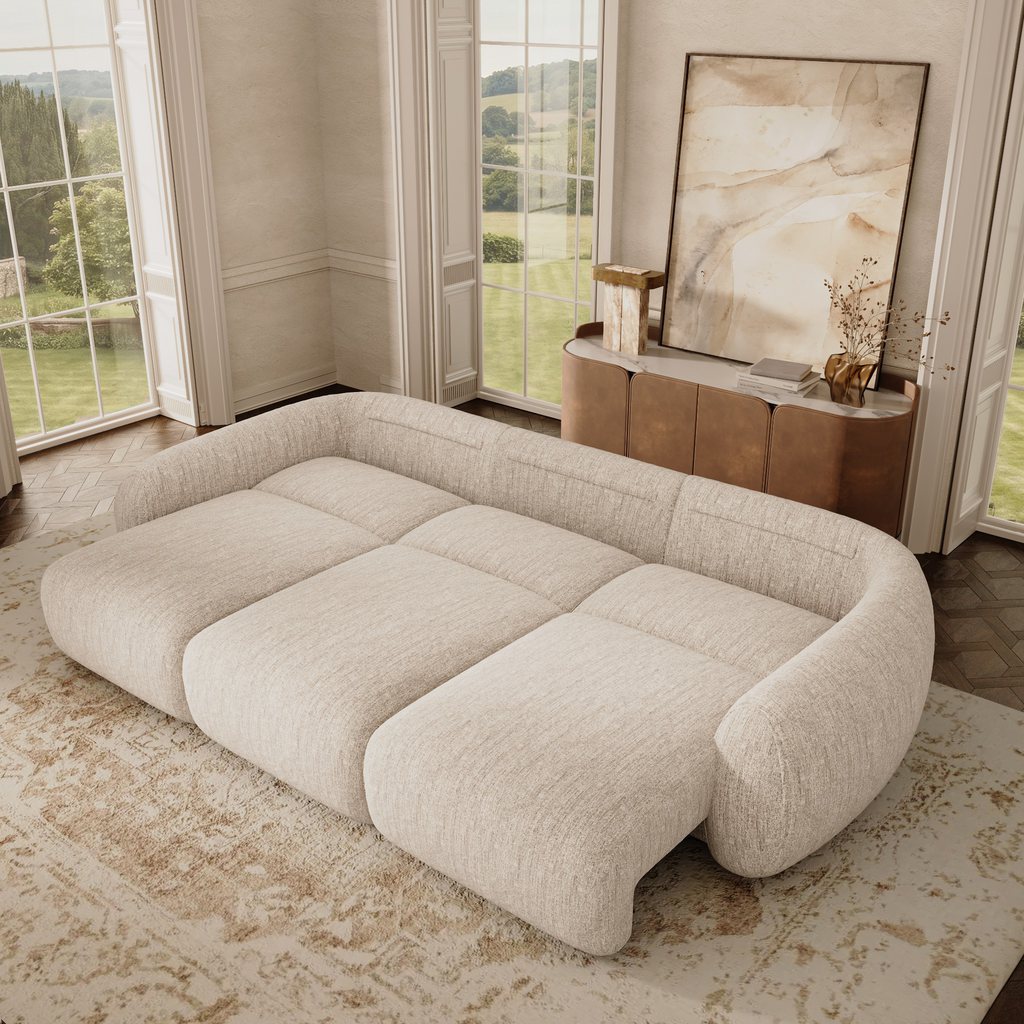
Mila Power Sofa Bed
Separate seat adjustments suit shared lounging and occasional guest stays.
👍 Best for: Two different lounging preferences
✨ Independently adjustable seats
✨ Wide extended resting area
✨ Textured chenille upholstery
Conclusion
The right futon alternatives depend on which part of the futon’s job your room still needs. A convertible sofa bed keeps everyday seating and occasional guest space together; a daybed gives guests a surface that stays ready; and a rollaway or folding mattress makes more sense when visits are rare and storage is available. If overnight sleeping is no longer necessary, choose seating on its own merits. Once you have narrowed the category, measure the furniture closed, open, and on its way into the room before deciding.

Find the Right Sofa Bed for Your Room
Explore seating and guest-ready designs for different layouts and daily routines.
FAQ
Can two adults sleep on a futon alternative?
Possibly, but check the usable flat width and length, along with the manufacturer’s capacity for the sleeping position. Arms, raised edges, and gaps can reduce usable space even when the overall furniture looks wide. If two adults will stay over together, compare the actual sleep surface with the space they need rather than relying on a Queen or King description.
What if my futon fits but cannot open fully?
A futon can fit against a wall while its folding path collides with a table, door, or other furniture. Mark where the backrest and front edge move before choosing a replacement. A forward-extending sofa bed may solve a rear-clearance problem, but it still needs enough open floor space in front to operate safely.
Which option is easier for guests to get out of?
Look at the height of the sleeping surface and how stable its edge feels when someone sits up. A daybed or raised rollaway may be easier to use than a floor mattress for a guest who finds low positions difficult. Check the specific model’s height; furniture type alone does not guarantee easy access.
Should I replace the whole futon or just its mattress?
If the frame is stable, locks securely, and still suits the room, a compatible mattress may address uneven or worn cushioning. Check the frame’s required dimensions and folding limits first. If daily seating or the conversion process is the main frustration, a new mattress will not change the frame’s design.
Do power sofa beds need a nearby outlet?
Yes, a powered mechanism needs access to electricity unless the specific model provides an approved alternative power setup. Before buying, check the cord location, outlet distance, and where the cable will sit when the seat extends. Avoid a setup that leaves a cord across a walkway, and check the manufacturer’s instructions for operation after a power outage.


[…] the mattress can be a reasonable option when the frame is still stable and functions correctly. But if the futon no longer suits how your household uses the room, changing the furniture design may offer more lasting benefits than adding […]
[…] The better choice depends on what the room needs to do most often. Instead of choosing solely by furniture type, consider whether seating, sleeping, or flexibility takes priority. […]