 By Jenny Smith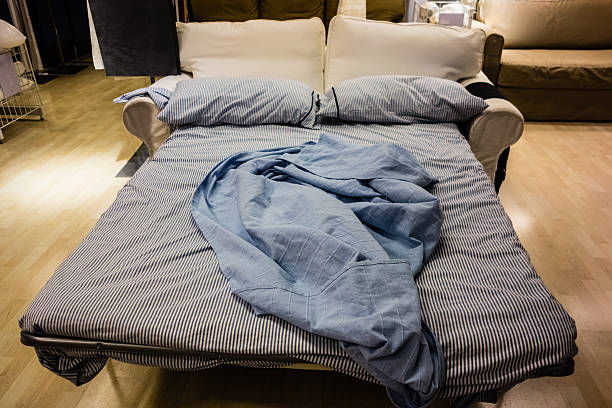
Table of Contents
Sofa bed dimensions can feel confusing because one piece of furniture has to work in two modes. When people ask how big is a sofa bed, they usually want a fast answer, but the real answer depends on whether the sofa is closed for seating or open for sleeping. In practice, most models range from compact twin sleepers to roomy queen and king options. This guide breaks down the average sizes, the space you should leave around them, and how to choose one that fits your room and guests.
How big is a sofa bed on average?
A sofa bed is never just one size, so the easiest way to understand it is to split it into two measurements: the footprint when it is used as a sofa, and the footprint when it is opened as a bed. That simple distinction makes the rest of this sofa bed size guide much easier to follow.
How big is it when closed as a sofa?
Most closed sofa beds fall into the same general range as regular couches, but they are often a little deeper or heavier because of the hidden mechanism. In simple terms, couch dimensions matter twice here: once for daily seating and once for sleeping. A compact loveseat sleeper may sit around 55 to 70 inches wide, while a queen sleeper can easily reach 80 to 90 inches wide.
How big is it when opened as a bed?
Open size is the number that surprises most buyers. A sofa that looks modest against the wall can suddenly need much more floor space when the bed pulls out. Standard sofa bed measurements usually follow mattress categories such as twin, full, queen, or king, but some brands use 2-seater or 3-seater labels instead. Always check the open length before you buy, because that determines both sleep comfort and walking room.
- Closed size affects traffic flow, wall fit, and visual balance.
- Open size affects sleeping comfort, clearance, and night-time usability.
What are the standard sofa bed sizes?
Once you know the difference between closed and open measurements, the next step is comparing the common size bands. Most shoppers do best with approximate ranges first, then exact product specs second. That gives you a realistic shortlist without getting lost in tiny brand-to-brand differences.
The table below compares the most common sofa bed dimensions. These are typical ranges, not strict rules, because arm width, cushions, and mechanisms can shift the final numbers. A broader sense of standard sofa size also helps when a sleeper has to look balanced in the room while it is closed.
| Sofa bed type | Typical closed width | Typical open sleeping size | Best for |
| Twin sleeper | 55–70 in | 38–39 x 72–75 in | One guest, small rooms |
| Full sleeper | 68–78 in | 52–54 x 72–75 in | One adult or two cozy sleepers |
| Queen sleeper | 78–90 in | 58–60 x 72–80 in | Most guest use, couples |
| King sleeper / large sectional sleeper | 84–96+ in | 76 x 80 in or similar | Larger rooms, frequent hosting |
Twin, full, queen, and king sofa bed sizes
A full sofa bed size is often the middle ground for people who want a compact sofa bed with double bed comfort. In many stores, a sofa bed with double bed description usually points to a full or similar two-person sleeping surface, but the exact width still varies. Most full sleeper sofa dimensions land around 52 to 54 inches wide when open, while queen models usually feel more comfortable for two adults over multiple nights.
2-seater, 3-seater, and corner sofa beds: what do they mean?
Retail naming and mattress naming are not the same thing. A 2-seater sofa bed may open into a small double, full, or even something in between, while a 3-seater can convert to a fuller two-person sleep surface. So when you compare sofa sizes, treat seat count as a style cue, not a guaranteed mattress size.
One rainy Saturday, I once taped out a “compact” sleeper in a friend’s apartment and found that the arms looked slim online but stole almost eight inches in real life. The lesson was simple: the product photo felt small, but the footprint said otherwise.
How much space do you need for a sofa bed?
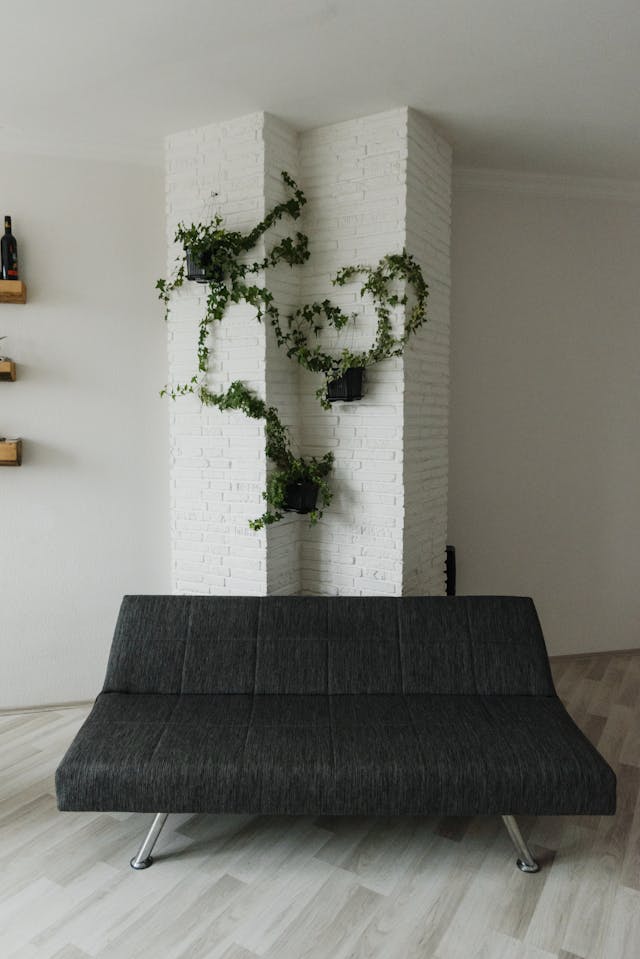
This is where many buying mistakes happen. A sofa bed can technically fit the wall and still fail the room once it opens. To make it work in daily life, think beyond width and include clearance, delivery path, and how people actually move through the space at night.
How much clearance should you leave around a sofa bed?
As a rule, you want enough open space in front of the sofa bed for the frame to extend and for someone to walk around it without banging into a coffee table. Brands and buying guides consistently recommend measuring not just room size, but also access points and surrounding furniture. That means planning for the bed itself plus extra breathing room.
- Leave room for the bed to open fully.
- Keep a clear path around one side if possible.
- Check coffee table, media unit, and rug placement before ordering.
What should you measure before buying?
A practical checklist saves more headaches than any style tip. Start with room width and room depth, then measure the sofa’s open length, seat depth, and access route. Knowing how to measure your space for a new sofa is especially useful if your layout includes a narrow hall, elevator, or sharp turn near the doorway.
- Wall length
- Room depth
- Walkway width
- Door and hallway width
- Tight corners or stair turns
- Open-bed footprint, not just closed width
I once measured a guest room that looked generous until the bed outline hit the dresser by three inches. Painter’s tape on the floor solved the problem in five minutes and prevented a very expensive return.

Which sofa bed size is right for your room and guests?
The best size is not always the biggest model you can afford. It is the one that feels balanced when closed, comfortable when open, and realistic for the people who will actually sleep on it. Room type, guest frequency, and body size matter more than labels alone.
What size works best for small rooms, guest rooms, and living rooms?
For a small apartment or office, a twin or full sleeper usually makes sense because it preserves floor space. In a dedicated guest room, a full or queen often feels more welcoming. In a main living room, a queen or large sectional sleeper usually gives the best blend of everyday seating and overnight comfort. The most comfortable sleeper sofa for your room is often the one that matches both your room scale and your real sleep needs.
What size is best for one sleeper vs two sleepers?
- For one adult, a twin can work well, especially for occasional sleepovers.
- For two adults, a full can be acceptable for short stays, but a queen is usually the safer choice.
- If you host often, prioritize shoulder room, mattress support, and ease of opening. A guest who sleeps well will remember comfort longer than they remember a trendy silhouette.
Why do sofa bed dimensions vary so much?
The short answer is design trade-offs. Arm thickness, back angle, seat depth, hidden hardware, and mattress type all change the final size. Two sleepers can both be sold as queen models and still feel very different because one uses slim arms and a tight mechanism while another uses deep cushions and bulkier framing. That is why averages are helpful for planning, but the product spec sheet is what matters before checkout.
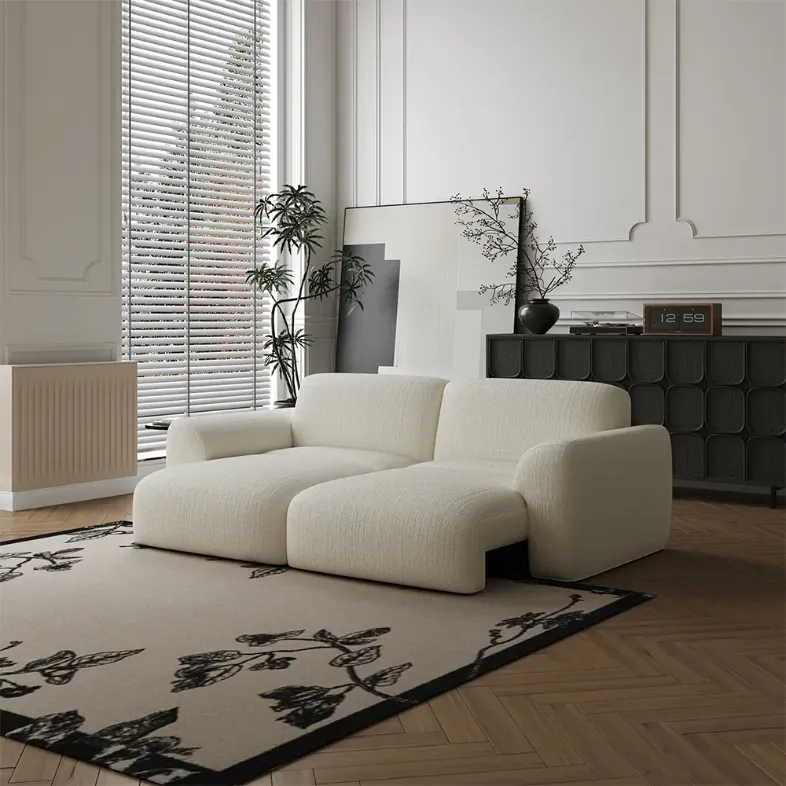
A good example of this is the Aurora Power Sofa Bed. Its frame stays at about 82.5 x 39 x 33 inches, but the powered extension, remote control, three comfort modes, and soft chenille upholstery make the piece feel more flexible than a fixed sleeper. It shows how mechanism design can change both function and perceived size without making a room feel overloaded.
Conclusion
If you have been wondering how big a sofa bed really is, the smartest answer is this: measure it in both modes and choose for real life, not just for the product photo. Start with the sleeping size you need, then work backward to the sofa footprint your room can handle. When you compare sofa bed dimensions this way, you get a piece that looks right during the day, works at night, and avoids the most common sizing mistakes before delivery day.
FAQs
Do you need special sheets for a sofa bed?
Usually, yes. Sofa bed mattresses can be shorter, narrower, or thinner than standard bedroom mattresses, so regular fitted sheets may bunch up or slip off. The safest approach is to match bedding to the exact open mattress size listed on the product page, especially for full and queen sleepers.
Is a mattress topper worth it for guests?
For many sofa beds, absolutely. Sleeper mattresses are often thinner than regular mattresses, so a slim topper can add comfort and reduce pressure points without taking over the whole closet. It is one of the easiest upgrades for occasional overnight guests and weekend visitors.
Can a sofa bed work for everyday sleeping?
It can, but only if the frame, support system, and mattress are made for frequent use. For daily sleeping, comfort matters more than compactness. Look for a model with stable support, enough width for your body, and a setup you will not dread opening and closing every night.
How can you make a sofa bed look lighter in a small room?
Choose slim arms, visible legs, lighter upholstery, and a cleaner silhouette. Those details reduce visual bulk even when the actual dimensions are not tiny. A sofa bed that feels airy during the day will make the whole room look calmer and more open.


[…] those measurements with common standard sofa bed dimensions can help establish a starting point, but the exact product dimensions should make the final […]
[…] how big a sofa bed is when fully opened helps prevent a model that fits the wall from blocking the room after […]