 By Jenny Smith
Table of Contents
A sofa bed can save space, but it often falls short on real sleep comfort. If you are wondering how to make a sofa bed more comfortable, the good news is that you usually do not need a full replacement. The right topper, better bedding, smarter support, and a few room tweaks can make a big difference. This guide focuses on practical fixes that help a sofa bed feel softer, steadier, and much closer to a real bed for overnight guests.
Why Is Some Sofa Bed So Uncomfortable?
Most sofa beds feel uncomfortable for the same few reasons. The mattress is often thin, the frame underneath creates pressure points, and the surface may dip, gap, or shift when someone turns over. A pull out bed couch can also feel colder, firmer, and less stable than a standard bed because the structure is built to fold first and sleep second.
Common causes include:
- A thin mattress with very little cushioning
- A center bar or uneven frame underneath
- Gaps near the backrest or edges
- Sheets that slide off too easily
- Pillows that look good but do not support the neck
It also helps to think about how often the bed is used. A sofa bed for one guest every few weeks needs a different setup than one used every weekend. That is why it helps to think the same way shoppers do in how to find the most comfortable sleeper sofa.
What Is the Best Way to Make a Sofa Bed More Comfortable?
The best results usually come from improving the sleep surface first. Before dealing with deeper structural issues, start with the parts your body feels right away: cushioning, bedding, and pressure relief. These upgrades are simple, affordable, and often enough to make a guest bed feel noticeably softer and more restful on the first night.
1. Add a mattress topper
A topper is usually the single best upgrade. The best mattress topper for sofa bed use is often 2 to 3 inches thick: enough to soften the surface, but not so bulky that storage becomes annoying. A couch mattress topper that rolls or folds easily is even better if you do not have a guest closet.
Use this quick comparison to match the fix to the problem:
| Problem | Best first fix | Why it helps |
| Mattress feels too hard | Memory foam topper | Adds pressure relief at shoulders and hips |
| You can feel the frame | Firmer foam topper | Creates a thicker buffer over the structure |
| You sleep hot | Latex or breathable topper | Feels cooler and less stuffy |
| Bed feels uneven | Medium-firm topper | Smooths small dips and bumps |
A few topper choices work especially well:
- Memory foam: best for pressure relief
- Latex: more supportive and cooler
- Down-alternative: softer feel and easier storage
I once set up a guest bed for my brother after a late flight using a simple 2-inch topper and cotton sheet set. The sofa bed still was not luxury-hotel perfect, but by morning he said the usual “metal bar feeling” was almost gone.
2. Upgrade your bedding
Bedding cannot fix a bad frame, but it can improve comfort faster than most people expect. A fitted sheet with enough depth stays put better, and a mattress protector adds a light buffer that keeps everything cleaner between guests.
Focus on a small bedding kit:
- Deep-pocket fitted sheet
- Breathable cotton or cotton-blend sheet set
- Mattress protector
- Two sleep-ready pillows, not just decorative cushions
- A light blanket plus one warmer layer
For shoppers comparing options, a most comfortable sleeper sofa checklist is useful because it keeps the focus on overnight comfort, not just daytime looks.
3. Add quick comfort layers for pressure relief
If the sofa bed still feels a little firm after adding basic bedding, a few extra comfort layers can make it feel softer right away. These small additions do not solve deeper support problems, but they do reduce surface pressure and make the bed feel less flat and temporary. This is especially helpful when you need a fast fix for guests and do not want to buy new accessories immediately.
Helpful options include:
- Place a folded quilt or blanket under the fitted sheet for a softer feel
- Add a lightweight throw between the mattress and sheet to smooth out minor unevenness
- Swap decorative cushions for firmer sleeping pillows that support the neck better
- Use a breathable comfort layer if the bed tends to feel hot during the night
These quick layers work best as comfort boosters, not long-term fixes. They are ideal when the mattress feels slightly too firm, but the frame itself is still in decent shape.
How Do You Fix the Bar, Gaps, and Sagging?
Once the sleep surface feels softer, the next job is fixing the problems that wake people up in the middle of the night. A sofa bed often feels worst where the frame folds, where the mattress sags, or where small gaps let pillows and shoulders slip out of alignment. These are structural annoyances, so the fixes should be direct and practical.
Start with the issue you notice most:
- Feel the center bar: place a folded blanket, duvet, or support board under the mattress
- See gaps near the back or sides: fill them with firm pillows or tightly rolled towels
- Notice sagging: add support under the weak area or replace the mattress if the dip is permanent
- Sheets keep moving: switch to a tighter fitted sheet or sheet clips
If the bar is the real problem, a topper alone may not be enough. A topper softens the feel, but a board underneath changes the support. Used together, they usually work much better than either fix on its own.
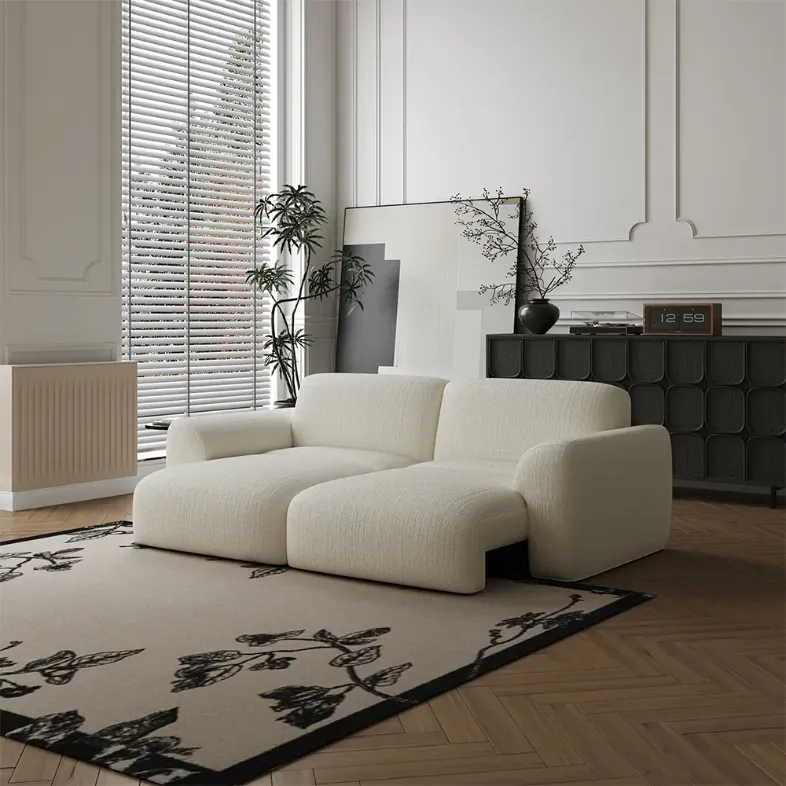
If your current setup feels uncomfortable because the folding mechanism itself is the weak point, an electric slide-out design can be a cleaner long-term upgrade than a traditional pull-out. The Aurora Power Sofa Bed uses remote-controlled extension, zero-distance wall placement, and scratch-resistant, water-resistant chenille, so it reduces both setup friction and daily wear while keeping a softer lounge feel.
What Else Makes a Sofa Bed Feel More Like a Real Bed?
After you solve the obvious comfort issues, the last layer is experience. This is where a sofa bed stops feeling like backup furniture and starts feeling intentional. Small changes in airflow, room layout, lighting, and bedside basics can improve sleep quality more than most people expect, especially for guests who already feel out of routine.
Improve airflow and room setup
A sofa bed can feel warmer and stuffier than a normal bed, especially when it sits against a wall or in a crowded corner. Leave enough space to move around it, and use breathable layers if the room traps heat.
Helpful tweaks include:
- Keep one side easy to enter and exit
- Use breathable sheets instead of heavy synthetic bedding
- Add a fan if the room runs warm
- Move bulky décor away from the open bed area
Add guest-ready details
Comfort is not only about the mattress. Guests sleep better when the setup feels prepared. Even a small living room can turn a corner into a mini guest suite with a side table, charger access, a glass of water, and one place to put a bag or phone.
Simple details that matter:
- A bedside lamp or warm reading light
- Water within reach
- An extra blanket folded nearby
- A place for glasses, phone, or jewelry
On a rainy weekend, I once added a small tray, a phone charger, and a softer pillow to a guest sofa bed setup. The room looked almost the same, but the guest treated it like a real bedroom instead of a place to “just crash.”
When Should You Upgrade or Replace Your Sofa Bed?
Sometimes comfort hacks help a lot. Sometimes they only delay the obvious. If the mattress stays lumpy, the frame squeaks, or the center support still pushes through after you add a topper and support layer, it may be time to stop patching and start upgrading.
Signs it is time to move on:
- The mattress is permanently uneven
- The frame feels noisy or unstable
- You can still feel the bar after basic fixes
- Guests avoid sleeping on it twice
- You need comfort for frequent overnight use, not occasional backup use
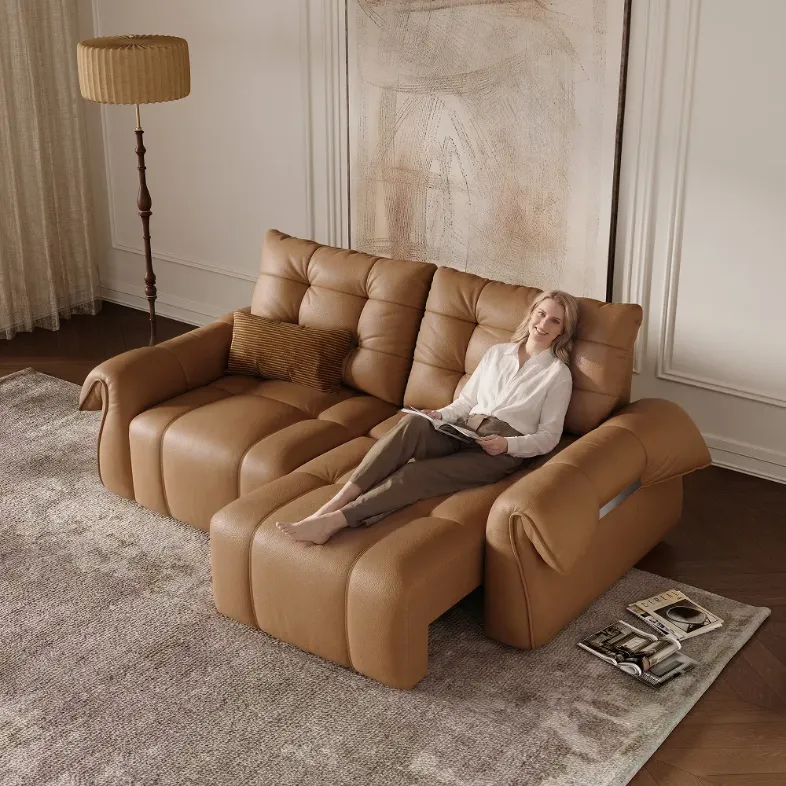
If you host couples often, a sleeper sofa queen size is usually worth the extra floor space because two adults will notice width immediately. And if you want that larger sleep surface without a traditional fold-out frame, the Cygnus Power Sofa Bed takes a different route: it offers one-touch electric adjustment, a near-queen sleep area, top-grain leather, and a support system built with memory foam, heavy-duty springs, and a solid wood frame.
Conclusion
The most effective way to improve a sofa bed is to work in order. First, soften the surface with a topper. Next, fix the bar, gaps, or sagging underneath. Then upgrade the bedding and make the room easier to sleep in. Those steps solve most comfort complaints without a full replacement. If the frame still feels awkward after all that, the issue is probably structural. At that point, upgrading to a better-designed sleeper is usually smarter than adding more temporary fixes.
FAQ
Can you leave a topper on a sofa bed when you close it?
Usually not. Most sofa beds close more easily when the topper is removed first, especially if it is memory foam. A very thin topper may work on some models, but folding the bed with extra thickness can strain the mechanism and make storage awkward.
Can a sofa bed be comfortable without buying a new mattress?
Yes, in many cases it can. A topper, better bedding, and extra support under the mattress can improve comfort a lot. If the frame is still stable and the mattress is only slightly firm or uneven, small upgrades are often enough to make the bed much more guest-friendly.
What sheets fit a sleeper sofa queen best?
Look for fitted sheets made for thinner mattresses, or choose deep-pocket sheets with strong elastic if the height varies slightly. For a sleeper sofa queen, the best fit depends on the mattress depth more than the width, so measure before buying instead of guessing.


[…] but feels slightly firm, a removable topper or better bedding may help; practical ways to make a sofa bed more comfortable can improve occasional sleep without masking structural […]