 By Jenny Smith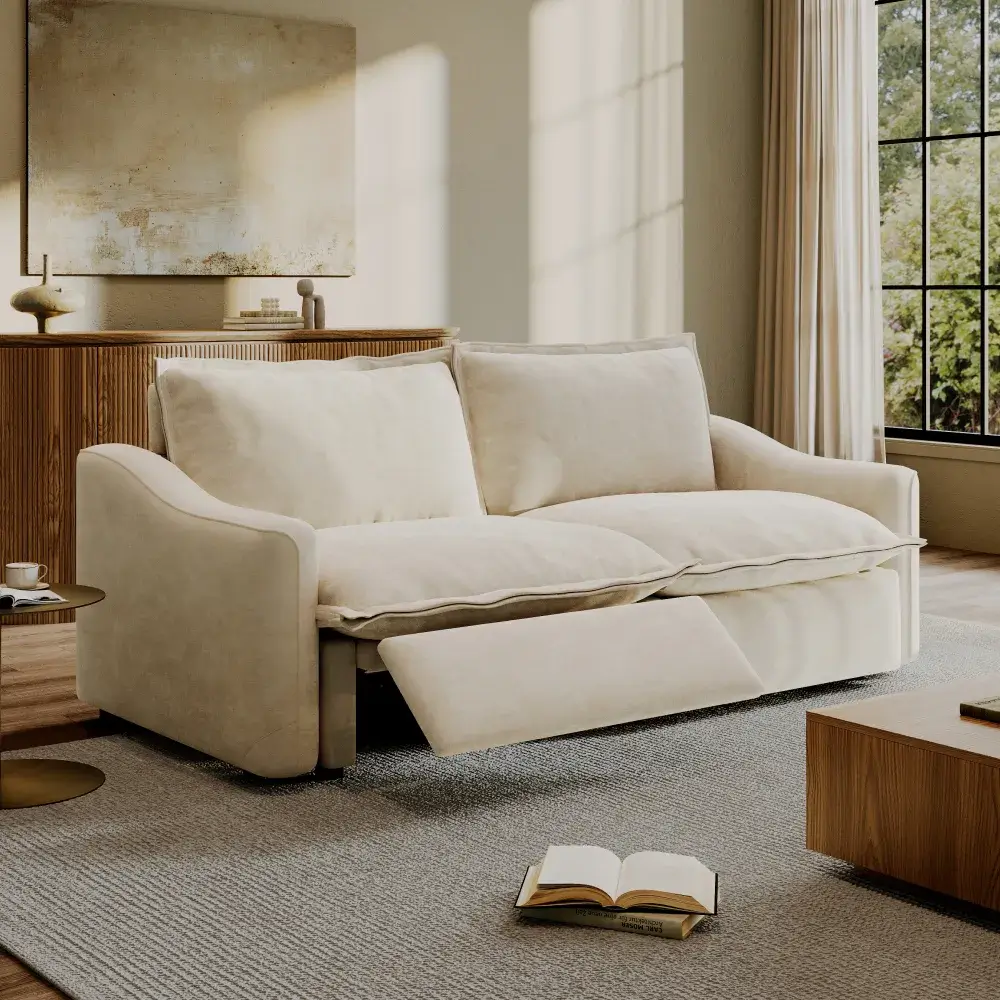
Finding the best fabric for sofa use is not about chasing one perfect material. It is about choosing a fabric that fits the way you live. Some people need a sofa that can handle pets, snacks, and everyday lounging. Others care more about texture, softness, or a polished look. The right answer usually comes down to durability, maintenance, and comfort. Once you compare fabrics by real-life use instead of just appearance, the best fabric material for sofa decisions becomes much easier.
What Is the Best Fabric for a Sofa?
There is no single fabric that wins in every situation. For most households, the safest choices are performance fabrics, microfiber, and durable polyester blends because they balance softness, easy care, and everyday durability better than more delicate materials.
Is there really one “best” sofa fabric?
Not really. The best fabric for sofa upholstery in a formal room may not be the best choice for a busy family room or a sofa bed couch used by overnight guests. A fabric can look beautiful in photos but still feel wrong once it has to handle pet hair, spills, or daily use.
Which sofa fabrics are the safest all-around choices?
If you want the most practical starting point, these are usually the strongest all-around options:
- performance fabric
- microfiber
- polyester blends
- tightly woven chenille
These fabrics tend to resist wear better and ask for less maintenance than looser or more delicate weaves. They are often the easiest answer when someone wants a fabric material sofa that looks good without feeling too precious.
What Should You Look for Before Choosing Sofa Fabric?
Before comparing names like linen, velvet, or chenille, think about what your sofa needs to survive. A smart fabric choice should match the room, the users, and the level of maintenance you can realistically keep up with.
Why do durability, cleanability, and texture matter most?
A sofa gets touched, rubbed, leaned on, and cleaned over and over. That is why the best sofa fabric is not only about fiber content. A fabric’s weave, finish, and surface texture often affect daily performance just as much as whether it is natural or synthetic.
When people regret a sofa choice, it is often because the fabric pills, traps lint, shows every wrinkle, or feels harder to clean than expected. In daily life, practicality usually matters more than a romantic description like “soft” or “luxurious.”
When do pets, kids, and sunlight change the best choice?
A lot. If you have pets, snag resistance and how easily fur shows up become major factors. If you have kids, spot cleaning and stain resistance matter more. If the room gets strong sunlight, some fabrics fade faster than others.
That is why the best sofa fabric for dogs is often a dense, lower-maintenance material rather than a loose decorative weave. In homes like that, knowinghow to clean sofa cushions matters almost as much as the original purchase.
What Are the Best Sofa Fabrics by Type?
Once your priorities are clear, comparing fabric types becomes much easier. Instead of listing every material the same way, it helps to look at each one through a simple lens: pros, cons, and who it suits best.
Which natural fabrics work best for sofas?
Cotton blends
Pros: soft, breathable, comfortable for everyday sitting
Cons: can stain more easily and may show wear faster
Best for: casual rooms, lighter daily use, shoppers who want a natural feel
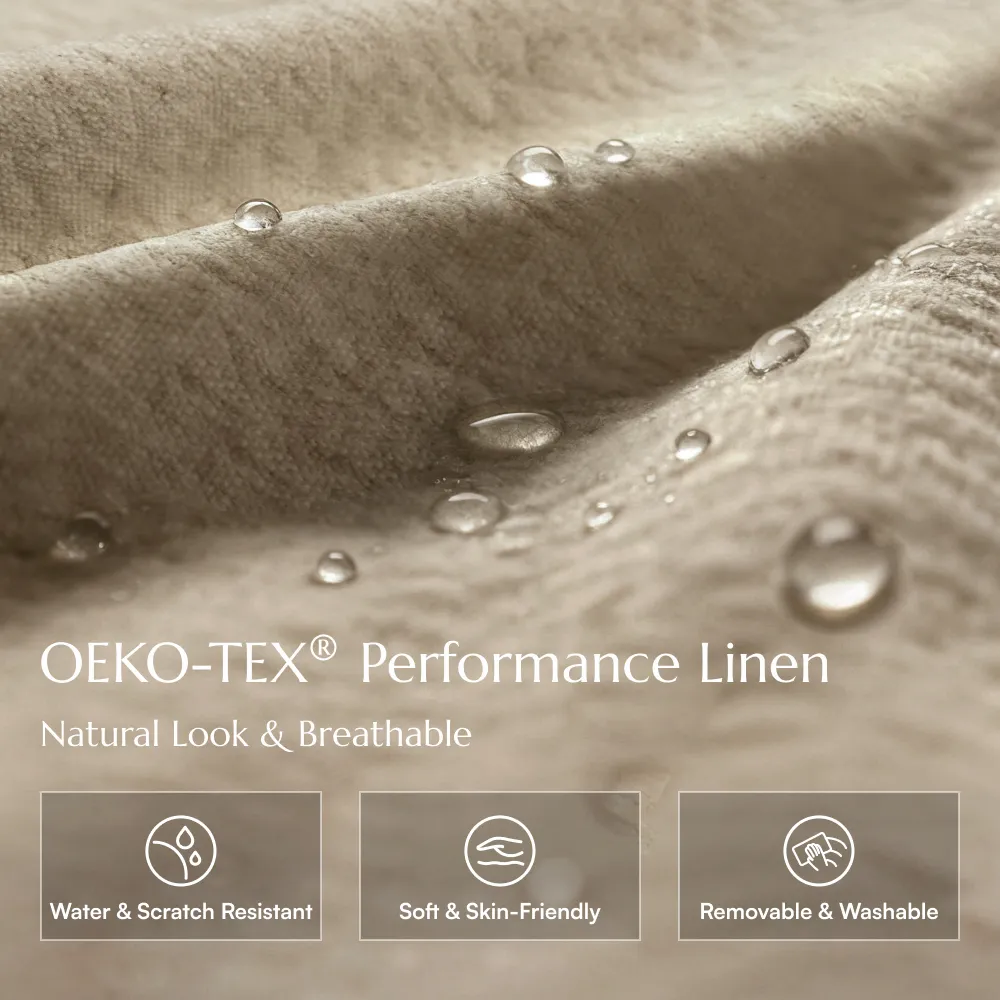
Linen blends
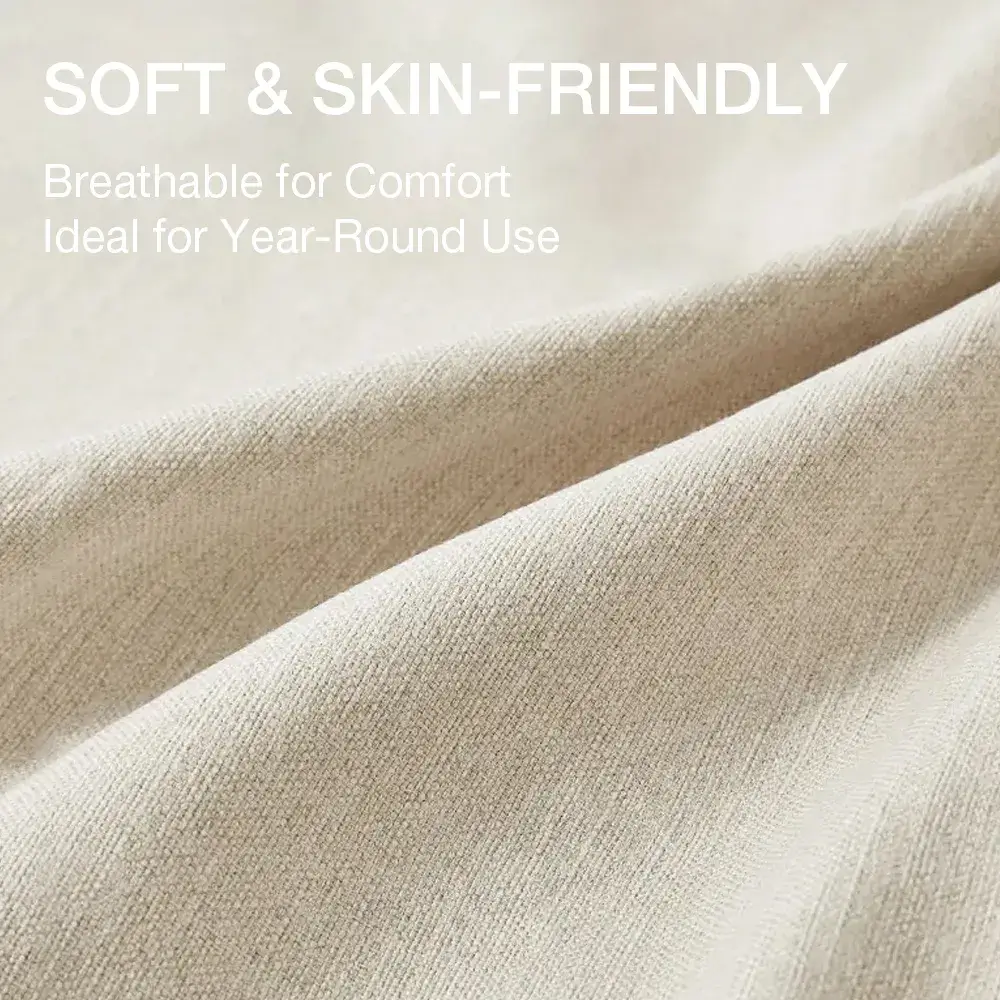
Pros: airy texture, relaxed look, great for calm, layered interiors
Cons: wrinkles more easily and can feel less forgiving in heavy-use spaces
Best for: lower-traffic rooms and design-led spaces with modern living room furniture
Cotton and linen blends are often appealing because they feel less synthetic and more natural against the skin. They can make sofas in fabric feel lighter and more refined, but they usually ask for more care than tougher synthetic options.
Which synthetic or performance fabrics are better for daily use?
Microfiber
Pros: durable, easy to clean, strong for family use
Cons: can attract dust or show pressure marks depending on finish
Best for: busy homes, guest rooms, sofa bed couch use
Polyester blends
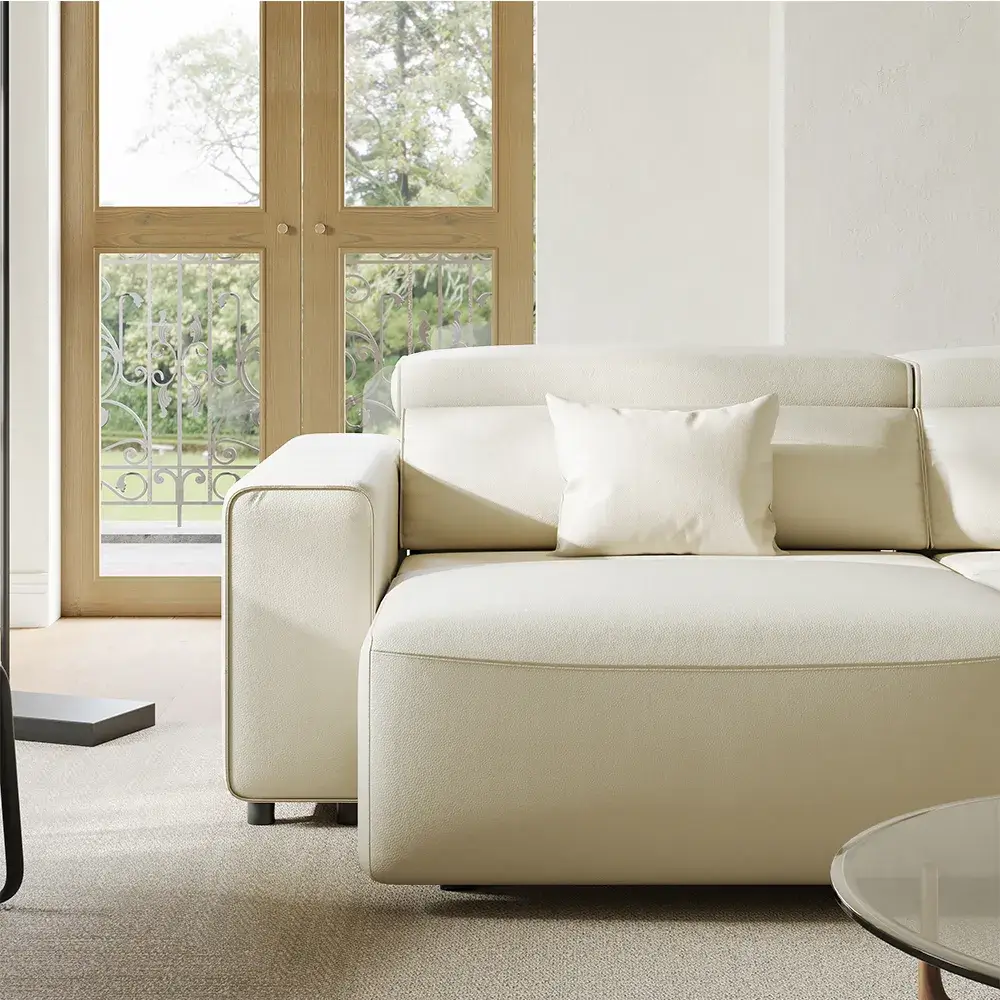
Pros: practical, resilient, often budget-friendly, easy to maintain
Cons: may feel less breathable than natural fabrics
Best for: everyday living rooms and homes with children or pets
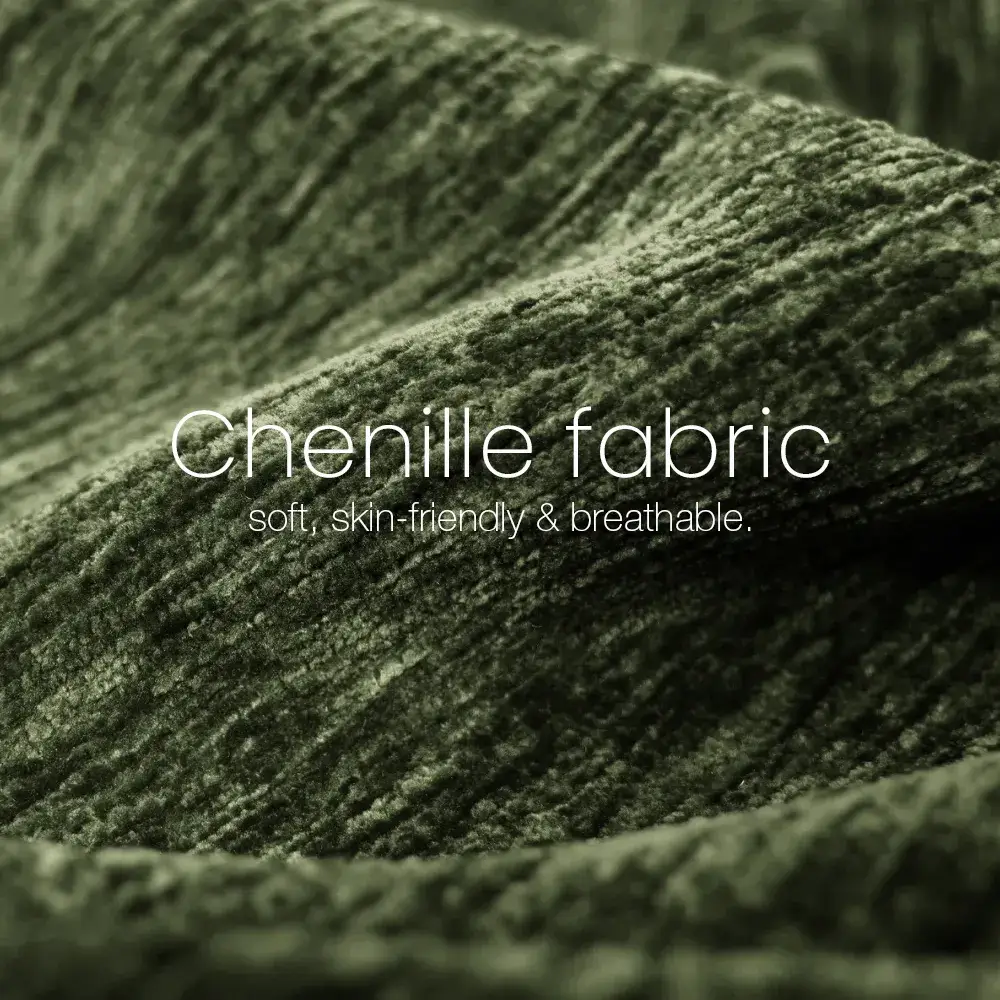
Chenille
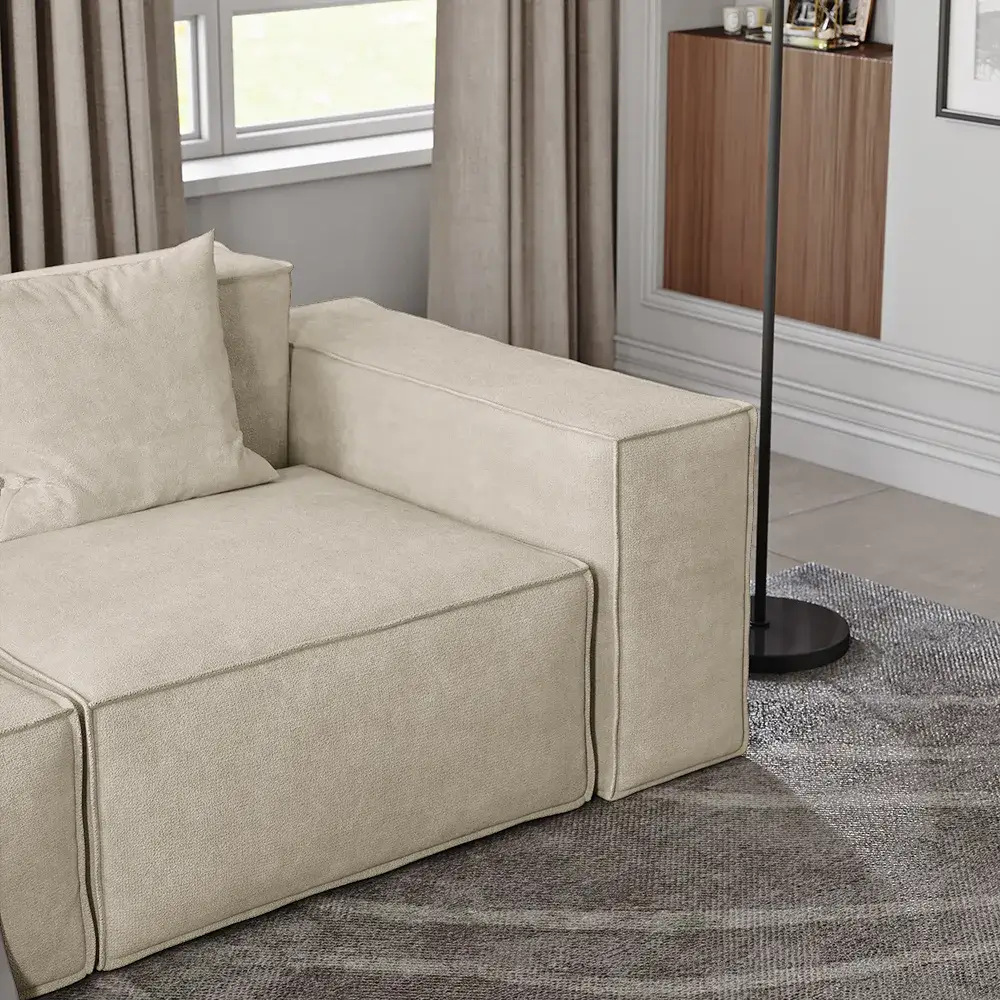
Pros: soft, warm, visually rich, hides some everyday texture well
Cons: may snag if claws catch the pile
Best for: cozy family rooms and comfort-focused spaces
If you are comparing chenille with flatter or more tightly woven upholstery fabric, it helps to understandwhat is chenille fabric, because its softness and pile are exactly what make it feel warmer but also slightly more texture-driven than smoother fabrics.
Performance fabric
Pros: better stain resistance, easier cleanup, made for daily life
Cons: sometimes less natural in hand-feel than linen or cotton
Best for: high-traffic homes and shoppers who prioritize function first
| Fabric Type | Pros | Cons | Best For |
| Cotton Blend | Soft, breathable, casual feel | Stains more easily | Relaxed everyday seating |
| Linen Blend | Airy, natural, elevated look | Wrinkles, more upkeep | Low-traffic stylish rooms |
| Microfiber | Durable, easy to clean | Can hold dust | Busy homes, sofa bed couch use |
| Polyester Blend | Practical, resilient, versatile | Less natural hand-feel | Family rooms, daily use |
| Chenille | Plush, cozy, textured | May snag with claws | Warm, comfort-led spaces |
| Performance Fabric | Stain-resistant, low stress | Sometimes less organic-feeling | Pets, kids, heavy traffic |
Why Do Some Sofa Fabrics Last Longer Than Others?
The answer is not just the fiber itself. Many people compare fabrics only by name, but long-term performance often depends on how the material is woven and finished, not only whether it is linen, poly, or cotton.
What matters more: fiber, weave, or finish?
All three matter, but weave and finish are often what separate a practical sofa from one that ages badly. Fiber tells you the base material. Weave affects texture, snag risk, and how the surface wears. Finish affects stain resistance and how easily the fabric handles everyday mess.
That is why two polyester sofas can perform very differently. One may feel flat and basic, while another may have a stronger weave or a better finish that makes it far more durable in real use.
How can you tell if a sofa fabric is practical before buying?
Swatches help more than product photos. Look at the fabric in daylight and at night. Rub the surface with your hand. Check whether pet hair clings easily. If the texture feels too delicate on a small sample, it usually will not feel tougher once it becomes a full-size sofa.
I once sat on a soft linen-look sofa that seemed perfect online, but the sample told a different story. After a few rubs, the texture already looked slightly crushed, and that was enough to know it would not suit a room used every evening.
The difference becomes clearer when the same fiber is paired with a performance finish. The Aurora Power Sofa Bed uses 100% polyester performance chenille with water- and scratch-resistant treatment, giving a soft textured surface more protection against everyday spills and wear. That makes the finish—not just the fiber name—an important part of judging how practical the upholstery will be.
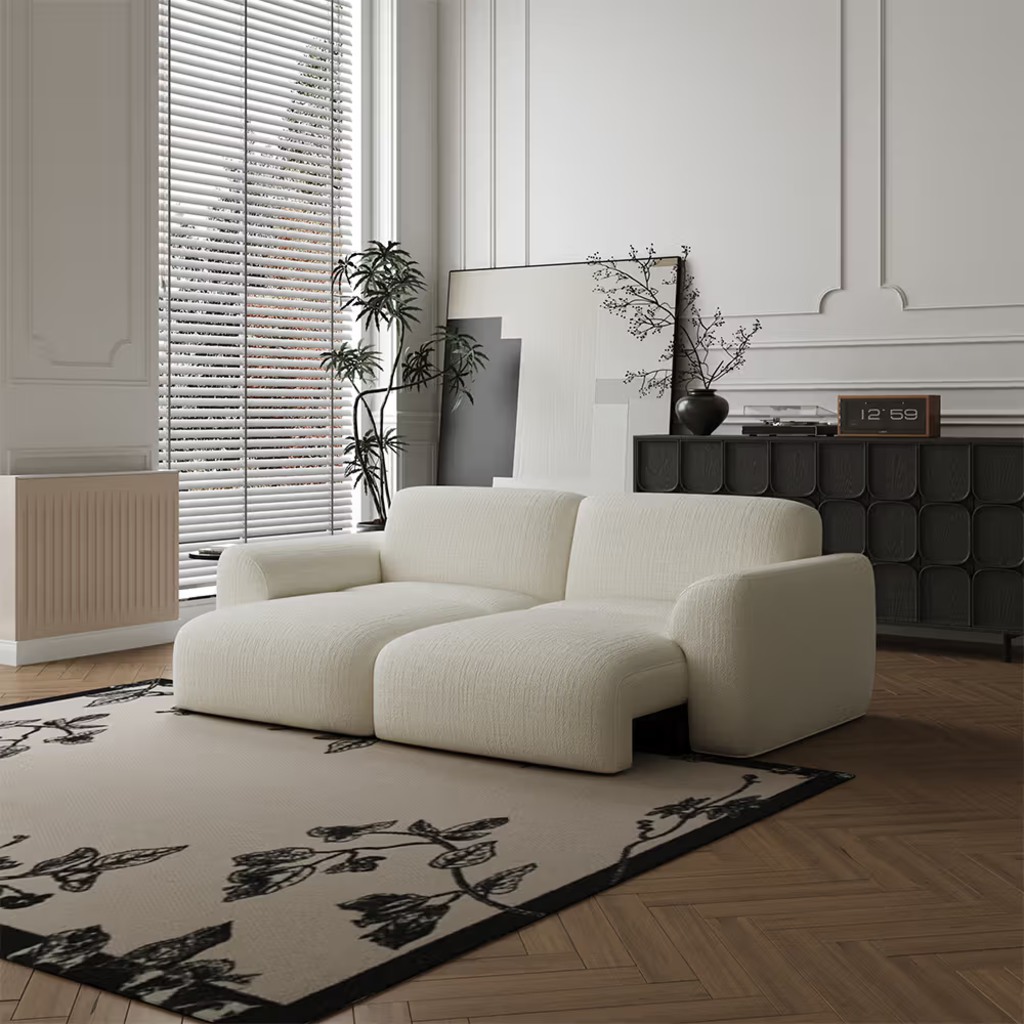
POVISON Aurora Power Sofa Bed
Performance chenille power sofa bed with water- and scratch-resistant upholstery for softer everyday comfort and easier upkeep.
Which Sofa Fabric Is Best for Your Lifestyle?
This is usually where the best choice becomes obvious. Once you match fabric to daily habits, the long list of options becomes much easier to narrow down.
What is the best fabric for homes with pets, kids, or heavy use?
For homes like these, microfiber, performance polyester, and dense textured weaves are usually the best bets. They hide wear better, feel easier to maintain, and create less stress around spills or fur. If your dog treats the sofa like a second bed, how to keep a dog off the sofa can be just as helpful as choosing the best sofa fabric for dogs.
A good product example is this modern power reclining loveseat sofa, which offers a pet-friendly poly option for easier everyday upkeep, along with velvet and linen-look versions for shoppers who want a softer or more elevated finish. That kind of range works well because the same silhouette can suit very different homes depending on the fabric.

What is the best fabric for comfort, style, or a more elevated look?
If your room is calmer and your priority is atmosphere, linen blends, chenille, and velvet often feel more expressive. They can give a sofa more warmth, depth, and character than a purely practical fabric. They also pair especially well with layered modern living room furniture and quieter, lower-traffic spaces.
A friend once swapped a flat polyester sofa for a chenille one in a reading room, and the whole space changed. It did not just look softer. It made the room feel slower, warmer, and more finished the moment you walked in.
Conclusion
The best fabric for sofa use depends on what you want your sofa to do after the first week of ownership. If your home is busy, performance fabric, microfiber, and strong polyester blends are usually the safest choices. If your space is quieter and style matters more, linen blends, chenille, or velvet may feel more rewarding. The right sofa fabric is not the one with the most appealing label. It is the one that still looks good, feels comfortable, and fits your routine after everyday life takes over.
FAQ
What is the easiest sofa fabric to maintain?
Microfiber, performance fabric, and many polyester blends are usually the easiest to maintain. They tend to resist stains better and clean up with less effort than more delicate or open-weave materials, which makes them a strong choice for everyday family use.
Is linen a bad choice for a sofa?
Not at all. Linen can be a beautiful sofa fabric if you want a relaxed, airy look. It simply works best in lower-traffic rooms or homes where you are comfortable with a little more upkeep and a fabric that looks more natural than perfectly crisp.
What fabric is best for a sofa bed couch?
A sofa bed couch usually does best with a durable, lower-maintenance fabric such as microfiber or a performance polyester blend. Since it handles both sitting and sleeping, the fabric should stand up to friction, frequent use, and easier cleaning between guests.
What is the difference between upholstery fabric and regular fabric?
Upholstery fabric is made for furniture use, so it is generally heavier, stronger, and more resistant to wear than regular decorative fabric. It is designed to handle repeated sitting, friction, and cleaning, which is why it performs better on sofas and other high-use furniture.


