 By Jenny Smith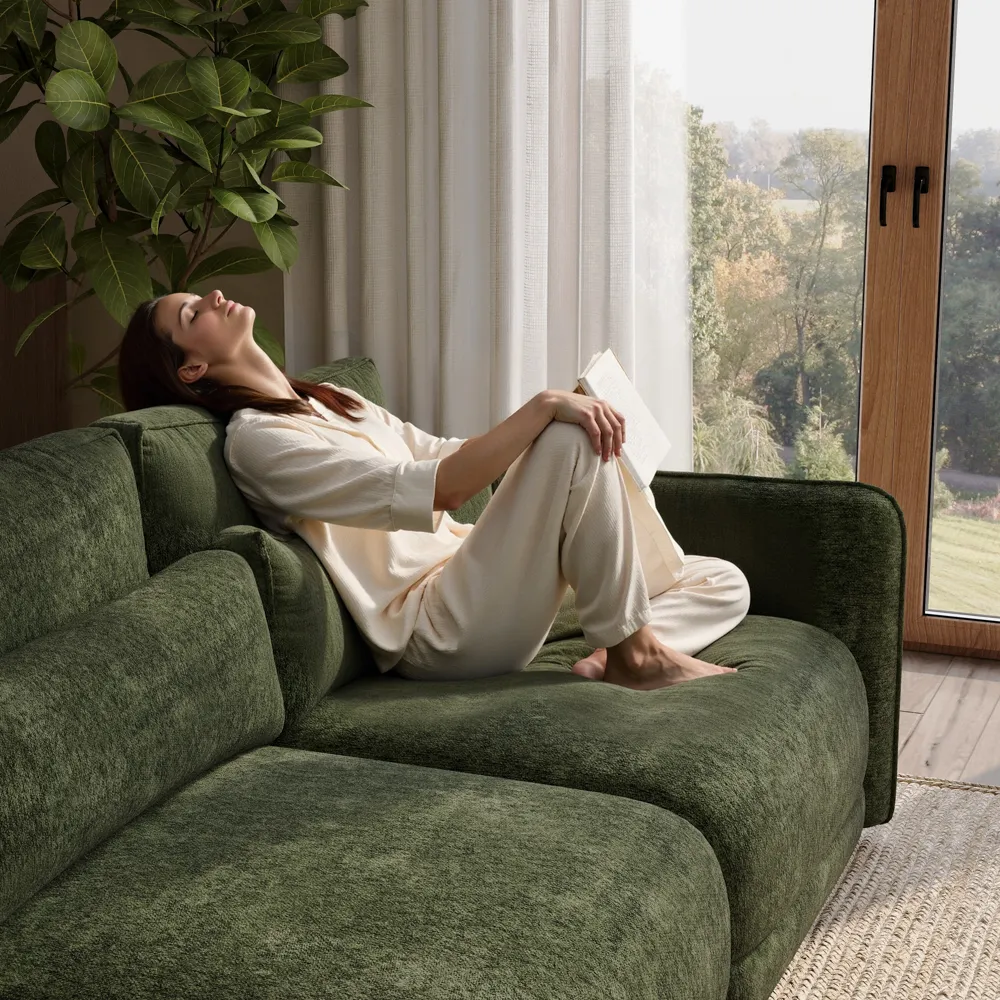
If you have ever touched a sofa that felt warm, plush, and slightly fuzzy, you may have already met chenille. But what is chenille fabric exactly, and is it the right choice for your home? In simple terms, chenille is a soft pile fabric or yarn made by twisting short fibers between core yarns, which gives it that signature caterpillar-like texture and subtle sheen. That construction is why chenille fabric is such a common question among sofa buyers, blanket lovers, and anyone comparing cozy upholstery materials.
What Is Chenille Fabric and Why Is It So Soft?
Before you buy any chenille piece, it helps to understand where the softness comes from. The answer is not just about the fiber itself. It is about how the yarn is built, how the pile catches light, and what modern blends are used today.
The anatomy of softness
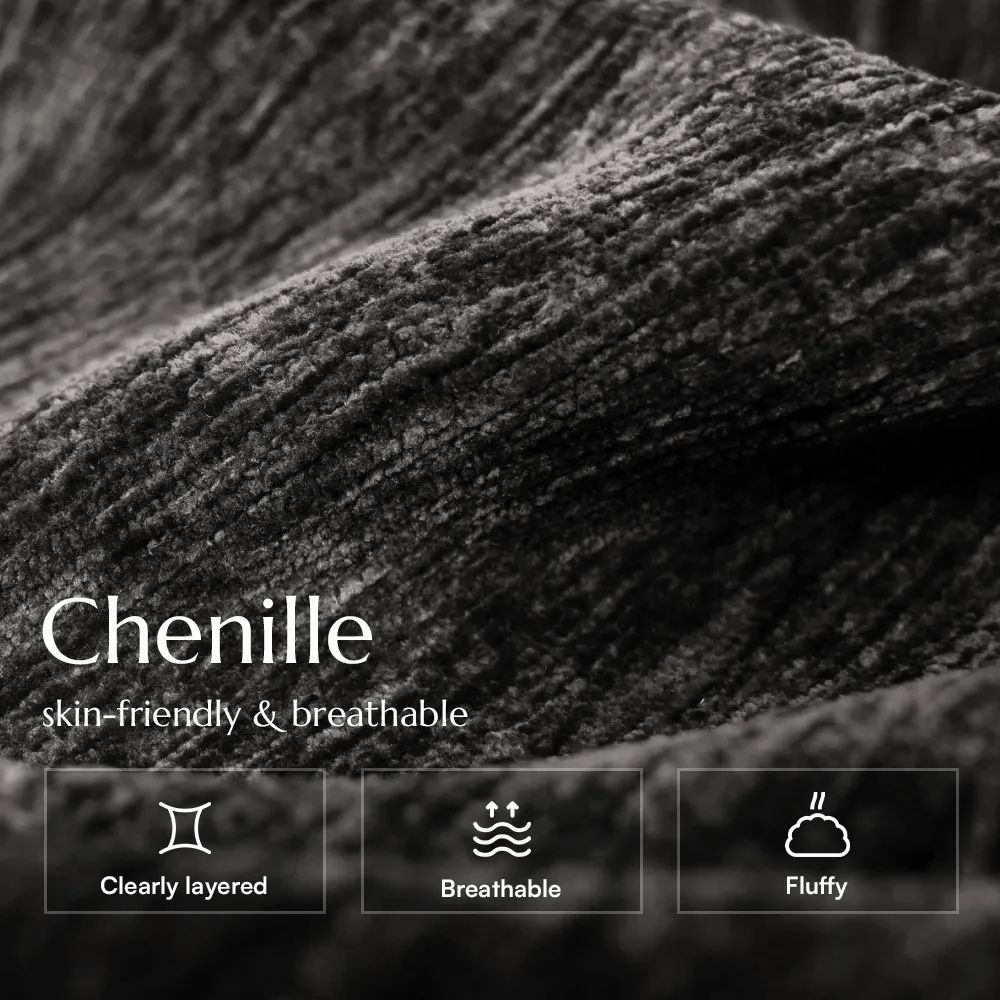
So, what is chenille fabric made from in practical terms? Traditional chenille often used cotton chenille, while modern chenille fabric may also include polyester, acrylic, rayon, or blended fibers. The yarn is formed by trapping short pile fibers between two core yarns and twisting them together, which creates a fuzzy surface that feels dense and cushioned.
Why it has that shimmering look
One reason chenille looks richer than many flat weaves is its directional pile. As the fibers lean in different directions, they reflect light unevenly, which creates a soft, almost iridescent effect. I noticed this once on a warm taupe chenille sofa near a window: in the morning it looked matte and cozy, but by sunset it had a gentle glow that made the whole room feel softer.
What Are the Key Characteristics of Chenille?
Chenille is not just about softness. Its warmth, texture, and wear performance are what make it popular for blankets, accent chairs, and chenille upholstery fabric in everyday homes.
Warmth and texture
Chenille tends to feel warmer than slick or tightly flattened fabrics because the fuzzy pile traps air and creates a thicker hand-feel. That is why it shows up so often in throws, winter textiles, and sofa upholstery meant to feel inviting. For a cozy room, few fabrics feel as instantly comfortable as chenille fabric for sofas.
The pile direction matters
The pile is the raised fiber surface on top of the fabric. With chenille, that pile can shift with touch and use, which changes both feel and appearance. Brush it one way and it may look darker or smoother. Brush it back and it becomes fluffier again. This is one of the defining traits behind the question, what is chenille and why does it feel different from seat to seat?
Durability and double rub count
When chenille is used as upholstery material chenille, durability depends less on the word “chenille” alone and more on the fiber blend and abrasion rating. Upholstery fabrics are often tested by double rub count, a standard that measures how much friction a fabric can take before showing wear. Around 15,000 double rubs is generally suitable for domestic use, while 30,000 or more is often considered heavy duty.
What Are the Pros and Cons of Using Chenille?
Like any upholstery material, chenille has clear strengths and a few trade-offs. This is the section that matters most if you are deciding between comfort, looks, and long-term maintenance.
The benefits
Chenille stands out for three reasons: it feels thick, looks elevated, and instantly makes a room feel warmer. Compared with many plain weaves, chenille fabric has more depth and visual softness. It is especially appealing if you want a relaxed but polished look for a living room or reading corner.
- Soft hand-feel that feels cozy right away
- Rich texture that adds visual depth
- Warm appearance that suits inviting interiors
- Versatile use for throws, cushions, and upholstery
The drawbacks
Chenille is not the best fit for every household. Because it has a raised pile, it can snag, flatten, or pill with heavy friction. Some chenille fabrics may also stretch slightly over time, especially if the weave is loose or the cushions get uneven daily pressure. That is why blend quality matters more than appearance alone.
A note for pet owners
If you share your sofa with pets, think carefully before buying chenille upholstery fabric. Cat claws can catch the loops or pile, and pet hair tends to cling to fuzzy surfaces. In busy homes, tightly woven synthetics or performance fabrics may be easier to live with day to day. POVISON’s own sofa fabric guide makes a similar point when comparing comfort with real-life maintenance needs.
How Does Chenille Compare to Velvet and Microfiber?
Many shoppers do not ask only “what is chenille fabric.” They also want to know how it performs next to velvet or microfiber. That comparison matters because these three fabrics can look soft online, yet feel very different in real homes.
Chenille vs. velvet
In the chenille vs velvet debate, chenille feels fuzzier and more casual, while velvet looks smoother, denser, and more formal. Velvet often has a cleaner, more uniform pile and a stronger light-reflective finish. Chenille, by contrast, feels thicker and more relaxed, which is why many people prefer it for family seating rather than formal accent furniture.
Chenille vs. microfiber
Microfiber usually wins on stain resistance and low-maintenance care. It is tightly woven, practical, and easier to clean. Chenille wins on texture, warmth, and a more tactile luxury. I once tested both on sample swatches at home, and the microfiber felt efficient, but the cotton chenille sample was the one everyone kept touching twice. That reaction says a lot.
Quick comparison table
| Fabric | Feel | Best For | Durability | Stain Resistance | Maintenance |
| Chenille | Plush, textured, warm | Cozy living rooms, throws, a chenille sofa | Medium to high, depending on blend | Moderate | Moderate |
| Velvet | Smooth, dense, luxe | Formal seating, statement pieces | Medium | Low to moderate | Moderate to high |
| Microfiber | Soft, tight, practical | Family rooms, kids, pets | High | High | Low |
How Do You Clean and Maintain Chenille Fabric?
The good news is that chenille can stay beautiful for years with the right routine. The key is gentle care. This is not a fabric that likes aggressive scrubbing or heavy heat.
Blot, do not rub
When spills happen, act fast but stay gentle. Blot with a clean, dry cloth instead of rubbing. Rubbing can crush the pile, spread the stain, and rough up the surface. For many fabric sofas, low-moisture spot cleaning works best, but always check the care tag first because some chenille items are safer with professional cleaning only.
Vacuuming and brushing
Regular maintenance is simple. Use a soft brush attachment to remove dust and crumbs, then lightly brush the fabric to help the fibers stand back up. On a chenille sectional, this small habit can make the seat look fresher and more even, especially in high-use spots.
Professional care
For higher-end chenille, dry cleaning or professional upholstery cleaning is often the safest option. High heat and over-wetting can flatten the pile or distort the fabric. If you are unsure, follow the manufacturer’s code first. A gentle cleaning routine like the one described in how to clean a fabric sofa is usually the better starting point than a strong DIY treatment.
A good example of chenille used well is this retro hand-tufted green chenille sofa. It shows why chenille remains popular: the fabric looks soft and inviting, the texture adds depth, and the overall feel suits a living room designed for long, relaxed evenings rather than formal sitting.
Conclusion
So, what is chenille fabric best for? It is a smart choice if you want softness, warmth, and a richer texture than flat woven upholstery can offer. Chenille is versatile and beautiful, but it does need thoughtful care and may not be ideal for every pet-heavy or high-chaos room. For a cozy home, reading nook, or lounge-first living room, chenille fabric can feel wonderfully indulgent. For the busiest family spaces, a durable synthetic blend with a strong rub count is usually the safest way to enjoy that same plush look.
Frequently Asked Questions
Does chenille fabric attract dust more than other fabrics?
Yes, chenille can hold onto dust a bit more than flatter fabrics because of its raised pile. The fix is simple: vacuum weekly with a soft upholstery attachment. That keeps the surface looking cleaner and prevents dirt from settling deep into the fibers.
Does chenille fade in sunlight?
It can. Like many upholstered fabrics, chenille may fade or look uneven if it gets strong direct sun every day. Rotating cushions, using curtains, or placing the sofa away from harsh afternoon light helps the color stay more consistent over time.
Is chenille a good choice for cold climates?
Yes, that is one of its biggest strengths. Chenille feels warmer and cozier than slick surfaces, so it works especially well in cooler rooms or winter-heavy regions. That plush texture can make a sofa feel more inviting the moment you sit down.
Should you buy chenille online without seeing a swatch?
Only if the seller provides clear fabric details. Because chenille varies a lot by fiber blend, weight, and rub count, a sample is the safest option. Swatches help you judge softness, pile direction, and whether the texture suits your room and routine.


