 By Jenny Smith
Even designers rarely land on the perfect floor plan on the first try. Most test three or four versions before a room finally feels right. That is why the best living room layout ideas are never about copying a pretty photo. They are about giving the room space to breathe, making movement easy, and matching the plan to real life. Once you stop chasing looks and start designing around need, living room layout ideas become far more practical, comfortable, and lasting.
How to Identify the Natural Focus of Your Living Room?
Before testing different living room layout ideas, pause and study the room itself. The best layouts usually begin with what is already there, not with a sofa you want to buy. When you understand the room’s strongest feature and its real purpose, the rest of the room design layout becomes much easier to shape.
What is the “Architectural Anchor”?
Every room has one feature that should lead the layout. It might be a fireplace, a picture window, a built-in wall, or simply the clearest open wall in the room. That feature is your architectural anchor.
In practical living room design, this anchor helps decide where the main seating should face and how the rest of the room layout should unfold. When the furniture supports that focal point, the space feels calmer, more balanced, and easier to use.
Why you should define the “Primary Activity” first?
Before choosing among different living room layout ideas, ask how the room will be used most. Is it mainly for conversation, watching TV, reading, or everyday family lounging? That answer should guide the layout more than trends do.
This step is especially important when planning ideas for designing a living room in open or multi-use homes. A social-first plan may bring seating inward, while a media-first living room layout needs a clear view of the screen. Once the main purpose is clear, better living room floor plans follow naturally.
What Are the 7 Best Layout Patterns for Different Room Shapes?
Once you know the room’s focal point and purpose, the next step is choosing a layout that suits the shape of the space. The best living room layout ideas are usually simple templates adjusted to fit your daily life, traffic flow, and furniture scale.
1. Start with a balanced layout
A balanced layout is one of the easiest living room arrangement ideas for square rooms. Place a sofa opposite two chairs, or use two facing sofas around a coffee table. This creates symmetry, makes conversation easy, and gives the room a calm, polished feel.
2. Use a sectional to define the corner
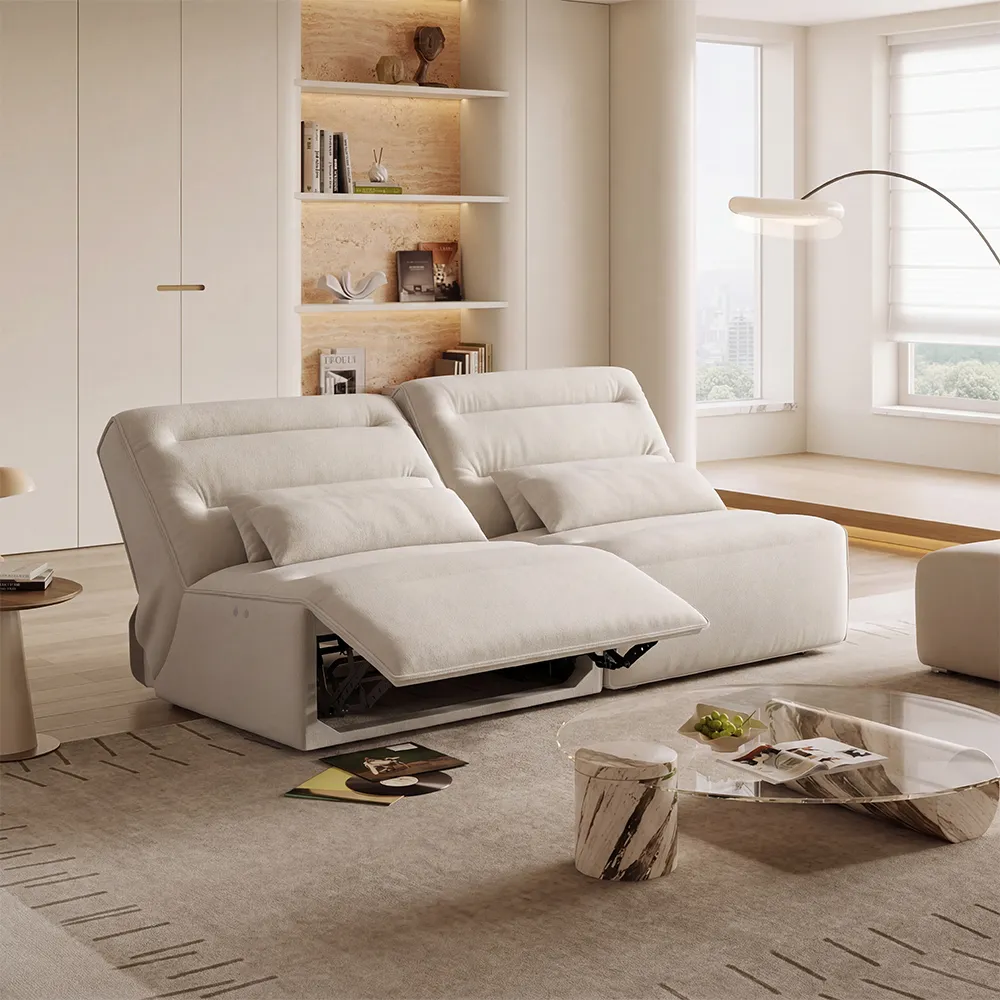
A sectional is one of the smartest ideas for designing a living room in open-plan homes. It helps define the seating area without adding walls and gives the living room layout a stronger sense of structure.
POVISON’s Armless Power Reclining Sofa works especially well here, since the built-in storage keeps the space tidy while the modular shape supports a flexible sofa layout living room.
3. Float furniture away from the walls
In larger rooms, pulling furniture inward often creates a better room layout than pushing everything to the edges. A floating setup makes the space feel more intentional and helps the seating area feel connected rather than scattered.
This is also one of the most effective living room layout ideas when you want the room to feel airier and more high-end.
4. Keep a long room moving
For narrow spaces, keep the furniture arranged along the length of the room while preserving a clear walkway. This approach supports flow and avoids the “bowling alley” effect that often appears in awkward long living room ideas.
It is one of the most practical living room floor plans for homes where movement matters as much as seating.
5. Angle one piece to soften the box
If the room feels too square or stiff, angle one chair or side table slightly. A small shift like this can soften a rigid room design layout and add energy without making the room feel messy.
The key is to use just one angled piece so the layout still feels controlled.
6. Divide the room into clear zones
When one room needs to do more than one job, divide it into simple zones. A rug, lamp, or accent chair can help separate lounging from reading or working, which makes this one of the most useful ideas living room layout options for modern homes.
In smaller spaces, small living room ideas often work best when each zone feels purposeful instead of crowded.
7. Build a layout around conversation
Not every living room design needs to center on the TV. A conversation-focused setup places seating inward, often with a sofa and two angled chairs, to create a warmer and more social mood.
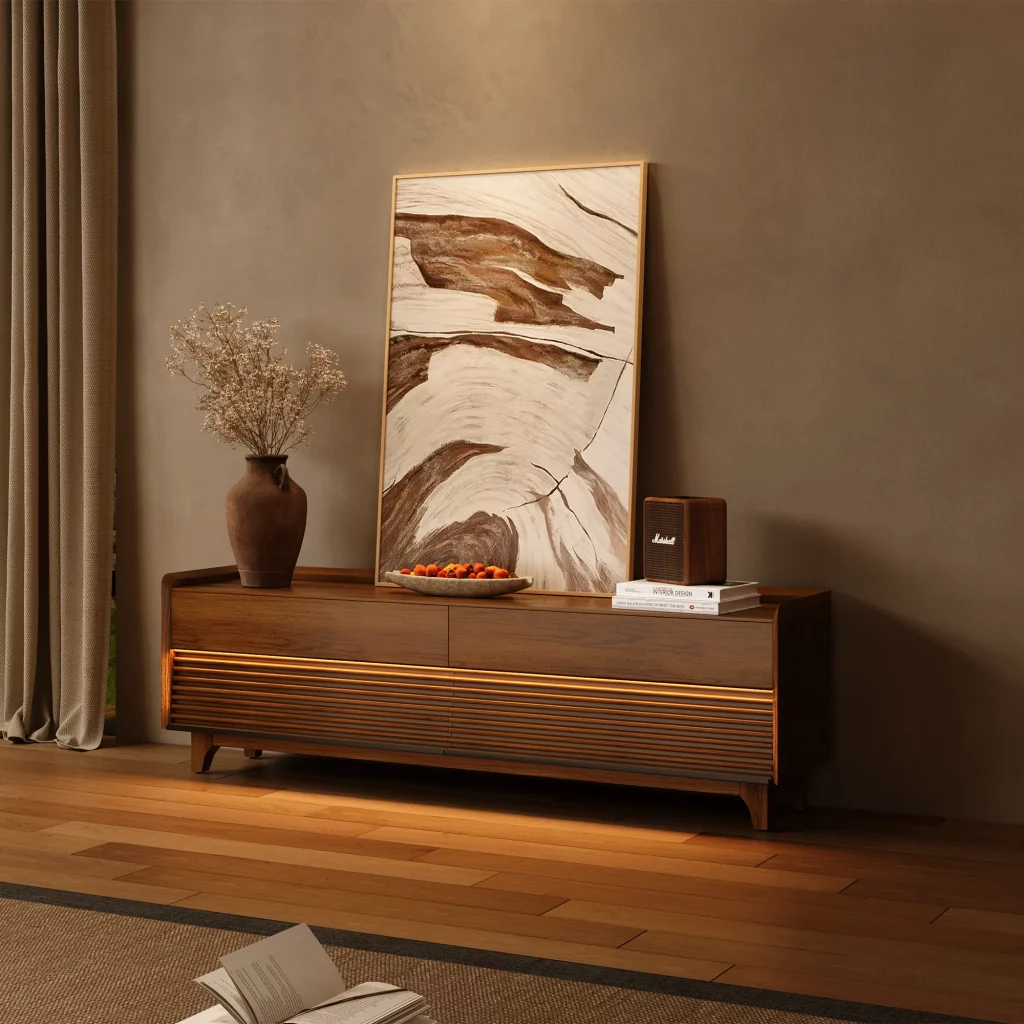
If you still want media storage, POVISON’s Mid-Century Modern TV Stand with Adjustable Light fits neatly into this kind of sitting room furniture layout, keeping the screen area visually lighter and more refined.
| Layout pattern | Best for | Main strength | Watch out for |
| Symmetrical | Square rooms | Formal balance | Can feel stiff |
| L-shaped sectional | Open concept | Defines zones | Needs enough depth |
| Floating plan | Large rooms | Airy, upscale feel | Needs rug anchoring |
| Linear setup | Narrow rooms | Better traffic flow | Can feel flat |
| Diagonal angle | Small or boxy rooms | Adds energy | Easy to overdo |
| Zoned layout | Hybrid living | Multi-use function | Needs visual order |
| TV-optional circle | Social homes | Better conversation | Less screen focus |
Why “Flow and Scale” Are More Important Than Style?
A stylish room still feels wrong when the spacing is off. The most successful living room layout ideas work because people can walk easily, reach surfaces comfortably, and sit without feeling squeezed.
What are the essential clearance rules for walkways?
A few measurements can instantly improve your room layout. Aim for about 36 inches of clearance in major walkways so movement feels easy, and keep roughly 16 to 18 inches between the sofa and coffee table for comfort. These simple guidelines help even compact living room floor plans feel more open, functional, and easier to navigate.
Why does the dictate your entire layout?
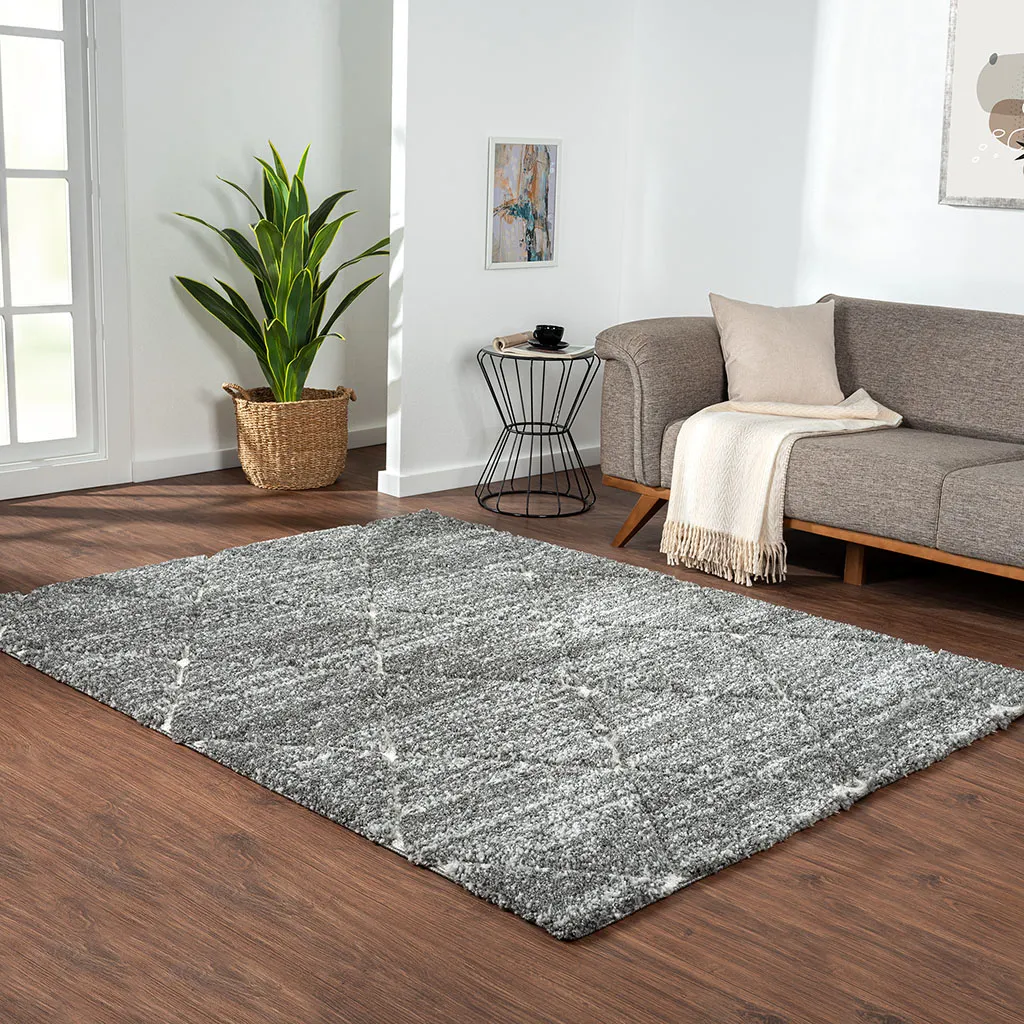
Rug size sets the visual boundary of the seating area, which is why it affects the whole living room layout. In most rooms, the rug should sit under at least the front legs of the main seating pieces so the arrangement feels connected rather than scattered. A well-proportioned rug often does more for balance than any accent piece, which is why living room rug placement size guide is such a useful reference when planning scale.
How to Layer Your Layout with “Secondary Zones”?
Once the main seating group is set, the room still needs support spaces. These smaller zones add function, use awkward corners, and make the overall living room design feel richer and more finished.
Why does every room need a reading nook or accent corner?
A secondary corner gives the room another purpose beyond the sofa. An accent chair, a side table, and a lamp can turn an empty area into a reading spot or quiet retreat, which is one of the most effective ideas for designing a living room that feels considered rather than overfilled.
I once styled a small corner with a low chair, a pleated shade lamp, and one stacked book tray, and it changed how the whole room was used. That one small zone made the living room layout feel warmer and far more complete.
How can you use vertical space to balance a floor plan?
When all the furniture sits low, the room can feel visually heavy. Adding height through curtains, shelving, wall art, or floor lamps helps balance the wider lines of a sofa and improves the overall room design layout. This is also why thoughtful living room lighting ideas can shape the room just as much as furniture placement.
5 Common Layout Mistakes to Avoid
Even strong living room layout ideas can fail because of a few avoidable habits. These mistakes usually have less to do with taste and more to do with comfort, scale, and daily use.
- The wall-hugging trap: Pulling everything to the edges often makes the center feel empty instead of spacious.
- Misjudging scale: A huge sectional can swallow a small room, while tiny furniture gets lost in a large one.
- Ignoring lighting layers: One ceiling light cannot support relaxing, reading, and hosting.
- Mounting the TV too high: It looks dramatic, but it is rarely comfortable.
- Blocking natural light: High-backed pieces in front of windows can flatten the room instantly.
Conclusion
The best rooms are not just pretty. They work. That is why the strongest living room layout ideas always sit at the intersection of aesthetics and ergonomics. Start with your architectural anchor, define the room’s real job, and measure your key clearances before buying anything new. Once flow, scale, and focus are right, the rest of the design becomes easier. Good layout is not guesswork. It is the quiet structure that makes everyday living feel natural.
FAQ
Can I put a sofa in front of a window?
Yes, if the window is not your only major light source and the sofa back is relatively low. Leave a little breathing space between the frame and the furniture, and avoid blocking operable windows. In many small rooms, this move actually improves the living room layout by freeing up a stronger wall for storage or media.
How do I choose the right rug size for a sectional?
Start with the sectional’s footprint, not the room size alone. In most cases, the rug should sit under at least the front legs of the sectional and extend beyond the chaise or main seat line enough to feel intentional. A too-small rug is what makes many living room floor plans feel disconnected.
What is the ideal viewing distance for a 65-inch TV?
A good everyday range is about 6.5 to 8.9 feet, depending on whether you prefer a more immersive or more relaxed view. If your sofa lands much farther back, the screen can feel visually weak. If it sits much closer, movie nights may feel intense instead of comfortable.


