 By Jenny Smith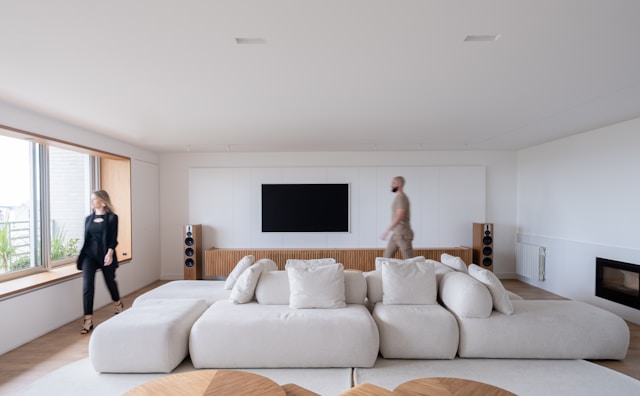
What is a modular sofa? In simple terms, it is a sofa made from movable sections that can be arranged in different ways. That flexibility is a big reason modular designs have become so popular in modern homes. They work well for changing layouts, growing families, and people who want furniture that adapts instead of staying fixed. In this guide, you will learn what a modular sofa is, how it compares with other couches, and how to choose one that fits your room and routine.
What Is a Modular Sofa?
A modular sofa is a seating system built from separate pieces that connect to form one larger couch. Instead of buying one fixed frame, you get individual units that can be combined, moved, or expanded over time. That is the basic answer to what Is a modular Sofa, and it is also why many shoppers connect it to the broader idea of what is modular furniture or a modular furniture system.
What makes a sofa modular?
What makes a sofa modular is the way each section works as part of a larger whole. A typical modular couch system may include corner units, armless seats, ottomans, and chaise pieces that lock together but can also be rearranged. This style of modular seating gives you more control than a fixed couch. In practice, a modular sectional sofa can turn from a lounge setup into a guest-friendly layout with very little effort.
How Is a Modular Sofa Different From Other Sofas?
Not every multi-piece couch works the same way. To choose wisely, it helps to understand where modular sofas fit among the most common type of couch options and how they compare with standard sofas and sectionals.
Modular sofa vs sectional vs standard sofa
A standard sofa usually has one fixed shape, so what you buy is what you keep. A sectional has multiple connected parts, but not every sectional is designed to be moved around often. That is where the sectional vs sofa conversation gets more useful: a modular design is usually more flexible than either. If you have ever wondered what is a sectional or looked up a sectional definition, think of it as a sofa with joined sections. Some are modular, but some are not.
| Sofa Type | Structure | Flexibility | Best For |
| Standard sofa | One fixed frame | Low | Simple rooms, fixed layouts |
| Sectional sofa | Two or more joined sections | Medium | Larger seating needs, corner layouts |
| Modular sofa | Separate movable modules | High | Changing homes, open layouts, custom seating |
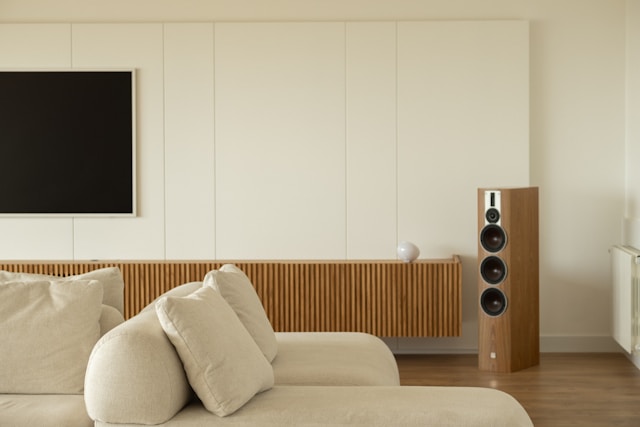
Many traditional section sofa or section couch designs are great once placed, but they do not always let you change the layout later. A modular sofa does. That extra freedom is often the biggest difference.
I noticed this myself while helping a friend set up a narrow city apartment. Her old fixed sofa blocked the walkway, but once she switched to a compact modular layout with a chaise on the window side, the room felt easier to use by the end of the same afternoon.
In many living room discussions, the difference between a modular layout and what is a sectional becomes clear when you start thinking about reconfiguration rather than just size.
Why Do People Choose a Modular Sofa?
The appeal of a modular sofa is not just style. People choose it because real homes change. Families grow, apartments shift, guests stay over, and sometimes you simply want the room to work differently from one season to the next.
What are the main benefits of a modular sofa?
The biggest benefit is layout flexibility. A modular sofa can fit a corner, divide an open-plan room, or float in the middle of a larger space. It is also easier to move than one oversized couch because each unit can be carried separately. That matters in apartments, stairwells, and homes with tight doorways. For many people, the answer to what is a modular sofa is really about freedom: freedom to adjust, expand, or simplify.
Another benefit is that it works with real life. If you host friends often, you can create more conversation seating. If you mostly relax with family, you can build a lounge-style setup. In open rooms, a sofa corner modular layout can help define the living area without adding walls.
When is a modular sofa the better choice?
A modular sofa is often the better choice for people who move often or expect their needs to change. It also suits homes where one room has to do several jobs, such as movie nights, casual work, and weekend entertaining. If you want the option to add or remove pieces later, modular furniture makes more sense than a fixed couch.
That is also why many apartment shoppers lean toward flexible layouts. Compact sectional and modular options are often chosen because they maximize seating without making the room feel crowded.
What Types of Modular Sofas Are Available?
Once you understand the concept, the next step is seeing how these sofas are actually sold. Most modular options fall into a few clear layout categories, and knowing them makes shopping much less confusing.
What are the most common modular sofa layouts?
The most common layouts are L-shaped, U-shaped, chaise-ended, pit-style, and compact apartment-friendly arrangements. L-shapes are popular because they balance seating and floor space. U-shapes work best in larger family rooms. Chaise-ended designs give you that lounge feel without using as much width, while pit-style setups are built for deep comfort and casual gathering.
Compact layouts are especially useful in smaller homes. A smaller modular arrangement can still provide enough seats while keeping walkways open, which is one reason people comparing a couch modular sofa with a fixed couch often choose the modular option. A lot of these room-planning ideas also overlap with choosing a small sectional sofa for apartment.
What pieces can a modular sofa include?
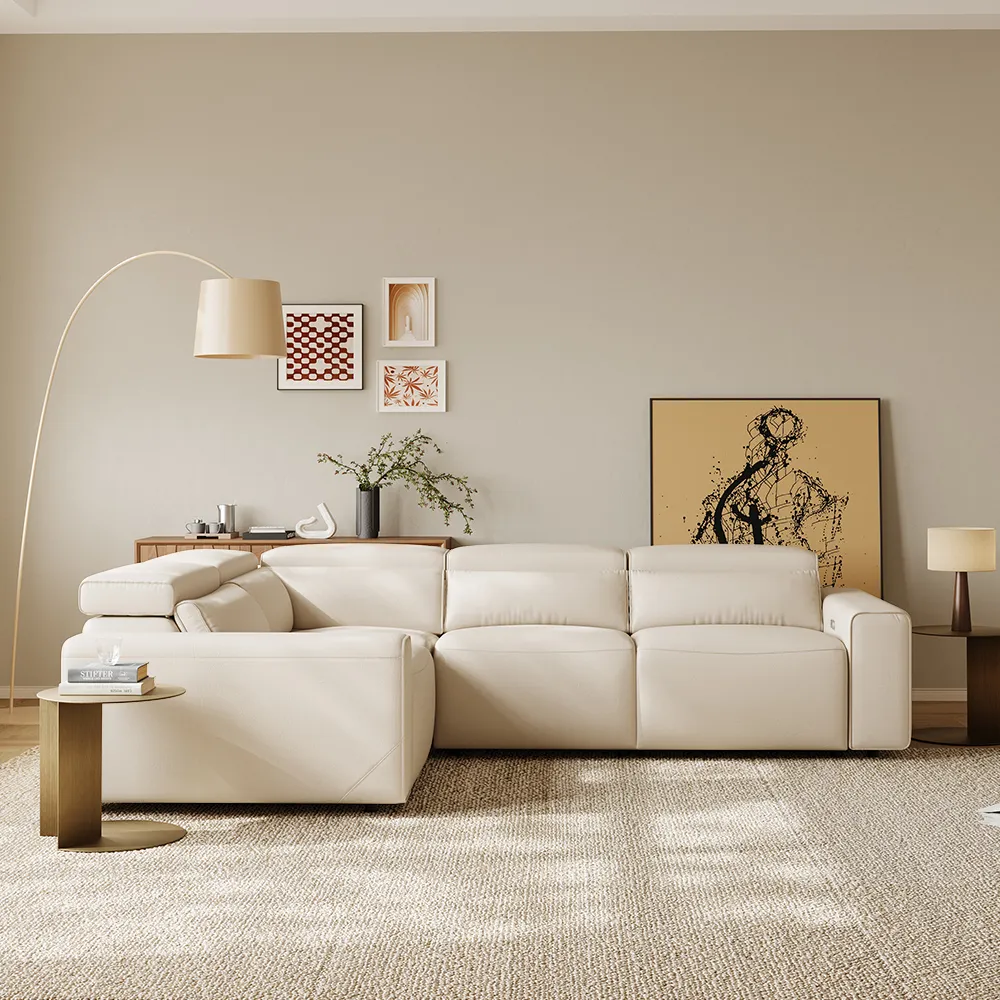
A modular sofa can include corner modules, middle seats, ottomans, chaise sections, and sometimes recliner or sleeper units. The exact combination depends on the brand and design. Some systems keep it simple with three or four pieces, while others let you build a much larger modular furniture system over time.
A good example is this power reclining modular couch, which combines modular flexibility with features like reclining seats, an adjustable headrest, and USB/Type-C charging. It is also made with eco-friendly performance leather designed to be durable and easy to clean, which makes it appealing for everyday family use.
How Do You Choose the Right Modular Sofa?
A modular sofa can be a smart buy, but only if the size, shape, and features match the way you actually live. Before you buy, focus less on trend names and more on room fit, comfort, and long-term use.
What size and layout work best for your room?
Start by measuring wall length, room depth, and walkways. Think about whether the sofa will sit against a wall, tuck into a corner, or float in the room. Then match the layout to your daily use. A family that watches movies may want deeper seats and a chaise, while a household that hosts often may prefer a cleaner conversation layout.
I once tested a deep modular setup in a large open living room, and the surprise was how much traffic flow mattered. The sofa looked great on paper, but shifting one armless module by just a foot made the path from the kitchen to the balcony feel completely natural.
What features should you pay attention to?
Look closely at upholstery, cushion support, and the connectors between modules. A beautiful sofa is less useful if the pieces slide apart or the seat comfort breaks down quickly. If you have kids or pets, fabric choice matters even more. Tight weaves, performance materials, and easy-clean surfaces usually hold up better in busy homes. That is where a practicalsofa fabric guide can help you compare durability and maintenance before you buy.
Are There Any Downsides to a Modular Sofa?
A balanced buying decision should include the drawbacks too. Modular sofas are flexible, but flexibility only helps when the design and quality are strong enough to support daily use.
What should you know before buying?
Some modular sofas can look bulky in small rooms, especially if the seats are extra deep. Lower-quality pieces may also shift, separate, or wear unevenly over time. More modules are not always better, either. A smart layout matters more than buying the biggest possible set.
Price can also be higher at first, especially for well-built systems. Still, good modular sofas often justify that cost by lasting longer and adapting to new spaces instead of being replaced quickly. Cheaper options are more likely to sag, slide, or feel unstable with daily use.
Conclusion
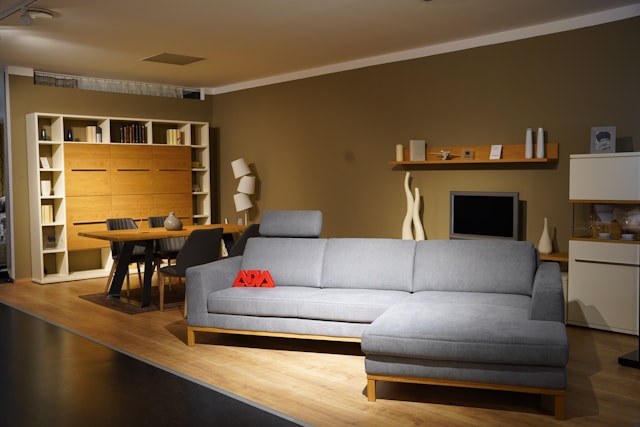
So, what is a modular sofa? It is a flexible, customizable seating solution built for homes that change over time. It can suit small apartments, open-plan living rooms, and growing households because the layout is easier to adjust than a fixed couch. The best option depends on your room size, traffic flow, comfort needs, and how you actually use the space. In the end, the right modular sofa balances flexibility, comfort, and scale so your living room works better now and later.
Q&A
Is a modular sofa the same as a sectional?
Not exactly. Some modular sofas are sectionals, but not all sectionals are modular. A sectional may come in multiple parts, while a modular sofa is specifically designed to let you rearrange or expand the layout more easily over time.
Can a modular sofa work in a small space?
Yes, as long as the proportions are right. A compact modular design with fewer pieces can fit small rooms well, especially when it keeps walkways clear and avoids bulky arms or oversized corners.
Is a modular sofa worth buying?
For many homes, yes. It gives you flexibility, easier moving, and more ways to adapt the layout later. It is often worth it for people who want long-term usefulness instead of a one-shape-only couch.
What is the difference between modular furniture and regular furniture?
Modular furniture is made from separate parts that can be moved, changed, or expanded. Regular furniture usually comes in one fixed form. The difference is adaptability: modular pieces are built to change with your room and lifestyle.


