 By Jenny Smith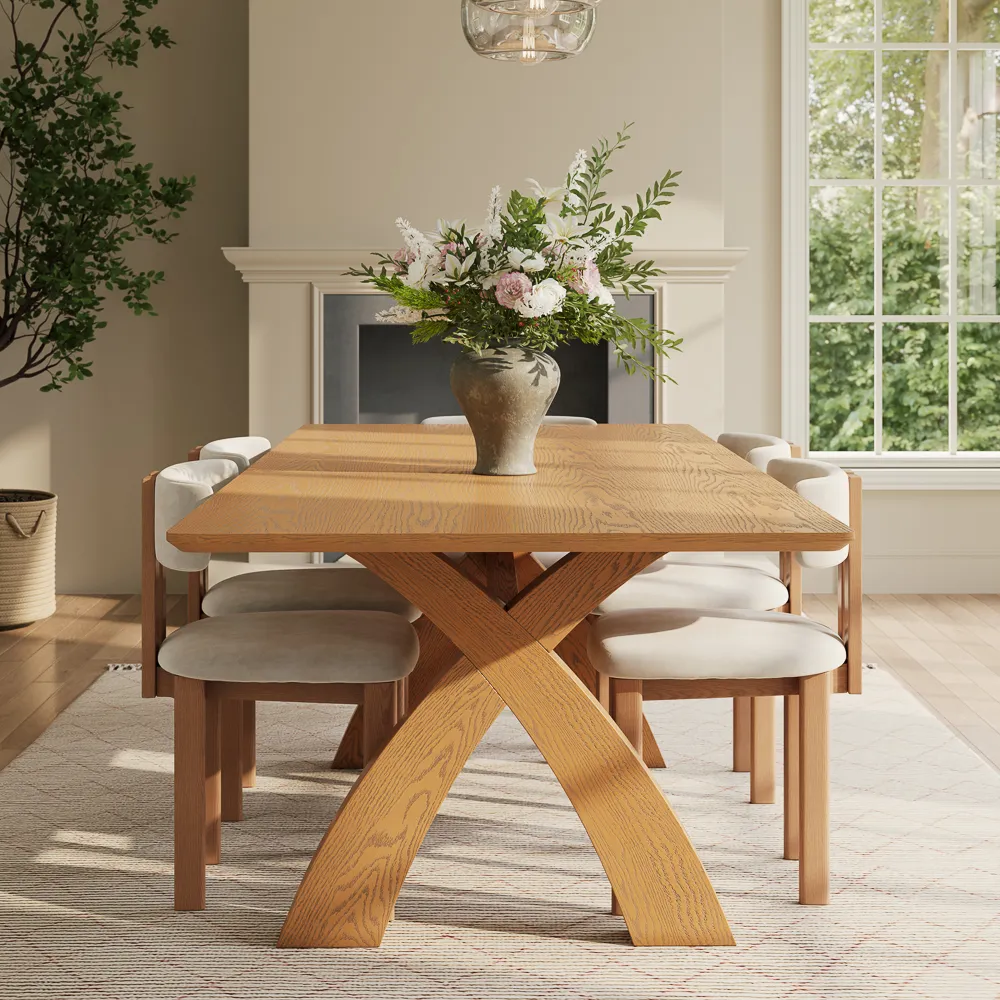
A well-matched dining table and chairs set does more than look pretty. It affects how many people you can seat, how easy it is to move around, and how relaxed everyone feels during meals. As more people cook and entertain at home—68% of consumers say they’re trading restaurant visits for groceries to save money (Vericast 2024 Restaurant TrendWatch Survey) (Talk Business & Politics)—your dining space has to work harder.
Step 1 – Understand Your Dining Space Before Choosing a Dining Table and Chairs
Measure your room and plan circulation space
Start by measuring the full length and width of the room, then note anything that steals space: doors, windows, radiators, columns, and main walkways. Next, sketch your dining zone and draw your ideal table in the center. Interior designers typically recommend at least 36–38 inches of clearance between the table edge and any wall or furniture so guests can push chairs back and walk behind comfortably (DKOR Interiors dining room guide).
In open-plan rooms, use a rug, pendant light, or sideboard to visually “frame” the dining area. Imagine a simple top-down infographic: table in the middle, chairs pulled out, and a clear band of circulation space sketched all around it—this is what you’re aiming for in real life.
Decide seating capacity and daily usage
Think about how you actually live: How many people sit down most nights? How often do you host six or eight guests? Do you have kids who need extra elbow room or grandparents who prefer sturdy armchairs? A key ergonomic rule is to allow around 24 inches of table edge per adult so no one is bumping elbows; 27–30 inches feels more luxurious for long dinners (based on anthropometric guidelines summarized by Coohom).
If you host often but don’t want a huge table every day, choose an extendable dining table and chairs: size it for your usual household, then add leaves and extra chairs only when needed. This avoids both overcrowding and a cavernous, half-empty table.
Step 2 – Design Rules for Matching Dining Table and Chairs
Match the style: coordinated vs. mixed-and-matched
Fully matching dining tables and chairs sets feel safe and polished, but if everything—table, chairs, sideboard—comes from the same collection, the room can look a bit flat. Many designers now favor a coordinated mix rather than a strict match, combining pieces within the same style family: minimalist, farmhouse, mid-century, modern luxury, and so on.
A simple formula: choose one “hero” piece (often the table), then let the chairs play a supporting role. For example, a bold sculptural table with slim neutral chairs, or a classic wood table with statement upholstered seats. To keep a mixed set cohesive, repeat at least one element—leg shape, wood tone, or metal finish—across both table and chairs. For visual examples, explore POVISON’s modern dining table set matching guide.
Color and material coordination that always works
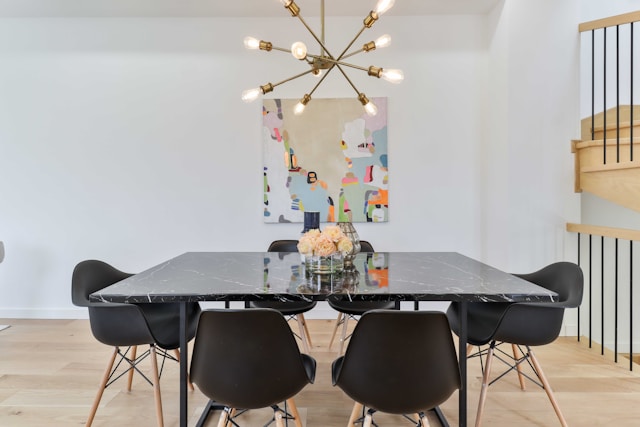
When in doubt, keep your dining table and chairs palette simple and build from there. Wood tables with white or beige fabric chairs feel warm and timeless, while a black dining room table and chairs combo gives sharper, gallery-like contrast. Black table + light fabric chairs also hides tabletop wear while keeping the room bright.
Balance warm and cool tones: a cool white marble table looks softer with warm oak or tan leather chairs; a deep walnut table pairs nicely with chairs upholstered in cooler gray or blue. Use chair upholstery to echo other decor—your rug, curtains, or wall color—so the entire room feels intentionally pulled together. For a quiet-luxury look, check POVISON’s minimalist dining room ideas.
Step 3 – Pairing Different Table Shapes With the Right Dining Chairs
Rectangular and extendable dining table and chairs
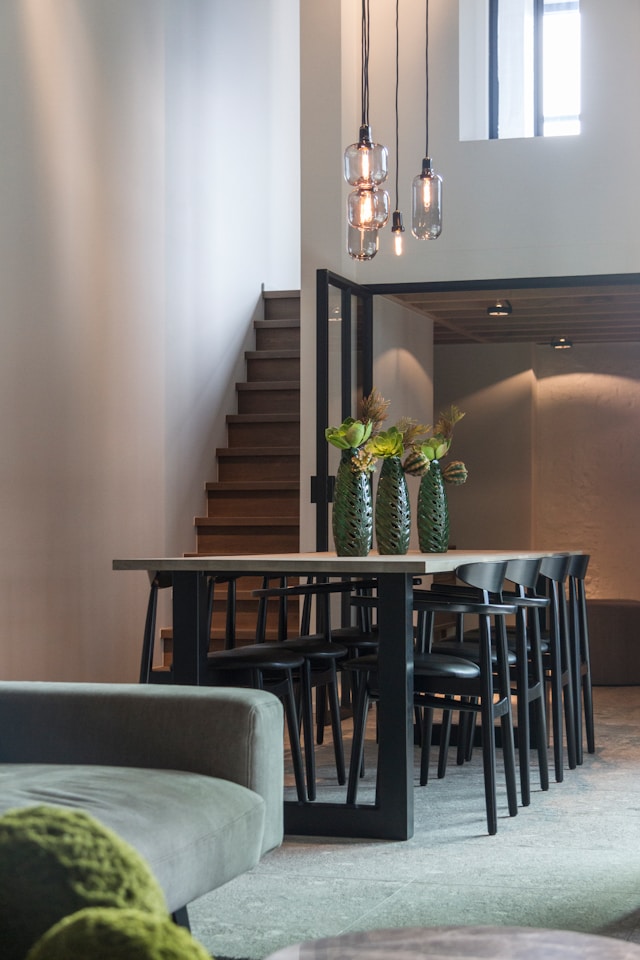
A rectangular dining table and chairs set is ideal for long rooms, big families, or anyone who hosts game nights and holiday feasts. It naturally lines up with walls and can double as a work surface. Use armless side chairs along the long edges, then consider slightly wider armchairs at each end to create a subtle “head of table” effect.
Pay attention to the base. Chunky trestle legs or corner legs can clash with thick chair legs and make it hard to tuck in seats, especially when the table extends. If you love a leggy chair, look for a rectangular table with a pedestal or inward-set trestle so your knees and chair legs have space to breathe.
Round and oval tables with dining chairs
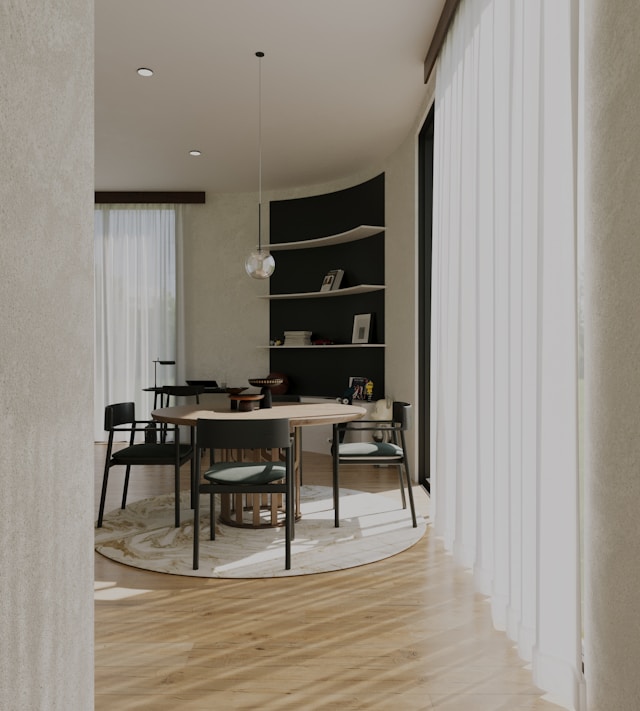
Round and oval tables shine in square rooms, breakfast nooks, and compact apartments. A round dining table and chairs layout keeps everyone at equal distance for easy conversation and eliminates sharp corners—handy if you have kids zipping past. In one small city apartment I worked on, swapping a narrow rectangle for a 42-inch round dining room table and chairs instantly stopped hip bumps and made the space feel calmer.
Look for chairs with slim, open bases and curved or low backs so the silhouette flows around the circle. For a three- to four-seater round table and chairs dining setup, 36–42 inches in diameter usually works; 48 inches can handle four to six chairs if you keep the chair frames light.
Square and compact dining table and chairs for small spaces
Square tables work best in genuinely tiny dining corners or kitchen nooks where every inch counts. They seat two to four comfortably without wasting a long walkway on either side. For small spaces, choose chairs whose seats slide fully under the table and avoid outsized arms or super-high backs that overwhelm the room.
Space-saving tricks include using a bench along one wall, clear or slim-framed chairs that visually “disappear,” and a table with rounded corners to soften traffic paths. Pair a compact square table with two everyday chairs, then keep two stacking or foldable chairs nearby for occasional guests.
Step 4 – Material & Finish Combos: From Wood to Marble Table and Dining Chairs
Classic wood tables with upholstered chairs are cozy and forgiving for everyday life; they hide minor scuffs and feel warm under lamplight. Glass-top tables with slim metal chairs, on the other hand, are great for small or darker rooms because they reflect light and keep sight-lines open.
If you’re eyeing a marble table and dining chairs set, treat the table as the star and keep the chairs quieter—think simple black metal frames with boucle seats, or soft tan leather that warms up cool stone veining. The global dining table market is growing steadily as consumers invest more in durable, multifunctional pieces (Mordor Intelligence dining tables market). To avoid a “busy” look, cap your mix at three materials for the whole set: for example, marble + metal + fabric, or wood + metal + leather.
Step 5 – Comfort & Ergonomics: Making Sure Your Dining Table and Chairs Feel Good
Comfort starts with proportions. Most dining tables are around 28–30 inches high; aim for chairs with seats about 17–19 inches high so there’s comfortable legroom. Make sure the armrests (if any) slide under the table apron without wedging. If you often linger over dessert or work at the table, choose chairs with supportive backs and a little cushioning rather than ultra-hard seats.
Don’t forget sensory comfort: fabric or leather upholstery softens sound in echo-prone rooms, while felt pads under chair legs protect floors and make movement quiet. At home, I once swapped sleek metal chairs for padded ones with curved backs; suddenly, our weeknight dinners stretched from 20 minutes to an hour because everyone actually wanted to stay at the table. That’s the power of ergonomics.
Step 6 – Where to Buy Dining Table and Chairs That Match Your Style
Online vs. in-store: pros, cons, and what to check
If you’re wondering where to buy dining table and chairs, online shops now make it easy to compare sizes, materials, and reviews in one place. Online, you get more styles, detailed size charts, and often better prices; just pay close attention to finish descriptions, assembly needs, and return policies. Check POVISON’s fully assembled dining table sets focus on modern, ready-to-live-in designs—many with FSC-certified wood, durable finishes, and carefully matched chairs, so you spend time enjoying the set, not assembling it.
In-store shopping lets you test comfort, check color in real light, and feel textures. However, showrooms rarely display every size or finish, so you might still end up ordering online. A hybrid approach works well: shortlist sets online, then test similar pieces in person to confirm comfort before committing.
A step-by-step checklist before you buy a dining table and chairs
Use this quick checklist before hitting “checkout” or signing in-store:
- Measure room length, width, and note doors, windows, and walkways.
- Confirm at least 36 inches of clearance from table edge to walls or other furniture.
- Match seating needs: everyday household first, then host-mode with leaves or extra chairs.
- Check table height vs. chair seat height and armrest clearance.
- Choose a simple palette and 2–3 key materials you can repeat elsewhere in the room.
- Review delivery, assembly, and return terms—especially for large dining tables and chairs sets.
To explore individual pieces, browse POVISON’s dining tables and dining chairs, then build a curated set that fits your space. For style ideas across the whole room, see best stylish dining room furniture.
Conclusion
Matching a dining table and chairs is really about three things: fitting your space, supporting your lifestyle, and creating a look you’ll love for years. When you get proportion, shape, and materials right, every meal—from solo breakfasts to big birthday dinners—feels easier and more intentional. Start with accurate measurements, choose a hero table, then layer in chairs that echo its lines and finishes. With a little planning, your dining area becomes the relaxed, welcoming heart of your home.
FAQs About Matching a Dining Table and Chairs
Q1. Do my dining table and chairs have to match exactly?
No. They just need to coordinate. Matching sets are convenient, but a curated mix—like a wood table with upholstered chairs in a similar tone—often looks more modern. Repeat at least one element (color, material, or leg shape) across the dining table and chairs so the set feels intentional rather than random.
Q2. How much space do I need around a dining table and chairs?
Aim for a minimum of 36 inches between the table edge and walls or other furniture so people can pull out chairs and walk behind comfortably. Designers often prefer closer to 48 inches in larger rooms for a more spacious feel, but in smaller homes, a consistent 36-inch “clear zone” is a solid starting point.
Q3. How many chairs can I fit around my table size?
As a rule, allow about 24 inches of table edge per person. A 48-inch round table usually fits four chairs; a 60-inch round can handle six light chairs. On a 72-inch rectangular table, plan for three chairs per long side and optionally one at each end, assuming arms and legs don’t collide with the base.
Q4. Are marble table and dining chairs sets hard to maintain?
Marble is porous, so it needs sealing and quick wipe-ups after spills, especially red wine and citrus. Day-to-day care is simple: use coasters, placemats, and mild cleaners. Pair the table with easy-clean chairs—like leather, performance fabric, or wipeable faux leather—so you’re not constantly worrying about stains on both surfaces.
Q5. What’s the best dining table and chairs set for a small apartment?
Look for a compact round or square table with slim legs and chairs that tuck fully underneath. Light colors, glass, or slender metal frames keep the room airy, while benches or stackable chairs add extra seats without hogging floor space. A small round dining table and chairs set often makes tight corners feel more inviting.


