 By Hana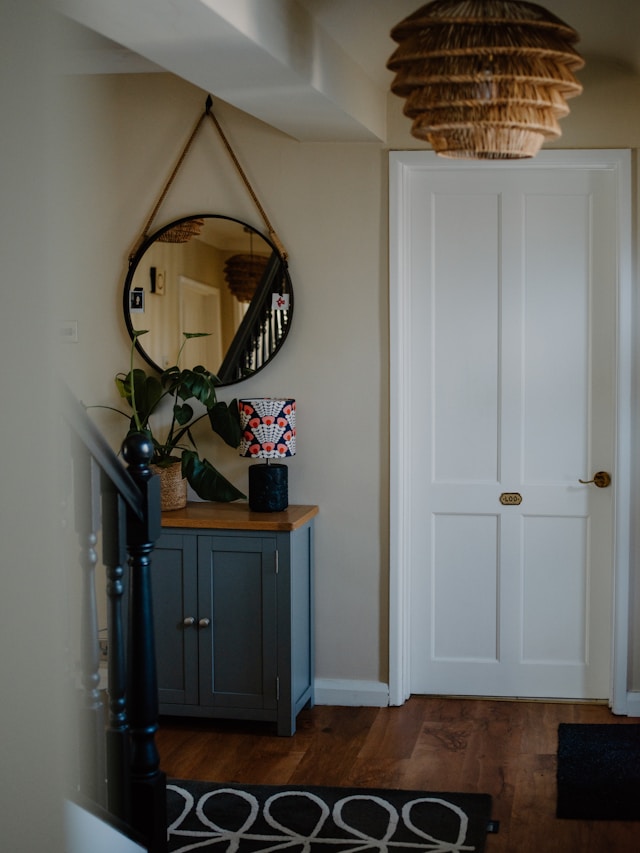
If you live with a “shoe avalanche” by the front door, you’re not alone. In compact apartments and narrow foyers, shoes, bags, and parcels all compete for the same few square feet. That chaos also costs time: Americans spend about 2.5 days each year looking for lost items like keys and shoes (PR Newswire, 2017). This 2026-ready guide shows how an entryway table with shoe storage can turn that mess into a calm, mudroom-style landing zone for renters, busy families, pet owners, and work-from-home pros.
Plan Your Small Foyer Before You Buy
Measure for depth, door swing, and walking space
Start by opening your front door as wide as it goes and tracing that swing in your mind. Measure from the wall to the edge of the open door, then note wall length, baseboards, and any radiators or closet doors that also need to open. For a small entryway table with shoe storage, aim for 10–14″ deep in tight hallways; anything deeper can feel like a roadblock. In my last apartment, a 12″ console meant I could walk past with a laptop bag without bumping my hip every morning.
Map mini “zones” for an efficient entry
Next, sketch 3–4 micro zones along that wall: a shoe drop, a landing strip for keys and mail, outerwear storage, and a “grab-and-go” basket for umbrellas or dog gear. A slim shoe rack console can anchor all of these in one line, so everyone knows where things live. Do a quick “entry flow test”: walk in as you normally do and notice where you drop your bag, leash, or packages. Position your table and baskets so those instinctive drop points line up with actual storage, not the floor.
Choose the Right Entryway Table with Shoe Storage
Shoe rack console vs. cabinet vs. bench
Think of three main options that can sit against the wall: an open shoe rack console, a closed shoe cabinet, or an entry bench paired with a slim console. Here’s a quick comparison:
| Type | Footprint | Capacity | Visual tidiness | Best for |
| Open shoe rack console | Slim | Medium | Lower | Kids, many daily pairs |
| Hidden shoe cabinet | Very slim | Medium–high | Highest | Minimalists, sellers |
| Bench + slim console | Medium | Medium | High | Families, pet homes |
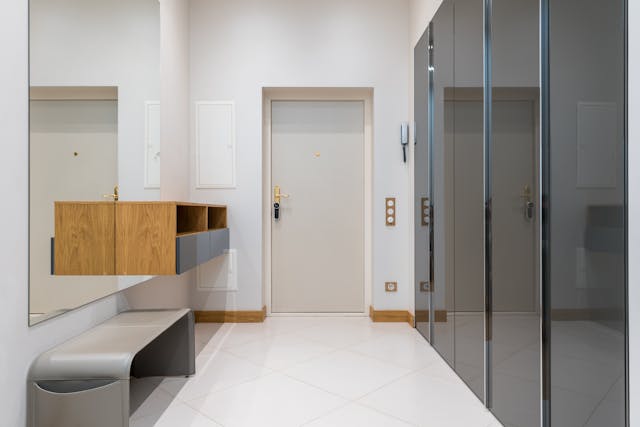
If you want a built-in look without sacrificing floor space, a tall, ultra-slim cabinet is ideal. Povison’s Minimalist Walnut Veneer Shoe Storage Bench is only about 7.9″ deep, yet its six flip-down compartments organize multiple pairs of shoes in a very compact footprint. The dark walnut frame and light front panels create a modern, high-contrast look, while the wide top surface works as an entryway console for a lamp, tray, or décor.
Shapes and finishes that work in tight spaces
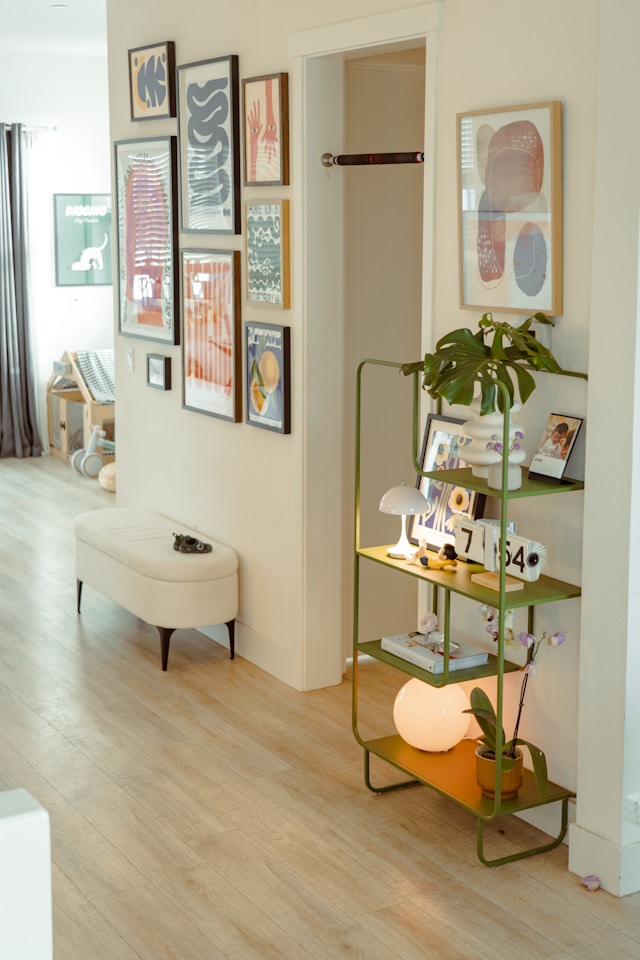
In a very narrow hall, a long rectangle or wall-mounted console over a slim shoe cabinet keeps lines clean. Demilune shapes soften sharp corners and reduce bruised hips. For 2026, warm woods, slim black metal, and soft edges keep a narrow entryway table with shoe storage from feeling heavy. Match finishes to what you already have: echo your door hardware in the console pulls, and pick wood tones that relate to your flooring. Look for a slim shoe rack console that feels like it grew there, not like emergency storage you shoved in later.
Smart Shoe Storage: Hidden, Open, and Hybrid Solutions
Hidden shoe storage to control visual clutter
If your front door opens straight into the living room, hidden shoe storage is your best friend. Flip-drawer cabinets, pull-out drawers under a console, or woven baskets behind doors keep sneakers and boots out of sight. Slim cabinets that project just 8–10″ are ideal for tight halls and can still hold several pairs per compartment. A black entryway table with shoe storage on top of a walnut cabinet can read as a chic furniture moment rather than “shoe rack by the door.”
Open racks & hybrid setups for busy households
Open shoe racks are a lifesaver when your household changes shoes several times a day for school, workouts, or dog walks. A hybrid setup keeps things flexible: one open “today’s shoes” shelf for the pairs in heavy rotation, plus closed storage for everything else. Keep a “no shoe piles” rule so nothing sits directly on the floor—shoes either slide into the entryway table with hidden shoe storage, rest on the rack, or drop into a labeled bin. In one busy home, a simple “School / Weekend” label on two low baskets instantly cut their morning scramble.
Turn Your Console into a Mini Mudroom
Build vertically: hooks, mirrors and mail
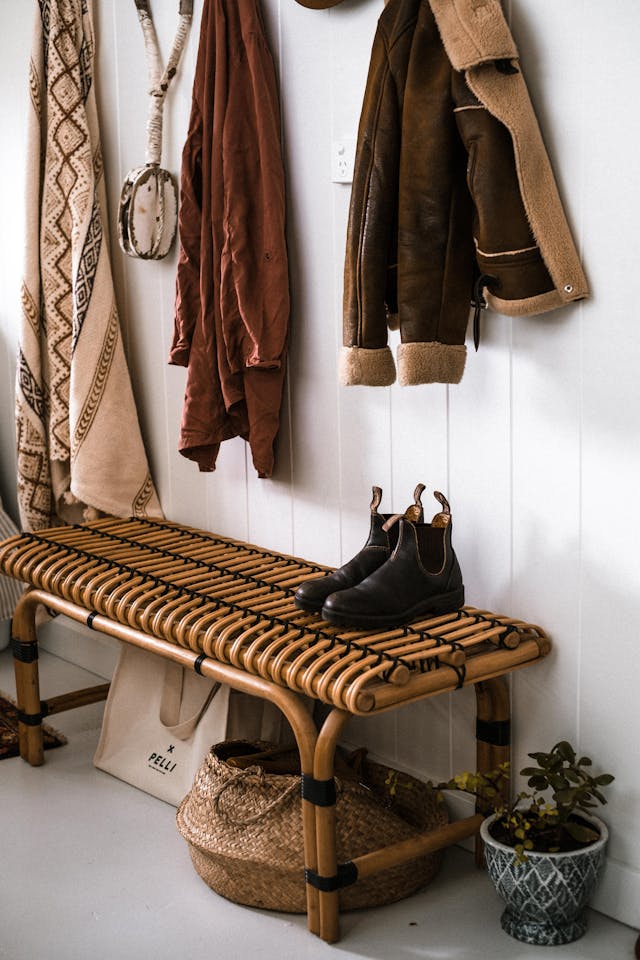
To create a full mudroom moment from a single entryway table with shoe storage, build up the wall above it. Add a row of hooks or a slim hall tree for coats, backpacks, and dog leashes. Hang a mirror to bounce light through a narrow foyer and give you a last-minute check before leaving. A small wall organizer keeps mail, sunglasses, and chargers out of the way but within reach.
Small foyer organization for families, pets, and guests
Use your wall like a tidy command center. A pet station might tuck a leash, waste bags, and a small towel into one basket; another holds guest slippers and a spare umbrella. This kind of small foyer organization makes “tidy entryway ideas” feel realistic, not aspirational. For layout inspiration and product examples, you can dive deeper into Povison’s guides on trending entryway shoe storage for 2026 and entryway storage upgrades.
Style a Calm, Tidy Entryway That Stays That Way
Styling rules for tiny, hardworking spaces
Keep the tabletop simple so function and style can live together. A reliable formula is: one lamp or wall sconce, one tray, one vertical element like a vase or branch, and one personal object such as a framed photo. Light, low-pile rugs and wipeable surfaces make cleaning easy. Closed baskets under an entryway console table with shoe storage hide hats and dog toys so the surface still looks curated, even if the household is busy. For broader console styling tips, see Povison’s guide on how to style a console table.
A 5-minute daily reset routine
Try a short tidy entryway ritual so the space actually stays organized:
- Put all shoes back in the rack, cabinet, or bench.
- Sort mail into recycle / action / file.
- Clear the tabletop into the tray, then reset your lamp and decor.
- Do a quick sweep or vacuum stripe by the door.
Pair this with another habit (after dinner, or right before bed) so it becomes automatic. Seasonal refreshes also help: once a quarter, swap the doormat, update your entry scent, and rotate one decor piece to keep the space feeling new.
Conclusion: Your Entryway, Ready to Live In
One well-chosen entryway table with shoe storage can turn a chaotic doorway into a calm, efficient welcome zone, especially in small 2026 homes where many people still rent—about 35% of U.S. households live in rental units (U.S. Census ACS via Geolytics, 2023). This week, take measurements, sketch your zones, and commit to one layout and one piece of storage furniture—perhaps a slim cabinet or bench from Povison’s ready-assembled collection. Open the door to less clutter and more ease, every single day.
FAQs: Entryway Table with Shoe Storage
How many pairs of shoes can a small entryway setup realistically hold?
In most small foyers, aim for 8–14 pairs between your entryway table with shoe storage and one extra bin or cabinet. Daily shoes can live on the most accessible row, while off-season or dress shoes move higher or behind doors. If you need more than that, consider a backup closet or under-bed storage for rarely worn pairs.
Is a console with shoe storage better than a traditional shoe rack in a tiny hallway?
Often, yes. A long entryway table with shoe storage combines a landing surface for keys and mail with vertical shoe capacity, so one piece replaces two. Traditional racks usually sit lower, hold only shoes, and can look cluttered. In tight spaces, multi-tasking furniture reduces visual noise and helps the entry feel considered instead of improvised.
What’s the ideal height for hooks above an entryway table with shoe storage?
As a rule of thumb, place hooks so the bottom sits about 4–6″ above the console surface and the top lands around 66–70″ from the floor. That leaves room for a mirror or art while keeping coats easy to reach. If kids use the space, add a second, lower row around 42–48″ high.
Can I use a shoe rack console in a rental without drilling into the walls?
Definitely. Look for a narrow entryway table with shoe storage and drawers that stands on its own and use adhesive strips for lightweight hooks and key racks. Many renters also pair a freestanding shoe cabinet, like Povison’s ultra-thin walnut model, with a mirror that leans rather than hangs. Add felt pads to protect floors and you’re fully move-out friendly.
What materials are easiest to clean in a mudroom-style entry?
Sealed wood, metal frames, and high-quality laminates are simple to wipe down. For baskets and bins, choose rope or rattan for dry items and plastic or metal for muddy boots. In a white entryway table with shoe storage, check that the finish is stain-resistant and avoid super textured fronts where dust and pet hair can cling.
How do I keep my entry from smelling like shoes?
Give shoes a chance to dry on open shelves or a ventilated entryway table with shoe storage and bench before closing doors. Use washable insoles, rotate pairs, and keep a small open container of baking soda or charcoal sachet inside closed cabinets. A washable runner plus regular quick mopping goes further than heavy fragrances.


I love how this guide stresses the importance of measuring before buying. A small mistake in space planning can easily make the space feel even more cramped, especially in narrow entryways.