 By Hana
Introduction – Why Sustainable Furniture Matters in 2026
Sustainable furniture is simply furniture that’s made to be kind to people and the planet: responsibly sourced or recycled materials, non-toxic finishes, and designs that last for years instead of seasons. It’s also big business now. The global eco-friendly furniture market is projected to grow from about $46.3 billion in 2023 to $83.8 billion by 2030, at around 8.6% CAGR (Research and Markets, 2024). As climate news dominates Google News and searches for sustainable furniture, eco-friendly decor, non-toxic furniture, and green living room spike, 2026 is a true tipping point: people want homes that feel good and do good.
Trend #1 – Ethically Sourced Wood & Timeless Dining Sets
What ethically sourced wood means in real life
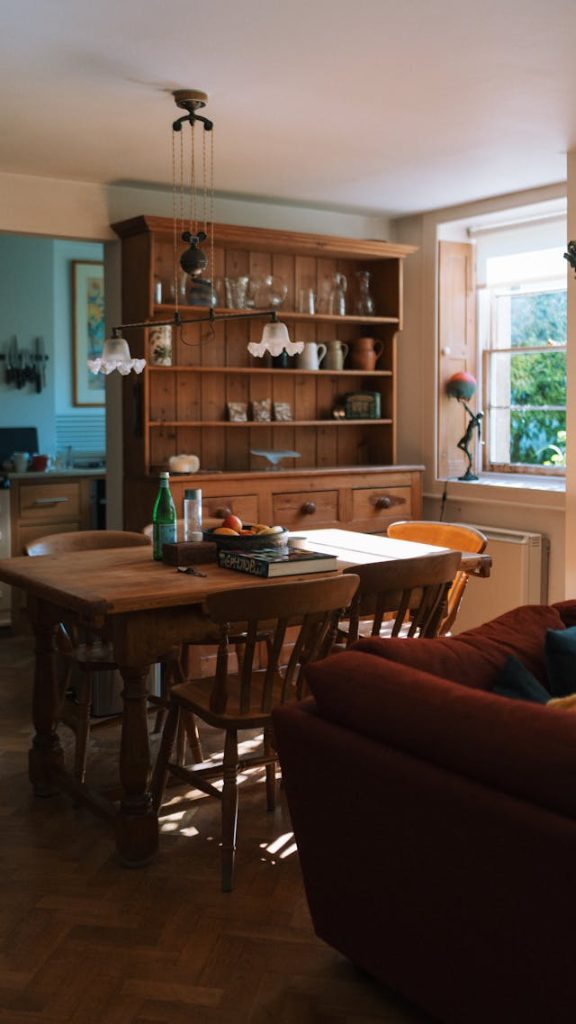
When you see ethically sourced wood on a tag, it usually means the timber comes from responsibly managed forests, with fair labor practices and reduced deforestation risk. Often there’s a certification like FSC, or a clear mention of recycled or reclaimed wood. In practice, sustainable wood furniture is less about a buzzword and more about traceable origin, sturdy joinery and a finish that won’t off-gas for years. For a space you gather in daily, like the dining room, this matters: a well-made wooden table can follow you through multiple moves, decor trends and family stages without feeling “dated.”
Building a sustainable dining area
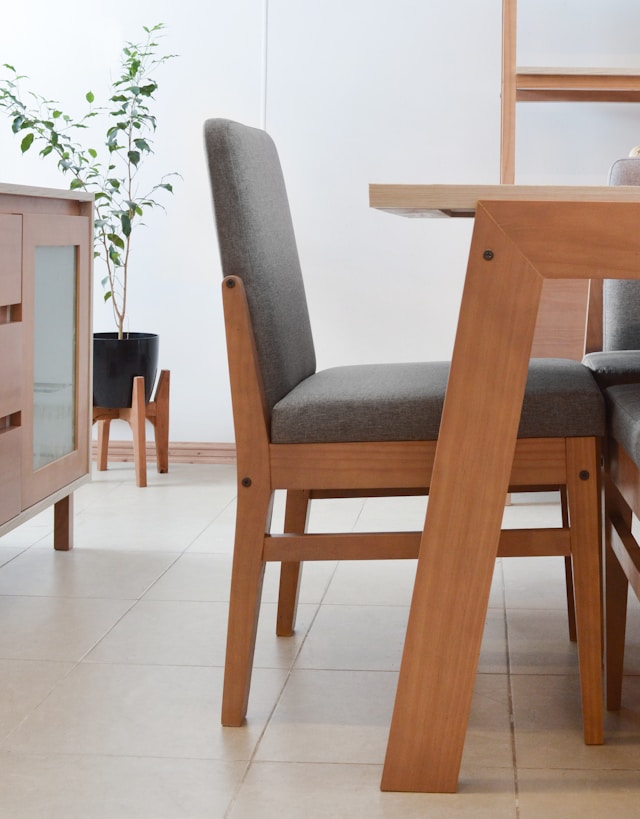
For a sustainable dining table and chairs, look for solid wood or high-quality wood frames with transparent sourcing, a neutral shape that won’t age quickly, and natural seat fabrics like cotton, linen or burlap-style textures. For small spaces, a 47″ mid-century round walnut dining table with an FSC recycled pedestal base is a great core piece, like this fluted round wood table from Povison.
Pairing that with breathable seating keeps the set comfortable and eco-friendly. If you love Japandi or warm minimalism, a walnut fluted pedestal table in that style brings in soft curves without feeling trendy. Over time, a timeless, ethically sourced set almost always beats a “fast-fashion” dining bundle on both cost per use and environmental impact.
| Fast-fashion dining set | Timeless, ethically sourced dining set | |
| Lifespan | 2–5 years | 10+ years |
| Materials | Thin veneer, mystery boards | Solid or recycled wood, clear sourcing |
| Impact | Frequent replacement, more waste | Fewer replacements, lower lifetime impact |
Trend #2 – Recycled & Next-Gen Materials: From Sintered Stone to Eco Fabrics
Recycled materials and long-lasting tabletops
Recycled materials are quietly reshaping furniture design. You’ll see recycled metals in table bases, reclaimed or recycled wood in shelves and tabletops, and recycled fibers in upholstery and cushions. The real sustainability superpower, though, is durability: the longer a piece lives in your home, the fewer deliveries, returns and replacements you need. Sintered stone dining tables are a good example. The ultra-dense surface is highly scratch-, stain- and heat-resistant, perfect for busy kitchens and families (Povison sintered stone guide).
In my own dining space, switching from a thin veneer table to a sintered stone top meant I stopped panicking over hot pans and kids’ marker stains. A minimalist rock-slab design like the Hobart minimalist dining table from Povison gives you that “next-gen” surface with a warm base, while a round option that combines an ethically sourced wood pedestal and a Pandora sintered stone top, such as this 47″ modern pedestal table, blends eco credentials with everyday practicality.
Performance fabrics & sustainable “leather” for sofas
On the sofa side, look for eco-friendly upholstery that can survive real life. Performance fabrics with tight weaves or special finishes resist stains and pilling, which keeps a sustainable modern furniture piece looking fresh without harsh chemicals. Vegan or sustainable “leather” alternatives can be animal-free while still soft and breathable, especially when paired with non-toxic cushions and glues.
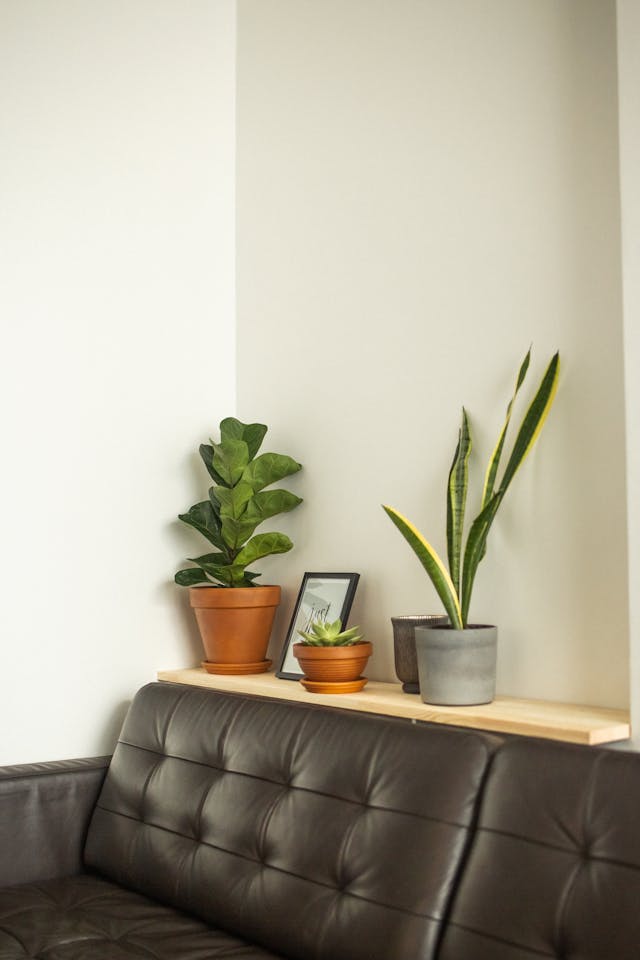
Consider a power reclining modular sofa in sustainable performance leather, like Povison’s power reclining modular couch, if you want deep seats, clean lines and less maintenance. For compact homes, a power loveseat sofa offers reclining comfort without crowding the room. Fewer stains, fewer repairs, and fewer “cheap couch” replacements all add up to more sustainable home furniture.
Trend #3 – Non-Toxic Furniture & Healthier Indoor Air
Why non-toxic furniture is a 2026 must-have
VOCs (volatile organic compounds) from glues, finishes, foams and fabrics can slowly leak into indoor air. That’s a big deal when Americans spend about 90% of their time indoors, and indoor air pollution can sometimes be as high, or higher, than outdoor levels (U.S. Environmental Protection Agency, 2025). Non-toxic furniture focuses on low-VOC or water-based finishes, safer engineered wood, and certified textiles and foams. Prioritizing non-toxic bedroom furniture, sofas and dining chairs is one of the quickest ways to protect sleep quality and reduce allergies in a space you use every day.
A quick checklist for safer furniture choices
Use this non-toxic furniture checklist when you’re shopping in 2026:
- Look for “low-VOC” or “water-based finish” in the product details.
- Check that wood types and boards are clearly listed, not just “engineered material.”
- Prioritize safer options for beds, sofas and kids’ rooms before accent pieces.
- Favor brands that explain their construction and materials openly, like Povison does in its product stories.
Trend #4 – The “Green Living Room”: Fewer, Smarter, More Flexible Pieces
Modular and multi-functional seating
Living rooms now work overtime: movie nights, remote work, guest sleepovers and kids’ play zones all in one. That makes modular and multi-functional seating a key trend in sustainable furniture design. A modular sectional can be reconfigured instead of replaced when your layout or family size changes, and adding reclining or sofa-bed functions reduces the need for extra armchairs or guest beds. Globally, consumers are showing they’ll invest in better options: one 2024 survey found shoppers willing to spend about 9.7% more on sustainably produced goods (PwC Voice of the Consumer, 2024).
In my own small living room, a power reclining modular sofa made everyday life easier: most days it stayed in a simple L-shape for reading and movies, and when friends came over, I could slide one section over to open up extra space without dragging in extra chairs. That’s the real advantage of modular, multi-functional seating—you can quietly rework the layout around your life instead of constantly buying or storing more furniture.
Styling eco-friendly decor layers in a green living room
A truly green living room is about layers, not just one “eco” sofa. Start with a durable coffee table that can handle daily use, such as a compact design with a hard-wearing stone top and FSC-certified wood legs, then build around it with natural textiles, low-VOC finishes and plenty of plants. Then add natural-fiber throws and cushions, rugs made from recycled materials, low-VOC wall paint and a few real plants for cleaner air and visual calm. For more layout ideas, check Povison’s inspiration post on how a modular couch changes your life, which shows how one main sofa can anchor eco-friendly decor choices around it.
How to Start Transitioning to Sustainable Furniture (Even on a Budget)
Prioritize high-impact pieces and upgrade step by step
You don’t need to replace your whole home at once to move toward sustainable furniture. Start by listing the pieces you touch every single day: bed and frame, main sofa, dining table and chairs, plus any home office chair you sit in for hours. Those are the items where better materials and non-toxic finishes will have the biggest impact on your comfort and health. Upgrade in waves—maybe one key piece every season—so your budget can keep up.
Next, mix new sustainable home furniture with second-hand finds. You might pair a new, durable dining table or green living room sofa with vintage storage, side tables or lamps. Think of it as curating affordable sustainable furniture: invest more in the structural workhorses, then thrift or upcycle around them. Over time, you can extend the same mindset to sustainable home office furniture, sustainable outdoor furniture or even sustainable patio furniture when you’re ready.
Conclusion – Designing a Home You Love (and the Planet Likes Too)
In 2026, sustainable furniture is moving from “nice-to-have” to default. Ethically sourced wood and timeless dining sets help you buy once and keep pieces for a decade or more. Recycled and next-gen materials like sintered stone and performance fabrics extend the life of everyday tables and sofas. Non-toxic furniture protects indoor air in the rooms where you spend the most time. And in the green living room, fewer, smarter, modular pieces replace piles of disposable decor. You don’t need a perfect eco-home to matter—every sustainable furniture choice you make is a quiet but powerful vote for healthier spaces and a calmer planet.
Mini FAQ
Is sustainable furniture always more expensive?
Not always. Some sustainable furniture brands do cost more upfront because they use certified wood, better hardware, and safer finishes. But when you factor in durability, fewer replacements, and lower maintenance, a well-made sustainable sofa or dining table can be better value over 10+ years. You can also mix a few investment pieces with second-hand finds for more affordable sustainable furniture overall.
How can I tell if a furniture brand is genuinely sustainable?
Look for clear material breakdowns, not vague buzzwords. Genuine sustainable furniture companies name specific wood species, certifications (FSC, CARB, GREENGUARD), and finish types (like water-based or low-VOC). They often publish sourcing stories or sustainability reports, and their claims are consistent across products—not just on a single “eco” line. If you can’t find concrete details, be cautious of greenwashing.
Can sustainable furniture work in rentals or small apartments?
Absolutely. In fact, renters often benefit the most from modular, multi-functional pieces. A compact power loveseat, an FSC-certified round table, or a home office desk made from recycled materials can move with you from place to place. Focus on flexible, sustainable home furniture that fits different layouts, and use lightweight, second-hand storage pieces to fill in gaps. When you leave, you’ll take your best pieces—rather than sending broken flat-pack furniture to the curb.


It’s so refreshing to see the increasing demand for ethically sourced wood in furniture. It’s not only good for the planet but also for the long-term durability of the pieces in our homes. Timeless dining sets made with sustainable materials are a great example of combining style and environmental responsibility.