 By Jenny Smith
What Is the Most Comfortable Sleeper Sofa, Really?
As compact living becomes more common, demand for multi-functional furniture has surged: the global multifunctional furniture market was valued at about $12.8 billion in 2023 and is projected to reach $21.7 billion by 2032, growing at around 5.9% annually (Source: Dataintelo, Global Multifunctional Furniture Market Report). While a straightforward, deeper sofa with a high-quality mattress might subtly become everyone’s favorite seat, a sleek, stylish sleeper with a thin mattress may seem great in pictures but feel terrible at night. The sleeper sofa that best suits your lifestyle—not just the design of your Pinterest board—is the one that strikes a balance between seating, sleep, and room arrangement.
The Three Pillars of Sleeper Sofa Comfort
Consider comfort as a three-part recipe. A supportive, largely level mattress with sufficient thickness and pressure relief to prevent shoulders and hips from digging into bars or gaps is the first step toward comfortable sleeping. Second, comfort when sitting: a seat that is the right height and depth for your body, along with comfortable cushions and back support for regular relaxation. Third, comfort in the room: the sleeper must be easy to open and close, leave clear paths for people to walk at night, and not take over the area. The sofa is easy to use every day when all three pillars are in harmony.
Step 1 – Define How You’ll Use It and Measure Your Space
Who Will Sleep on It and How Often? Sofa-First or Bed-First?
Choose whether to buy a bed first or a sofa first. Prioritize the comfort of the seat, the fabric, and the overall appearance of the sofa if you want to sit on it every day and sleep on it only infrequently. Bed-first indicates that someone will sleep there most nights (consider studio dwellers, frequent visitors, or teenagers); these days, mattress quality, support system, and setup speed are more important. While a daily sleeper requires a superior mattress and an easy, low-effort mechanism, even if the profile is a little chunkier, a guest-only piece can favor upright support and style. Mobility and height should also be taken into account. Older visitors or those with back discomfort will value a mattress that is simple to get on and out of.
Measure for Comfort, Not Just for Fit
Measure the room in both sofa mode and bed mode. In sofa mode, check the distance to TV, coffee table, and doors. In bed mode, you want at least 24–30 inches of walking space around the open sleeper so no one has to climb over the mattress at night. Don’t forget doors, elevators, and hallways—measure the narrowest point to avoid a “bought it, can’t get it inside” disaster. I learned this the hard way with my first sleeper sofa: it technically fit the room, but once it was opened there was barely any space to walk around the bed. Ever since then, I always measure in both sofa and bed mode before I even start shopping.
Step 2 – Pick the Right Sleeper Type and Mattress
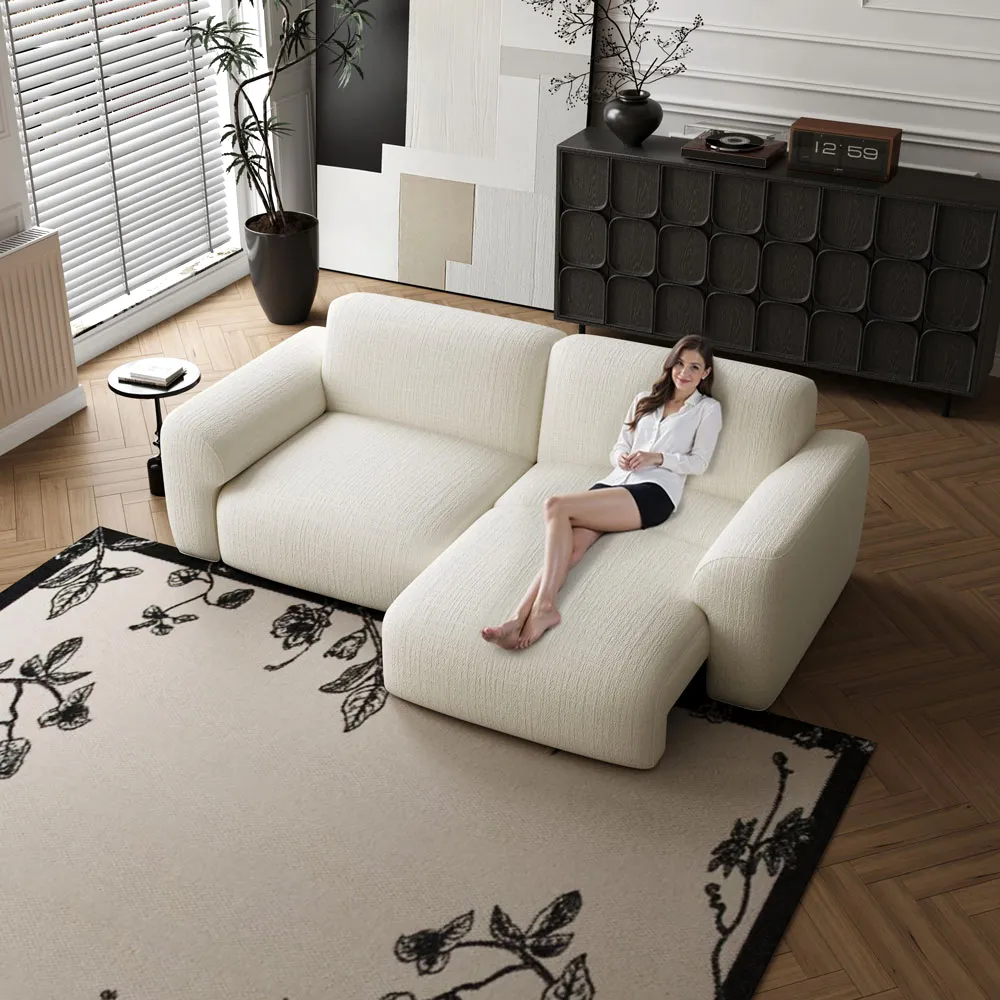
Not all sleeper sofas open the same way. The best type for you depends on how often you convert it and how much space you have. Traditional pull-outs hide a separate mattress; futon-style sleepers fold the seat and back into a flat surface; sectional sleepers tuck a mattress or pull-out platform into a chaise; daybeds with trundles work well for narrow rooms and kids’ spaces. Once you know your type, you can compare mattress quality within that category, not just between random models.
Main Types of Sleeper Sofas (and Who They Suit)
| Type | Best for | Sleeping Comfort* | Ease of Use | Room Size Fit |
| Traditional pull-out | Guest rooms, larger living rooms | High if mattress is good | Medium | Needs more open length |
| Click-clack / futon-style | Studios, small spaces, tight budgets | Medium | High | Compact depth |
| Sectional or chaise sleeper | Families, open-plan living rooms | High with quality build | Medium–High | Great for corners |
| Daybed with trundle | Kids’ rooms, offices, narrow rooms | Medium–High | Medium | Good in long, thin rooms |
*Comfort varies widely by mattress thickness and support, not just type.
Pros & Cons for Comfort and Everyday Use
Pay attention to the “hidden” comfort characteristics of any type you select. If the sleeper feels heavy or fussy in the showroom, it will get worse at home. Try opening and closing it. Feel for any metal bars, hinges, or spaces that could pierce your shoulders and hips by running your palm across the open bed. When someone sits down or rolls over, pay attention to any creaks or wobbling. While noise and instability might not bother you during a brief test, they are quite evident in a quiet home at two in the morning.
A powered sleeper changes what you need to evaluate during conversion. The Mila Power Sofa Bed uses 105°–180° powered adjustment and a continuous cushion platform instead of a hidden pull-out mattress with exposed bars or gaps. For frequent use, this reduces manual lifting while keeping the transition between sitting, lounging, and sleeping straightforward.
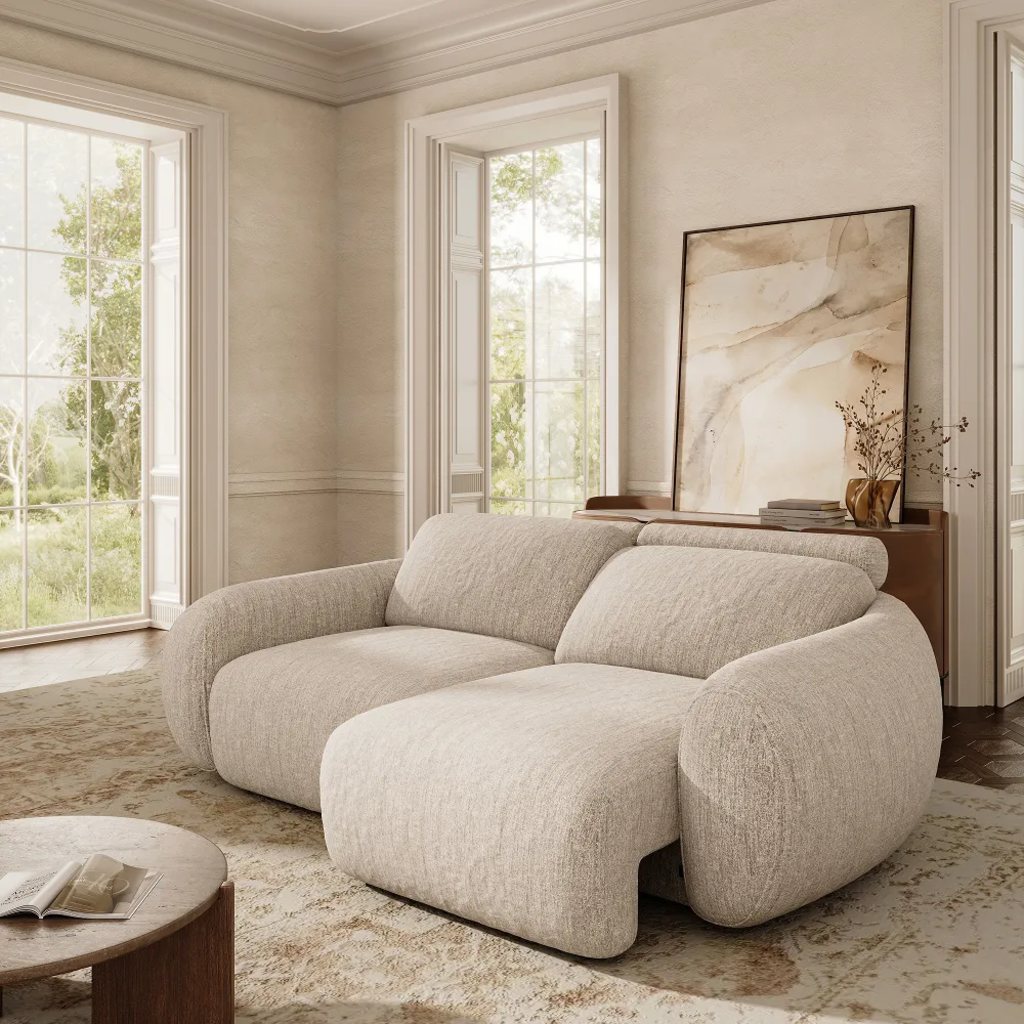
POVISON Mila Power Sofa Bed
Power sofa bed for frequent everyday use, combining smooth powered conversion with a continuous surface for lounging and occasional sleep.
Step 3 – Don’t Forget Seat Comfort and Inner Support
Sleeper sofas live two lives. Even the most comfortable sleeper sofas on paper can disappoint if they feel awkward as everyday seating. Think about how you like to lounge: upright with your feet on the floor, curled up in the corner, or lying across the cushions. This will guide the seat depth, height, and cushion firmness that feel best to you.
Seat Depth, Height and Cushion Feel
For most adults, a seat height around 17–19 inches feels natural for standing up without strain. If you like to sit cross-legged or curl up, a deeper seat of 22–24 inches can feel luxurious; if you’re shorter or have knee issues, a shallower seat may be more supportive. Cushion feel is personal, but look for a blend of resilience and softness: high-density foam with a fiber or down-blend wrap is common. If you sink straight to the frame or feel “bouncy” with no support, keep looking.
Back Cushions, Arms and Everyday Lounging
Back cushions shape how relaxed the sofa feels. Fixed backs tend to look tidier and require less fluffing; loose, removable backs let you rearrange support and can double as pillows when the bed is open. Think about arm style too. Lower, wider arms are great as built-in headrests for movie nights, while tall, tight arms offer more formal support but can be less comfortable for lying down and scrolling your phone. Test several positions: straight sitting, semi-reclined, and fully sprawled.
Frame and Support System You Don’t See
Inside the frame is where true comfort and durability live. A well-built sleeper will use a sturdy wood or metal frame, a robust support grid or slats under the mattress, and a mechanism that opens smoothly without jerks. Support matters because a sagging surface might worsen back pain.
Step 4 – Match It to Your Room Style and Daily Life
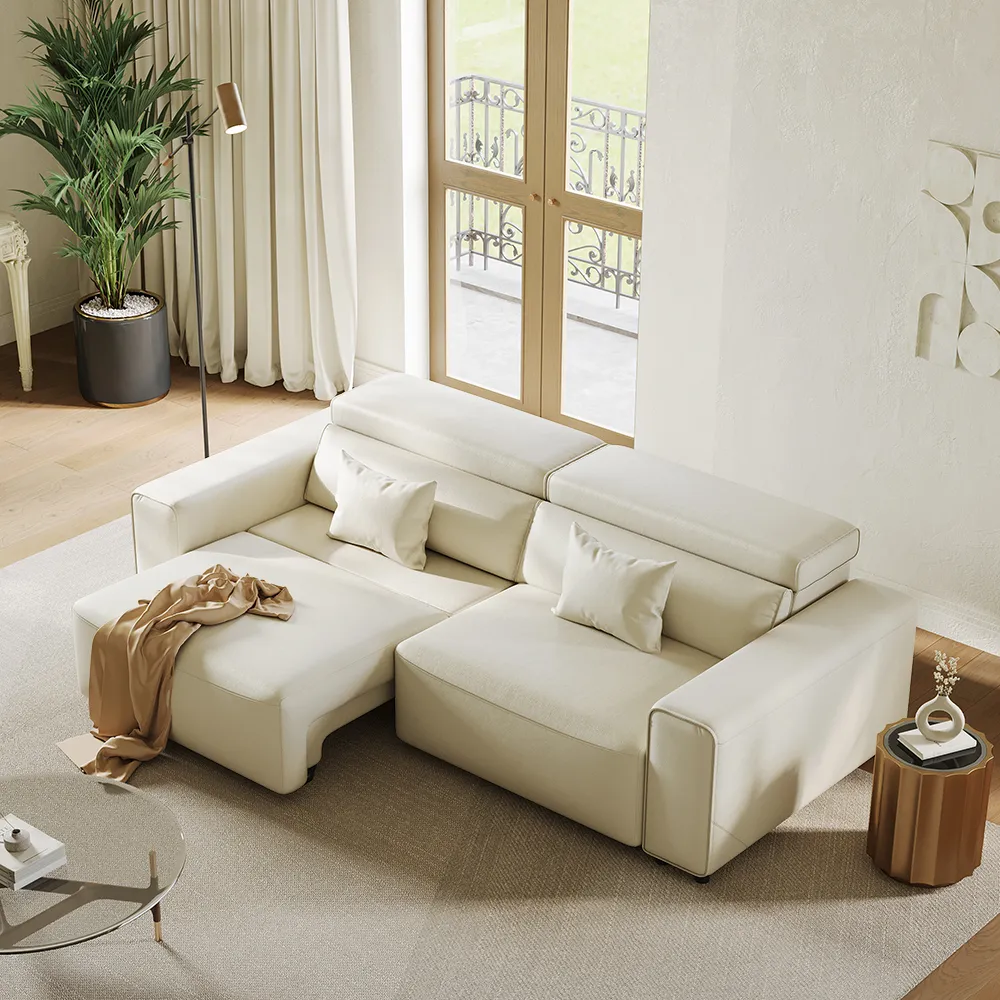
A sleeper sofa should seem like it belongs in your room rather than feeling like a last-minute addition. Start with the general footprint: an L-shaped sleeper with chaise can define a living area in an open-plan home, while a straight three-seat sofa works well in straightforward layouts. If you live in a small space or host frequently, you might want to think about getting a chaise with built-in bedding storage to keep linens close at hand.
Choosing the Right Size and Configuration
Look at doors, windows, and walkways to decide whether a left- or right-facing chaise makes more sense; you don’t want the longer side blocking a doorway or crowding a traffic path. Aim to keep at least 30–36 inches of main walkway clear in front of the sofa even when it’s closed. If you plan to open the sleeper frequently, place side tables and floor lamps where they don’t have to be moved every time, or choose pieces that are easy to slide aside.
Fabrics and Finishes That Feel Good to Live With
Additionally, comfort is tactile. Tightly woven cotton or performance polyester mixes will feel cooler than thick velvet if you sleep hot or have a warm environment. To hide fur and claw marks, pet owners might favor textured textiles. Mid-tone colors frequently conceal ordinary life better than extremely pale or extremely dark hues for a sleeper that doubles as the principal sofa. When you’re sleeping in shorts and a T-shirt, you’ll notice scratchy upholstery much more, so make sure the fabric feels comfortable on bare skin. Once your sleeper is in place, you can ground the seating area with a black coffee table for your living room to tie the color palette together and add contrast.
Turn a Corner Into a Mini Guest Suite
You can still make a small guest suite with a sleeper if you don’t have a separate guest room. Add a small side table, pick a spot with an outlet for a phone charger or bedside lamp, and keep a lidded basket with additional sheets, a throw blanket, and an extra pillow close by. A straightforward wall shelf with a few hooks allows visitors to hang a jacket and store a bag, giving the area a feeling of purpose rather than transience.
Step 5 – Test, Compare and Buy with Confidence (In Store or Online)
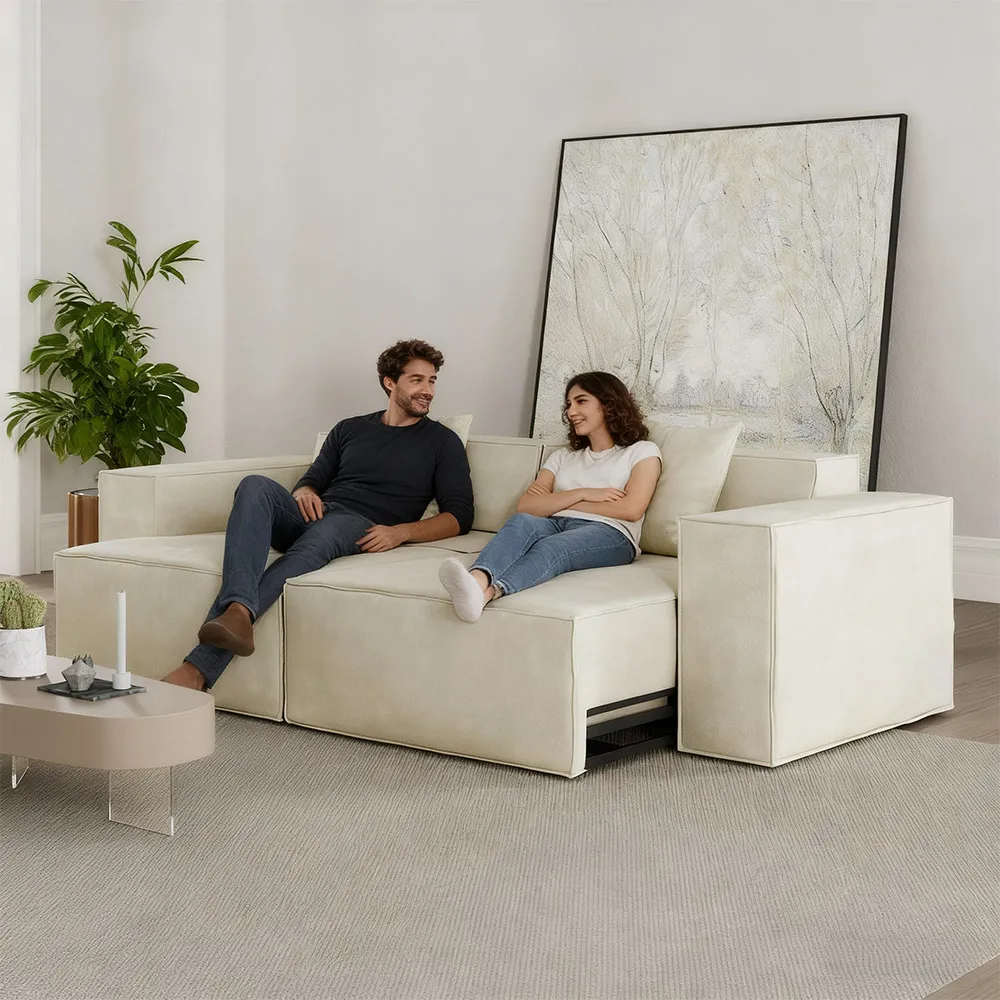
Once you know your priorities, you can test or compare models with purpose. In a showroom, don’t be shy: open the sleeper, lie down, sit at different spots, and imagine doing that when you’re tired after a long day. Online, you’ll rely more on specs, photos, and reviews—but the same comfort principles apply.
How to Comfort-Test a Sleeper Sofa in Store
To feel how heavy the mechanism is, open and close the sleeper yourself in-store. For at least a few minutes, lie on your regular side and back. Pay attention to whether your shoulders and hips feel pushed or supported. To see if the open bed sags, take a seat at its edge. After that, shut it and test the sitting to see whether you can comfortably lean back, place your feet level on the floor, and move about without making loud creaks. Anything that irritates you now will only get worse with time.
Judge Comfort When You Buy Online
Examine the product description while making an online purchase. In addition to any stated weight capacity, look for the mattress’s thickness, frame material, and type (innerspring, memory foam, hybrid). Examine reviews by searching for terms like “comfort,” “mattress,” and “back pain” to find out how actual users feel after spending multiple nights on it. Examine trial periods, return guidelines, and warranty information, paying particular attention to the mechanism and frame, which are the components of a sleeper couch that put in the most effort.
Budget vs. Comfort: Where to Spend, Where to Save
Expect a simpler mechanism and thinner mattress at the beginning level, which is ideal for infrequent visitors. Mid-range sleepers are suitable for frequent use since they often have superior foam, stronger frames, and smoother opening mechanisms. High-end models might have better upholstery and thicker hybrid mattresses. Spending on the mattress, internal support system, and mechanism should be your top priority regardless of your budget; throws and pillows may be added later to soften the appearance, but a weak structure cannot be fixed.
Conclusion
Finding the most comfortable sleeper couch involves matching the kind, mattress, and arrangement to your space and lifestyle rather than trying to choose the “best” model. Consider how frequently it will be used as a bed, take precise measurements in both sofa and bed modes, and focus more on the fabric than the support structure. You receive a sleeper that looks beautiful in your house and is truly used when sitting comfort, room comfort, and sleeping comfort are all in harmony, as opposed to another item you regret.
FAQs About the Most Comfortable Sleeper Sofas
What Is the Most Comfortable Sleeper Sofa for Everyday Use?
For everyday use, look for a sleeper with a medium-firm mattress at least 4–5 inches thick, a solid support grid or slats (no bars under your back), and a mechanism you can open and close in one smooth motion. Combine that with a seat height you can stand up from easily, and you’ll get comfort that works day and night.
What Is the Most Comfortable Sleeper Sofa for Small Spaces?
In small spaces, a click-clack or compact sectional sleeper often works best. Choose a model with a relatively shallow overall depth, a mattress size that doesn’t block doors when open, and, if possible, hidden storage for bedding. A chaise sleeper that opens lengthwise along a wall can feel generous without swallowing the whole room.
How Can I Make My Current Sleeper Sofa More Comfortable?
You can upgrade comfort without replacing the whole piece. Add a high-quality mattress topper in a medium-firm feel, and place a thin bunkie board or plywood panel under the mattress to smooth out bars or gaps. Use supportive pillows for proper neck alignment and breathable, natural-fiber sheets to reduce overheating and friction against your skin.


