 By Stephanie
Timeless furniture should do more than outlast a passing trend. It should remain comfortable, useful, maintainable, and easy to place as your home changes. That can be hard to judge from a styled product photo, especially when a sofa, dining table, TV stand, or coffee table may stay with you for years. This guide replaces vague design advice with a practical buying test for evaluating visual longevity, material aging, everyday function, and future flexibility before you invest in a large piece built for real spills, guests, moves, and daily wear.
Table of Contents
What Makes Furniture Truly Timeless?
Timeless furniture must work in three ways: visually, physically, and functionally. Looking classic today is not enough.
Visual longevity comes from balanced proportions and restrained details. The furniture should still look complete after the pillows, décor, and dramatic lighting are removed from the product photo.
Physical longevity depends on how the frame, finish, upholstery, hardware, and moving parts respond to repeated use. Check whether surfaces can be cleaned or repaired, whether hardware can be tightened or replaced, and whether normal wear will develop character or simply look damaged.
Lifestyle longevity means the piece remains useful when the room or household changes. A dining table may need to support meals, remote work, and larger gatherings. A sofa may need to fit another wall after a move. A media console may need to accommodate future equipment.
Style labels do not guarantee these qualities. Traditional, mid-century modern, Japandi, and transitional describe appearance, not durability or adaptability. Even familiar timeless furniture styles can include fragile finishes, awkward proportions, or outdated functions.
A style name can narrow your preferences, but furniture styles that fit different home types must still be tested against room size, traffic flow, natural light, and everyday use. These three forms of longevity establish the baseline; the five-part test below turns that baseline into a product-by-product comparison.
The Five-Part Timeless Furniture Scorecard
Evaluate each piece in five areas: silhouette, material aging, function, restyling potential, and trend placement. Give each area 0, 1, or 2 points, then add the scores for a maximum of 10 points.
| Area | 0 Points: High Risk | 1 Point: Needs Review | 2 Points: Strong Fit |
| Silhouette | Several trends control the form | One strong trend feature, but usable proportions | Balanced proportions with restrained detail |
| Material aging | Normal wear will quickly look damaged | Some maintenance is possible | Surfaces can be cleaned, maintained, or repaired |
| Function | Mostly decorative or narrowly useful | Meets current needs but may limit future use | Supports daily use and likely future needs |
| Restyling potential | Depends on one room or color scheme | Can handle modest changes | Works in at least two realistic room settings |
| Trend placement | Trends are fixed and costly to replace | Trends appear in both fixed and replaceable parts | Most trend details are easy to update |
Use the total to guide your next step:
- 8–10 points: Keep the piece on your shortlist.
- 6–7 points: Investigate the lowest-scoring area before buying.
- 0–5 points: Remove it from a long-term shortlist unless you intentionally want a temporary statement piece.
Do not shortlist a large piece that scores 0 for material aging or function, regardless of its total. A color can be restyled; a failing surface, impractical layout, or unusable mechanism is much harder to fix.
Design Dependence
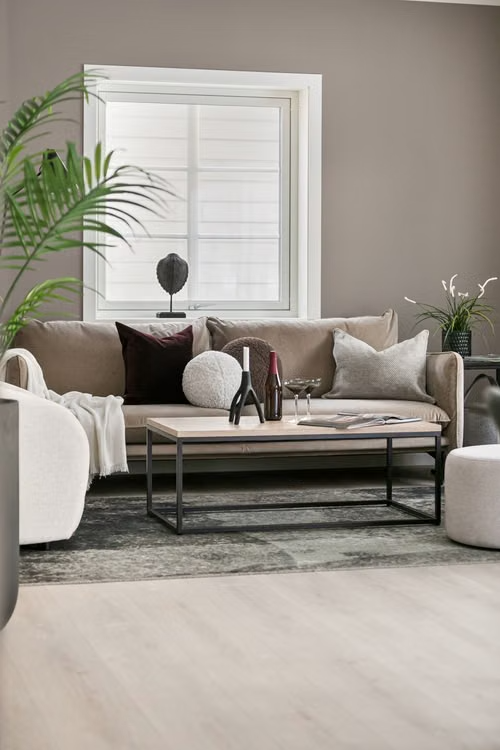
Ignore the rug, pillows, flowers, and dramatic lighting. Check whether the outline remains balanced and has one clear point of interest rather than several trend-heavy details.
Use a thumbnail test: shrink the product image until only the main shape remains. Reject a silhouette that interferes with seating, legroom, usable surface, or walking space. One distinctive feature creates character; several high-recognition trends on one large piece increase visual fatigue.
This does not mean curves, fluting, glossy finishes, or sculptural bases are automatically short-lived. The risk comes from stacking several highly recognizable trends onto a large, expensive piece that cannot be updated easily.
Materials and Function
Ask what normal life will do to the surface. Patina remains visually consistent with the material; damage exposes a failing finish, substrate, edge, seam, or mechanism.
Every advertised function should solve a weekly need. Extra moving parts add risk when they do not improve regular use.
| Aging with character | Looking worn too soon |
| Leather softens and develops a deeper luster | Coating peels at high-contact areas |
| Wood tone deepens while grain remains visible | A scratch exposes a different-colored layer |
| Hardware can be tightened or replaced | A proprietary part has no replacement path |
| Covers or cushions can be cleaned separately | A fixed surface requires full replacement |
Adaptability Across Rooms and Life Stages
Run three future scenarios before checkout:
- Restyling: Replace the rug, wall color, and lighting. Does the furniture still belong?
- Moving: Put it in a smaller, wider, or more open room. Is there another workable position?
- Life change: Add home working, children, guests, or new electronics. Does the piece remain useful?
A strong candidate should work in at least two realistic room schemes and remain useful after one likely life change. Multifunctional furniture should earn extra credit only when its second function solves a need the household will actually have. A sideboard might move to an entryway; a table might support meals and remote work.
When existing pieces must stay, knowing how to mix furniture styles without looking mismatched helps test compatibility without forcing an exact match.
Timelessness by Furniture Type
The same score cannot be interpreted identically for every category. A sofa fails through poor comfort or inflexible scale; a media console may fail because new equipment no longer fits. Apply the broad test, then inspect the category-specific problem that would force an otherwise attractive piece out of the room.
Sofa: Comfort Before Statement Shape
Check seat depth, back support, arm height, usable seats, upholstery care, and whether the overall footprint can work on more than one wall. A sofa that is extremely low, deep, or sculptural may photograph well but make standing up difficult or reduce the number of people who can sit naturally.
On a Friday night, two adults may want to stretch out for a movie while a visiting parent prefers a more upright seat with support behind the back. That difference in posture reveals more about long-term usefulness than a perfectly arranged showroom photo.
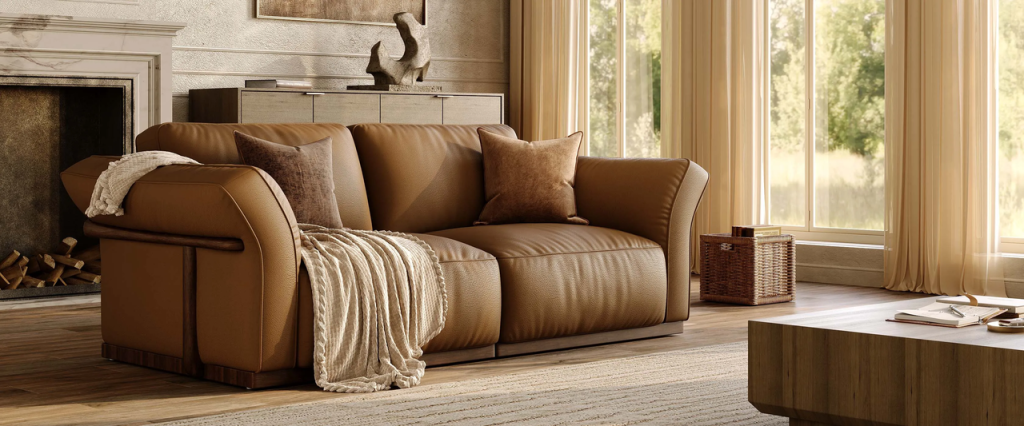
In that kind of flexible living room, the Cronus genuine leather modular sofa connects daily comfort with material aging. Its solid-wood frame provides the structural foundation, while the top-grain leather is designed to soften and develop a richer natural luster over time.
Dining Table: Clearance and Surface Behavior
Judge the table during breakfast, laptop work, homework, and a crowded dinner. Check chair clearance, knee space, base position, wipe-down needs, and whether the stated seating count still leaves enough room for plates and serving dishes.
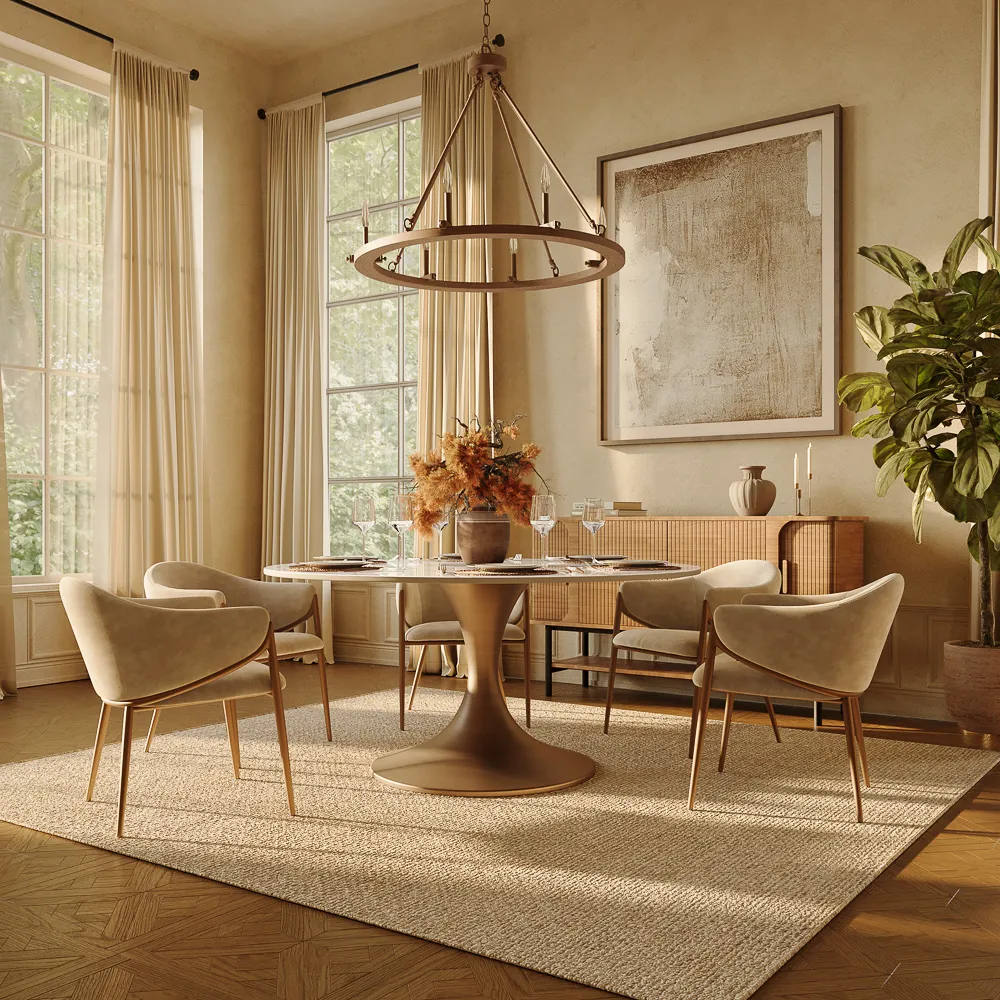
At 7:15 a.m., the same tabletop held cereal bowls, a hot mug, and a school project; by evening, six place settings replaced them. The Tulora round sintered-stone dining table suits that shift with a pedestal base that allows flexible chair placement and a heat-, scratch-, and stain-resistant surface designed for routine cleanup.
Before ordering, pull the chairs into their normal positions and confirm that each person has enough knee room, tabletop width, and space to move the chair without blocking the main walkway.
Media Console: Future Equipment Fit
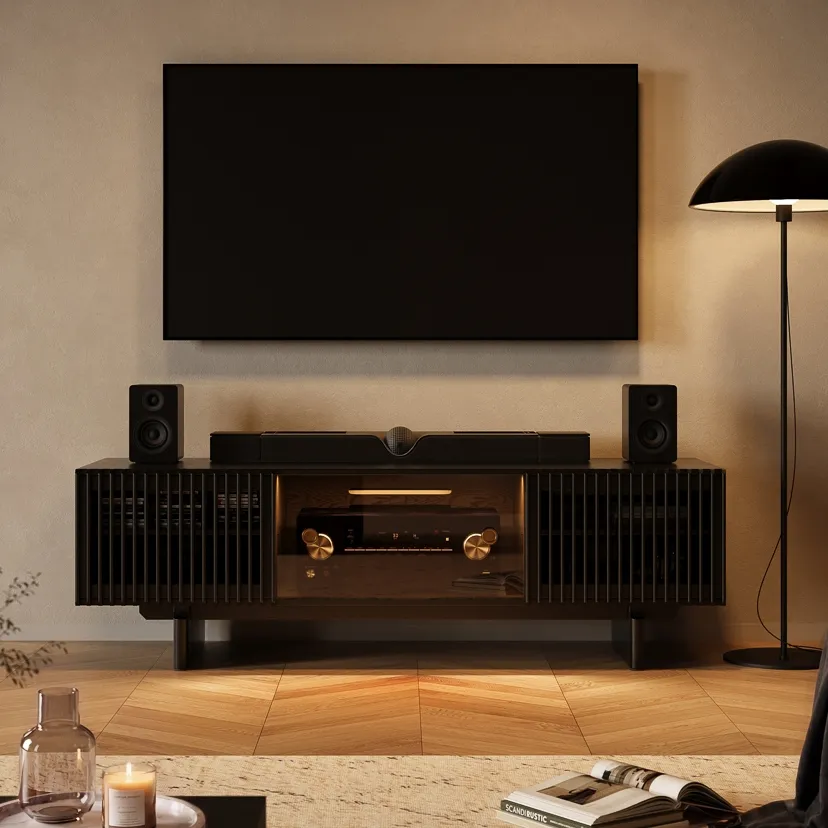
Home-theater equipment often changes faster than the furniture around it. Measure the deepest device with its front knobs, rear plugs, and cable bends included, then check whether the cabinet can accommodate future equipment without forcing the doors open or trapping heat.
The Arboren 71-inch media console addresses that concern with 18.3 inches of internal depth, adjustable shelves, and ventilation through rear vents and slatted doors. For homes with children, the television should also sit on furniture designed to support it and be secured according to guidance from the U.S. Consumer Product Safety Commission.
Coffee Table: Reach, Movement, and Useful Surface
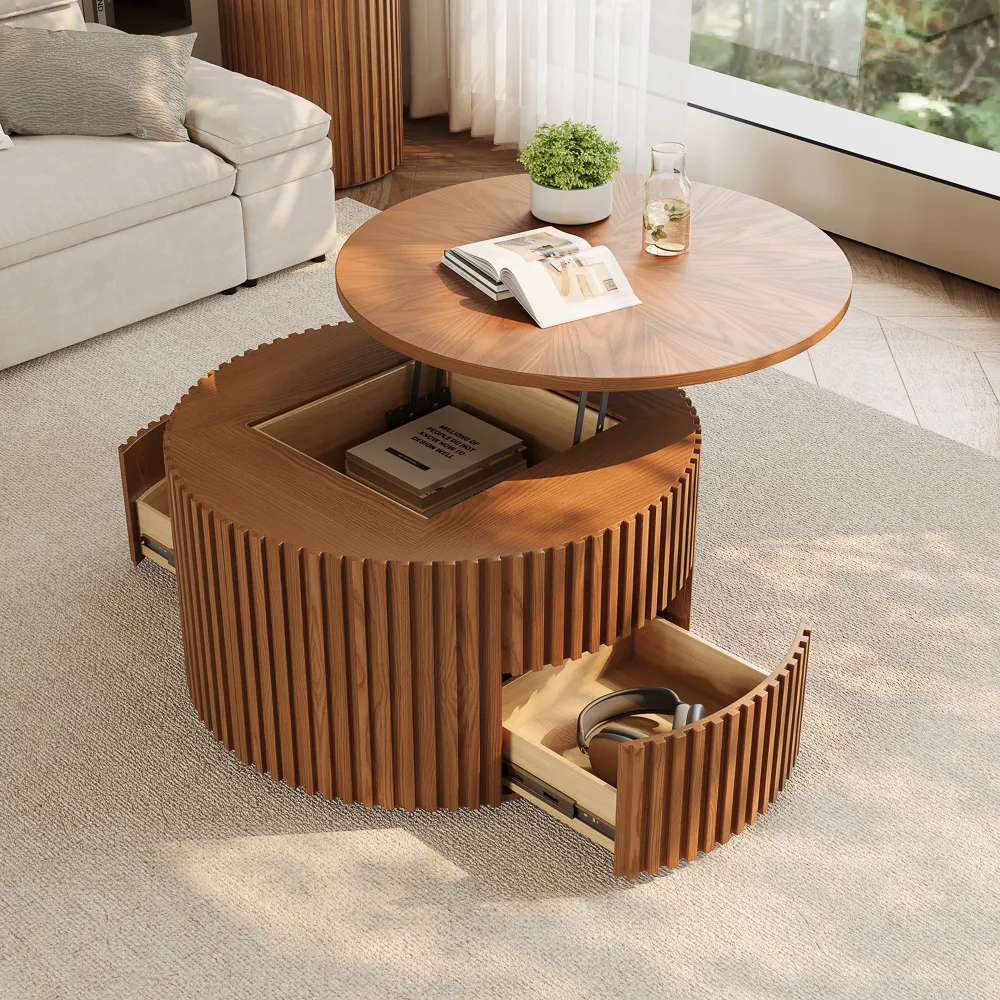
Compare table height with the sofa cushion, then sit down and reach for a cup. Check stable surface area, corner safety, walkway clearance, and whether storage or lift mechanisms will be used often enough to justify them.
In a compact living room, the Silva lift-top round coffee table raises to 23.2 inches for laptop work or casual snacks, while hidden storage and drawers keep remotes and chargers nearby. Its rounded edges also avoid sharp corners along a tight path between the sofa and the door.
Online Product-Page Evidence
A product page should prove its claims. Look for complete exterior and interior dimensions, named materials for each major component, close-ups of edges and hardware, care instructions, weight or seating limits, replacement information, delivery terms, and photographs in real rooms.
Strong evidence includes:
- Adjustable-part diagrams
- Finish-specific care instructions
- Photos showing doors, drawers, seams, and cable openings
- Customer images that reveal real-world scale
- Explanations of how heat, spills, cords, or moving parts are handled
Pause when a page relies on “premium,” “luxury,” or “timeless” without identifying the construction behind those words. When a piece arrives fully assembled or requires only minimal setup, it can reduce alignment errors and shorten the time between delivery and use. Assembly convenience is still separate from material quality, functional fit, and long-term adaptability.
A Smart Place for Trends
A timeless home does not need to be trend-free. Match the strength of the trend to the cost of changing it:
- High commitment: sofa frame and main upholstery, dining tabletop, media-console body
- Medium commitment:dining chairs, accent chairs, compact cabinets
- Low commitment: pillows, throws, lamps, trays, art, and small side tables
Choose a trend-driven piece when the feature is genuinely liked, the object still passes the use and material tests, and future restyling remains affordable.
Flexible foundations can still include color; timeless and resale-friendly furniture colors extend beyond beige to wood tones, softened dark shades, and muted color.
Conclusion
The best timeless furniture does not force your home to stay frozen. It keeps working as rooms are repainted, equipment changes, children grow, guests arrive, and routines become less predictable. Before buying, separate visual appeal from physical durability and lifestyle fit, then score the silhouette, material aging, function, restyling potential, and placement of trends. Apply the result to the specific furniture category and verify every claim on the product page. A lasting piece earns its place through repeated, ordinary use—not through a timeless label alone or a styled photograph.
FAQs
Is solid wood always better than veneer or engineered wood?
No single material label guarantees performance. Check the substrate, veneer thickness, edge treatment, joinery, finish, expected load, and repair options. A stable, well-sealed engineered panel may outperform poorly dried solid wood in some settings, while a thin surface that cannot be repaired may age badly despite an attractive grain.
Is expensive furniture automatically more timeless?
No. Price can reflect branding, design licensing, shipping, limited production, or decorative labor. Compare comfort, construction disclosure, finish behavior, replacement parts, warranty terms, and delivery risk separately. A less expensive piece that fits the room and can be maintained may remain useful longer than a costly but highly specialized design.
Should renters invest in large timeless pieces?
Prioritize furniture that fits through current and likely future doorways, works on more than one wall, and can be separated into manageable sections. Chairs, compact cabinets, and modular seating usually move more easily. Before buying a large table or sofa, record elevator, stair, hallway, and doorway measurements—not only the room dimensions.
Is vintage furniture automatically timeless?
Vintage describes age, not suitability. Inspect wobble, odors, loose joints, altered wiring or powered parts, when applicable, finish condition, and the availability of safe repairs. Also check whether seat height, table clearance, drawer operation, or media storage match modern use. A beautiful piece becomes a burden when it cannot perform its intended task safely.


