 By Kelvin
Introduction
An eco-friendly sleeper sofa is worth considering only when it offers more than a green-sounding fabric label. Before you buy, you need a practical way to compare the frame, filling, upholstery, indoor-air information, and sleep function you will actually use. This guide explains how to assess a sustainable sleeper sofa for credible evidence, comfort, and long-term usefulness, whether it will host a friend twice a year or serve a small apartment every week. The goal is not to find a flawless product, but to make a better-supported choice.
Table of Contents
What Makes a Sleeper Sofa More Sustainable?
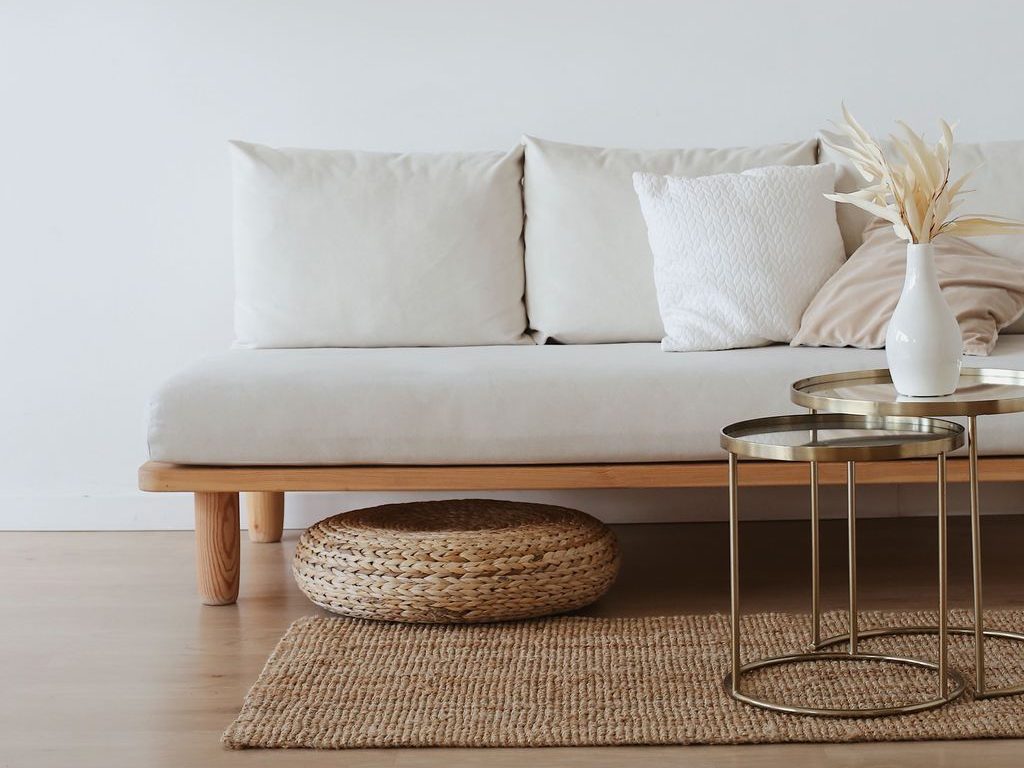
An eco-friendly sleeper sofa is not one specific material type. It is a sofa bed with clear information about its materials, thoughtful construction, and a realistic chance of staying useful for years rather than being replaced after a short period.
A sleeper sofa has more moving parts than a standard couch. It combines a seat frame, upholstery, cushions, support layers, and a conversion mechanism. That means a recycled fabric label alone does not tell the whole story. Look for evidence across the product, then weigh it against how often you expect to sit, lounge, and sleep on it.
| Part of the sofa | What to look for | Why it matters |
| Frame | FSC-certified or clearly sourced wood, sturdy joinery, warranty details | A stable frame supports both daily seating and repeat conversion. |
| Upholstery | Fiber content, recycled-material percentage, textile certifications, care instructions | Fabric affects indoor contact, cleaning needs, and replacement risk. |
| Cushions and filling | Clear foam, fiber, latex, or recycled-fill information | Cushion recovery influences comfort and how long the sofa remains usable. |
| Finishes and adhesives | Low-emission or low-VOC statements when documented | These details matter for buyers focused on indoor-air considerations. |
| Sleeper mechanism | Warranty, repair guidance, conversion design, replacement-part availability | A sofa bed is less useful if the mechanism becomes difficult to operate. |
The same whole-product approach matters when comparing an eco-friendly sofa versus leather couch. Material type matters, but longevity, maintenance, and whether the piece will remain in use matter too.
Which Eco Claims Should You Verify Before Buying?
The strongest product pages explain exactly what a claim applies to. A wood-frame certification, a textile certification, and an emissions certification can all be useful, but they answer different questions. Treat each label as one piece of evidence rather than a full sustainability score.
| Product-page claim | What it can support | What it does not automatically prove |
| FSC-certified wood | The wood comes from responsibly managed forest sources | The upholstery, foam, metal mechanism, or finishes are low-impact |
| GOTS-certified fabric | The textile meets organic-fiber and processing requirements | The entire sleeper sofa is organic or low-emission |
| GREENGUARD certification | The certified product meets chemical-emissions standards | Its materials are recycled, natural, or easily repairable |
| OEKO-TEX® STANDARD 100 | The certified textile has been tested for harmful substances | The frame, foam, and mechanism have the same testing |
| Recycled fabric | The fabric includes recycled content | The textile is more durable, lower-emission, or better for every home |
| PFAS-free upholstery | The stated fabric avoids that treatment category | The full sofa is chemical-free or environmentally neutral |
An FSC label relates to responsible forestry, but it does not verify a sleeper sofa’s upholstery, foam, adhesives, or indoor-air emissions. Other certifications may apply to textiles or emissions instead, so check exactly what a claim covers before treating it as evidence for the whole product.
A useful buying rule is simple: if a listing says “eco-friendly” but does not explain the material, certification, or scope, treat it as a starting point for questions, not a final answer.

Why Comfort and Durability Matter for Sustainability
A sleeper sofa that looks responsible on paper but feels uncomfortable in daily life is unlikely to stay in the home for long. Comfort is part of the sustainability decision because it affects whether you keep using the piece instead of replacing it.
For example, a home office that becomes a guest room once every few months can prioritize easy conversion and a supportive temporary sleep surface. A small apartment where the sofa becomes a bed every weekend needs more: stable support, a smooth mechanism, and upholstery that can handle regular use without becoming difficult to clean.
Focus on three real-life checks:
- Daily seating: Does the cushion recover after regular use, and does the back support work for reading, TV time, or long conversations?
- Sleeping surface: Does the extended sofa create noticeable gaps, pressure points, or uneven support?
- Conversion effort: Will you actually use the sleeper function, or is it so awkward that guests end up with an air mattress instead?
The best long-term choice is not necessarily the softest option in a showroom. It is the one that remains comfortable in both modes and fits the frequency of use your home actually needs. Those same practical criteria appear in what makes a sofa bed comfortable for overnight guests, including support, ease of conversion, and room fit.
Natural Materials or Easy-Care Performance Fabric?
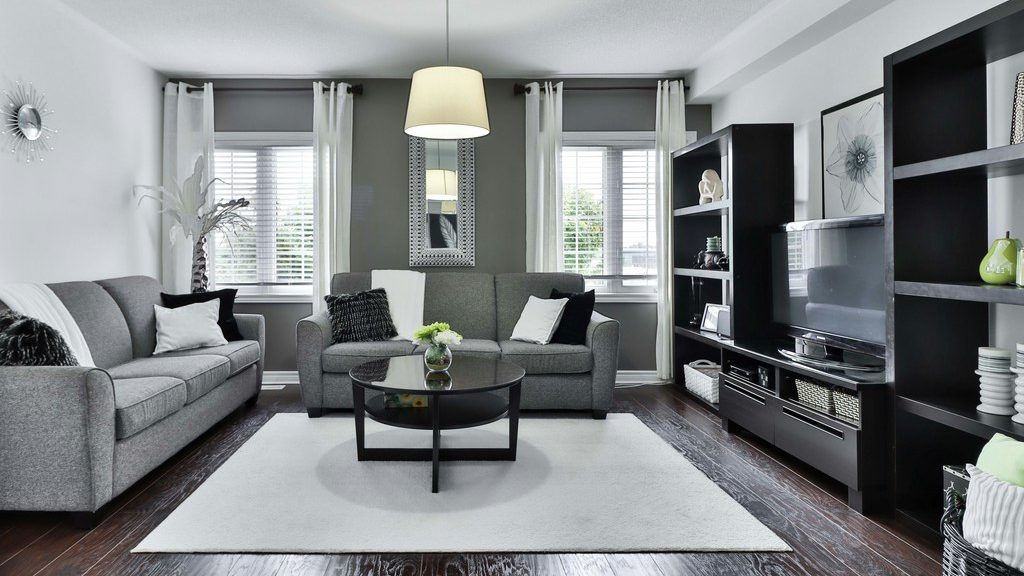
This is often the hardest trade-off. Natural fibers, recycled textiles, and documented certifications can be meaningful priorities. But a household with a dog, young children, or frequent overnight guests also needs to consider spills, wear, and cleaning effort.
An upholstery choice becomes more sustainable when it fits the way you live. A delicate natural fabric that requires difficult maintenance may not be the most practical option for a busy family room. On the other hand, a synthetic performance fabric should not be treated as automatically responsible simply because it resists stains.
Look for specific information:
- Fiber composition, rather than only “performance” or “eco” language
- Whether the fabric has a documented chemical or textile certification
- Spot-cleaning, removable-cover, or professional-care requirements
- Wear resistance and whether the surface is likely to suit pets or children
- Whether the sofa can remain attractive and functional without frequent replacement
For a busy apartment or family room that hosts occasionally, the Aurora-Power Sofa Bed is better understood as a lower-maintenance option than as a blanket eco claim. Its 83-inch two-seat frame uses water- and scratch-resistant 100% polyester chenille, while one-touch modes move from seating to lounging or sleeping. That practical flexibility can matter when one piece needs to replace extra guest furniture.
In other words, eco friendly furniture decisions should consider both material transparency and the likelihood that a piece will survive real life without becoming disposable.
How to Compare Eco-Friendly Sleeper Sofa Options
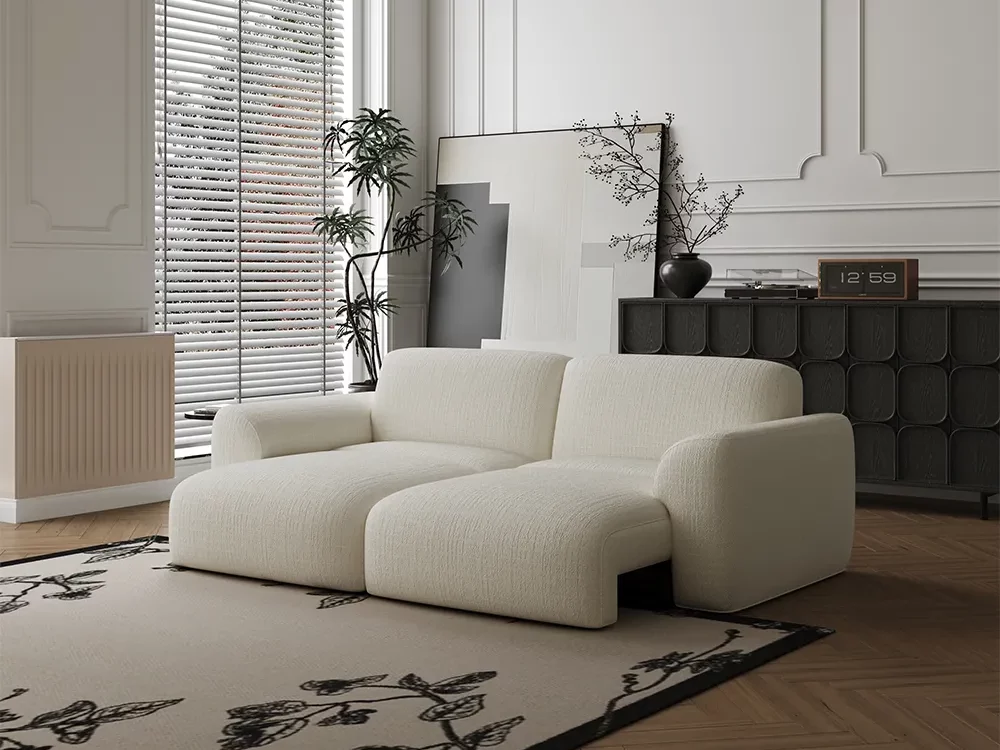
Start with the way the sofa will be used, then apply the material and durability checks above. A model that works well for a guest twice a year can be a poor fit for weekly sleeping. These real-home profiles help narrow the features that deserve your attention first.
For an Occasional Guest Room
Choose a sleeper sofa that converts without turning your living room into a project. A reliable mechanism, enough sleeping support for one or two nights, and upholstery that suits the room’s normal use are more important than paying for features you will rarely use.
Check the extended footprint before buying. A sofa bed should open without blocking the main walking path, a closet, or access to a bathroom.
For Regular Hosting or Weekend Use
When guests stay often, prioritize the sleep surface and conversion mechanism before color or decorative details. Repeated use places more stress on cushions, rails, hinges, and support layers.
Look for a clear warranty, detailed care instructions, and enough material information to understand what maintenance will need over time. If a brand offers replacement covers, cushions, or serviceable components, that can be more useful than a vague sustainability statement.
For a Compact Everyday Living Room
A compact home benefits when one sofa can handle sitting, lounging, and occasional overnight use without requiring another bulky furniture purchase. An eco-friendly sleeper sofa in this setting should also be evaluated for closed dimensions, open dimensions, outlet access for powered designs, and whether the conversion can happen without moving every table in the room.
A sofa bed may save floor space, but it only earns that advantage when the room still functions on the nights you need it most.
Use This Product-Page Checklist Before You Order
Before placing an order, save the product page and confirm what is actually documented. This helps separate a genuinely useful sustainability signal from a broad marketing phrase.
Materials and Certifications
- Is the frame material clearly listed?
- Does upholstery show its fiber content?
- Is any recycled content identified with a percentage?
- Is a certification named precisely, rather than described generally?
- Does the certification apply to wood, fabric, foam, or whole product?
Long-Term Use
- Does the product page explain the sleeper mechanism?
- Is there a warranty for structural or powered components?
- Are care instructions realistic for your household?
- Can covers, cushions, legs, or modules be replaced if needed?
- Is the design likely to suit your home for several years rather than one trend cycle?
Space and Delivery
- What are the closed and fully extended dimensions?
- Can the sofa fit through your doorway, hallway, elevator, and stair turns?
- Does the bed mode leave a clear route through the room?
- Does a power model have a practical outlet location?
These checks belong alongside the usual steps for choosing a sofa bed for your living room, including room fit, sleep frequency, and support needs.
Conclusion
The right eco friendly sleeper sofa is not simply the one with the most green language on its product page. It is the one with clearer material evidence, a comfort level that matches your real use, and a structure you are likely to keep for years. Compare certifications by what they actually cover, consider whether the upholstery can handle your household, and check the sleeper function as carefully as the sofa’s appearance. A thoughtful purchase can support a more flexible home without treating sustainability as a shortcut claim.
FAQ
Is a used sleeper sofa worth buying?
It can be, as long as the structure and sleeper function are still sound. Open and close the bed before paying, then inspect the rails, hinges, support surface, cushions, and upholstery. Walk away if the frame shifts, the mechanism catches, or the sleeping surface sags heavily, since those issues can be expensive to correct.
Can a sleeper sofa be reupholstered without affecting the bed function?
Usually, yes, when the fabric is the main issue and the frame still works well. Ask an upholsterer to check clearance around folding sections, moving rails, and tucked fabric before work begins. Thick new upholstery can interfere with a pull-out or fold-down mechanism if it is not fitted around those moving parts carefully.
What records should I keep after buying an eco friendly sleeper sofa?
Save the receipt, warranty terms, care instructions, material details, and any certification documents provided with the product. These records make it easier to order compatible parts, follow the correct cleaning method, or explain the sofa’s materials accurately if you later resell, donate, or repair it.
Can a mattress topper stay on a sleeper sofa when it is folded?
Only if the manufacturer specifically says it can. Most toppers should be removed before closing the sleeper mechanism because extra thickness can prevent proper folding or place pressure on the frame. A thin, breathable topper that stores easily is usually the most practical option for occasional overnight guests.
What should I do with an old sleeper sofa I no longer need?
First, test whether it still opens, closes, and supports weight safely. A clean, working sleeper sofa may be suitable for resale, donation, or a local reuse group. If the mechanism is damaged beyond repair, check furniture-recycling, upholstery-recovery, or bulky-item collection options before sending the entire piece to landfill.


