 By Kelvin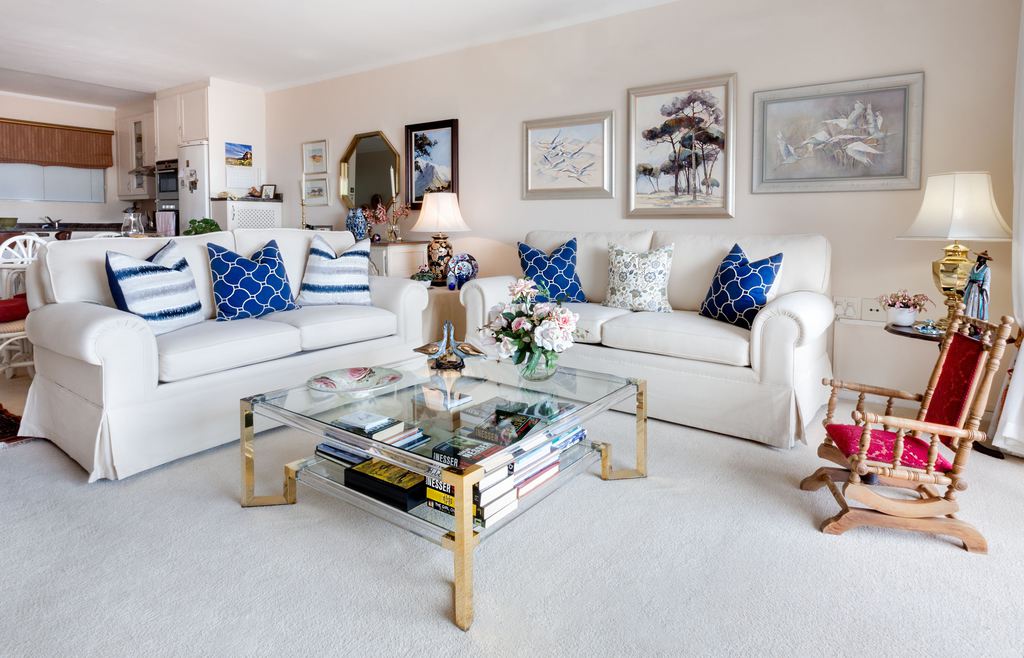
Introduction
Summer decor should make your home feel lighter without asking you to replace everything you own. This approach helps you decide what to put away, which surfaces deserve attention first, and how to add seasonal character without making daily meals or casual hosting harder. Instead of treating summer as a reason to buy a collection of themed accessories, use a few visible changes—lighter textiles, natural materials, and one well-styled surface—to make the rooms you use most feel calmer, brighter, and easier to share.
Table of Contents
What Makes a Home Feel Like Summer?
A home feels ready for summer when its most visible layers look less heavy and its everyday surfaces are easier to use. That does not mean every room needs blue, shells, or a beach theme. The seasonal shift comes from editing visual weight: put away the thick throw that stayed on the sofa all winter, trade a dark velvet pillow cover for linen or cotton, and let light, greenery, or a simple bowl of fruit do more of the work.
Start by looking at what already feels dense. A crowded fireplace ledge, several heavy blankets, and a coffee table covered in small objects can make even a sunny room feel closed in. Keep the furniture that anchors the room, then adjust the smaller layers around it.
| Keep | Put Away | Add |
| Main furniture, rugs, and your everyday color base | Heavy throws, dense holiday displays, and unused tabletop objects | Linen, cotton, clear glass, greenery, and one seasonal color |
| Useful trays and storage baskets | Oversized faux florals or several competing small accents | A low vase, fruit bowl, or a single branch arrangement |
| Art and objects you truly like | Anything that blocks a table, shelf, or walkway | Texture from woven fiber, pale wood, ceramic, or stone |
The goal is not an empty room. It is a room where the pieces left out look intentional and still support the way you live.
How Do You Decorate for Summer Without Redecorating?
You do not need new furniture or a room-by-room makeover. For summer decor, start with changes that make the room feel lighter while keeping the surfaces you use every day practical.
- Edit before you buy. Put away thick throws, dark pillow covers, leftover seasonal displays, and tabletop objects that have become background clutter.
- Replace one soft layer. Swap only the most visible textile—two pillow covers, a light throw, or a washable runner—for linen, cotton, or another breathable texture.
- Add one natural focal point. A leafy branch, compact plant, bowl of citrus, or clear vase is usually enough. Keeping summer decorations in one focal area prevents the room from looking scattered.
- Reset a working surface. Leave coffee tables open for drinks and remotes, and keep dining tables clear enough for dinner and a serving bowl. If an arrangement has to be moved every day, it is not earning its place.
This simple order—edit, lighten, then add—answers how to decorate for summer without turning a seasonal refresh into a full redecoration.
Which Surfaces Should Get Summer Decor First?
Start with surfaces people already notice and use: the coffee table, dining table, and one arrival point such as a console or fireplace ledge. Each has a different job. A coffee table needs room for daily lounging, a dining table must support meals, and an entry surface should offer one clear seasonal cue without becoming a drop zone for everything else.
The Living Room
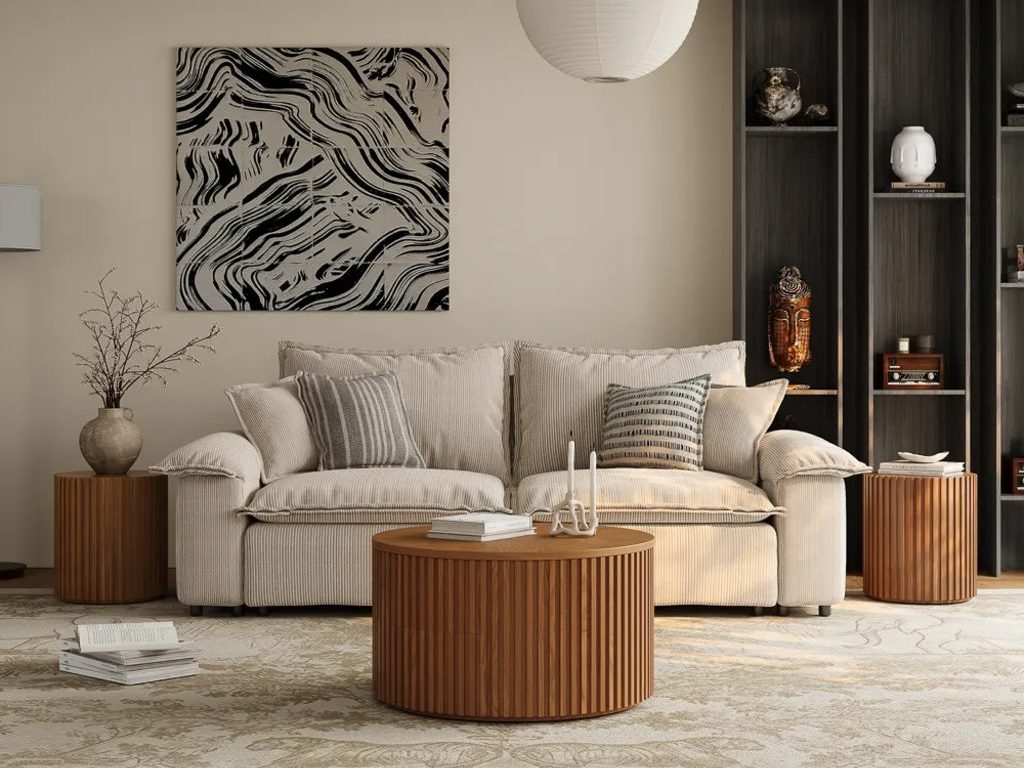
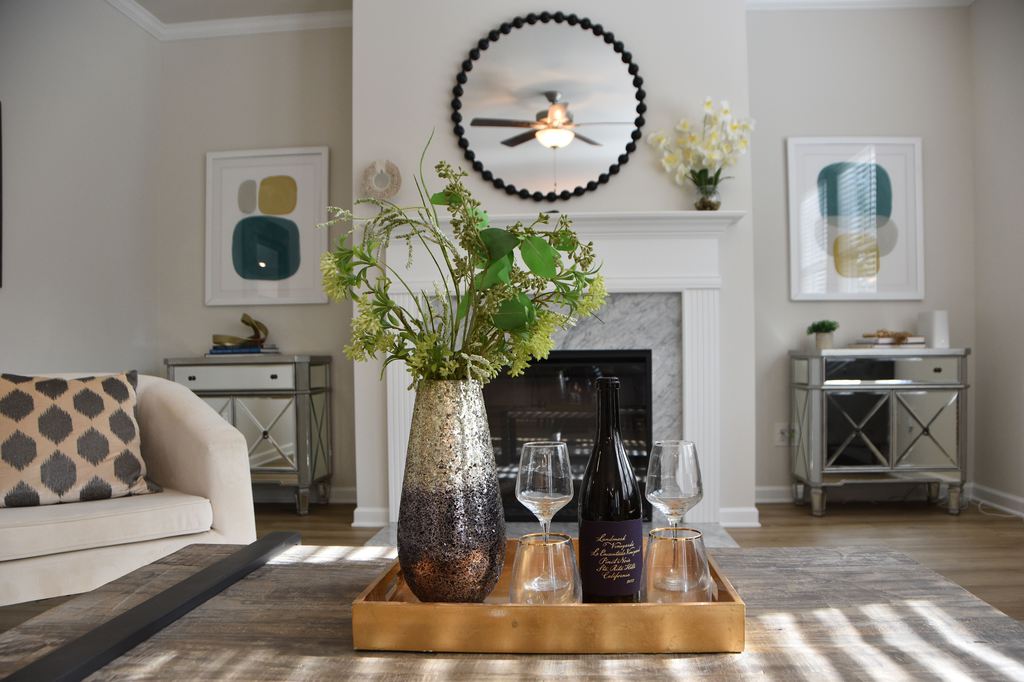
A coffee table does not need a large centerpiece to look finished. Use a tray to hold a small vase, a candle, and practical items such as coasters, then leave a clearly open section of the top. That open space matters on a Tuesday night when the table needs to hold two cold drinks, a remote, and a snack plate.
For a compact living room that also handles drinks, laptop time, and movie-night snacks, the Silva-31.5” Lifting Top Round Coffee Table helps the surface reset quickly. Its rounded shape keeps the seating area visually soft, while the lift top and hidden storage make it easier to clear remotes, chargers, and coasters after use.
For a rectangular table, a low arrangement slightly off center usually feels more relaxed than several matching objects lined up across the middle. On a round table, one compact arrangement is often enough. Adding separate objects around every edge can make the surface look busy from the sofa and the doorway.
The Dining Table
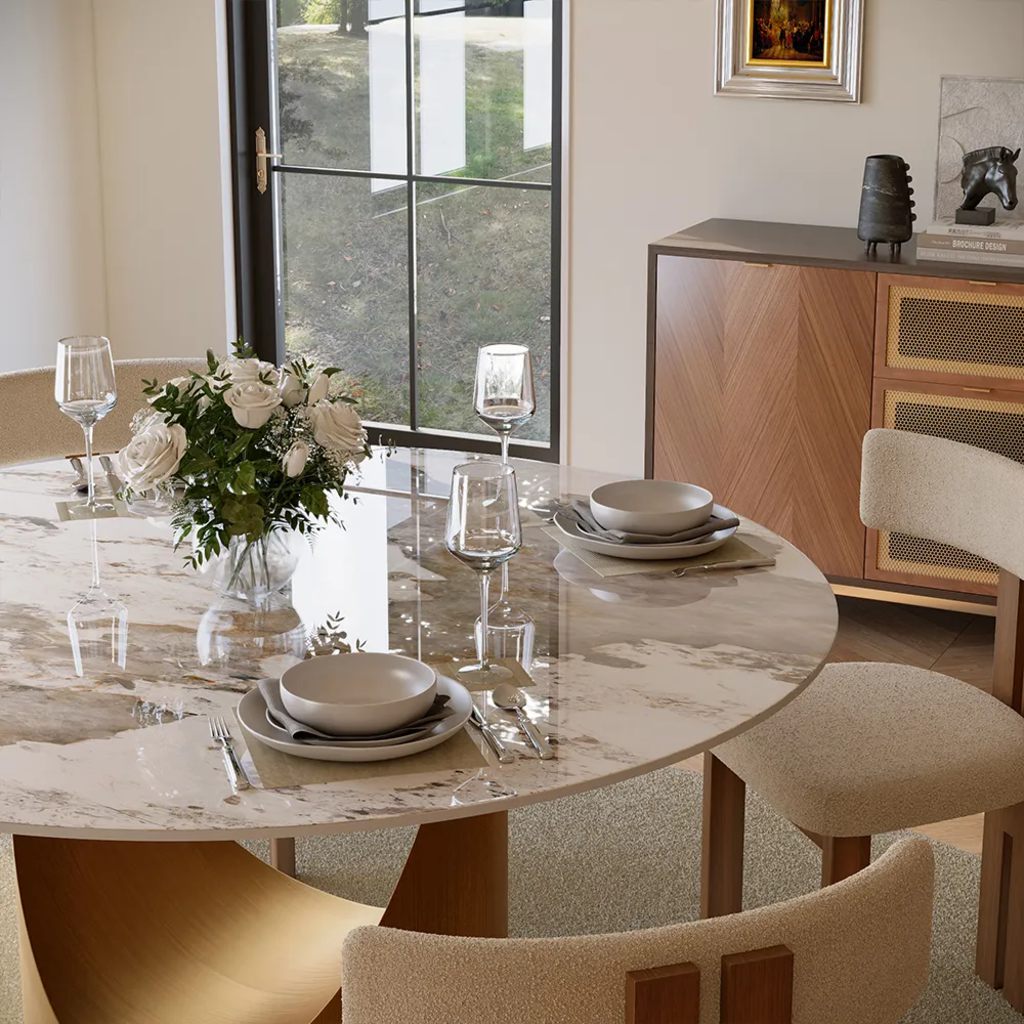
The best summer table setting can be lifted away in one motion. On a 36- to 42-inch round table, use one low vase, footed bowl, or small plant instead of a wide collection of objects. On a longer table, a narrow runner with two or three low elements keeps the center visible without taking over the serving space.
A family eating at the table nightly needs room for plates and shared dishes. A table used mainly for weekend brunch can carry a little more color, but the arrangement should still leave clear places for glasses and elbows. The most practical flower decoration ideas for a beautiful, livable home use low vessels and simple stems that preserve sightlines across the table.
The Entryway or Fireplace
Use an entry console or an unused fireplace ledge for the most decorative version of the season. A single art print, bowl, or vase of branches can set the tone before anyone reaches the living room. Keep the rest simple.
If the surface also catches keys, mail, sunglasses, or dog leashes, choose one contained tray rather than loose objects that blend into daily clutter. The point is to create an intentional first impression without creating another place that needs to be cleared every evening.
How Do You Build a Summer Palette Around Existing Furniture?
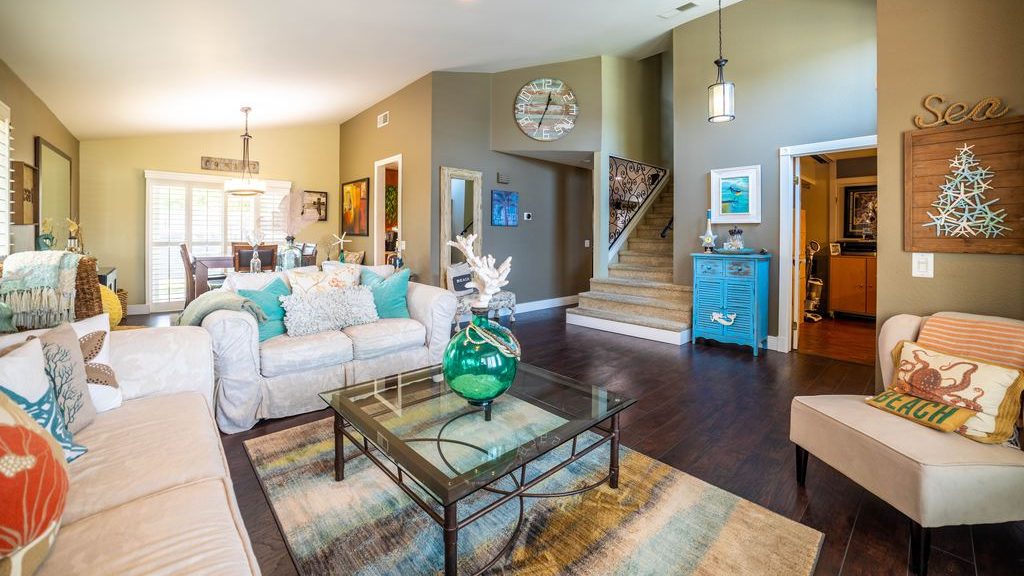
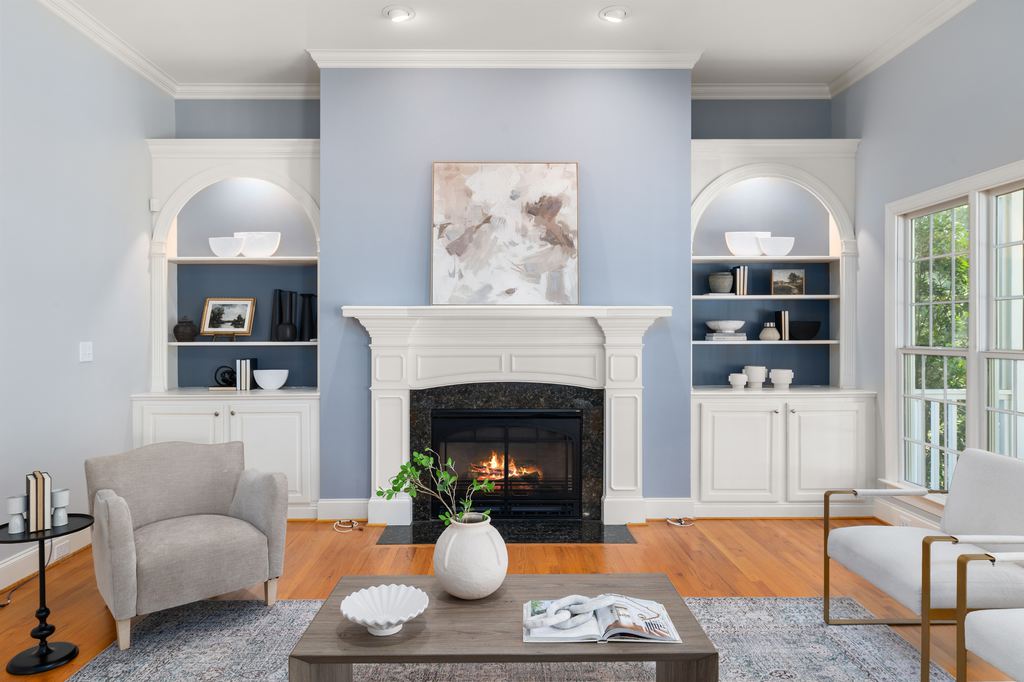
Choose summer color from the furniture you already have instead of forcing every room toward a coastal look. Light sofas can take soft blue, sage, butter yellow, or clear glass without much effort. Warm wood and cognac leather look especially good with leafy greens, pale clay, citrus tones, and off-white linen.
Dark stone, black metal, or charcoal upholstery often need contrast rather than replacement. Add cream, soft peach, pale green, or light wood in small doses. In a room that feels heavy even in daylight, a few lighter layers can also help brighten a dark room without repainting.
| Existing Furniture Base | Summer Direction | Useful Supporting Materials |
| White, cream, or light gray | Sage, sky blue, butter yellow | Linen, clear glass, pale oak |
| Walnut, oak, or cognac leather | Leafy green, citrus, soft terracotta | Ceramic, woven fiber, stone |
| Black metal, dark stone, or charcoal fabric | Cream, pale green, soft peach | Light wood, glass, matte pottery |
| Minimal modern furniture | One accent color, repeated twice | Sculptural greenery, linen, simple ceramics |
Do not introduce every color in the table. Pick one main accent and repeat it in two places, such as a pillow cover and a vase, or placemats and a piece of art. This creates a seasonal connection without making the room feel themed or overly coordinated.
Use the Everyday-Use Test Before You Add More Decor
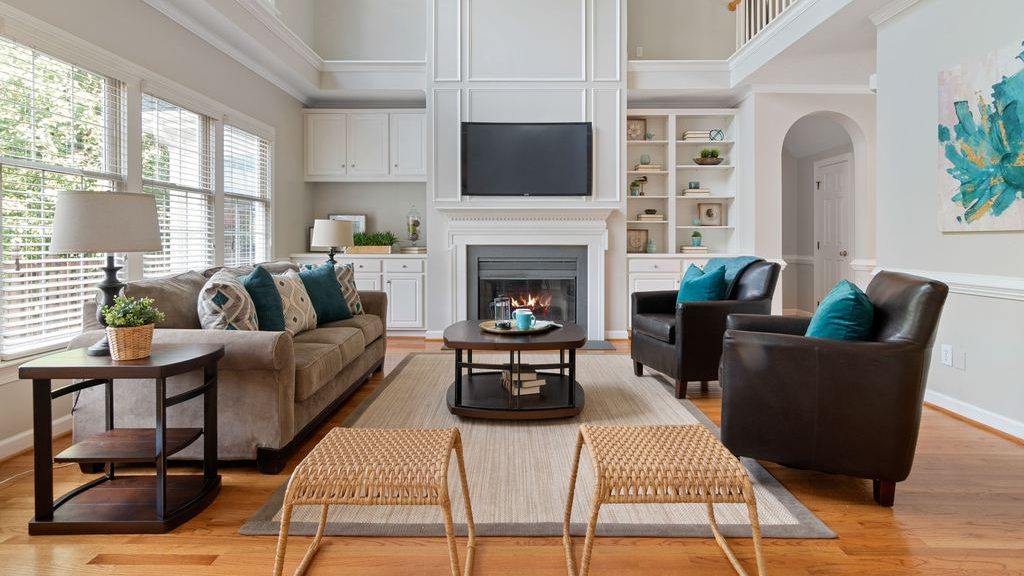
Before adding more summer decor ideas, check whether the room still works for the routines that happen there every day. A surface can look light and seasonal in a photo but become impractical when you need to move a vase to set down a drink, open a laptop, or serve dinner. The most useful seasonal styling leaves enough room for the activity the furniture is meant to support.
Use these questions before adding another object:
- Can you set down a drink, book, or remote without moving the display?
- Can the dining table hold a regular meal, a serving bowl, and a centerpiece at the same time?
- Can you clear the main tabletop in under a minute when you need more space?
- Does the room feel short on usable surface or storage, rather than short on decoration?
- Will the arrangement still work during everyday routines such as meals, movie nights, reading, or work at the table?
If you repeatedly move decor before dinner or clear a tabletop before using it, the problem may be the furniture setup rather than the styling. A round extendable dining table can be useful when one table needs to stay compact for everyday use but provide more usable surface when your routine changes.
Conclusion
The most useful summer decor does not begin with a cart full of seasonal accessories. It starts by removing what makes a room feel heavy, then adding one or two lighter materials and a natural focal point where people already spend time. Keep coffee tables ready for drinks, dining tables ready for meals, and entry surfaces clear enough to welcome people in. When your choices pass that everyday-use test, the room feels easier to live in, easier to share, and more ready for the relaxed routines that summer brings.
Q&A
What Can Sit Near a Sunny Window Without Fading Quickly?
Use UV-resistant textiles, glazed ceramics, metal, or items specifically labeled for sun exposure. Keep paper art, dyed fabrics, untreated baskets, and faux stems away from strong afternoon sun, as they can fade or become brittle. Rotate decor occasionally when a window receives several hours of direct light.
When Is Faux Greenery a Better Choice Than Fresh Stems?
Faux greenery works better on high shelves, in vacation homes, or on surfaces that are difficult to maintain regularly. Fresh stems are more suitable for a dinner, weekend gathering, or a spot where their color and scent can be enjoyed up close. Choose matte leaves and bendable stems for a more natural look.
How Do I Protect a Wood or Stone Table From Summer Decor?
Place a coaster, felt pad, or waterproof tray under vases, planters, and cold-drink displays. Moisture trapped under a vessel can mark unfinished wood, while abrasive bases can scratch stone or lacquer. Empty standing water promptly and avoid leaving damp moss, wet soil, or condensation directly on the tabletop.
What Summer Decor Holds Up Better in a Humid Room?
Choose nonporous or washable materials such as glazed ceramic, glass, metal, and machine-washable cotton or linen. Avoid untreated natural fiber, paper decor, and unsealed wood near bathrooms, damp entryways, or rooms with limited airflow, since moisture can cause warping, mildew, or discoloration.
Should I Use Scented Candles on a Summer Dining Table?
Use unscented candles when the table will be used for meals, since fragrance can compete with food and bother scent-sensitive guests. Choose low, stable holders and keep them outside the serving zone. Stronger scents work better near an entry or in a living room than beside dinner.


