 By Stephanie
Choosing a sofa for a family is not about filling the biggest open wall. The great sofas for families make room for real life: backpacks after school, a dog claiming the corner, movie-night sprawl, a quick nap before dinner, and friends who stay longer than planned. The right choice supports those moments without closing off the room or turning every spill into a crisis. Start with your household’s busiest typical evening, then choose a shape, seat feel, and fabric that make that routine easier.
Table of Contents
What Makes a Sofa Great for Families?
Family-friendly is not a look or a color. It is a practical combination of usable seating, comfort for different body types, and maintenance that fits into a normal week. Before looking at silhouettes or swatches, decide what your sofa needs to handle repeatedly—not just how you want it to look when the room is empty.
Seating That Works for Different People
A sofa’s listed seat count rarely tells the full story. Wide arms, oversized cushions, a chaise, and a pet can all reduce the room people actually have. Think about a regular evening: one adult is upright with a laptop, someone else wants to stretch out, and a child wants to sit close during a show.
Choose based on usable seat width, arm thickness, and the amount of room each person has after cushions and pets take their place. A good family couch gives people more than one comfortable way to sit without leaving everyone competing for the same corner.
Support That Holds Up Through a Busy Week
Softness matters, but a family sofa also needs enough structure to stay comfortable after hours of use. A seat that feels dramatic in a showroom can become tiring when it offers little back support or requires constant fluffing to look presentable.
Look for back support that works when people sit upright as well as when they relax. Cushions should feel substantial enough to recover after repeated use, especially in homes where the sofa is used for homework, TV, and naps every day. This is less about making the seat firm and more about avoiding a sagging, hard-to-reset feel.
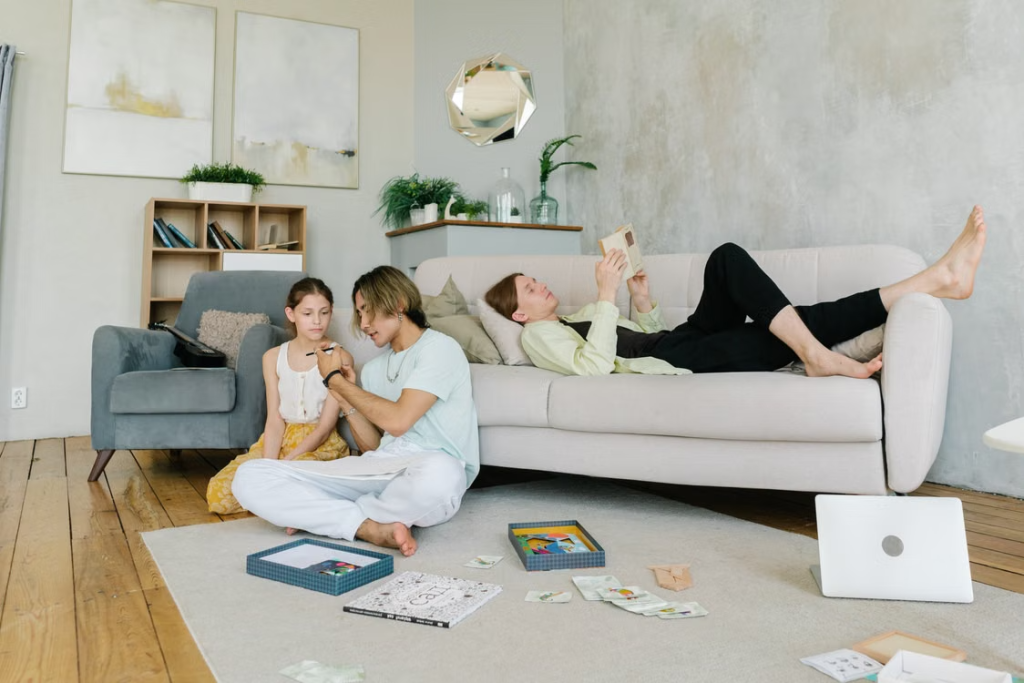
Match the Sofa Shape to Your Family’s Routine
Once you know what the sofa has to handle, match its shape to the room’s main job. The best choice is not always the largest option or the most flexible-looking one. It is the one that solves the daily problem you actually have—whether that is limited floor space, nightly TV time, frequent guests, or a layout likely to change.
| Your household pattern | Best place to start | Do not overlook |
| Narrow room, 3–4 regular users | Straight sofa or compact chaise | A clear route through the room |
| Nightly TV, gaming, or lounging | L-shaped sectional or deep sofa | Personal space and legroom |
| Larger family or frequent gatherings | U-shaped or oversized sectional | Doorways and exit paths |
| Regular overnight guests | Sofa bed | Everyday sitting comfort |
| A likely move or layout change | Modular sofa | Future reconfiguration |
Narrow Rooms: Straight Sofas and Compact Chaises
A straight sofa or compact chaise often suits a long family room better than a room-filling sectional. It creates connected seating while protecting the route between the entry, kitchen, and TV. A single chaise can add a comfortable stretch-out spot without boxing in the coffee table or making the room feel crowded.
Before choosing a chaise, compare its depth with the clearance you need around the coffee table. In a long room, the chaise should create one relaxed seat without making the center of the room feel pinched. This is especially important when comparing the right four-seater sofa fit for a family room.
Shared Evenings: Deep Sofas and L-Shaped Sectionals
Choose an L-shaped sectional sofa when several people regularly want to lounge in the same zone. It works well for movie nights, game days, and homes where the living room is the default gathering place. Choose a deep straight sofa when you want room to relax but still need one side of the space open for movement.
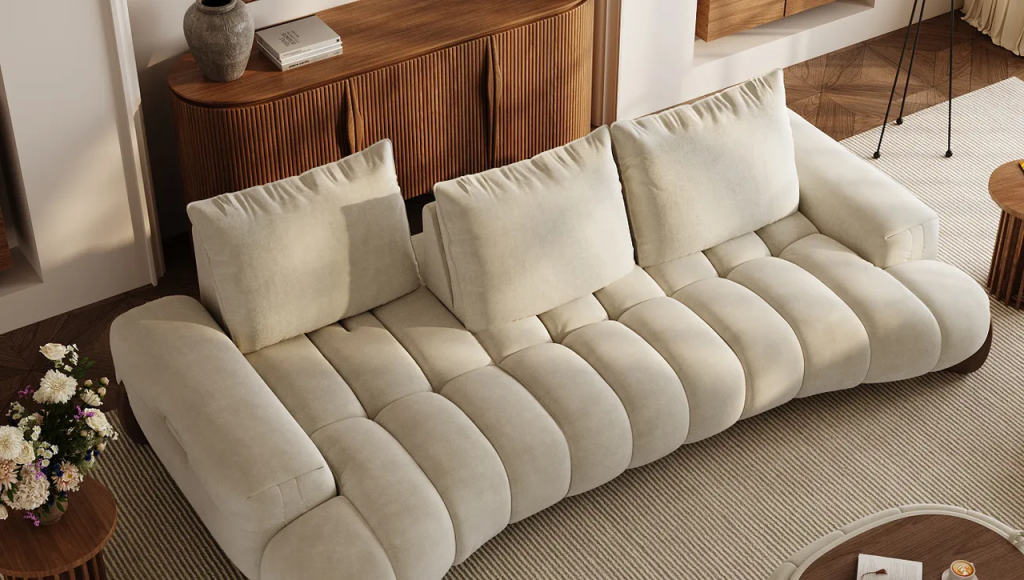
The key question is whether everyone needs the same sitting position. In many homes, one person reads upright, another leans back during a show, and a child or pet takes the end seat. That is where a deep-seat sofa with adjustable cushions and pet-friendly fabric makes sense. The cushions can be moved to suit different ways of sitting, while the short-pile 100% polyester upholstery is soft to the touch, spot-cleanable, and dry-clean safe for a shared family space.
Guests, Growth, and Changeable Layouts
Choose a sofa bed when overnight guests are part of your normal routine and you do not have a separate guest room. If someone sleeps over only once or twice a year, do not sacrifice everyday comfort for a feature that will rarely be used.
For families that use the living room for both everyday lounging and regular sleepovers, a power sleeper can make the switch feel less disruptive. The power sofa bed with remote control moves between lounge, recline, and sleep modes with one-touch adjustment, so the room can change function without dragging out a separate mattress. Its white chenille upholstery is listed as water-resistant, scratch-resistant, and spot-cleanable, which is useful in a shared family space.
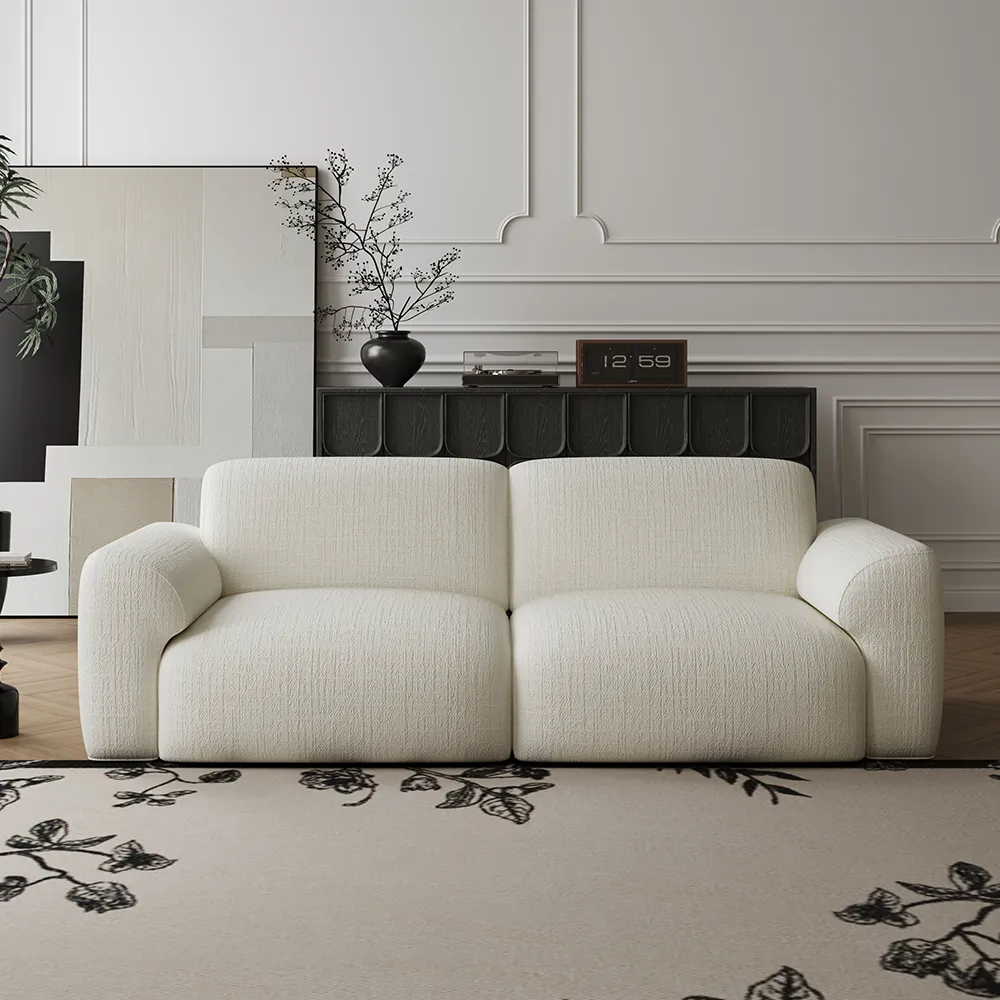
A modular sofa makes more sense when the room itself may change. It is useful for families planning a move, expecting a new child, adding a pet, or turning part of the living room into a play area or work zone. The ability to separate or rearrange seating can prevent a large sofa from becoming a fixed obstacle in the next home. That flexibility is the main reason modular sofas for family life can be a stronger long-term choice than one permanent configuration.
Plan Seating and Space Before You Buy
A sofa can be the right style and still be wrong for the room. Families need enough space to walk through the room, carry groceries, open doors, reach storage, and move around a coffee table without squeezing sideways. Treat the room plan as part of the purchase decision, not as a problem to solve after delivery.
Count Peak Seating Instead of Empty-Room Seating
Do not choose based on how the room looks when only one person is home. Count the people who use the sofa during a normal crowded hour: parents, children, a pet, and the friend or relative who occasionally drops by. Then ask where each person will actually sit.
This approach often changes the answer. You may discover that a smaller sofa plus an ottoman or accent chair provides more useful seating than one oversized sectional. Or you may realize the household truly needs a larger connected piece because everyone gathers in the same room at the same time.
Protect Everyday Paths and Delivery Access
Use painter’s tape to outline the sofa, then test the routes your family uses most. Walk from the front door to the kitchen. Open nearby doors. Pull chairs away from the dining table. Check whether a child can get to the snack drawer without stepping around the chaise.
Then measure the delivery route, including doorways, hallway turns, stairs, and elevators. The narrowest point matters more than the living-room wall. A sofa should define a comfortable gathering area, not block the route through the home or become difficult to bring inside.
Select Upholstery and Cushion Details That Lower Daily Work
Once the size and shape are clear, upholstery and cushion construction determine how the sofa will feel after months of real use. This is where many family buyers focus too much on color and not enough on maintenance. The better choice is the material and cushion style your household can keep comfortable and tidy without constant effort.
Upholstery for Kids, Pets, and Small Spills
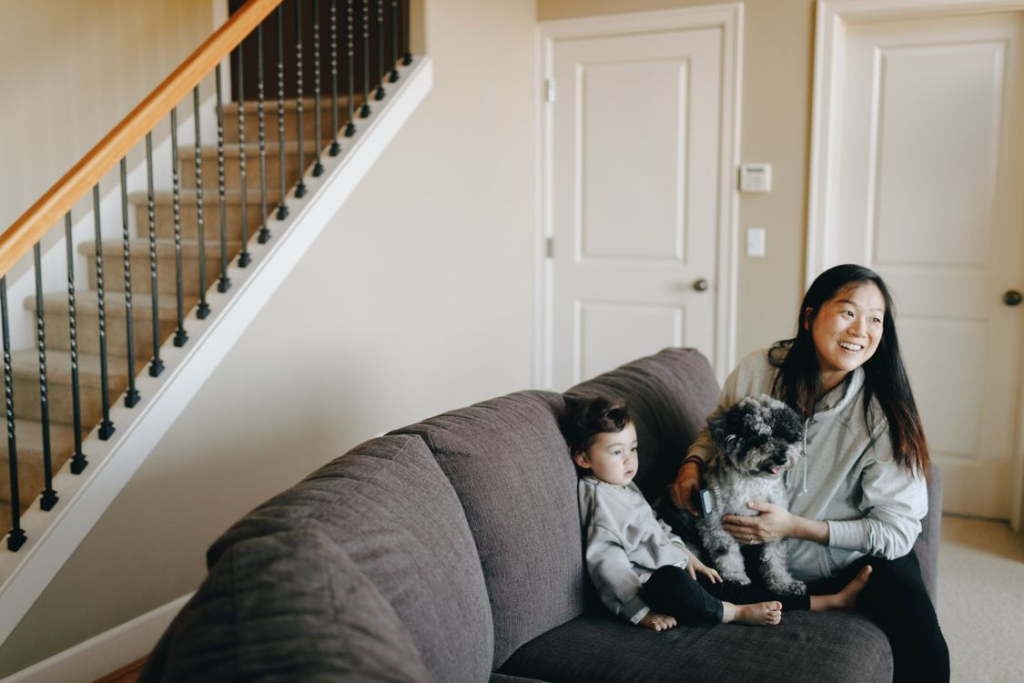
When shopping for the best couch for kids and dogs, start with the surface before you choose the shade. Short-pile or tightly woven upholstery gives crumbs and pet hair fewer places to settle than a loose, nubby weave. It is also easier to vacuum around seams and cushions.
Color still matters, but it should be the second decision. A mid-tone, heathered fabric, or subtle tonal texture can make everyday wear less noticeable between cleanings. Review the care instructions before ordering, especially if your home includes pets, young children, or frequent snacks in the living room. These sofa fabric choices for kids, pets, and frequent spills help clarify which trade-offs matter most.
Cushions and Details That Reduce Daily Work
Loose back cushions invite relaxed lounging, but they need regular fluffing and repositioning. A tighter back style looks neater with less effort, while a bench seat creates a cleaner surface for several sitters. Choose based on the maintenance your household will accept, not only the styling shot you like best.
Also check seams, gaps, and legs. Deep crevices collect crumbs; broad arms can steal useful seat space. Raised legs make vacuuming underneath easier, while a low profile can suit a young child who climbs on and off often. These small details quickly become important in a busy family room.
Use a 5-Minute Check Before You Make the Final Choice
At this stage, you should have a short list based on routine, room shape, and maintenance needs. Use the final check below to compare those options side by side. It turns the buying decision into a clear set of practical questions instead of a last-minute choice based only on color or price.
- Identify the sofa’s main job: movie nights, reading, gaming, naps, guests, or playtime.
- Count everyone who uses it during a typical busy evening, including pets.
- Mark the footprint on the floor and test each major walkway.
- Check seat depth, back support, and ease of standing for the people who use it most.
- Read the exact upholstery-care instructions before choosing a color.
- Measure the tightest point along the delivery route.
- Think ahead two years: a move, growing child, new pet, or more frequent guests can change the best layout.
Conclusion
The great sofas for families are not defined by one size, color, or style. They are chosen around the way people actually live in the room. Start with your household’s daily routine, choose a shape that supports it, and protect the paths that keep the room functional. Then select upholstery and cushions you can realistically maintain. When you check usable seating, comfort for different body types, and delivery access before ordering, the sofa becomes a reliable place for connection, rest, and everyday family life—not a piece everyone has to work around.
Frequently Asked Questions
Can a Deep Sofa Work for Shorter Family Members?
Yes, but the shortest regular sitter should be able to rest their feet comfortably and lean back without sliding forward. Adjustable back cushions can help, but they do not replace a proper seat-depth check. Test the sofa with the people who will use it most before making a final decision.
Are Removable Covers Worth It for Families?
They can be useful when larger messes are common and your household is willing to remove, wash, dry, and refit them correctly. For many homes, an upholstery that vacuums easily and handles spot cleaning is simpler. Choose removable covers for your real cleaning routine, not because they sound like the safest default.
Is Leather a Smart Choice for Kids and Dogs?
Leather is easy to wipe and does not hold pet hair the way many fabrics do. However, it can show scratches and may feel cool or slippery to some users. It suits families that value quick cleanup and can accept a lived-in patina rather than a perfectly uniform finish.
Is a Storage Ottoman Better Than a Coffee Table?
A storage ottoman can work better when the room needs hidden toy storage or a softer center surface for young children. Choose a firm top or add a tray for drinks. A standard coffee table is usually better for puzzles, board games, and regular homework that need a stable, flat surface.


