 By Stephanie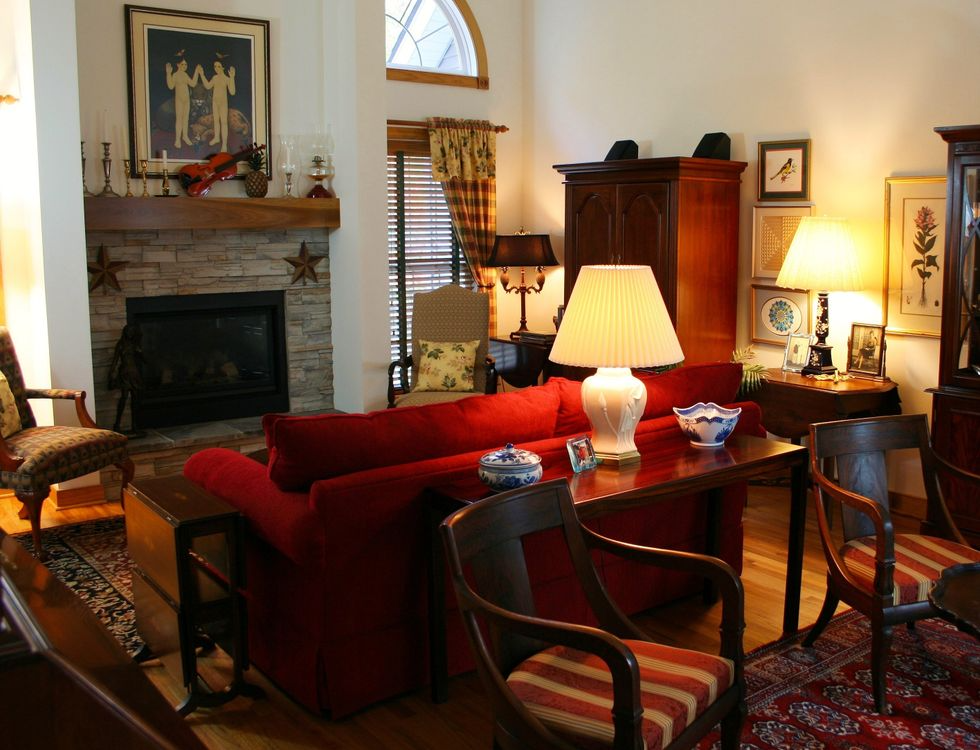
A sofa table can make the back of a couch feel finished, especially when the sofa floats in the middle of the room. But without a plan, it quickly becomes a landing pad for remotes, charging cords, mail, and half-finished drinks. The best sofa table decoration ideas do more than fill an empty surface. They bring light, order, and personality to the living room while still leaving space for everyday routines, family time, and relaxed summer gatherings.
Table of Contents
Start With the Job, Not the Decor
Before choosing a lamp, vase, or stack of books, decide what the table needs to accomplish in your home. This small shift keeps the arrangement focused. Instead of styling for a single photo, you build a surface that supports the way people move, relax, recharge devices, and host friends in the room.
Choosing a Primary Job
Give the sofa table one main responsibility and one supporting role. Too many purposes create clutter because every object begins competing for the same limited surface.
Your primary job might be:
- Evening lighting for reading, conversation, or movie nights
- Family organization for remotes, chargers, throws, and game controllers
- Open-plan definition between the living room and dining or kitchen area
- Summer hosting support for drinks, napkins, coasters, and easy snacks
For example, a floating sofa in an open-plan room may need to define the seating area first and provide light second. A family room may need to organize everyday items first and look polished second.
Before buying, make a quick note of what the table needs to hold, how much open space the room needs to keep, and which side of the sofa will be visible most often. A beautiful tabletop arrangement cannot solve a table that is too deep, too short, or awkwardly placed.
Use the One-Plus-One Rule
Start with one practical item and one decorative element. A lamp, tray, or storage bowl handles daily use; a plant, vase, or small stack of books adds warmth. Once those two roles are covered, stop and check whether the table needs anything else.
This simple starting point keeps behind sofa table decor from feeling overworked. It also leaves the detailed styling decisions—height, placement, and usable surface space—for the four-part method that follows.
How to Choose the Right Table for Your Sofa: Editor’s Picks
Before styling the surface, decide where the useful surface belongs. A console table works when the back of the sofa needs structure and function. A coffee table or side table can be the better choice when the room needs a low shared surface or a clear path behind the seating.
Use these three checks before choosing:
- Start with the walkway. Do not add a full-width table when people need to pass behind the sofa every day.
- Match the table to the task. Choose a console table for lamps and trays, a coffee table for shared snacks and games, or a side table for one person’s everyday essentials.
- Think about the room from every angle. In open-plan spaces, the furniture should look considered from the sofa, dining area, and entry.
For a Floating Sofa, Choose a Slim Console Table
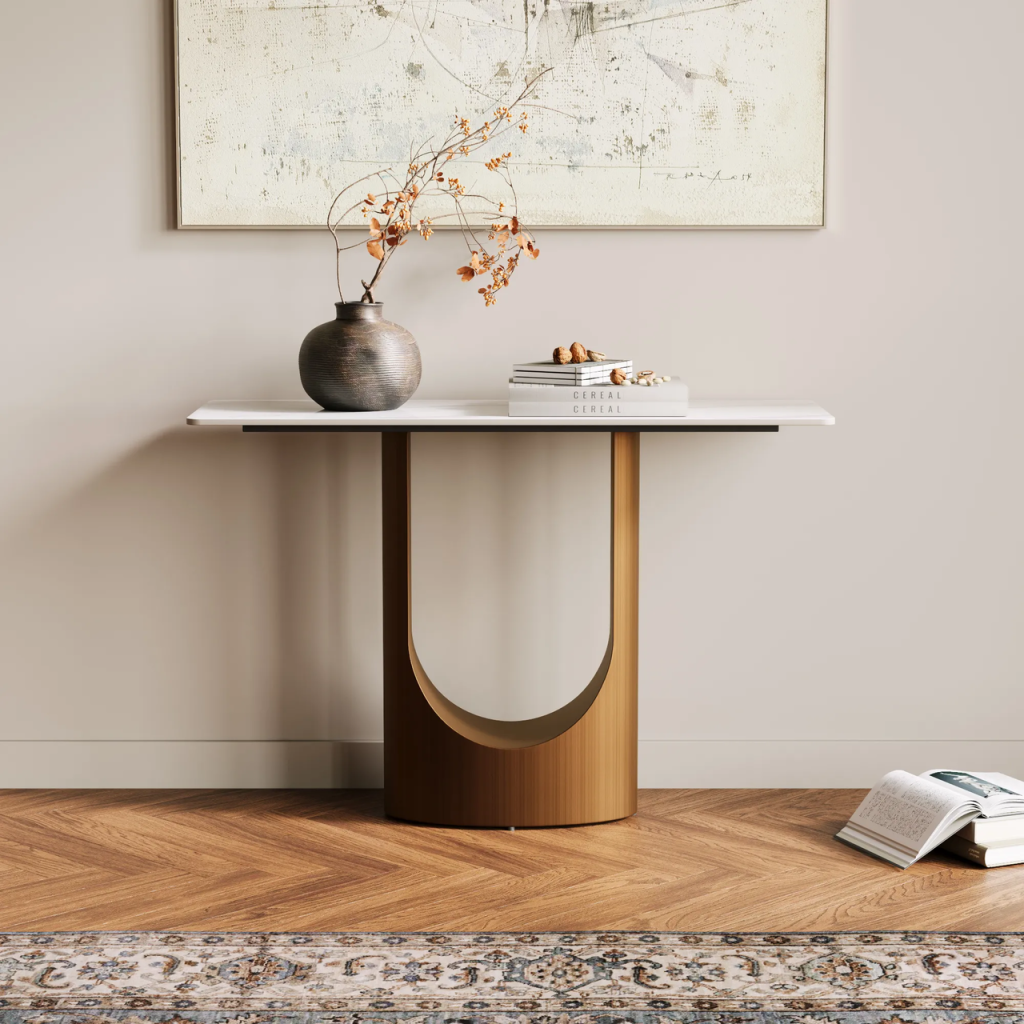
When a sofa sits between the living room and dining area, a console table gives the exposed back a finished edge and creates room for lighting or a serving tray. A console table with a glossy white sintered-stone top and bronze base works well here because its 15.75-inch depth keeps the setup visually light while still leaving room for a lamp, a low-profile arrangement, and drinks when friends stop by. Keep the center of the surface low so it frames the room instead of blocking it.
When the Sofa Needs a Shared Surface, Use a Low Coffee Table
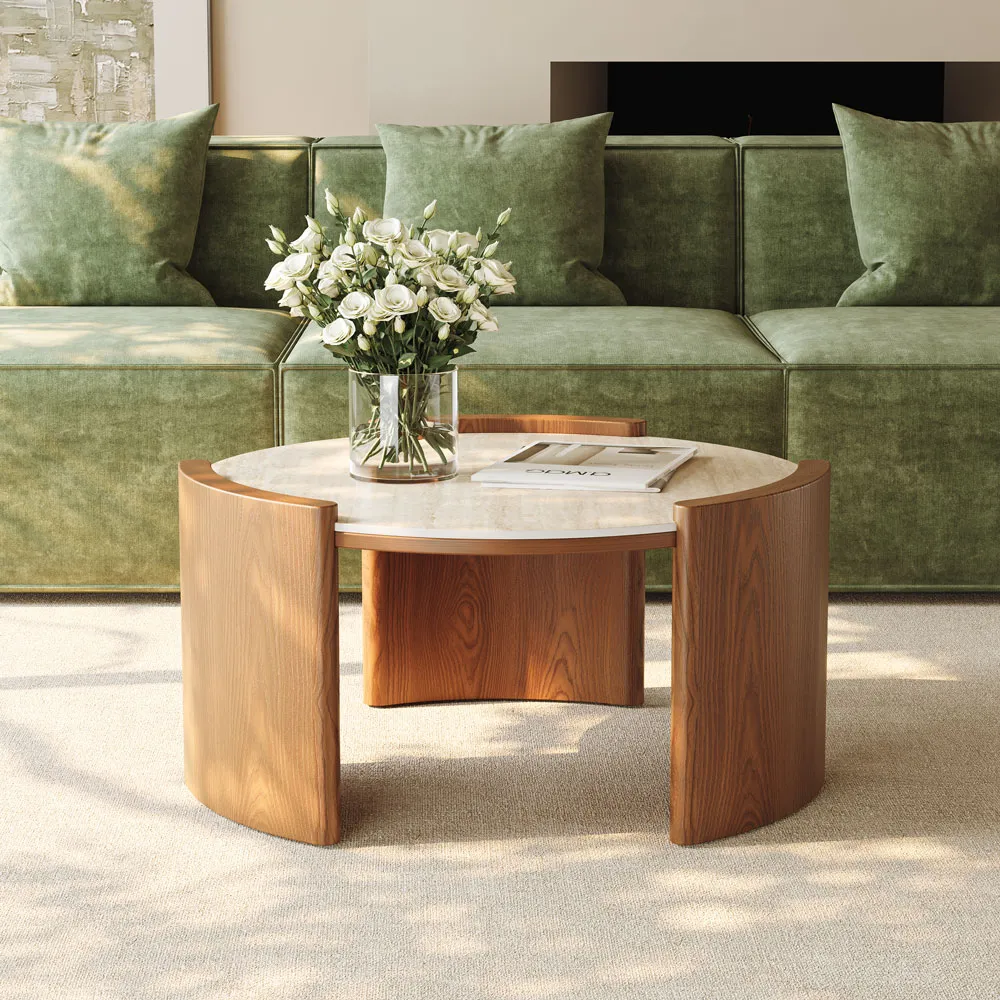
A coffee table should not be pushed behind the sofa just because a console table will not fit. It works best in front of the seating when a sectional, narrow walkway, or chaise leaves no useful clearance behind the couch. A round coffee table with a matte sintered-stone top and walnut-toned tripod base gives everyone a shared place for drinks, snacks, and board games while its low, rounded profile keeps the lounge area easy to move around.
For Tight Walkways, Choose a Mobile Side Table
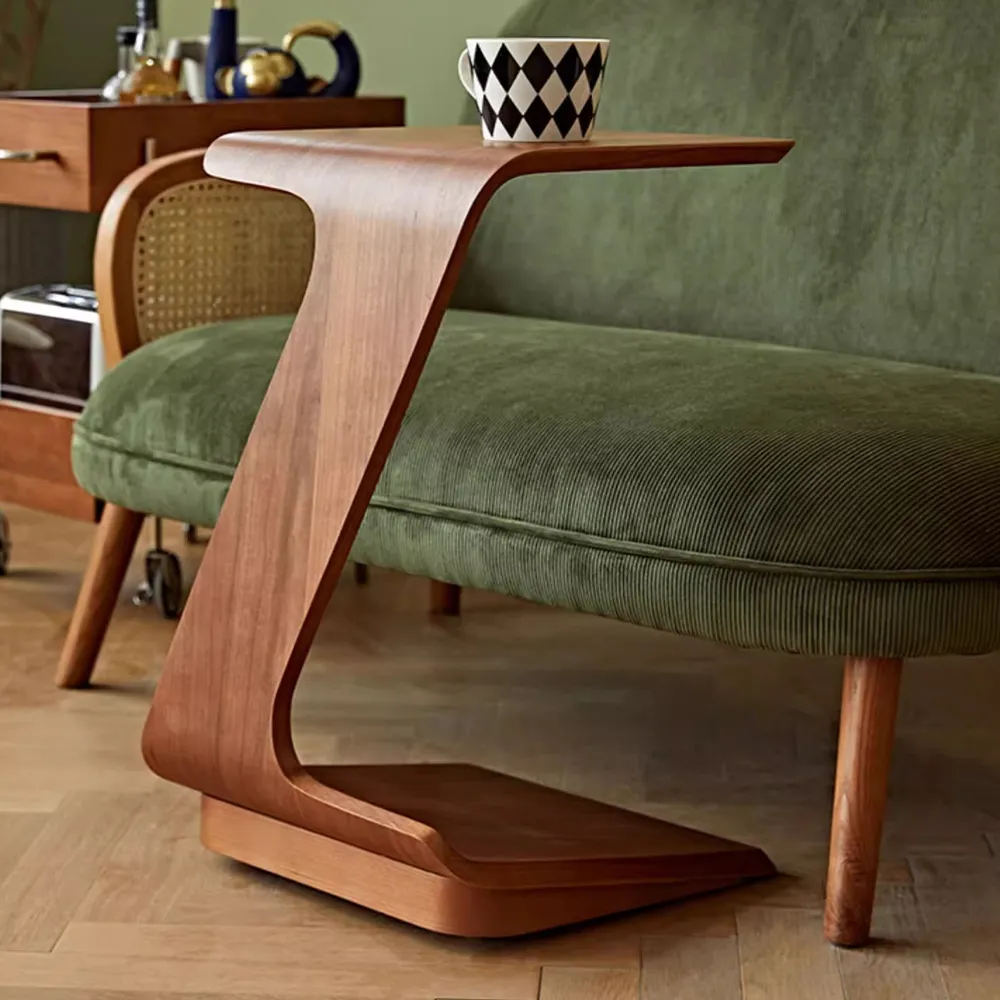
Some rooms do not need another full-width piece of furniture. When people regularly walk behind the sofa, protect that path and add a useful surface beside the seat instead. A C-shaped side table with wheels can slide close for a coffee, book, or remote, then roll aside before friends arrive. It supports everyday lounging without narrowing the room or competing with the sofa.
If the sofa back is visible from another area of the room, start with a console table. If the space behind the sofa is too narrow, move the useful surface in front of or beside the seating instead.
The Four-Part Sofa Table Styling Method
The most successful sofa table arrangements are built in layers, but they do not need many objects. Start with the largest decision, then add useful details. This prevents the common mistake of filling every inch with accessories before leaving room for drinks, books, or the items your household actually uses.
Establish the Anchor
Every sofa table needs one visual anchor. In most living rooms, that means a lamp, a tall branch arrangement, or a substantial vase.
Place the tallest element near one end of the table rather than in the middle. This keeps the center lower and more open, which matters when the table is visible from the dining area, kitchen, or entry. If you use two lamps, place one at each end for a symmetrical look. If you prefer a more relaxed layout, pair one lamp with a tall plant or sculptural vase on the opposite side.
Create a Useful Landing Zone
The center of the table should do practical work. A tray is the easiest way to define that zone without making the room look overly organized.
Use it to hold:
- Remote controls and game controllers
- Coasters and a small candle lighter
- Reading glasses or headphones
- Charging cords that would otherwise drift across the room
- Drinks and napkins during casual gatherings
A tray also makes cleanup faster. Instead of collecting several loose items one at a time, you can reset one contained area at the end of the day.
Add Soft Contrast
Once the anchor and landing zone are in place, add one material that softens the look. A leafy plant, a stack of hardcover books, a woven basket, or a textured ceramic piece works well.
Keep this final layer restrained. One softening element is enough in a small room. Two are usually enough in a larger room. The goal is to make the table feel lived-in, not crowded.
Protect the Open Surface
Leave a clear section of tabletop on purpose. That empty area is what allows the table to work during real life.
It becomes the place for a coffee mug during a quiet morning, a plate during a movie night, or a guest’s drink at a summer gathering. If there is nowhere to place a glass without moving a candle, book, or decorative object, the table is overstyled.
Sofa Table Setups for Real Living Rooms
A sofa table should respond to the room around it. The best arrangement for a compact apartment will not be the best one for a family room with children or a living area that opens directly into the kitchen. Use the setup below to match your decor choices to your actual routine.
| Living Room Need | Top of the Table | Below the Table | Keep Clear |
| Open-plan layout | Lamp, low tray, one plant | Mostly open | The center sightline |
| Family room reset | Remote tray, small bowl | One basket for throws or toys | One end for cups |
| Summer hosting | Drinks tray, napkins, low flowers | Extra ottomans if needed | Guest-facing side |
| Small living room | One lamp, one vessel | Open floor space | Most of the tabletop |
| Quiet reading zone | Lamp, coaster, book | One basket for blankets | The seat-side edge |
Open-Plan Living Rooms
When a sofa floats between the living room and dining area, the table needs to look good from both sides. Use the ends for height and the center for lower objects. A lamp, branches, or a plant can sit at one end, while a low tray and a book stack keep the middle calm.
Once the table is in place, keep the arrangement visually light enough that it reads as part of the room rather than a barrier between zones. Reserve height for the ends, keep the middle low, and leave one usable section clear for a drink or serving tray when friends stop by.
Use a two-view check before finalizing the setup:
- Sit on the sofa and check whether the arrangement feels balanced.
- Stand in the dining area or kitchen and make sure the tallest pieces do not block the room’s openness.
Family Rooms That Need a Fast Reset
In a busy family room, the table should reduce clutter rather than display more of it. Give every common item a fixed home.
Use one tray on top for remotes, earbuds, and charging cords. Use one basket below for throws, coloring books, or a small rotation of toys. Avoid adding multiple baskets for unrelated categories. A single basket with a clear purpose is easier for children and adults to use consistently.
In one family room, a low tray held the remotes and game controllers, while a single woven basket held the throw blankets everyone reached for during movie nights. The room looked settled again in less than two minutes because nothing needed a complicated storage system.
Summer Hosting and Watch Parties
For summer gatherings, treat the sofa table as a lightweight serving station rather than a permanent bar. Remove decorative books from the middle and replace them with a tray for cold drinks, coasters, napkins, and a small bowl of snacks.
Keep flowers or greenery low enough that guests can reach across the table without knocking them over. Put fragile objects on the far end, away from the side where people will set down drinks.
Picture a July watch party: sparkling water, canned drinks, and lime wedges sit in a raised-edge tray behind the couch, while the coffee table stays open for shared snacks and extra feet. After the match, the tray goes back to holding remotes, and the room returns to its everyday rhythm.
Small Living Rooms
Small rooms need fewer items with more purpose. Instead of several small objects, use one lamp, one tray, and one low decorative piece.
Choose rounded forms and lighter materials when possible. A low glass bowl, pale ceramic vase, or leafy plant can keep the arrangement visually light. Leave the area beneath the table empty unless you truly need storage. Visible floor space often makes a compact room feel calmer than another basket or storage bin.
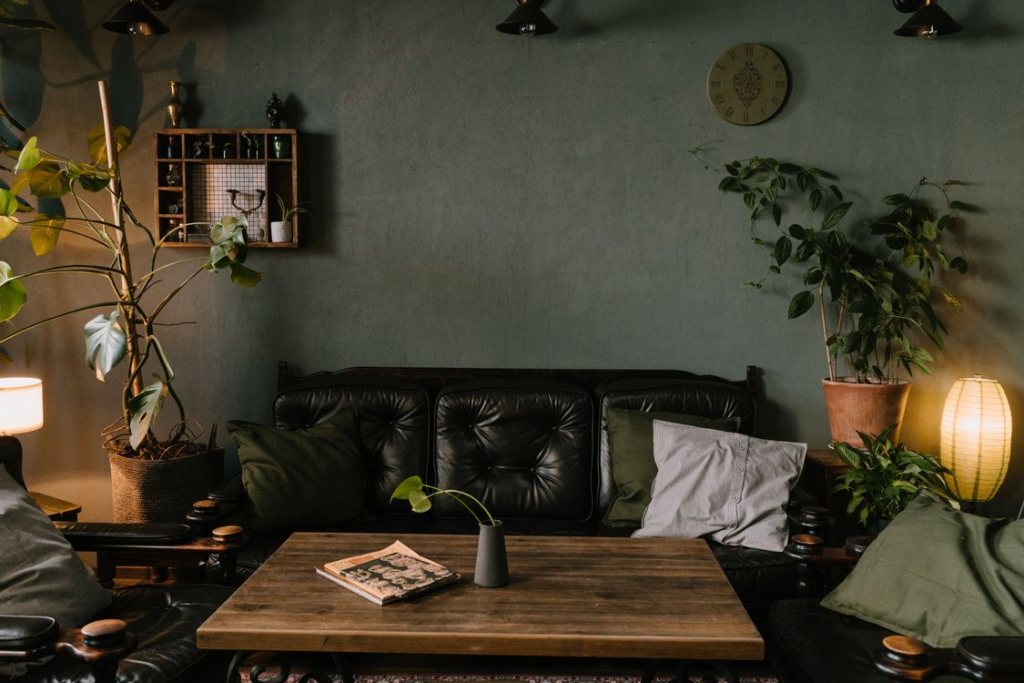
Style the Space Above, On, and Under the Table
A sofa table works best when the three visual levels around it feel connected. The wall or open space above the table, the tabletop itself, and the lower area should each have a role. Treating them separately prevents the familiar problem of adding too much decor to every available surface.
Style the Space Above
If the sofa table sits against a wall, a mirror, large framed print, or pair of artworks can give the area a finished vertical shape. Choose one focal point rather than a gallery wall that competes with the furniture below.
If the sofa floats in the room, do not force wall decor into the plan. The table, lighting, and surrounding furniture already create the transition between zones. In that case, focus on the view from both sides of the couch instead.
For more context on when a narrow table functions as a sofa table, entryway piece, or wall-focused accent, what a console table is and how to style it can help clarify the role it plays in your layout.
Style the Surface
Keep the items you reach for most—such as remotes, coasters, or a charging tray—closest to the seating side. Place decorative pieces slightly farther back so the table still feels useful from the couch without looking flat from the dining-room side.
Avoid pushing every object into one straight line along the back edge. Staggering the placement slightly creates more depth and gives the arrangement a more natural, lived-in look.
Style the Lower Area
The area under the table should answer one question: what needs a home here?
- Use a basket for blankets, kids’ books, or game accessories.
- Use ottomans when you need occasional extra seating.
- Leave it empty when the room needs to feel more open.
Do not use the lower area as overflow storage. If the baskets become a place for anything that does not fit elsewhere, the whole setup will start to feel unfinished.
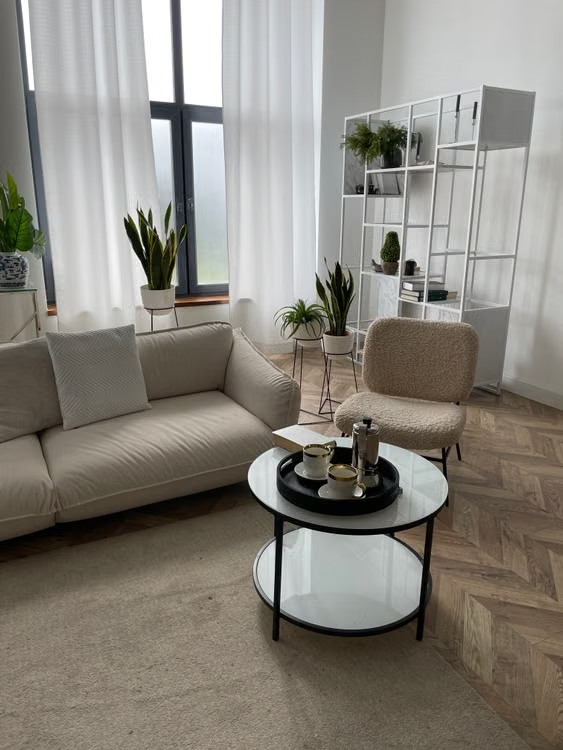
Keep the Look Working After the First Week
A sofa table should be easy to maintain after the novelty of styling it wears off. The goal is not to preserve a showroom display. It is to create a simple baseline that can handle weekday routines, visiting friends, and the occasional messy evening without becoming another source of stress.
Set a Clear Baseline
Your baseline is the simplest version of the table that still feels finished. Keep the lamp or vase in place, return small essentials to the tray, and clear anything that belongs to a temporary moment—party snacks, paperwork, craft supplies, or extra drinks.
The goal is not to rebuild a styled display every night. It is to restore a surface that is ready to use the next day.
Use a Five-Minute Reset
At the end of the day, clear cups and wrappers, return small items to the tray, and put blankets or toys back in the basket. Then restore the visible baseline.
This routine matters even more with power seating. Before placing baskets, lamps, or lower storage behind a reclining couch, make sure the arrangement respects the clearance needed for what to put behind a reclining sofa without blocking it. A table that looks organized but interferes with the sofa’s movement will never feel easy to live with.
Conclusion
The most useful sofa table decoration ideas begin with your routine, not a pile of accessories. Decide what the table needs to do, build around a clear anchor and landing zone, then leave enough open space for real life. Whether you are creating a calmer family room, defining an open-plan layout, or preparing for an easy summer gathering, a well-styled sofa table should make the room work better. Keep the arrangement simple enough to reset, and it will stay useful long after the first day you decorate it.
Sofa Table Decoration FAQs
Does a Sofa Table Need to Be Centered Behind the Couch?
Not always. Center it when the sofa is the main visual focus and both ends are equally visible. In an open-plan room, slight adjustment may work better if one side needs to align with a dining table, rug edge, or nearby walkway. Aim for balance, not strict symmetry.
Can a Sofa Table Work Behind a Sectional?
Yes. Place it behind the longest straight section rather than trying to follow every angle of the sectional. Keep the arrangement simple, especially near a chaise or walkway. A lamp, tray, and low plant usually look more intentional than a long row of small decorative pieces.
How Do You Keep Cords From Looking Messy on a Sofa Table?
Run lamp cords behind the table and secure them with adhesive cable clips or a cord cover that matches the wall or floor. Keep charging cables inside a tray or lidded box instead of leaving them loose across the surface. The goal is to make the table useful without turning it into a visible charging station.
What Decor Is Safest Around Children and Pets?
Choose low, stable objects with rounded edges. Use flameless candles instead of open flames, keep glass pieces away from the table edge, and avoid long trailing stems that can be pulled down. A sturdy ceramic bowl, a soft-edged tray, and a low plant are usually safer choices.
Can Faux Greenery Look Good on a Sofa Table?
Yes, especially in low-light rooms or homes where fresh stems are difficult to maintain. Choose fewer, fuller branches rather than several small artificial plants. Place them in a simple ceramic or glass vessel so the arrangement reads as one intentional piece instead of a collection of decor.


