 By Stephanie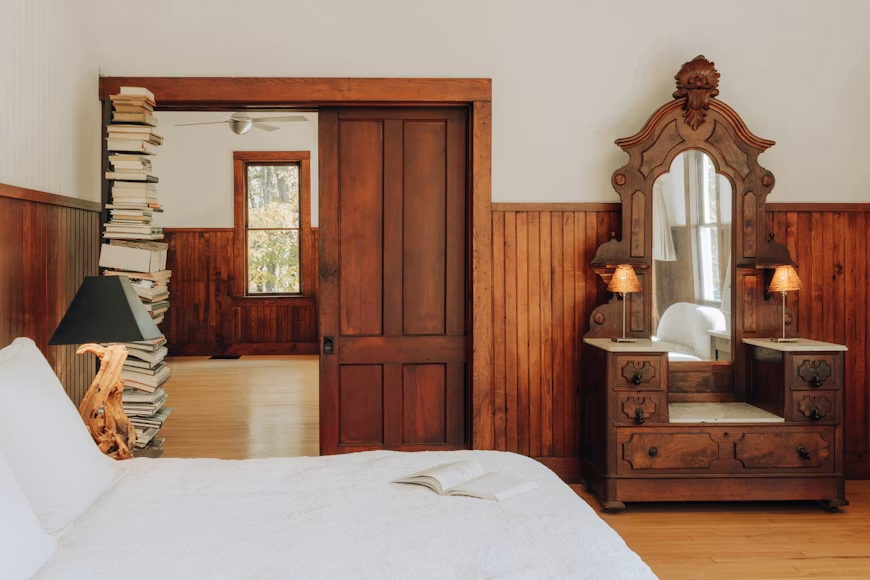
A dresser is one of the hardest-working pieces in a bedroom. It holds clothing inside, but its top often becomes the drop zone for a phone, jewelry, fragrance, glasses, and the shirt you changed out of before bed. The best dresser decor ideas solve that daily problem instead of covering it up. Start by deciding how you need the surface to work, then give every visible object a job. A well-styled dresser should make your morning easier, your evening calmer, and the whole room feel more complete without demanding a full reset every evening.
Table of Contents
What a Dresser Needs to Do Before You Decorate It
Before choosing a mirror or lamp, look at how the dresser is used from morning through night. Its role should determine the layout. A surface that supports one or two clear habits will stay tidy far longer than one trying to serve as a vanity, bookshelf, charging station, and display shelf at once.
Pick One Primary Job for the Surface
In a main bedroom, a dresser may support getting ready, so it needs room for a mirror, a small tray, and the items you reach for daily. In a guest room, a lamp, charging access, and a place for a bag are more useful than personal keepsakes. In a child’s room, keep the top simple and stable.
Proportions matter, too. A dresser’s width and depth set practical limits on what the top can hold. A narrow chest calls for a simpler arrangement, while a wider dresser can support more than one daily function. Knowing the difference between a dresser and a chest of drawers helps prevent a narrow top from being crowded with decor it was never meant to hold.
Claim a Landing Zone Before You Add Decor
Choose one clear patch of the top—usually closest to the bed or door—and protect it. It should hold glasses, a phone, a book, or tomorrow’s watch without anything tipping when you open a drawer.
On a workday morning, this is the spot where a phone, watch, and glasses can wait while you get dressed. Keep the rest contained:
- Put jewelry, fragrance, or a charging dock on a shallow tray.
- Store backup cords and toiletries in a drawer or lidded box.
- Move laundry, paperwork, and packages somewhere else.
That open space is not unfinished styling. It is what lets the dresser work in a real bedroom.
How to Style a Dresser Top Without Losing Useful Space
Once the landing zone is set, ideas for decorating a dresser become easier to apply with restraint. The goal is not to fill every inch of wood. It is to create a clear rhythm: one useful group, one taller element, and breathing room between them. This approach makes bedroom dresser decor easier to maintain because every item has a boundary.
Build Two Zones, Not One Long Display
On a wide dresser, create a functional zone on the side you use most and a decorative zone on the other. Leave the middle open. The arrangement will feel balanced, but you will still have room to fold a sweater or set down a water glass.
- Daily zone: tray, small box, and charging access
- Decorative zone: one lamp, vase, or short branch arrangement
- Open center: space for the routine that happens there
On a long, low dresser, this layout keeps the top balanced without turning it into one continuous display.
Use a Formula That Matches the Room
Pick one formula instead of combining every idea you like.
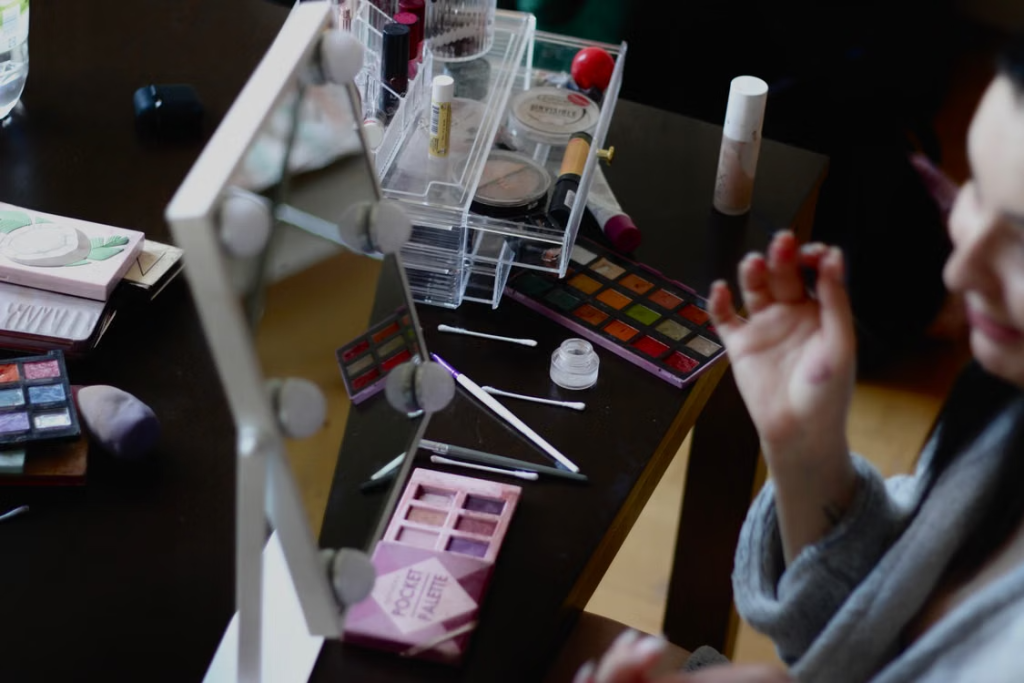
Primary bedroom: mirror + one lamp + tray. The mirror handles a quick morning check, while the tray contains small items removed before bed.
Minimal bedroom: art + sculptural vase + closed box. Use this when a full-length mirror already serves the room.
Guest room: small lamp + framed print + empty catchall. A guest arriving late can charge a phone and empty their pockets without wondering where to put anything.
On a Sunday evening, a guest-room dresser with a lamp and an empty tray feels more welcoming than a crowded surface of family photos and decorative bottles.
What to Put Above a Dresser
The wall over a dresser should answer a practical question: do you need light, a place to get ready, a focal point, or a screen? Choosing the first pretty object you see often creates the wrong result. Match the wall treatment to the room’s purpose, then keep the surface below it simple enough to support that choice. When the wall also has to handle a TV and media equipment, that decision may determine whether a dresser is still the best piece below it.
Choose Mirror, Art, TV, or Sconces by Function
| Option | Best When You Need | What to Keep Below It | Watch Out For |
| Mirror | A getting-ready spot or more reflected light | A tray and compact lamp | Reflecting an unmade bed or clutter |
| Artwork | A calm focal point | A low vase or closed box | Choosing a piece that looks too small |
| TV | Bedtime viewing | Low objects and hidden remotes | Tall decor blocking the screen |
| Sconces | More light without losing tabletop space | A tray and low accent | Hardwiring without a rental plan |
A mirror should reflect daylight, a clean wall, a plant, or a made bed. When you choose the right mirror above a dresser, scale and hanging height matter as much as frame style.
Protect Sightlines on a TV Wall or Near a Window
With a TV above the dresser, let the screen remain the focal point. Use low decor, put remotes in a box or drawer, and deal with visible cables before adding anything decorative.
Under a window, keep every object below the sill. A low lamp or shallow bowl can work, but a tall mirror or large plant can fight with curtains and block daylight. Fewer pieces look more considered because the architecture is already doing visual work.
If the TV wall needs more concealed storage than a dresser can provide, it may be worth choosing a low storage cabinet instead.
When a Storage Cabinet can Replace a Dresser
A dresser is still the better choice when you need drawers for folded clothing, underwear, or everyday accessories. But if the wall mainly serves as a TV and media zone, a low storage cabinet may be more useful. It gives cords, remotes, streaming devices, and extra blankets a home without asking the dresser top to do too much.
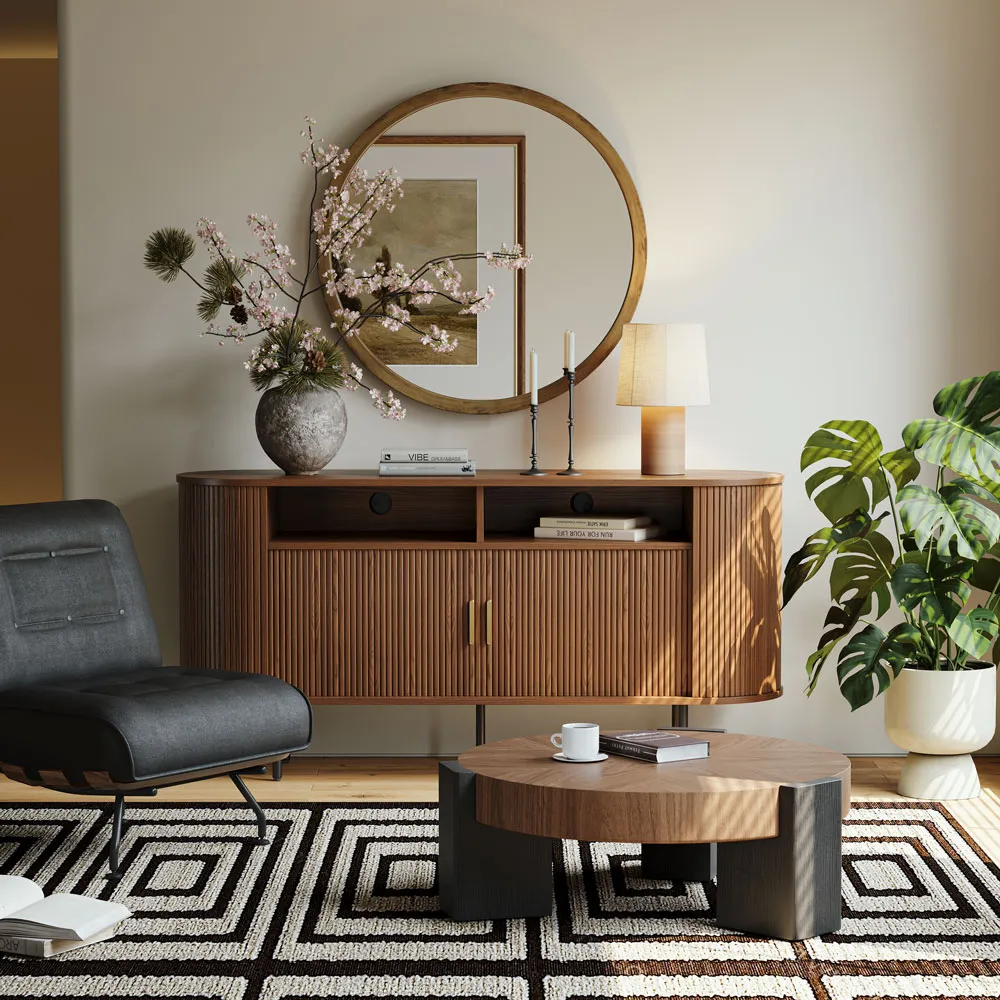
The mid-century modern fluted storage cabinet fits that role well. Its tambour doors hide the visual clutter of a media setup, while the open shelf keeps frequently used accessories easy to reach. At 63 inches wide, it also gives a wall-mounted TV a grounded base without turning the area into a crowded display.
Keep the top quiet: one low catchall for remotes or one small decorative object is enough. The cabinet should make the TV wall feel more settled, not become another place for loose items to collect.
Dresser Decor Ideas for Every Size and Bedroom Style
A dresser has to work with the room around it. In a small bedroom, beside a closet, or at the foot of the bed, the same objects can create very different problems. Use the furniture’s scale, the path around it, and the room’s style to decide what belongs on top—and what should stay in a drawer.
Small Bedrooms and Narrow Dressers
In a smaller bedroom, the dresser top should feel light from the doorway and stay easy to use from the bed. Keep most objects toward the back edge, leaving the front portion clear for the things you pick up and put down every day.
A simple setup is usually enough:
- Place one compact lamp near the outlet, not near the drawer pull or door swing.
- Use one shallow tray for glasses, jewelry, or a phone charger.
- Choose a low-profile object, such as a small ceramic bowl or framed photo, instead of a tall arrangement.
- Skip deep baskets, stacked books, and wide lampshades that make a narrow dresser feel bulkier.
Before committing to any styling plan, make sure you choose a dresser that fits your bedroom so drawers can open fully and the path around the bed still feels comfortable.
Dressers Near Doors, Closets, and Bathrooms
A dresser’s location changes what can safely stay on top. Near a closet, keep the end closest to the doors clear so you can carry hangers or open drawers without bumping a lamp, vase, or jewelry stand. Near an ensuite bathroom, avoid leaving skincare, fragrance, or damp towels out in the open; use a tray for the few items you use daily and store the rest inside.
When a dresser faces the bed, choose one quiet focal point instead of several small objects competing for attention. A framed print, a low vase, or a single lamp gives the wall presence without making the first view of the room feel busy. At the foot of the bed, keep decor low enough that it does not interrupt the sightline across the room.
Match the Decor to the Bedroom’s Style
The dresser should feel connected to the room’s overall character, but it does not need to match every other piece exactly. Choose a few details that echo what is already present in the room.
- Mid-century bedrooms: Use a rounded mirror, a linen or paper shade, and one ceramic vase. Avoid filling the top with retro collectibles, which can make the room feel staged.
- Modern bedrooms: Choose a clean-lined lamp, a simple tray, and one sculptural object. Limit the top to those three pieces and leave the rest of the surface open so the room feels crisp rather than overstyled.
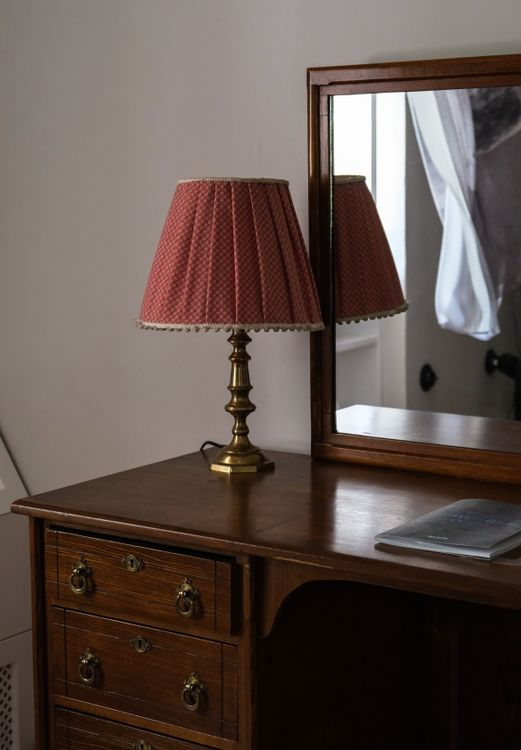
- Traditional or transitional bedrooms: A framed print, a textured lamp base, and a small box or bowl can add warmth without making the dresser look overly formal.
- Dark wood dressers: Balance the visual weight with lighter bedding, a pale lampshade, or a softly colored wall piece. This keeps the furniture grounded without making the bedroom feel heavy.
The goal is not to create a perfectly matched set. It is to make the dresser look like it belongs in the room while still leaving enough space for the routines that happen there every day.
Conclusion
The most successful dresser decor ideas leave room for life. Give the surface one main role, reserve a place for the things you handle every day, and choose only the mirror, light, art, or storage that supports that role. A dresser should not become another surface to manage before bed. When its top is clear enough to use and styled enough to connect with the rest of the bedroom, it helps the room feel finished without making it feel precious or crowded. It also gives the bedroom a calm, ready-to-live-in finish.
Dresser Decor FAQs
Should a dresser lamp match the bedside lamps?
It does not need to match exactly. Choose one shared feature, such as a similar shade color, metal finish, or overall shape. This creates continuity while letting the dresser lamp suit its own location, especially when the dresser sits across the room from the bed.
How high should a dresser lamp be?
For a standard dresser, start with a lamp that is roughly 24 to 28 inches tall. Then check the view from the bed: the shade should not block the lower edge of a mirror, artwork, or TV. In a small bedroom, choose a shorter lamp with a narrow shade to protect sightlines.
Can a mirror rest on a dresser instead of hanging?
Yes, provided it is the right size and secured against tipping. Leaning a mirror creates a relaxed look in a low-traffic adult bedroom, but it is not a good choice near a door, in a child’s room, or anywhere it may be bumped.
How do renters decorate the wall above a dresser?
Use lightweight framed art with removable hanging strips rated for the item’s weight, or choose a tabletop mirror that does not need wall mounting. Do not use adhesive solutions for large or heavy mirrors unless the manufacturer specifically confirms that use is safe.
How do you protect a wood dresser top from perfume and water rings?
Keep perfume bottles, water glasses, and skincare on a tray with a wipeable base. Wipe spills right away, especially on wood or veneer finishes, and avoid leaving damp items directly on the surface. A small coaster or dish under a nightly water glass prevents rings without adding visual clutter.


