 By Kelvin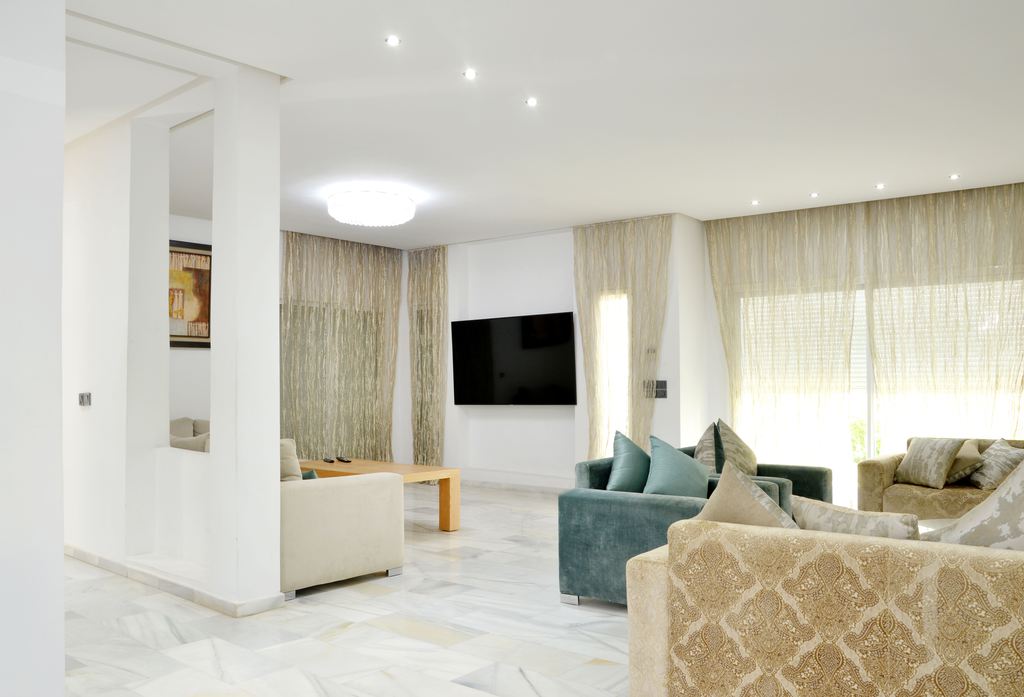
Introduction
A second living room should solve a need that your main living space cannot handle well. These second living room ideas will help you choose a clear purpose, match the furniture to that purpose, and avoid creating two rooms that function exactly the same. Instead of filling the extra room with another large sofa and unused decor, start with your household routines, the room’s location, and the activities that need more space, quiet, privacy, or flexibility. The goal is a room people choose to use, not one they simply pass by.
Table of Contents
How Should You Decide What Your Second Living Room Is For?
If you are deciding what to do with a house with two living rooms, begin with the gap in your current home. The second room should make daily life easier, not simply give you another place to decorate.
Ask who will use the room, what they will do there, and how often. Then study the space. A bright room near the entrance may suit conversation or reading. A darker room that can be closed off may work better for movies. A space beside the kitchen usually supports family activity better than quiet work.
| Room condition or household need | More suitable direction |
| Near the entry and easy to keep tidy | Conversation or guest sitting room |
| Close to the kitchen and used throughout the day | Casual family room or children’s activity space |
| Darker, quieter, or easy to close off | Media or game lounge |
| Bright with good natural light | Reading room or office lounge |
| Occasional overnight guests | Guest-ready multipurpose room |
| Small, open, or crossed by several doorways | One primary function with flexible furniture |
Choose one primary function and no more than one supporting function. A reading room can host an occasional guest, and an office can include a lounge chair. A playroom that must also look formal for visitors usually serves neither purpose well.
Which Second Living Room Ideas Fit Your Lifestyle?
The most useful second living room ideas connect a household need with a realistic furniture plan. For each option, consider who it serves, what furniture is essential, and what could prevent it from working. This keeps the space focused and makes it easier to decide what not to buy.
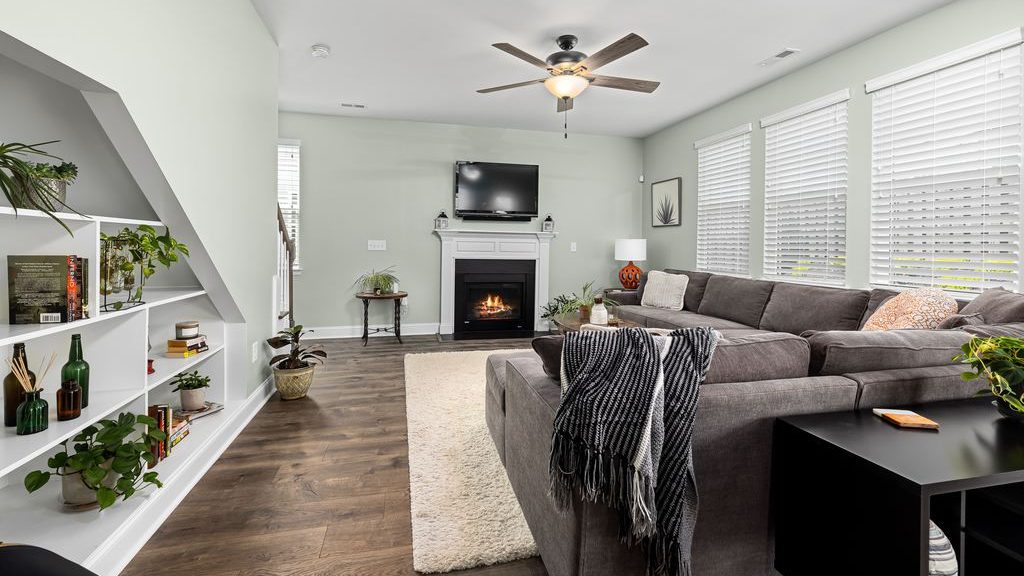
Create a Screen-Free Conversation Room
This setup works for households that entertain regularly or want a quiet place away from the television. Arrange a loveseat and two chairs around an oval or round coffee table so people can see one another easily.
The room can host coffee with neighbors in the morning and reading after dinner. Keep a table within reach of each seat, add layered lighting, and include closed storage only for items actually used there.
Build a Comfortable Family Media Lounge
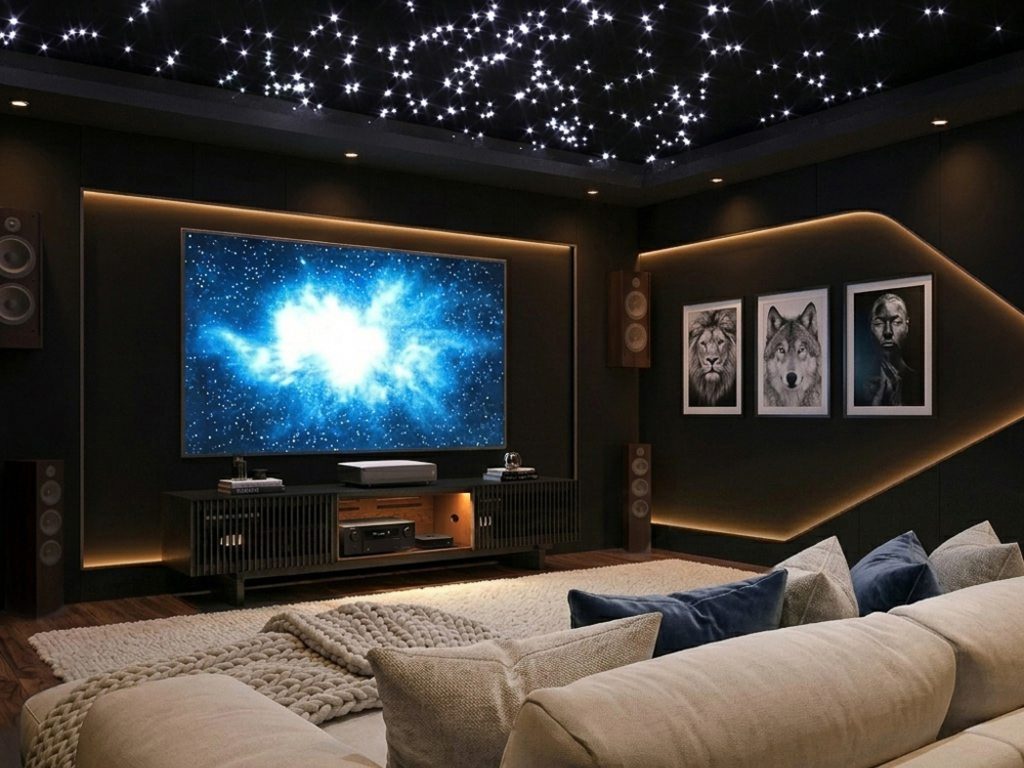
A media lounge helps when the main room must stay ready for conversation, guests, or everyday traffic. Start with the screen position, then place the sofa or recliners where viewers will not block the entrance.
Use closed storage for remotes, gaming equipment, and cables. Check window glare during normal viewing hours. On movie or game nights, people should reach a drink surface and walk to the door without crossing directly in front of the screen.
Turn It Into a Reading and Relaxation Room
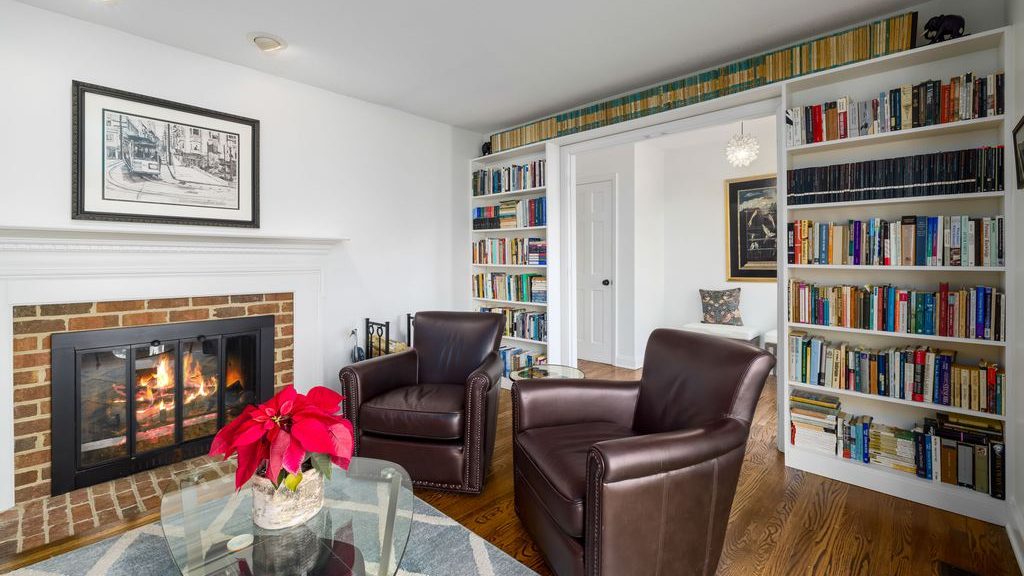
A reading room needs less furniture than many homeowners expect. One supportive chair, a compact sofa or loveseat, a reachable table, and focused lighting may be enough. Bookshelves can fill one wall, but some open space will keep the room restful.
Place the main chair where daylight comes from the side. At night, practical living room lighting ideas for reading and relaxing prevent the space from relying on one harsh ceiling fixture.
Combine a Home Office With a Casual Lounge
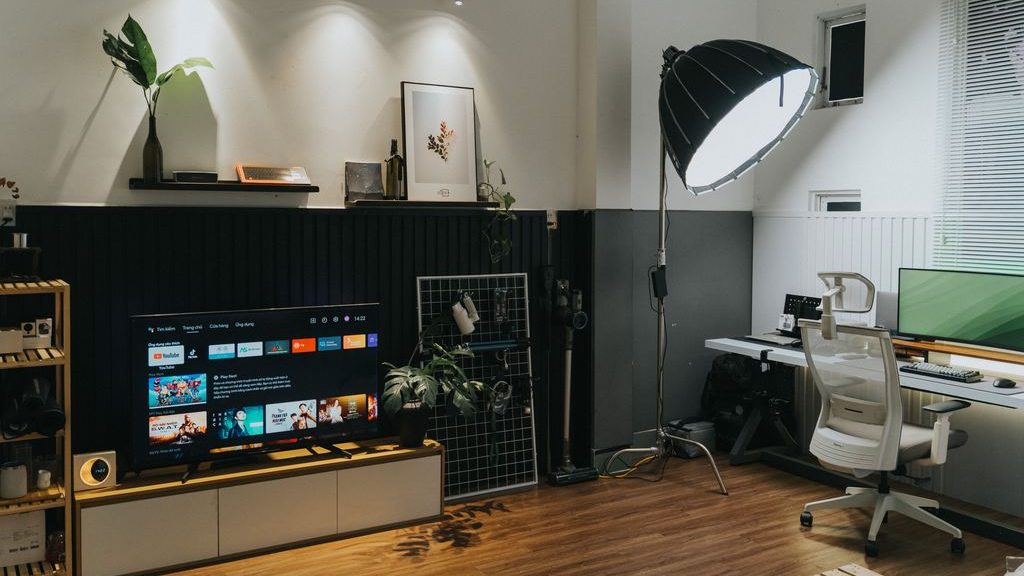
An office lounge works when the room receives regular daytime use but should still feel residential after work. Give the desk a defined wall, and use a cabinet or sideboard to hide files, chargers, and work supplies.
Add compact lounge seating only when it supports a real task, such as reading, homework help, or informal calls. In an open room, place the desk away from the busiest walkway and check the background used for video meetings.
Make It a Guest-Ready Multipurpose Room
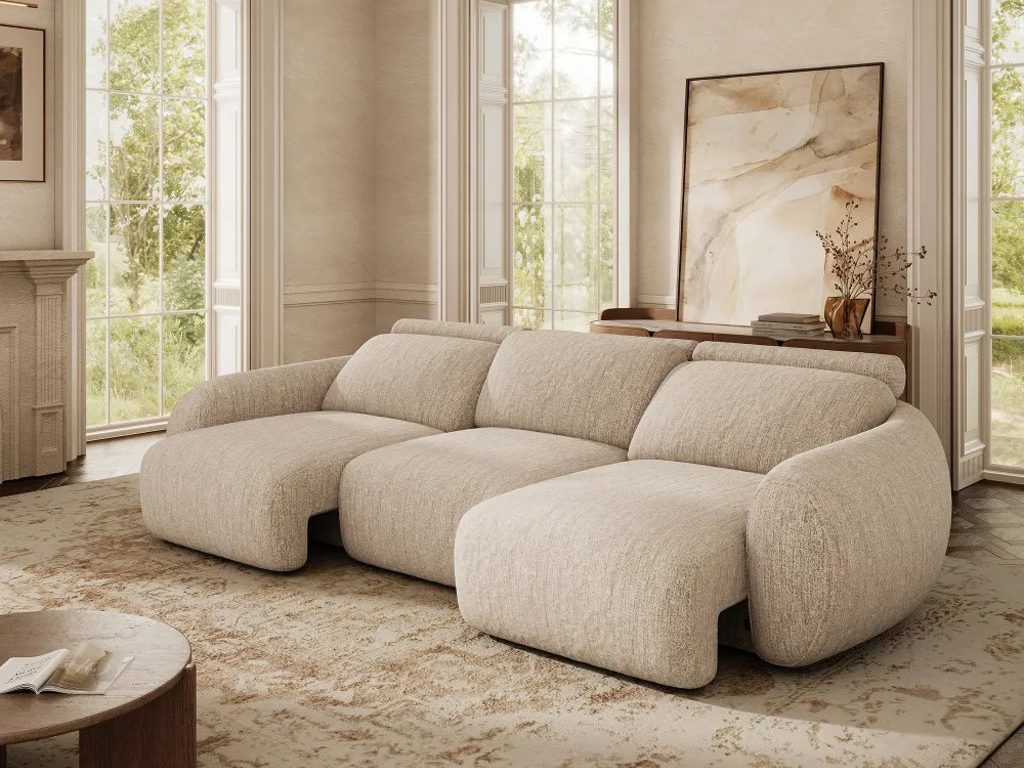
A guest-ready lounge should work on ordinary days and change only when someone stays overnight. A sleeper sofa suits a room used mainly for sitting, while a daybed may fit a quieter reading room or office.
Keep bedding in nearby closed storage. Measure the sleeping furniture fully open so it does not block the door, cover a floor vent, or remove access to a lamp and side table.
For a second living room that needs to shift between everyday lounging and overnight use, the Mila-Power Sofa Bed extends into a full lay-flat position with power adjustment from 105° to 180°. Its water-resistant tweed chenille upholstery also suits a flexible room used regularly rather than reserved only for guests.
How Should Your Two Living Rooms Work Together?
The answer to what to do with two living rooms becomes clearer when the rooms are treated as a pair. Give the busier room the activities that happen most often, then let the second room handle a need that competes with them.
Useful pairings include:
- A TV-focused family room with a screen-free conversation room
- A polished front sitting room with a casual lounge near the kitchen
- A social main room with a quiet reading or work space
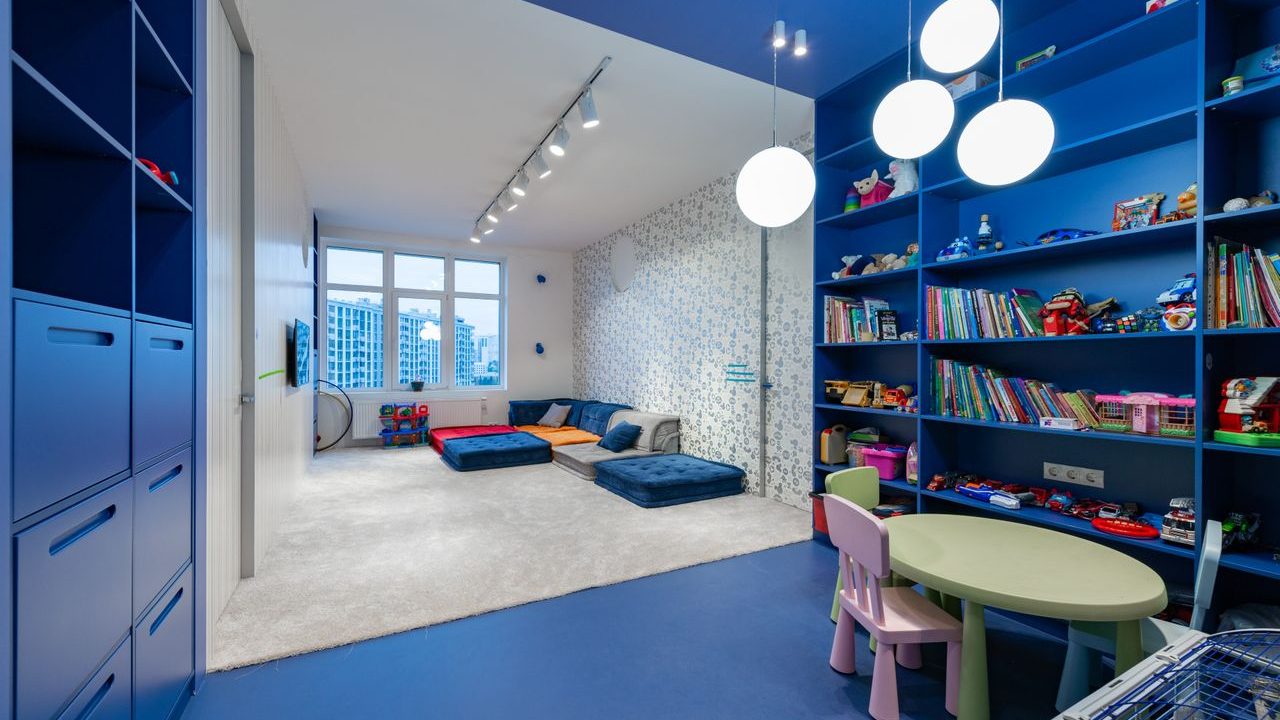
- An adult-oriented room with a flexible children’s or teen space
- An everyday lounge with a guest-ready second room
The rooms do not need equal furniture or equal budgets. One may need the larger sofa because it serves the whole household. The other may work better with a loveseat and two movable chairs.
How Do You Furnish the Room Without Making It Feel Empty or Crowded?
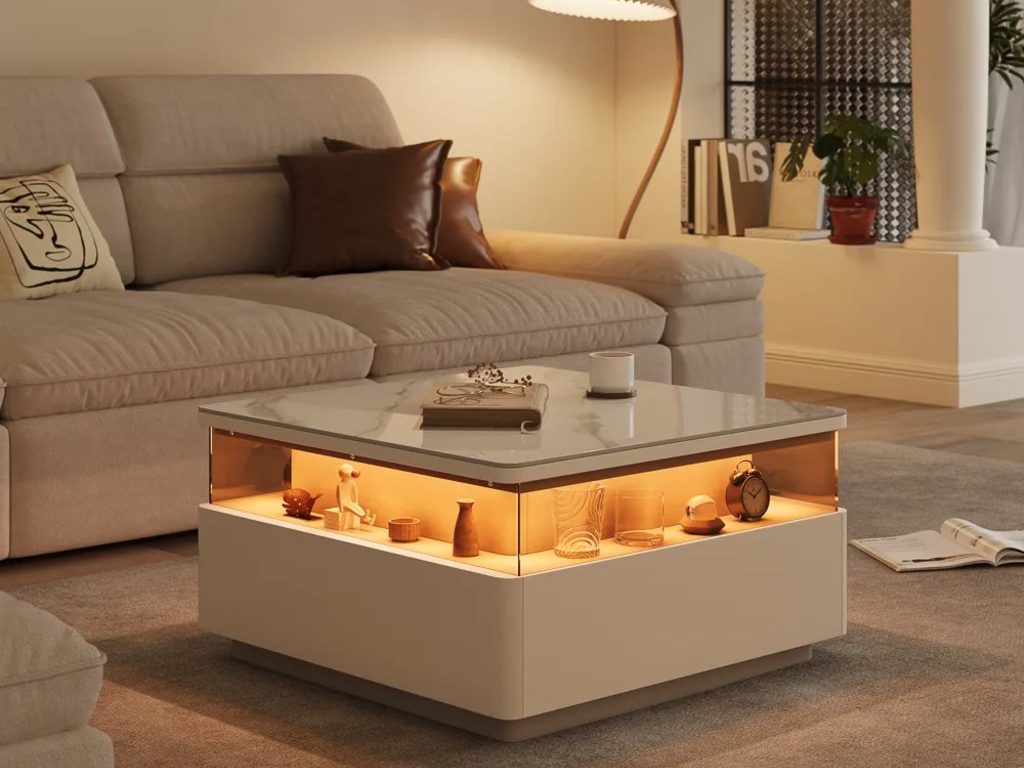
Start with one seating group instead of spreading furniture around every wall. A room often feels empty because the sofa, chairs, and tables are too far apart, not because it needs more pieces. Pull seating inward and use a rug or coffee table to establish a clear center.
A practical living room furniture layout plan protects the main walkway, keeps surfaces within reach, and gives every large piece a reason to be there. If the space feels crowded, remove secondary furniture before replacing the anchor piece.
Match the arrangement to the activity: conversation seating faces inward, TV seating needs a clear viewing angle, reading seating needs a lamp, and office seating should not interfere with the desk chair. Large rooms do not automatically require sectionals; a loveseat and two chairs may offer better flexibility.
What Should You Measure Before Buying Furniture?
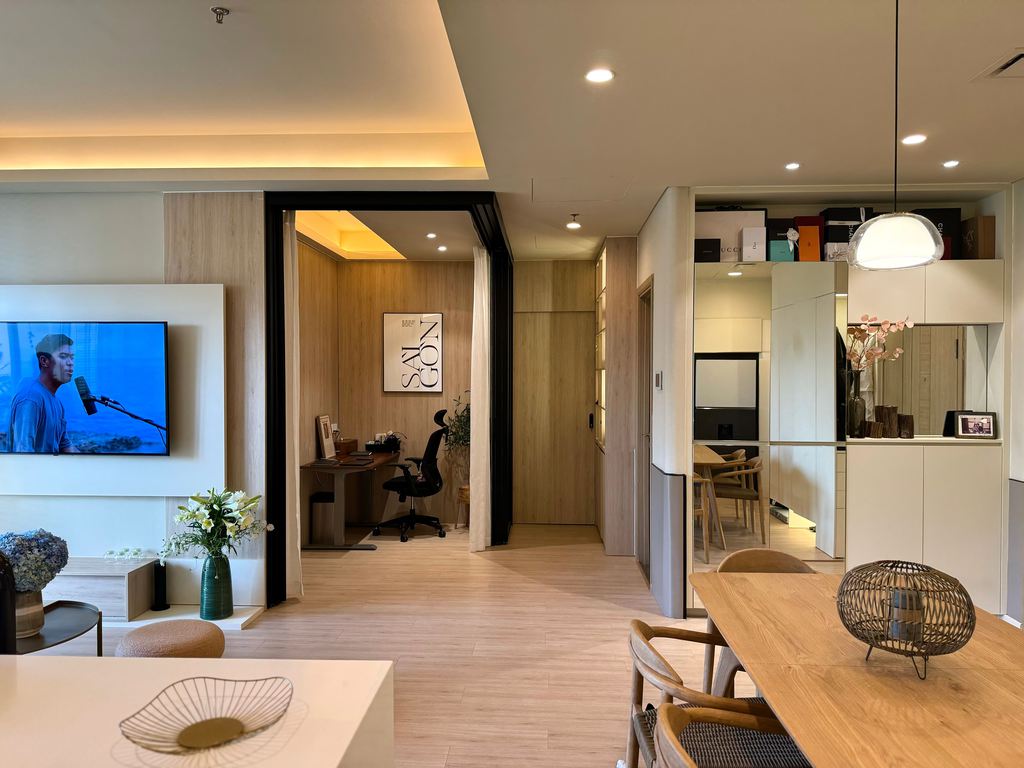
Measure the usable room rather than only the wall-to-wall dimensions. Doors, windows, fireplace hearths, radiators, floor vents, and walkways reduce the area available for furniture.
Check:
- Sofa width and depth, including the arms
- Recliner clearance when fully extended
- Sleeper sofa dimensions in seating and sleeping modes
- The delivery path from the entrance to the room
- Space behind a desk chair
- Clearance for cabinet doors and drawers
- The main route between entrances
- TV position, window reflections, and outlets
For tight spaces, small living room layout ideas for better flow can help compare a loveseat, compact sofa, sectional, and movable chairs. Tape the main footprints on the floor, then walk through the room and open nearby doors.
What Mistakes Make a Second Living Room Go Unused?
A second room usually fails because its function is unclear or inconvenient, not because it lacks decoration.
- Copying the main room: Two similar TV-and-sofa layouts compete for the same activity.
- Assigning too many functions: Office, playroom, guest room, and gym equipment create constant setup work.
- Buying the largest sofa that fits: It may block movement even when it fits on paper.
- Ignoring storage: Toys, work supplies, devices, or bedding take over open surfaces.
- Designing only for rare guests: A room used twice a year offers little daily value.
- Decorating before planning: Accessories cannot correct glare, poor seating, or blocked pathways.
Conclusion
The strongest second living room ideas begin with function rather than furniture. Decide what your main room cannot comfortably support, then give the extra space one clear job and, when useful, one compatible secondary role. Match the seating, storage, lighting, and layout to that purpose, and measure furniture in every position it will use. When the two rooms support different parts of daily life while sharing a few visual details, both spaces are more likely to stay useful. That clarity also makes future furniture decisions simpler and less wasteful.
FAQ
What Furniture Should You Buy First for a Second Living Room?
Start with the furniture that supports the room’s primary activity. That may be a sofa for family viewing, two chairs for conversation, or a desk for work. Delay coffee tables, storage cabinets, and decorative pieces until the main seating position and walking route are confirmed.
Can You Use Two Different Sofas in Two Living Rooms?
Yes. The sofas do not need to match, especially when the rooms serve different purposes. A deep reclining sofa may suit a media room, while a more upright loveseat works better for conversation. Keep one visual connection, such as a related wood tone, fabric undertone, or silhouette.
How Can a Second Living Room Grow With Children?
Choose adaptable furniture instead of child-size built-ins that will be outgrown quickly. Closed cabinets can hold toys now and school supplies later. A durable loveseat and movable table can support play, homework, gaming, and friends. Keep one open floor area so the room can change without replacing every major piece.
When Should You Leave Part of the Room Unfurnished?
Leave space open when the room supports movement, play, exercise, temporary guest furniture, or future needs. An empty corner is not automatically a problem. Add another chair or table only when someone regularly needs that seat or surface. Open floor area often makes a flexible second room easier to use.
How Much Seating Does a Second Living Room Actually Need?
Base seating on regular use rather than the maximum number of occasional guests. A reading room may need only one chair and a loveseat, while a family media room may require seating for everyone in the household. Extra guests can often be accommodated with movable accent chairs or ottomans.
Does a Second Living Room Need a Coffee Table?
No. A coffee table is useful when several seats share drinks, games, or snacks, but it can restrict movement in a small or narrow room. Side tables, nesting tables, or a storage ottoman may provide more flexible surfaces without occupying the center of the layout.
How Can Connected Living Rooms Feel Different Without Looking Disconnected?
Connected living rooms can serve different purposes while sharing a few visual details. Repeat one wood tone, accent color, metal finish, or curved shape across both spaces, then vary the rugs, focal points, and seating direction. Keep the opening between rooms clear so furniture does not interrupt sightlines or make either space feel smaller.


