 By Kelvin
Introduction
A window can occupy the only wall that is wide enough for a sofa, bench, or storage piece. The question is not simply whether you can place furniture in front of window areas, but whether the window will still provide light, open properly, and remain easy to use. This guide explains how to judge the location, measure before shopping, match furniture to different window types, and protect materials from sunlight and heat. The goal is a practical layout that works every day, not just one that looks balanced in a photo.
Table of Contents
Should You Put Furniture in Front of This Window?
Yes, you can place furniture in front of a window when it does not create a safety problem, block necessary ventilation, or make the window unusable. A layout with furniture in front of window glass is usually successful when the piece has an appropriate height and the room still receives enough useful daylight.
Before deciding, check four conditions:
- Window access: You should still be able to reach locks, handles, shades, and removable screens.
- Light and view: Decide how much glass you are willing to cover. A beautiful view deserves more protection than a high privacy window.
- Heat and airflow: Do not block a radiator, baseboard heater, floor vent, or return-air grille.
- Safety: Keep emergency-egress windows accessible, and consider whether a sofa would help a child or pet climb to an unsafe opening.
A catching curtain may only require a little more clearance. A blocked escape window or covered heat source is different; choose another wall or a smaller, movable piece.
What Should You Measure Before Buying Furniture?
Measure the window as a working part of the room, not as a flat rectangle on the wall. The useful dimensions include the sill, visible glass, opening hardware, curtains, and floor area in front. These checks help you compare real product specifications instead of relying on a styled room photo.
Measure the Sill and Visible Glass Height
Measure from the floor to the bottom of the sill, then from the floor to the first important section of visible glass. Compare those numbers with the furniture’s overall height and back height. Seat height does not tell you how much of the window a sofa will cover.
Furniture does not always have to stay below the sill. A slightly higher back can work with a tall window if it preserves enough light, view, and access.
Measure the Usable Width
Measure the full opening, but also note trim, curtain stacks, wall returns, outlets, and nearby doors. A 90-inch window does not automatically create 90 inches of usable furniture space.
Relate furniture width to the main glass area, not automatically to the whole wall. Two chairs may suit divided windows or an opening interrupted by a doorway.
Mark the Furniture Depth on the Floor
Depth is often the dimension that causes the real layout problem. Use painter’s tape to mark the complete footprint, including arms, chaise sections, or a recliner’s open position. Then walk from the doorway to the main seats and other rooms.
When planning a living room furniture layout, open nearby doors and drawers during the test. A sofa that fits on paper may still force people through the middle of the seating area.
Test the Window and Window Treatments
Open the window fully. Turn the crank, tilt the sash, or slide each panel. Pull curtains to both sides and operate the blind or shade. Leave enough room to clean the glass and retrieve anything that falls behind the furniture.
This matters most with inward-opening windows, full-length drapes, and deep sofas. A fixed picture window needs less access than a window behind lined curtains.
Which Furniture Fits Different Window Conditions?
The answer to what furniture to put in front of a window depends more on the window than on the furniture category. Use the window’s height, opening method, sun exposure, and role in the room to narrow the options.
| Window condition | Furniture that often works | Why it works | Watch for |
| Standard window with a medium-height sill | Low sofa, bench, or paired chairs | Adds useful seating without covering most of the glass | Back height and curtain movement |
| Low, wide window | Bench, chaise, or low-profile sofa | Keeps the horizontal view open | Thick backs and tall loose cushions |
| Large picture window | Two chairs or a sofa pulled slightly forward | Preserves the view and defines a seating zone | Glare, direct sun, and outside appearance |
| Floor-to-ceiling glass | Movable chairs or floating seating | Keeps the glass wall visually open | Heat gain and furniture pressed against glass |
| Bay or bow window | Compact chairs, shallow chaise, or fitted bench | Works with the angled shape | Blocked side panels or window hardware |
| Window above a radiator or vent | Lightweight, movable furniture—or none | Maintains service access and airflow | Upholstery exposed to heat |
A low profile is useful, but it is not the only test. A low sofa can still be too deep for the walkway, while a slightly taller console may work well below a high window. Choose the piece that solves the room’s need—seating, work, or storage—without disabling the window.
How Much Space Should Furniture Leave Behind a Window?
There is no single distance that works for every window. The correct gap is the smallest distance that still lets the window, curtains, heat source, and furniture function normally.
A fixed picture window with a roller shade may allow close placement. Floor-length curtains need room to fall freely, inward-opening windows need sash clearance, and radiators or heaters require the spacing stated by their manufacturer.
Use this practical test:
- Operate the window and treatments without moving the furniture.
- Reach the lock and clean the lower glass comfortably.
- Check that fabric does not touch hot surfaces or damp glass.
- Confirm that the remaining walkway still feels direct.
- Recheck the gap with reclining or extendable furniture fully open.
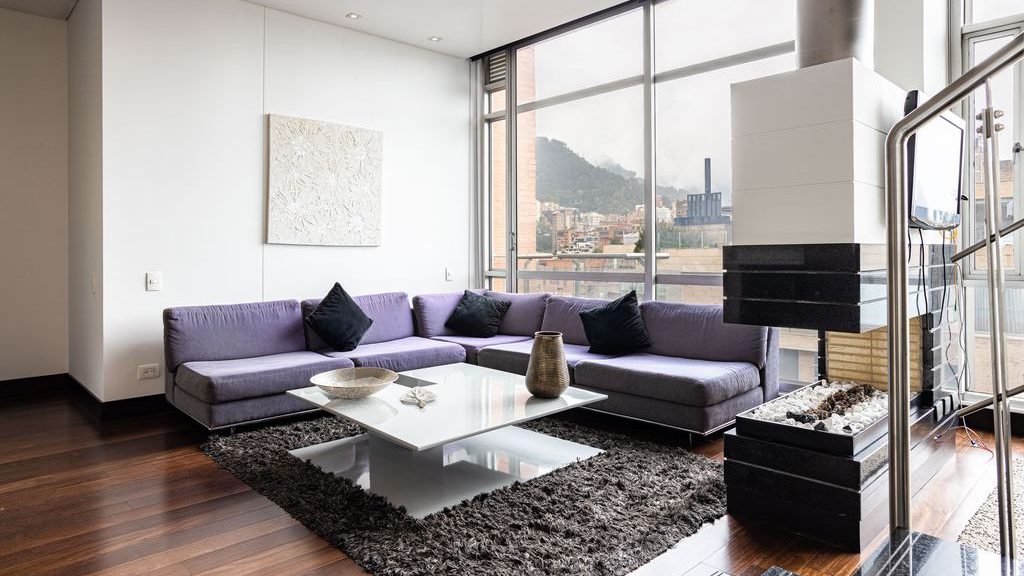
When seating must move well into the room, reassess the whole zone instead of treating the gap as wasted space. A rug can connect the shifted pieces.
How Can You Protect Furniture From Sun and Heat?
Repeated sunlight can fade upholstery, leather, wood, and surface finishes. Before settling on the position, check how the conditions change throughout the day and across seasons.
- Track the strongest sunlight. Observe the window in the morning and afternoon. A spot that receives soft daylight early may experience several hours of direct western sun later.
- Read the product’s exact care instructions. Do not assume that leather, solid wood, performance fabric, or a light-colored finish can tolerate prolonged direct sunlight simply because it is durable.
- Control peak exposure. Close blinds, curtains, or roller shades during the strongest sun period while still allowing softer daylight into the room.
- Protect leather from drying and discoloration. Properly understanding how to care for a leather couch is especially important near large windows. Keep leather away from concentrated heat and rotate removable cushions when practical.
- Keep furniture away from active heat sources. Upholstery and wood should not touch radiators, baseboard heaters, or hot glass.
- Watch for winter condensation. If moisture forms inside the window, increase the gap so air can circulate and furniture does not absorb dampness.
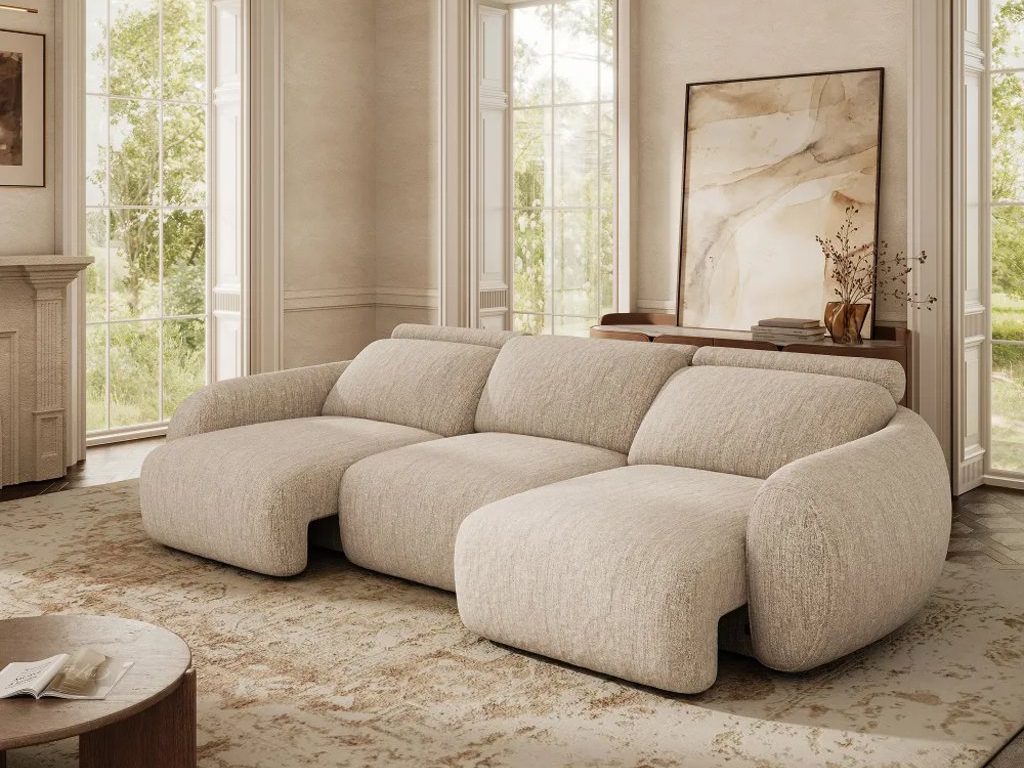
The Mila Power Sofa Bed can add flexible seating and sleeping space along a window wall. Measure its fully extended depth and leave enough room for curtains, window access, and protection from direct sunlight.
What If the Window Wall Is Your Only Furniture Option?
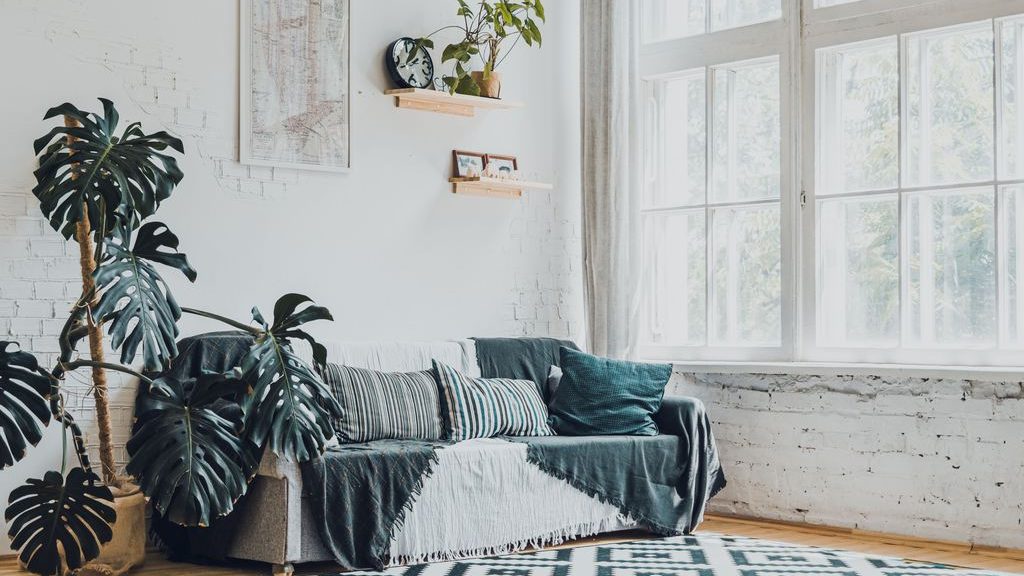
Treat the window wall as part of the layout rather than an obstacle. The furniture does not always need to sit tightly against it. Pulling a sofa forward can protect curtains, improve access, and create room for a narrow walkway or slim console when the floor plan allows.
In a 10-by-12-foot apartment living room, for example, one long sofa may block both the window and the entry path. Two movable chairs placed near the window can provide flexible seating while leaving the center open. In another room, a modular sofa can be shortened or separated so the window handle remains reachable.
These choices also support how to make a small living room look bigger with furniture: use fewer pieces, protect one clear route, and keep visible space beneath the furniture. One angled chair can solve an awkward corner; several diagonal pieces usually create unusable gaps.
Conclusion
Placing furniture in front of window space works when the window remains useful and the furniture suits the room’s real dimensions. Measure the sill, usable width, floor depth, opening path, and curtain clearance before shopping. Then compare those numbers with overall furniture height, back height, depth, material care, and any moving parts. A low sofa, bench, chair, desk, or console can all work in the right setting. The strongest layout protects daylight, airflow, safety, and comfortable movement instead of following one fixed decorating rule.
Q&A
What upholstery should I choose for furniture near a sunny window?
No upholstery material is completely resistant to prolonged sunlight. Performance fabric may be easier to clean, while leather can require more protection from drying and discoloration. Check the product’s care instructions, consider removable or rotatable cushions, and avoid buying solely because a material is labeled durable, stain-resistant, or family-friendly.
Can a desk face a sunny window without causing screen glare?
Yes, but a monitor usually performs better when positioned perpendicular to the window rather than directly facing or backing onto it. Use an adjustable shade during peak sunlight, check glare at the hours you normally work, and keep cables, documents, and electronics away from radiators or damp glass.
Can a bed be placed in front of a window?
Yes, when the headboard does not block essential window access, ventilation, or an emergency exit. A low or open headboard usually preserves more light than a tall upholstered one. Also check for drafts, direct morning sun, curtain movement, and whether the window can still be opened and cleaned safely.
Can a low bookcase go under a window?
Yes, a low bookcase can work when its height stays below important glass, handles, and opening hardware. Choose a shallow, stable unit and avoid tightly filling every shelf, which can make the window wall feel heavy. Books and paper should also stay away from condensation, direct sun, and heating equipment.
Is furniture in front of a window bad feng shui?
Not automatically. Practical feng shui concerns include stable seating, clear airflow, safe window access, and a sense of support behind the person sitting. A solid sofa back and adjustable curtains can make the arrangement feel more secure, while furniture that blocks light, movement, or ventilation may create a less comfortable layout.
How can furniture look better from outside the window?
Choose furniture with a finished, tidy back and keep cushions, cords, labels, and stored items below the visible glass line. Low-profile pieces usually create a cleaner exterior view. From outside, the arrangement should appear intentional rather than showing the unfinished back of a cabinet or a collection of objects pressed against the window.


[…] Strong afternoon sun can fade color or dry certain leather finishes unevenly. When deciding how to place furniture in front of a window, keep access to shades and airflow, leave space from radiators or fireplaces, and follow the […]