 By Kelvin
Introduction
If your room looks acceptable in photos but feels awkward in daily life, this guide will help you identify the real problem before you spend more money. Bad interior design is usually not one ugly object or an unfashionable style. It happens when layout, scale, lighting, storage, or comfort stops the room from working as a whole. The goal is to diagnose whether the issue comes from function, fit, or visual connection, then fix the highest-impact problem first instead of replacing everything at once.
Table of Contents
What Makes Interior Design Bad, Not Just Different?
A design is not bad simply because it is dark, colorful, minimalist, traditional, or different from current trends. Taste is personal. A room becomes unsuccessful when its choices interfere with use, comfort, proportion, maintenance, or visual clarity.
Use three standards:
- Function: Can people walk, sit, open doors, reach tables, watch TV, work, or dine comfortably?
- Fit: Do the furniture, rug, lighting, artwork, and room dimensions relate to one another?
- Connection: Do colors, materials, shapes, and focal points create a clear visual relationship?
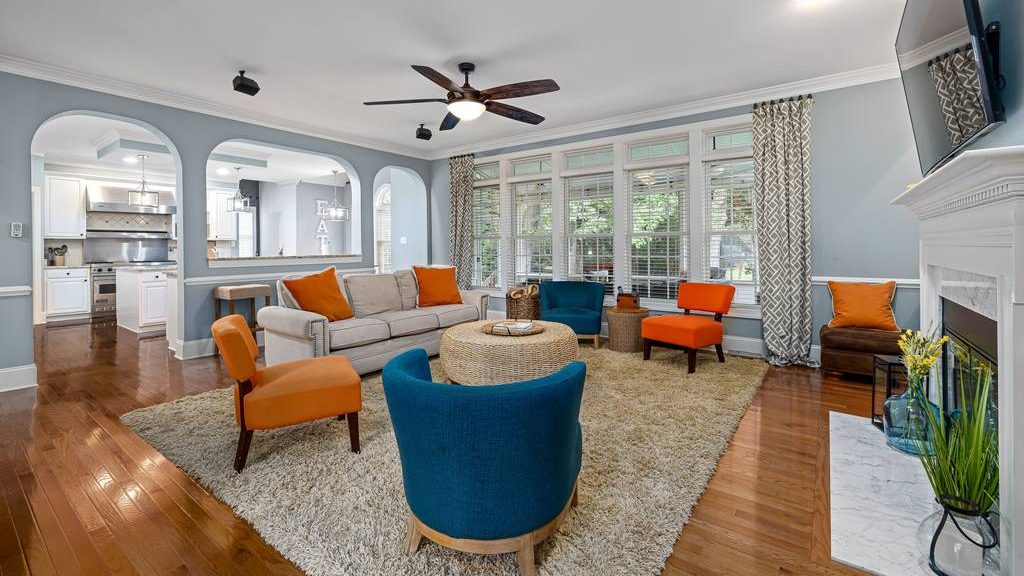
Bad interior design usually fails at least one of these tests. A bold room can work when movement is easy and the colors feel connected. A neutral room can fail when the sofa overwhelms the plan and the only light comes from a harsh ceiling fixture.
How Can You Diagnose a Room That Feels Wrong?
Start with the symptom rather than a shopping list. Stand at the main entrance, then sit in the seats you use most. Notice where movement slows, where your eye lands, and which tasks feel inconvenient.
| What You Notice | Likely Problem | Check This First |
| The room feels cramped | Function or oversized furniture | Main walkway and furniture depth |
| The room feels empty | Weak grouping or undersized pieces | Distance between seats and rug coverage |
| The room feels flat | Low contrast or poor lighting | Light sources, texture, and tonal range |
| The room feels chaotic | Too many focal points or small objects | What can be removed or regrouped |
| The room looks staged | Too much matching | One contrasting shape, material, or finish |
| The room looks good but feels uncomfortable | Lifestyle mismatch | Seat comfort, reach, storage, and maintenance |
Identify the symptom that affects daily life most often. A blocked path matters more than an empty wall, and an uncomfortable sofa matters more than changing pillow colors. When doors, windows, fireplaces, or narrow walls limit furniture placement, understanding how to avoid an awkward living room layout can help separate a structural layout challenge from a simple styling problem.
Is It a Function, Fit, or Connection Problem?
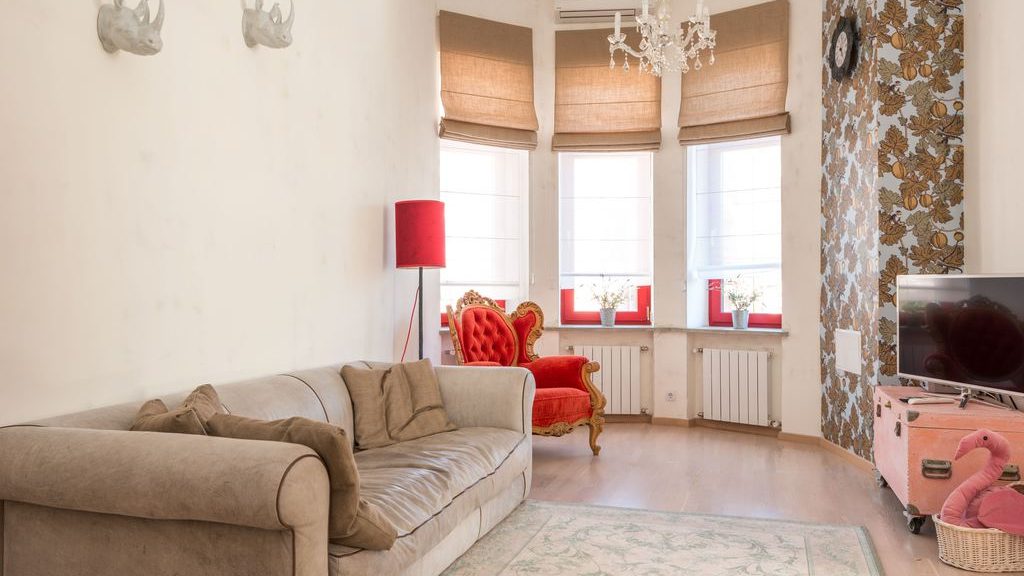
Most interior design mistakes become easier to solve once they are placed in one of these three categories. Function concerns movement and daily tasks. Fit concerns physical and visual scale. Connection concerns how separate elements relate. A room may have more than one issue, but one category usually causes the most frustration.
Function Problem
A function problem appears when the room makes ordinary activities harder. The sofa may block the entry, dining chairs may hit the wall, or open shelving may expose daily clutter. A room can be attractive and still fail because nobody has a convenient place for a drink, reading light, charger, or remote.
Trace the main path between the entrance, seating, kitchen, hallway, and windows. As a practical baseline, aim for roughly 30–36 inches on an important walkway and about 14–18 inches between a sofa and coffee table. Compact homes may need adjustments, but people should not have to turn sideways or step through the conversation area.
When the problem is concentrated in the living room, it is more useful to create a living room furniture layout for comfort and flow than to keep adding decor around an inconvenient arrangement.
Fit Problem
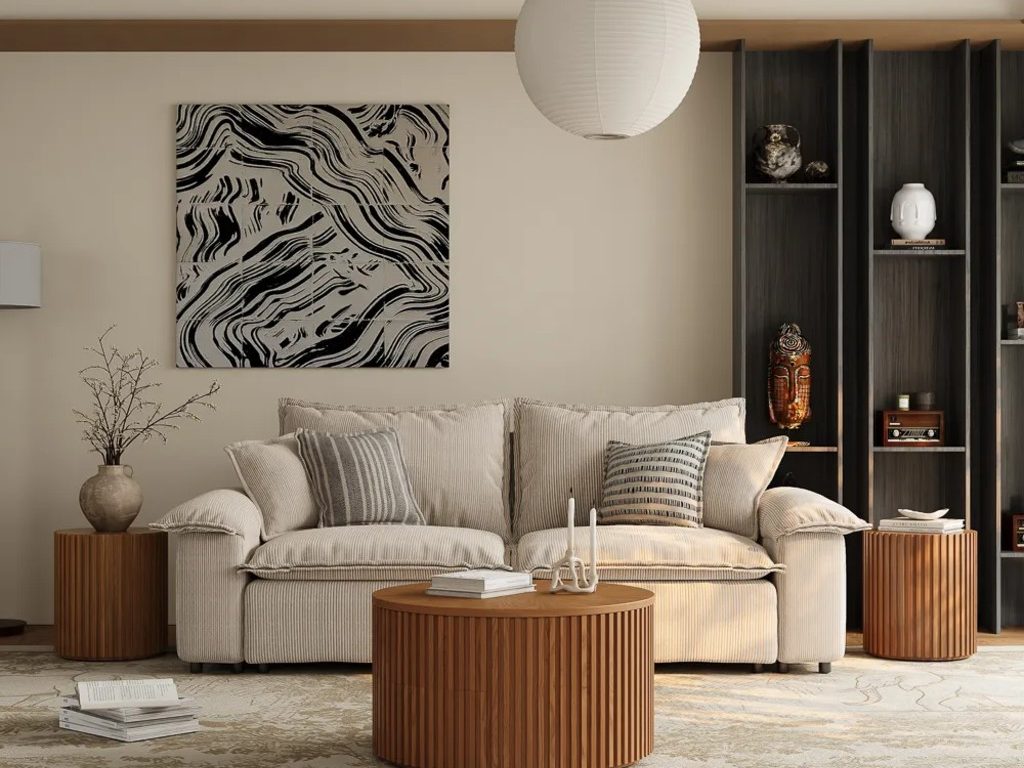
Fit includes more than whether a piece physically enters the room. It also asks whether the piece leaves usable space and looks proportionate beside nearby furniture. Bad proportion in interior design often appears as a deep sectional in a narrow room, a tiny coffee table in front of a long sofa, or a TV wider than the media console below it.
Check three relationships before replacing anything:
- The furniture compared with the room
- Each large piece compared with nearby furniture
- The open space left after doors, drawers, chairs, or recliners are used
A family may fit an eight-seat dining table into a room on paper, yet find that chairs cannot pull out during dinner. In another home, a rug under only the coffee table makes the sofa and chairs look like unrelated islands. These are fit problems, not styling problems.
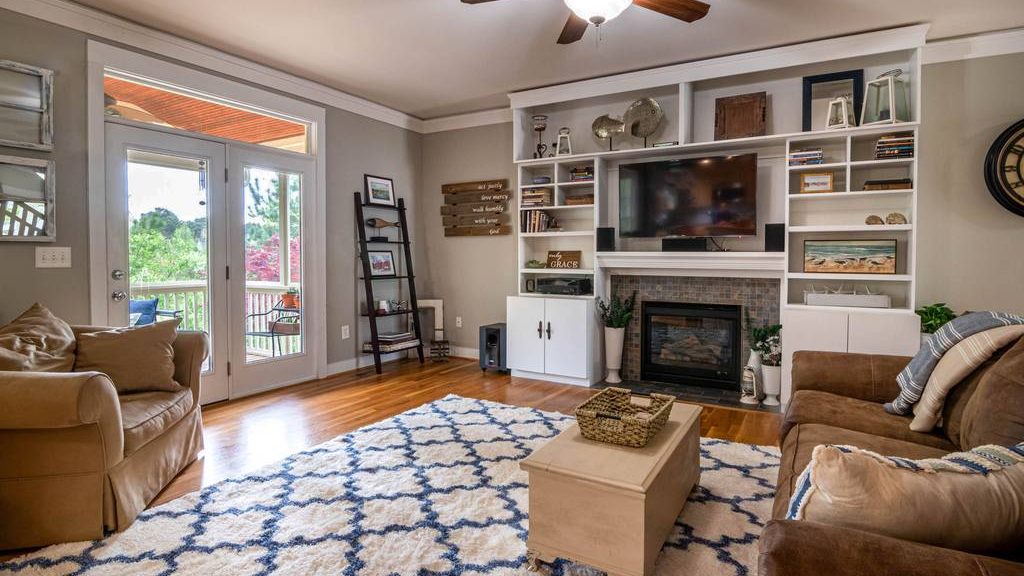
Connection Problem
A connection problem occurs when each item looks reasonable alone but the room has no shared visual logic. This can happen with unrelated wood tones, several competing focal points, or furniture that repeats the same boxy shape without variation.
Connection does not require a matching set. Repeat two or three elements across the room, such as warm wood, black metal, curved forms, or a restrained color family. Then allow individual pieces to vary.
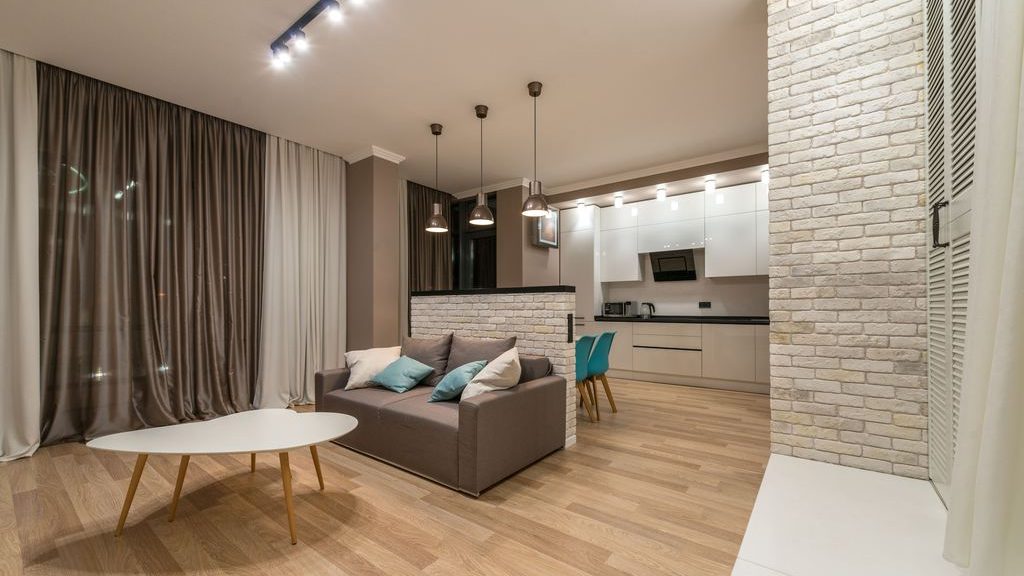
Lighting also affects connection. One overhead fixture can flatten texture and leave corners visually detached. A floor lamp near seating, a task light where work happens, and softer ambient light can make separate zones feel intentional.
What Should You Fix First?
Fix the room in order of impact, not in order of what is easiest to buy. This sequence prevents more accessories from being used to hide a problem created by layout or scale.
- Remove and observe. Clear crowded surfaces and temporarily remove small decor.
- Correct movement and use. Open the main path, place the largest furniture first, and give regular seats access to a table and light.
- Adjust visual balance. Regroup artwork, reposition the rug, and repeat a limited number of colors or materials. If one side still feels heavier, use asymmetrical balance in interior design to correct visual weight.
- Replace only the piece that still fails. A new item should solve a named problem, such as inadequate storage, uncomfortable seating, or a scale mismatch.
A living room may feel crowded because the coffee table sits in the route between the sofa and kitchen. Rotating the table or using a rounder, shallower form addresses the problem. Adding another basket beside it does not.
When Is New Furniture Actually the Right Fix?
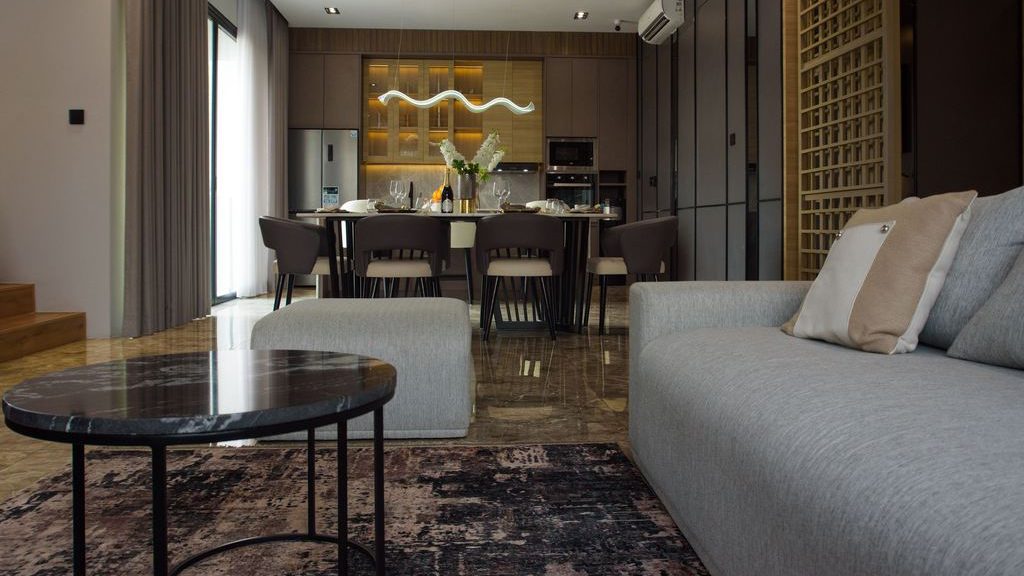
New furniture is justified when the existing piece remains a functional or proportion problem after the layout has been tested. Restyling cannot make an oversized sectional shallower, turn an uncomfortable dining chair into supportive seating, or give a narrow TV stand enough width and storage for the media setup.
Consider replacement when:
- The piece consistently blocks an important path.
- Doors, drawers, chairs, or reclining sections cannot open fully.
- Its size overwhelms the room or looks visibly lost.
- Regular seating causes discomfort.
- The material requires more maintenance than the household can provide.
- The room needs storage or flexibility the piece cannot offer.
- Repair costs approach the cost of a more suitable replacement.
Before ordering, measure the room and delivery route. Mark the footprint with painter’s tape, open nearby doors, and walk around it. Leave the tape through one normal evening so the decision reflects real movement rather than an empty-room measurement.
When Does a Design Trend Become a Poor Choice?
A trend becomes a poor decision when it is copied without considering the home, budget, or daily use. The worst interior design choices are often not unusual styles; they are expensive commitments made for a temporary online look.
Pause before using a trend when:
- You like it in photos but would not choose it without social media exposure.
- It requires replacing several pieces that already work.
- It covers cabinetry, flooring, tile, or another costly surface.
- It conflicts with the room’s light, scale, architecture, or cleaning needs.
- It removes comfort or storage to achieve a cleaner image.
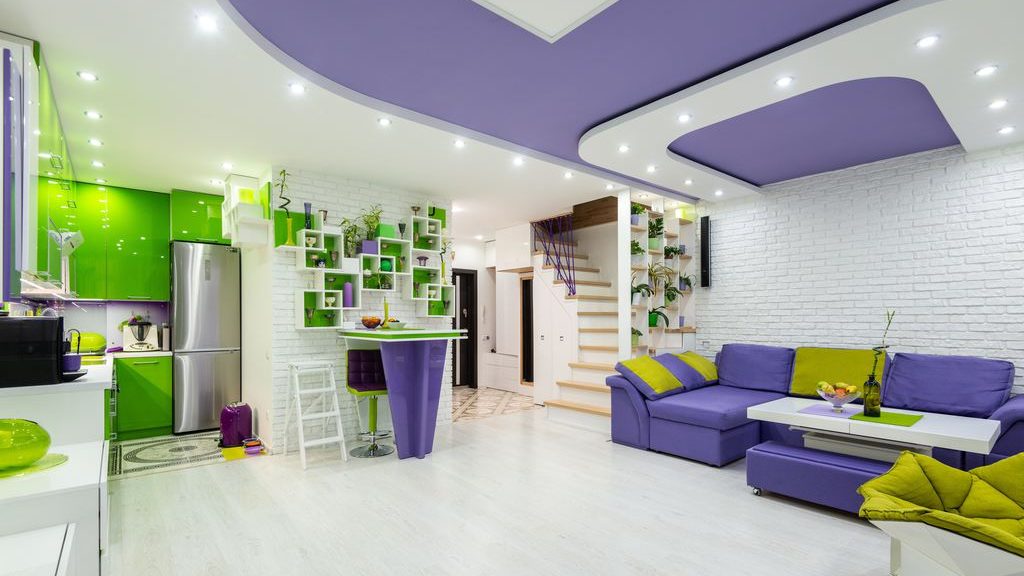
Trends are safer in reversible layers such as pillows, art, lamps, or side tables. A style can be current and personal, but it should support the room rather than become the room’s only idea.
Conclusion
Bad interior design is rarely caused by one unpopular color or a single unfashionable object. It usually comes from a room that does not function well, furniture that does not fit its surroundings, or elements that never form a clear relationship. Diagnose the main symptom, correct movement and scale, then improve lighting and visual connection. Replace furniture only when the existing piece continues to block comfort, storage, or everyday use. A room improves faster when every change solves a specific problem instead of simply adding something new.
FAQ
Can expensive furniture still make a room look poorly designed?
Yes. Expensive furniture can still look wrong when its scale, style, or placement does not relate to the room. Evaluate how the piece works with nearby furniture and available space, rather than judging it by price, brand, or materials alone.
Should you choose a sofa or a rug first when redesigning a living room?
Choose the sofa first when you are replacing both. The sofa sets the main seating size, position, and color direction. Choose the rug afterward so it can connect the sofa and chairs properly. When keeping an existing rug, measure its usable area before selecting a new sofa.
How can I tell whether a sofa is too large before delivery?
Mark the sofa’s full width and depth on the floor, including any chaise or reclining extension. Check whether the main walkway remains open and whether nearby doors, tables, and storage can still be used. Also measure the entrance, hallway, elevator, and turning points along the delivery route.
Can renters fix a room without painting or drilling?
Yes. Renters can improve layout, lighting, rug scale, curtains, movable storage, and furniture grouping without changing permanent surfaces. Start with changes that solve daily problems and can move to another home. These renter-friendly decorating ideas that improve lighting and storage are more useful than collecting many temporary wall decorations.
Is a small rug always an interior design mistake?
No. A small rug can work in an entryway, beside a bed, or under a compact reading area. It becomes a problem when used as the main living room rug but reaches none of the seating. In most seating areas, proper living room rug placement and size should connect at least the front legs of the main sofa and chairs.
When should I hire a designer instead of fixing the room myself?
Hire a designer when the problem involves several connected rooms, expensive custom work, electrical or structural changes, or repeated high-cost buying mistakes. Professional help is also useful when household members need different functions from one space. Simple furniture movement, lamp placement, and accessory editing can usually be tested independently first.


