 By Charles
My friend Jenna has had a rattan coffee table in her Brooklyn living room for three years. Toddler. Two cats. Wine spills. Birthday parties. It still looks great.
My other friend Marcus bought one for his open-plan loft, hated it within six months, and donated it to his sister.
Same material. Same price range. Completely different outcomes. So the question I get asked all the time — “is a rattan coffee table actually worth it, or is it a maintenance trap?” — doesn’t have a clean yes-or-no answer. It depends on the kind of room you have, the kind of life you live, and whether you understand what rattan actually is before you buy it.
I’ve been pulling rattan tables apart (visually, not literally — I’m not a monster) for a couple of years now, comparing weaves, frames, and finishes. Here’s the honest take.
Why Rattan Coffee Tables Appeal to Buyers
Rattan is a climbing palm — specifically vines from the Calamoideae subfamily — grown mostly across Southeast Asia. It’s not bamboo (which is hollow and grass-based) and it’s not wicker (which is a weaving technique, not a material — more on that later). According to the FAO’s global assessment of rattan resources, rattan is one of the most economically important non-timber forest products in tropical regions, and its solid, flexible core is what makes it usable for furniture frames.
What people actually want when they buy a rattan coffee table:
- Warmth without heaviness. A solid walnut coffee table anchors a room. A rattan table floats. That visual lightness matters in small apartments and open-plan layouts.
- Texture as a neutral. In modern interiors, woven texture reads the way linen reads — soft, organic, but not “themed.” It doesn’t shout boho unless you surround it with macramé and pampas grass.
- A break from hard surfaces. Stone, glass, metal, lacquered wood — most modern living rooms run cold. Rattan softens the temperature without adding a rug or a throw.
That’s the appeal. Now let’s talk about whether it survives daily life.
Best Rooms for Rattan Coffee Tables
Before you buy any coffee table, do what I do — grab painter’s tape, outline the footprint on your floor, and live with it for two days. According to standard interior planning references and confirmed by Dimensions’ databases, the average coffee table sits 16–18 inches from your sofa edge, with 14–17 inches of height. Rattan tables tend to run on the lower end of height because the weave looks better at lounge proportions.
Soft Modern Living Rooms
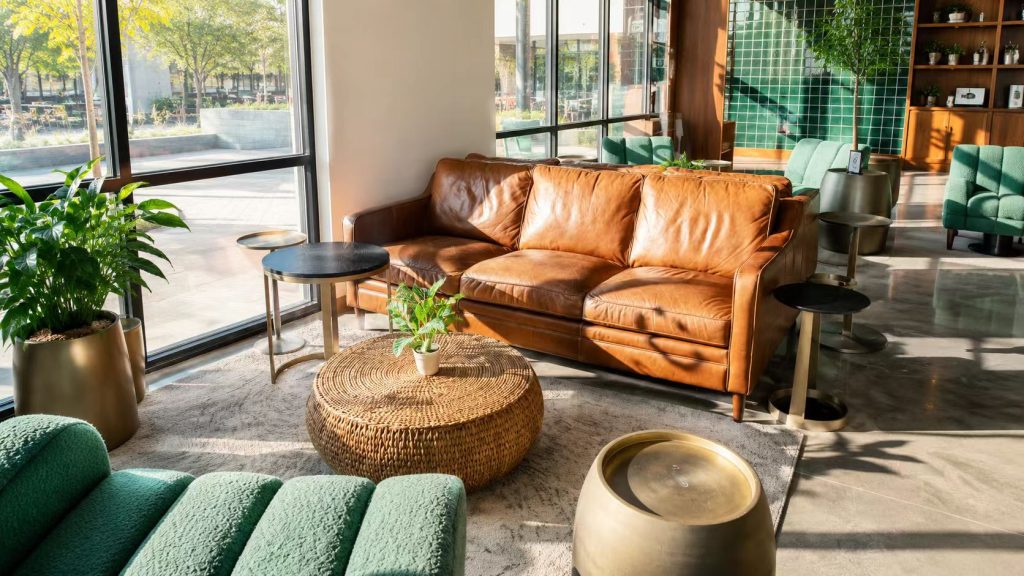
Rattan works best in rooms that are already 70% modern and need 30% softening. Think:
- A linen sofa in oat or stone
- A flat-weave rug with subtle pattern
- Walls in warm white or muted clay
- One or two pieces of solid wood (a matching wood console or sideboard helps anchor the rattan as an accent, not a theme)
If your room is already heavy on texture — jute rug, woven pendant, linen drapes — adding rattan will push it into “vacation rental” territory.
Natural Texture Spaces
If you’ve designed around natural materials (clay, oak, wool, stone), rattan is right at home. The trick is keeping the finish family consistent. Cool-toned rattan (bleached or natural-blonde) pairs with white oak and light stone. Warmer honey rattan pairs with walnut and brass. Mixing tones is where rooms start looking accidental.
Rattan vs Wicker vs Wood Coffee Tables
This is the comparison that actually matters, and it’s the one most articles get wrong.
| Feature | Rattan | Wicker | Solid Wood |
| What it is | A material (palm vine) | A weaving technique (can use rattan, reed, synthetic, etc.) | A material (oak, walnut, ash, etc.) |
| Weight capacity | 40–80 lbs (top surface) | Depends on core material | 150+ lbs |
| Lifespan (daily use) | 5–10 years with care | 3–8 years | 15–25+ years |
| Cleaning time | 1–2 min weekly (soft brush) | 1–2 min weekly | 30 seconds (wipe) |
| Humidity sensitivity | High — dries out, can crack | High | Medium |
| Repair difficulty | Hard — re-weaving requires skill | Hard | Easy — sand and refinish |
| Price range | $200–$800 | $150–$600 | $300–$2,000+ |
The single most useful thing to know: wicker is not a material. A “wicker coffee table” might be woven from rattan, reed, willow, paper cord, or plastic (resin wicker for outdoor use). When someone says “rattan or wicker?” they’re comparing a material to a method. Always ask what the wicker is woven from — that’s what determines durability.
Solid wood wins on lifespan and weight capacity by a wide margin. Rattan wins on visual warmth and weight (the actual table — most rattan tables weigh 15–25 lbs vs. 50–80 lbs for solid wood). If you move apartments often or rearrange your living room twice a year, that weight difference is real.
Cleaning and Durability Trade-Offs
Here’s where I’m going to be honest, because most articles aren’t.
Rattan is not high-maintenance, but it is fussy in specific ways. It doesn’t need polish, oil, or refinishing. It does need:
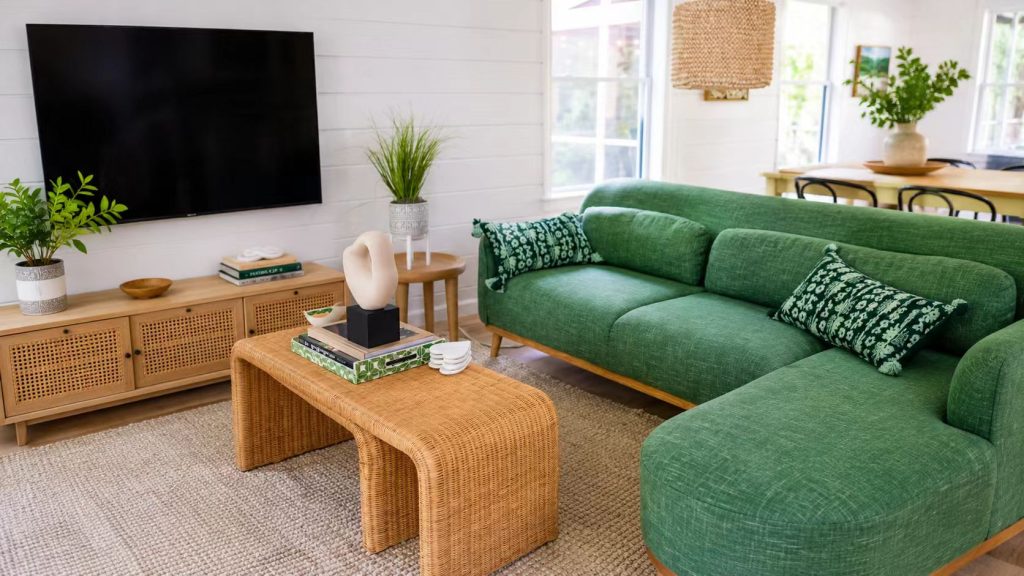
- Weekly dusting with a soft brush — vacuum brush attachment works, or a clean paintbrush. The weave traps dust and crumbs, and ignoring it for months is what makes rattan look “old” prematurely.
- A damp cloth wipe (not wet) for spills. Water sitting in the weave is rattan’s biggest enemy. According to the EPA’s guidance on indoor humidity, keeping indoor humidity between 30–50% protects all natural-material furniture — rattan included. Too dry, it cracks. Too humid, it warps.
- No direct sunlight for hours a day. UV bleaches and weakens the fibers. If your coffee table sits in a south-facing window, expect color shift in year one.
- No standing on it. That 40–80 lb capacity I mentioned? That’s the top surface. The leg structure is sturdier, but rattan isn’t a step stool.
A flat-pack rattan table is where things really go sideways. The binding points where the weave meets the frame loosen during assembly — and once they loosen, they don’t tighten back. POVISON tables ship fully pre-assembled, which matters more for woven furniture than for wood. Wood you can sand and reglue. Loose rattan weaving is essentially permanent.
Who should skip rattan:
- Families with kids under 5 who put everything in their mouths (the weave catches food crumbs that are hard to fully clear)
- Cat households where the cat is a confirmed scratcher (rattan is a scratching post in disguise)
- Anyone in a damp basement apartment or a desert-dry climate without humidity control
- Buyers who want a “buy it for life” piece — that’s solid wood territory
Who rattan works for:
- Adults or families with older kids in climate-controlled apartments
- Anyone who actually dusts weekly (be honest with yourself)
- People prioritizing visual lightness over decade-long durability
- Renters who want statement furniture they can move easily
FAQ
Is a rattan coffee table durable enough for everyday family use?
A rattan coffee table is durable enough for everyday use in households without small children or active pets. Expect a realistic lifespan of 5–10 years with weekly dusting and humidity control between 30–50%. For families with toddlers or scratching cats, solid wood is the more forgiving choice — rattan weaves trap crumbs and snag on claws in ways wood doesn’t.
Is rattan hard to clean and maintain in a living room?
Rattan is not hard to clean, but it requires consistent low-effort maintenance rather than occasional deep cleaning. Weekly dusting with a soft brush takes about 90 seconds, and spills should be wiped immediately with a damp (not wet) cloth. Avoid soaking, harsh cleaners, and direct sunlight. The mistake people make is skipping weekly care, then trying to deep-clean a year of accumulated dust — by then, the weave looks tired.
Does a rattan coffee table fit in a modern living room?
Yes, a rattan coffee table fits modern living rooms when used as a textural accent against clean-lined sofas, neutral walls, and minimal styling. It works best in rooms that are 70% modern and need warming up — pairing it with linen, oak, and warm whites keeps it contemporary rather than boho. Avoid stacking it with too many other natural-texture pieces (jute rugs, woven pendants, macramé) or the room reads as themed.
Is rattan better or worse than wood for a coffee table?
Rattan is better for visual lightness, easy rearranging, and softening modern interiors. Wood is better for daily durability, weight capacity, and lifespan. A solid wood coffee table will outlast a rattan one by 10–15 years and handle 2–3x the weight. Neither is universally “better” — choose rattan for style and ambiance in low-impact rooms, choose wood for high-traffic family use.
Conclusion
Rattan coffee tables aren’t high maintenance — they’re specific maintenance. If you understand what rattan is (a palm vine, not a weaving style), buy a pre-assembled table where the binding points are factory-secured, dust it weekly, and keep it out of harsh sun or damp basements, you’ll get 5–10 good years.
If you want a piece that survives toddlers, large dogs, and being forgotten for months at a time, that’s a solid wood conversation, not a rattan one. There’s no shame in admitting your living room is more family hub than Architectural Digest spread — and choosing furniture accordingly.
The best coffee table is the one that matches your room and your honesty about how you actually live. Tape it out. Live with it for 48 hours. Then decide.
Related Reading:


