 By Kelvin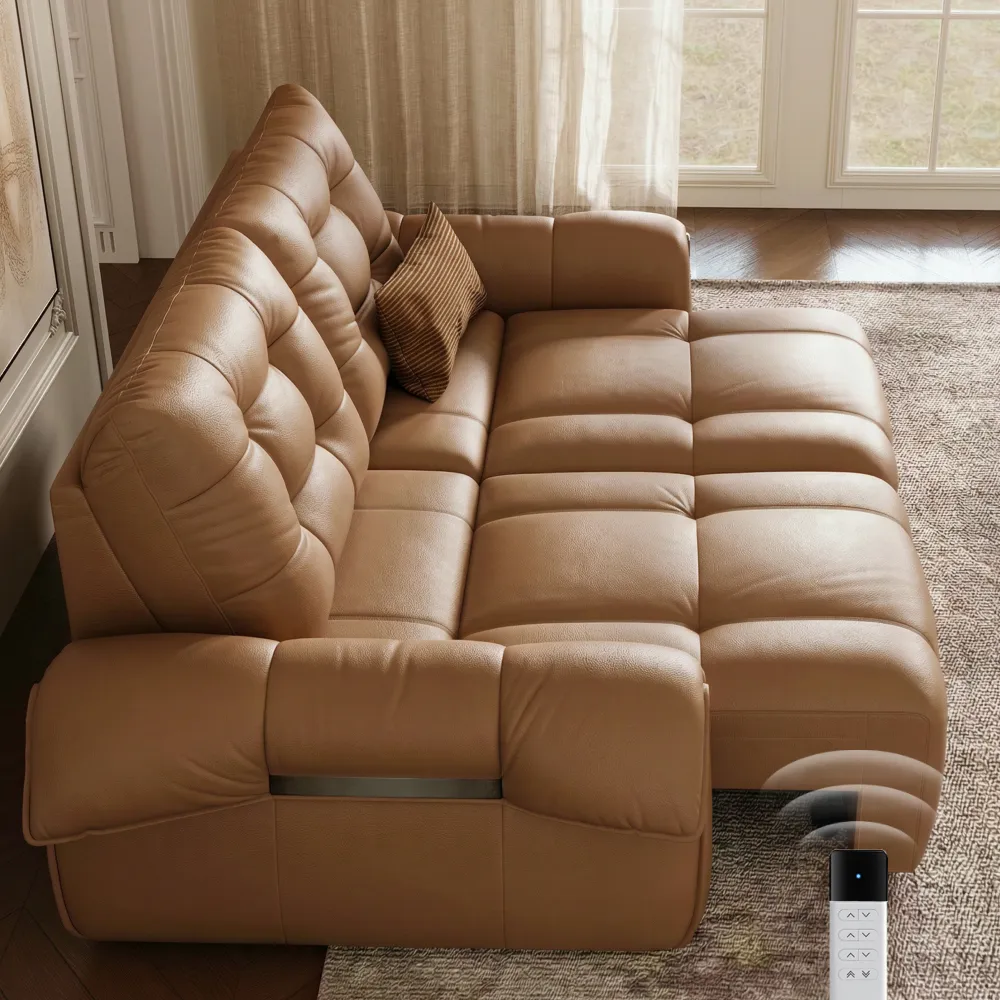
If you are shopping for a top grain leather sofa, you are probably trying to decide whether this leather type is worth the investment. The right choice depends on more than the leather grade alone — durability, comfort, maintenance, construction, and daily use all affect how a sofa performs over time.
This guide explains what top grain leather means, whether it is a good choice for sofas, how it compares with other leather types, and what details to check before buying.
Table of Contents
What Is Top Grain Leather?
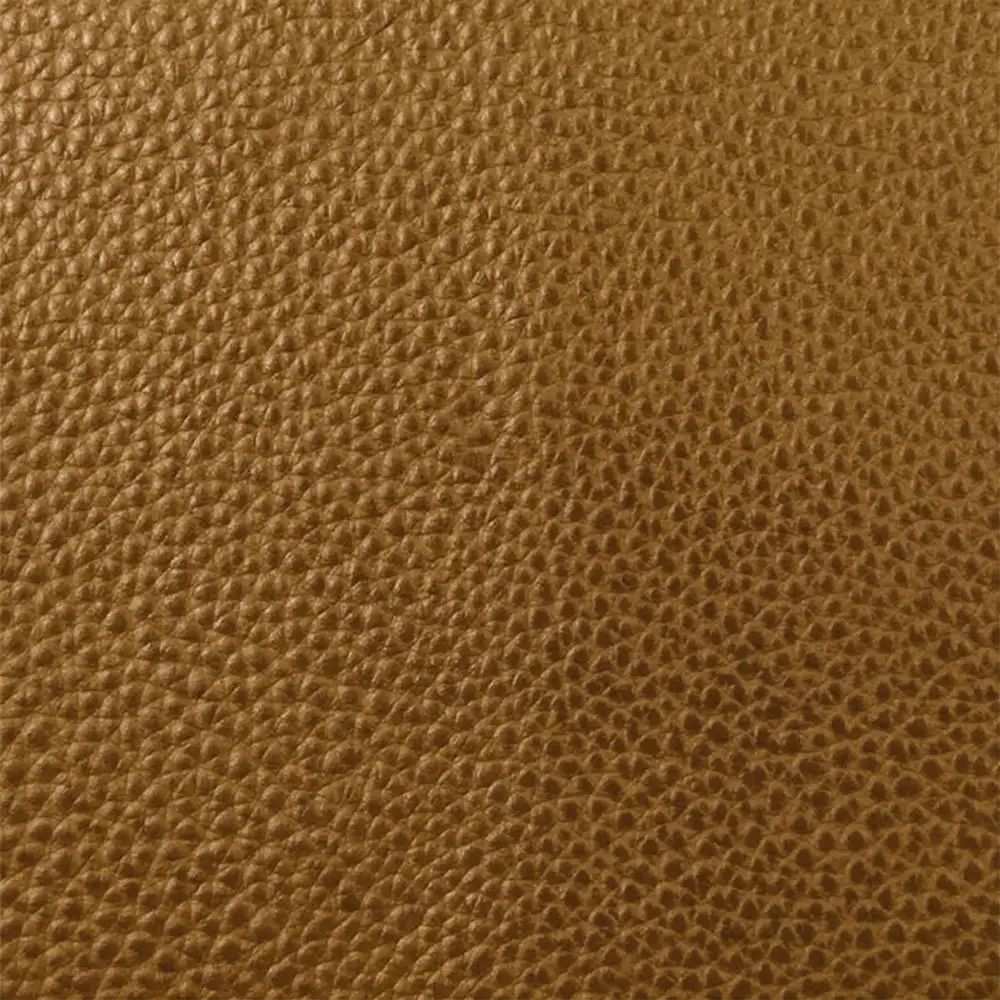
Top grain leather is real leather made from the upper layer of an animal hide. The surface is lightly corrected and finished to remove some visible imperfections while preserving the natural strength, texture, and feel of genuine leather.
During the finishing process, the leather may be sanded, buffed, or treated to create a smoother and more consistent appearance. This makes top grain leather different from full grain leather, which keeps more of the hide’s original surface, including natural markings and variations.
For sofas, this difference is noticeable across larger surfaces such as seat cushions, armrests, and back panels. Top grain leather typically creates a more uniform look, while full grain leather shows more natural character from the original hide.
Is Top Grain Leather Good for Sofas?
Top grain leather is a strong choice for sofas because it combines the natural feel of real leather with a smoother, more consistent appearance. It is especially suitable for buyers who want a premium-looking sofa that works well in everyday living spaces.
A top grain leather sofa is a strong option for buyers who want the feel of real leather with a more uniform appearance and easier everyday care.
Best for Everyday Living Rooms
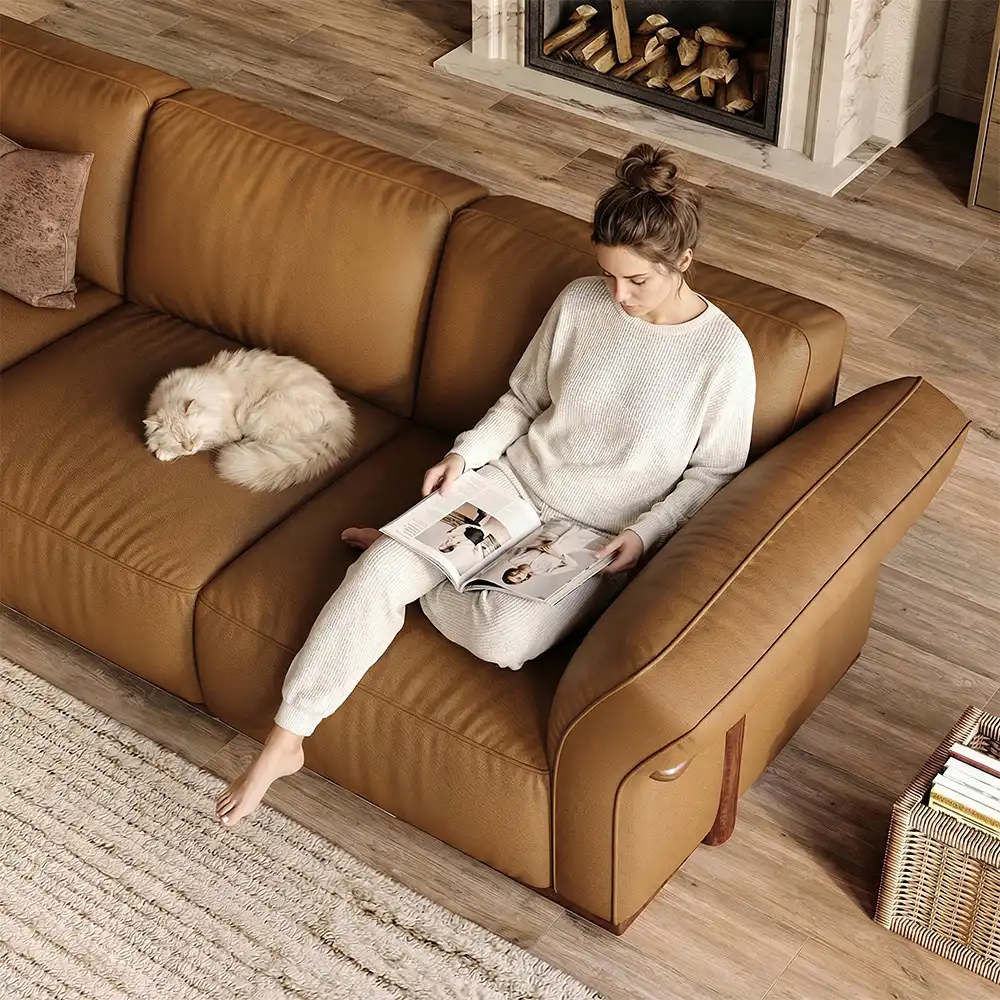
Top grain leather works well in frequently used living spaces where the sofa needs to handle daily sitting, relaxing, and entertaining. Its finished surface is generally easier to clean than more absorbent upholstery, making it practical for homes where coffee spills, crumbs, or regular use are part of everyday life.
Less Ideal for Some Buyers
Top grain leather may not be the best match for everyone. Buyers who prefer strong natural markings, visible grain variation, or a dramatic patina that changes significantly over time may prefer full grain leather.
It is also not a completely maintenance-free material. While top grain leather is practical for everyday use, it still requires proper cleaning, protection from harsh sunlight, and care based on the specific finish.
Top Grain vs Full Grain Leather Sofa: Which One Should You Choose?
Top grain and full grain leather both come from the upper layer of the hide, but they create different experiences in a sofa.
| Top Grain Leather | Full Grain Leather | |
|---|---|---|
| Surface | Lightly corrected and finished | Natural surface preserved |
| Appearance | Smooth and consistent | More natural variations |
| Durability | Excellent for everyday sofa use | Extremely durable when properly maintained |
| Feel | Soft and refined | Rich natural texture |
| Patina | Develops gradually | Develops stronger character over time |
| Price | Usually more accessible | Usually higher |
Neither leather type is automatically better. Full grain leather emphasizes natural character, while top grain leather focuses on consistency and easier everyday usability.
For most everyday sofas, top grain leather offers a practical balance between premium feel and easy maintenance. Full grain leather may appeal more to buyers who value natural markings and long-term patina.
The better choice depends on how you use your sofa, not only the leather grade.
What Should You Check Before Buying a Top Grain Leather Sofa?
Choosing a top grain leather sofa involves more than the leather label. The leather grade, coverage, construction, and care requirements all affect long-term comfort and value.
Check the Leather Quality and Coverage
Not all leather sofas use leather in the same way. Check both the leather grade and how the material is applied across the sofa.
Look for:
- Leather coverage on seats, backs, and visible areas
- Whether the sofa uses leather match materials
- Whether the finish is protected or more natural
The leather grade alone does not tell the complete story. The finish and coverage also affect appearance, maintenance, and durability.
Check the Sofa Construction and Comfort
Leather quality is only one part of a sofa’s long-term performance. A well-made sofa should also provide the support, comfort, and functionality needed for everyday use.
Consider:
- Frame construction
- Cushion support
- Seat depth and comfort
- Functional features such as reclining or sleeper designs
A premium leather surface cannot make up for poor support, uncomfortable seating, or features that do not match your lifestyle.
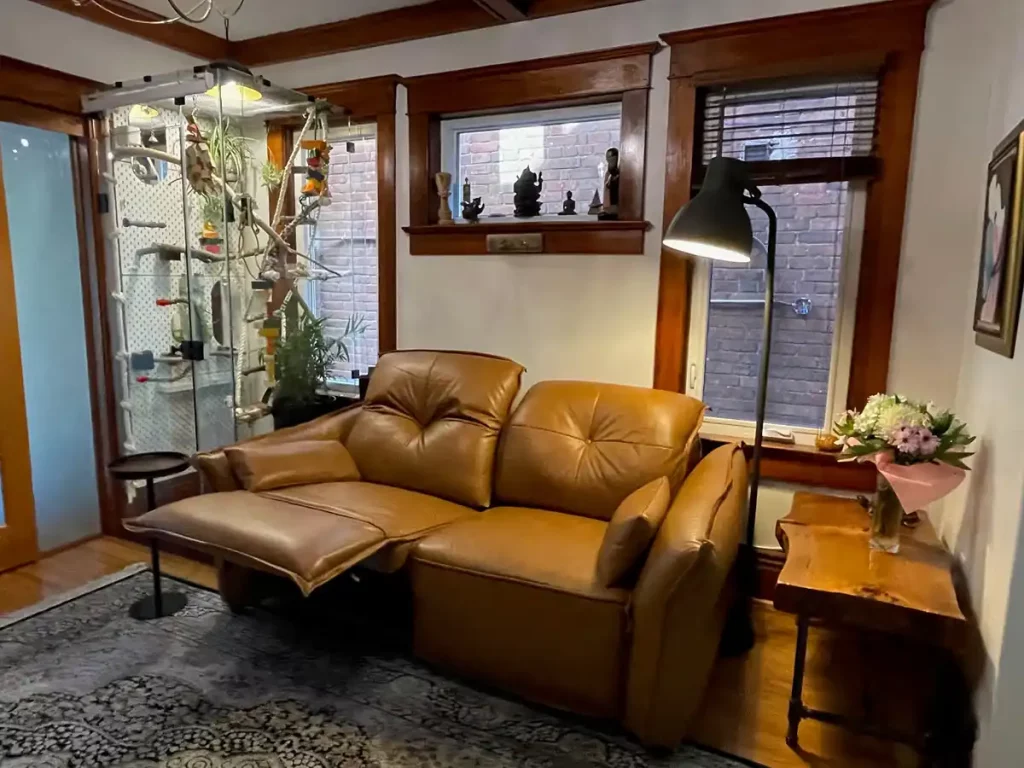
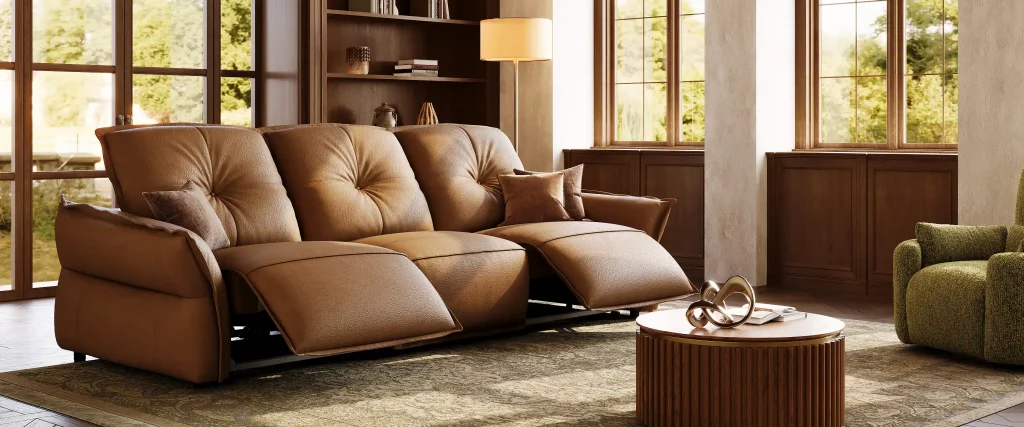
The POVISON Marlowe Dual Power Reclining Loveseat shows how these factors work together in a leather sofa. Its adjustable headrests help users find better neck and upper-body support for activities like reading or watching TV, while the dual power reclining system allows the seating position to adjust from upright conversations to more relaxed lounging. Combined with high-resilience foam, the cushioning is designed to provide consistent support during everyday use.
A quality leather sofa is not defined by the leather grade alone. The upholstery, cushioning, and functional design all contribute to how comfortable and durable the sofa feels over time.
How Should You Care for It?
Caring for a top grain leather sofa is relatively simple, but regular maintenance helps protect the finish and keep the leather comfortable over time.
For everyday care:
- Wipe dust with a soft, dry cloth to prevent buildup.
- Blot spills quickly instead of rubbing them into the surface.
- Keep the sofa away from prolonged direct sunlight and heat sources when possible.
- Use only leather-safe cleaners and conditioners recommended for your specific finish.
- Check the care guide before applying any products, as protected and natural finishes may require different methods.
Avoid:
- Alcohol, bleach, or harsh household cleaners
- Excessive water or soaking the leather
- Random oils or treatments that may damage the finish
Proper care also affects how leather feels over time. A well-maintained sofa usually becomes softer and more comfortable with regular use, while neglected leather may become dry or stiff.
Conclusion
Top grain leather is a strong option for sofa buyers who want real leather with a smooth look, practical care, and enough durability for everyday living. It is not the only good leather grade, and it should not be judged without checking the sofa’s frame, cushions, finish, coverage, and room fit. If you want a leather sofa or couch for daily lounging, media rooms, or multifunctional spaces, this material can make sense when the whole piece is built for the way you actually live.
Choose Leather With More Clarity
Explore top-grain leather sofas made for everyday comfort and long-term use.
FAQ
Is top grain leather better than full grain leather?
Neither option is automatically better. Top grain leather is often preferred by buyers who want a smoother appearance and easier everyday maintenance, while full grain leather appeals to those who prefer natural texture and stronger patina. The right choice depends on your lifestyle, budget, and design preference.
Will a top grain leather couch feel too firm at first?
A top grain leather couch may feel firmer at first because leather upholstery and structured cushions often provide more support than soft fabric seating. If you prefer a softer feel, check cushion filling, seat depth, and whether the sofa is designed for lounging rather than formal sitting.
How long does a top grain leather sofa last?
A well-made top grain leather sofa can last many years with proper care. Longevity depends on more than leather grade, including frame quality, cushion materials, usage frequency, and maintenance habits. Always check the sofa’s construction details instead of judging durability only by the leather label.
Is top grain leather good for homes with pets?
Top grain leather can work well for some pet households because hair and small spills are often easier to clean than on many fabrics. However, it is not scratch-proof. Homes with active pets should consider the leather finish, color, and daily habits before choosing.


[…] term “aniline” refers to the leather finish, not the leather grade. Full-grain and top-grain describe the hide itself, while aniline describes how the surface is colored and […]