 By Jenny Smith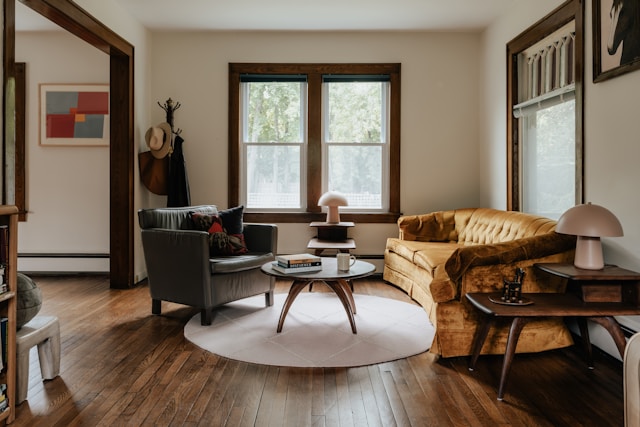
A minimalist coffee table does much more than hold your mug. Because it sits at the visual center of the living room, it either amplifies chaos or quietly organizes everything around it. When the table is slim, simple, and intentional, the whole space feels lighter, easier to move through, and quicker to tidy. Think of it as a reset button for the room: fewer visual distractions, smoother traffic paths, and a surface that’s ready for real life — not constant rearranging.
Why a Minimalist Coffee Table Instantly Calms the Room
How Your Coffee Table Sets the Tone for the Entire Space
Your eye naturally lands on the coffee table whenever you walk into a living room. If it’s piled with decor, heavy legs, and complicated shapes, your brain reads “visual noise.” A 2025 study in the Journal of Environmental Psychology found that higher home clutter was linked with lower mental well-being and life satisfaction among 501 adults. (Science Direct) So when the table feels clean and open, the room feels calmer, even if life around it is busy.
Minimalist coffee tables also support better flow. Slim bases and rounded corners make it easier to walk past without bumping shins, and the open surface gives remotes, drinks, and laptops a clear landing zone. I once helped a client swap a big storage trunk for a light oak table; she joked that it felt like the room “exhaled” and suddenly looked guest-ready, even on a weeknight.
Is a Minimalist Coffee Table Right for Your Lifestyle?
Minimalism works best when it matches your real habits, not just your Pinterest board. A minimalist coffee table is a strong fit if you live in a small apartment, share an open-plan living area, work from home on the sofa, or crave “visual quiet” at the end of the day. It can be more challenging for families with lots of toys on rotation or collectors who genuinely love layered decor, but it’s still possible with the right storage.
Use a quick gut-check: Do you prefer one beautiful object on the table or several small pieces? Do piles of magazines and remotes bother you after a few days? Are you willing to clear the surface once every evening? If your answers lean toward “yes,” a minimalist coffee table will probably feel like a daily relief rather than a restrictive rule.
Minimalist Design Principles for Coffee Tables
“Less but Better” – Shape, Lines, and Negative Space
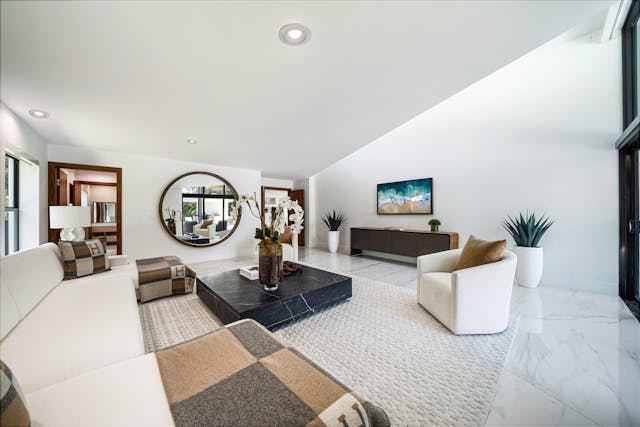
Minimalist coffee tables follow the “less but better” rule. Start with simple geometry: rectangles echo the sofa, round tables soften corners, and soft ovals are great when you need both. Clean lines matter more than fancy details. Skip carved legs, ornate hardware, and heavy inlays; let the form do the talking.
Pay attention to negative space under and around the table too. A raised base or slim pedestal lets light travel beneath the top, so the table reads like it’s floating rather than squatting in the middle of the room. When you evaluate a design, ask yourself: “If I removed this shelf or decorative trim, would the table look stronger?” If the answer is yes, the extra detail is probably visual clutter.
Proportion, Balance, and Visual Weight
Proportion is the difference between “calm” and “awkward.” As a guideline, aim for a coffee table height that’s roughly level with your sofa seat or up to two inches lower. Length-wise, many designers start with about one-half to two-thirds of the sofa length. That ratio keeps the table substantial enough to feel grounded, but not so long that it swallows the seating area.
Visual weight is just as important as measurements. Chunky, box-style tables with thick tops or solid plinth bases feel heavier, while slim legs, open frames, and thin tops feel lighter and more minimal. Current trends toward calm, sanctuary-like spaces support this look: searches for “organic modern bedroom” on Houzz jumped nearly 3.5x year-over-year, and “Japandi living room” searches rose 48%, both styles known for clean lines and negative space. (Houzz)
Best Materials for a Minimalist Coffee Table
Comparing Popular Minimalist Materials (Wood, Stone, Glass, Metal)
Your choice of material dramatically changes how “minimal” the table feels. Light woods like oak and ash create warm minimalism, especially with a simple grain and matte finish. They pair beautifully with Scandi or Japandi rooms and hide fingerprints better than glossy surfaces. Stone or marble tables lean cooler and more architectural, ideal if you want a luxe focal point, but they’re heavy and usually need coasters plus gentle cleaners.
Glass tops make a room feel bigger by virtually disappearing into the background, which is perfect for small spaces or busy rugs. The trade-off: you’ll see smudges more quickly and may wipe the surface more often. Slim metal frames in powder-coated steel or aluminum feel the most “graphic” and contemporary, especially in black, off-white, or sand tones.
If you love mixed styles, consider materials that bridge looks: a light oak top with a slim black metal frame, or a stone top with soft rounded edges. For deeper reading on modern coffee-table materials and shapes, you can explore Povison’s guide to modern coffee tables that elevate living rooms.
How to Choose the Right Minimalist Coffee Table for Your Space
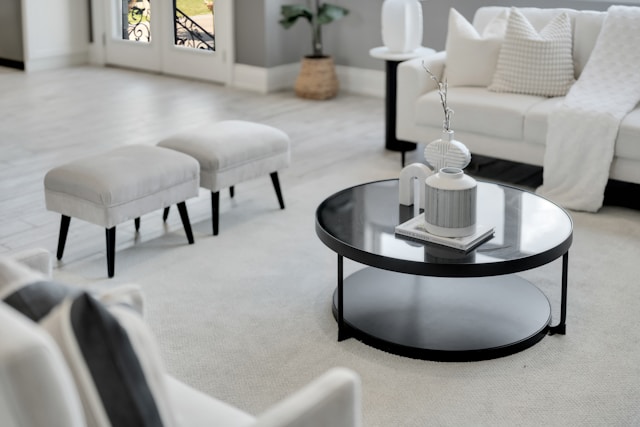
Matching Table Size, Shape, and Height to Your Layout
Start with a tape measure, not your mood board. Measure your sofa’s height and depth, then note how much walkway space you need between the sofa and TV wall. A comfortable distance from sofa front to table edge is usually around 14–18 inches; main walkways like the path to a hallway or balcony do best with about 30–36 inches of clearance.
Shape depends on circulation. In long, narrow living rooms, a slim rectangular or oval table works best because it runs with the room and leaves walking paths along the sides. In square rooms or with U-shaped sectionals, a round or square table with softened edges lets everyone reach snacks without stretching too far. For trickier layouts, Povison’s coffee table size guide includes more measurements you can cross-check.
Open vs Storage Designs – Finding the Right Level of Minimalism
Minimalism doesn’t require zero storage; it just asks that storage be intentional. Open, leggy coffee tables look the lightest and work especially well in compact living rooms, where floor visibility keeps things airy. However, if you constantly battle remotes, controllers, and kids’ markers, a table with one slim shelf or a hidden drawer might be the difference between “calm” and “cluttered in two days.”
Think of your coffee table as the stage, not the storage room. Bulky items can live in nearby support pieces — a media console, sideboard, or lidded baskets under a bench — so the table only holds what you actually use while sitting. When I styled a busy family room, moving toys into a low sideboard and keeping just a tray of essentials on a minimalist table cut cleanup time in half and made movie nights feel more like a small ritual than a scramble.
Styling a Minimalist Coffee Table Without Clutter
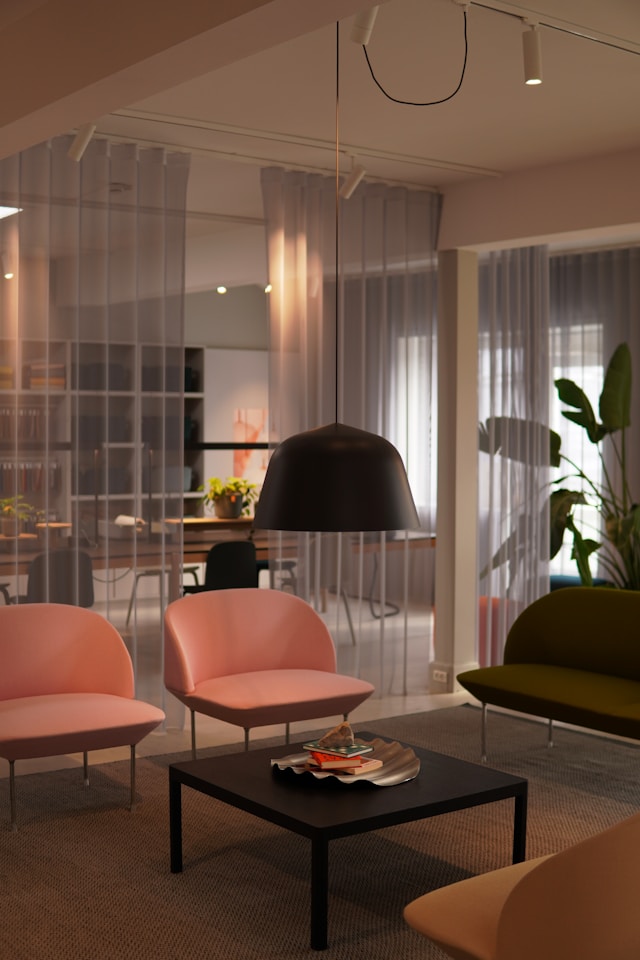
You don’t need to be a stylist to make a minimalist coffee table look good. Stick to simple “formulas” with a tight color palette and a mix of heights:
- Formula 1: Low tray + one coffee table book + a small plant or branch in a vase.
- Formula 2: Two stacked books + one sculptural object + a small candle.
- Formula 3 (family-friendly): One medium tray that corrals remotes, coasters, and a lidded box for small items.
These setups work because they repeat shapes, limit color contrast, and leave plenty of breathing room on the surface. If you want more styling inspiration that still feels real-life friendly, you can pair this guide with Povison’s article on mid-century modern coffee tables, which shows how simple silhouettes play with books, bowls, and greenery.
What to Avoid When Choosing or Styling a Minimalist Coffee Table
The fastest way to ruin a minimalist look is oversizing the table. A piece that’s almost as long as the sofa or significantly taller than the cushions will feel pushy and dominate the room. Another common mistake is choosing a base that’s visually heavier than everything else — for example, a thick block table in front of a delicate, slim-legged sofa. In that case, flipping the logic (slimmer coffee table, slightly chunkier sofa) usually brings things back into balance.
Styling mistakes are mostly about quantity. Dozens of smrays, and tall stacks of books will quickly tip you into maximalism. Remember that social media often shows “styled for the shot” tables with extra accessories. In real life, aim for one main grouping and plenty of empty surface so you can actually set down a laptop or tea tray. If you’re ever unsure, remove one object and see if the table suddenly looks more serene — that’s your cue to edit.
Conclusion
A minimalist coffee table isn’t just a trend piece; it’s a practical tool for creating a clean, calm, and functional living room that’s ready for everyday life. By following core minimalist design principles, choosing materials that both look good and stand up to real use, and avoiding choices that add visual clutter, you turn the center of your living room into a quiet anchor instead of a constant distraction. This week, take five minutes to assess your current table: can you declutter, restyle, or even upgrade it so your space feels just a little more breathable and Ready To Live In?
FAQs about Minimalist Coffee Tables
Are mical for families with kids and pets?
Yes, as long as you choose the right details. Look for rounded corners, durable finishes, and closed storage for small items. Mid-tone woods or textured stone tops hide fingerprints and crumbs better than dark gloss or pure white. Keep a lidded box or soft basket nearby for toys, and let the table surface hold only what you need that day.
How do I keep a minimalist coffee table looking clean?
Choose materials that match your cleaning style. Wood with a matte finish or light texture disguises dust; glass and high-polish stone need regular quick wipes with a microfiber cloth. Make a habit of resetting the table every evening: remove dishes, stack books neatly, and straighten your tray. In practice, this takes under two minutes and keeps visual noise from building up.
Can I mix a minimalist coffee table with non-minimalist furniture?
Absolutely. A minimalist coffee table can calm a room that includes vintage rugs, patterned cushions, or bold art. Focus on repeating one element so things feel intentional: maybe the table’s wood tone echoes your picture frames, or its black metal legs match a floor lamp. For ideas on blending styles, Povison’s minimalist sofa design rules show how quiet pieces anchor more expressive decor.
What’s the best shape of minimalist coffee table for a small living room?
In tight spaces, round and oval tables are hard to beat. They’re easier to walk around, soften sharp corners, and visually take up less room. If your layout is long and narrow, a slim rectangular table can still work as long as it leaves at least 14 inches between the sofa and table and doesn’t block main walkways. Keep bases light and legs visible so the floor shows through.
How much should I budget for a quality minimalist coffee table?
You’ll find minimalist coffee tables across a wide range, but many people land between $200 and $800 for a well-made piece in real wood, stone, or sturdy metal. Think about it like a small investment in how your main living space feels: a balanced, durable table you love will likely stay with you through multiple moves, while ultra-cheap options often wobble, chip, or date quickly.


