 By Jenny Smith
A leather sofa still feels like a “big life upgrade” because we spend real time on it. One survey found that 50% of people spend seven or more hours a week on their sofa, not counting guests. When the piece you see, touch, and sit on daily looks refined and is easy to live with, it becomes more than seating. A modern leather sofa turns your living room into a space that feels grown-up, calm, and ready for real life.
What Makes a Leather Sofa “Luxury”? Beyond the Price Tag
The Feel & Look of Real Leather vs. Ordinary Upholstery
A genuine leather sofa feels different the moment you sit down. The surface is warm and supple, not plasticky; it responds to your body instead of swallowing you like some sagging fabric. Real leather has natural grain, slight shade shifts, and a soft sheen that deepens into a patina as you use it. Walk into a room with a low-profile modern leather sofa in rich cognac and you often notice the subtle leather scent before you see the TV. It quietly anchors minimalist, contemporary, or warm neutral spaces.
Design Details That Signal a True Luxury Sofa
You can feel a luxury sofa before you read the tag. Look for tight, even stitching, cushions that spring back instead of flattening, and a solid frame in kiln-dried wood or sturdy metal. On a long movie night, proper seat depth and supportive back cushions matter more than a trendy color. To make shopping easier, use this quick checklist when you compare leather sofas on sale or in-store:
- Even stitching and straight seams
- No wobble when you push the arm or back
- Cushions recover their shape after you stand
- Legs color-matched or intentionally contrasted
- Smooth mechanisms on any reclining or storage features
Genuine Leather vs Other Materials – What You’re Really Buying
Types of Leather (Full-Grain, Top-Grain, Corrected, Bonded)
Not all “leather” is equal. Here’s a simple way to decode labels when you choose a luxury sofa or leather sectional sofa:
| Leather type | Feel & look | Durability | Price level | Care difficulty |
| Full-grain | Most natural, visible grain, patina | Excellent | $$$$ | Moderate |
| Top-grain | Smooth, slightly corrected | Very good | $$$ | Moderate |
| Corrected grain | Coated, more uniform | Good | $$ | Low-moderate |
| Split/Bonded | Reconstituted or split layers | Low–moderate | $ | Low |
If you want a long-lasting modern leather sofa without going ultra-luxury, top-grain is often the best balance. Full-grain suits “forever” pieces; split or bonded leather works for low-budget or rarely used rooms.
Genuine Leather vs Faux Leather vs Fabric Sofas
A genuine leather sofa offers a different experience than faux leather or fabric. Faux leather can look sharp at first, but it’s more likely to crack or peel and often feels cold or sticky. Fabric is cozy and comes in endless patterns, but it absorbs spills, odors, and pet hair more easily. Genuine leather usually wins on easy care: most messes wipe off, it holds fewer embedded allergens, and it suits high-use pieces like a leather sleeper sofa or leather sofa bed in a guest room. For a deeper breakdown, you can explore Povison’s guide on leather vs fabric sofas.
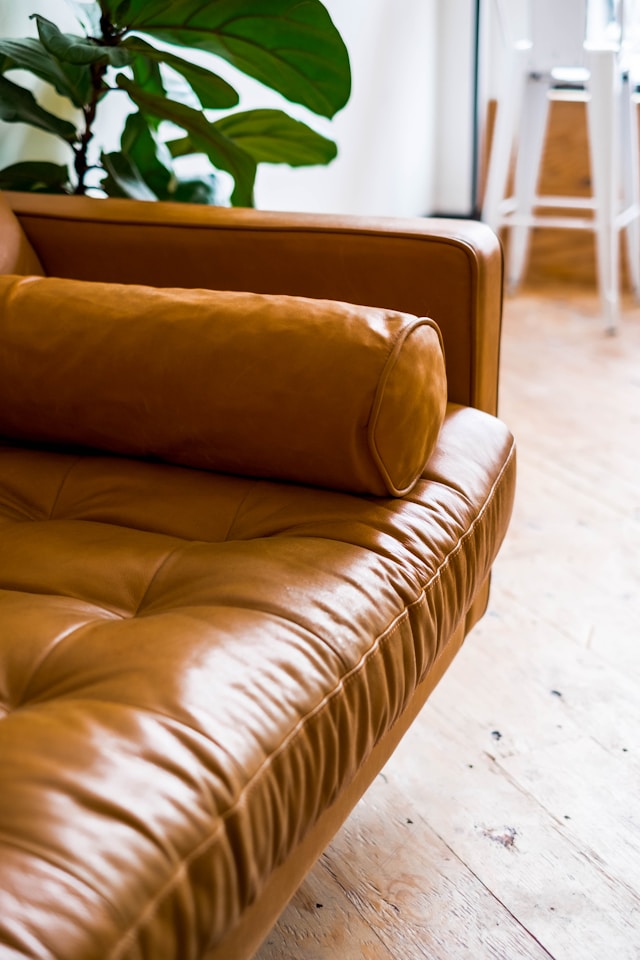
Durability in Real Life – How Long Can a Leather Sofa Last?
How Leather Stands Up to Kids, Pets & Daily Use
Quality leather is naturally tough. On a well-made genuine leather sofa set, cushions and frame hold shape instead of sagging into a “butt print” after a year. Everyday spills from snacks, juice, or coffee usually sit on the surface long enough to wipe away. Pet claws can leave light marks, but many families find these blend into the patina rather than turning into rips. One cleaning-industry analysis notes that the average leather upholstery piece lasts at least ten years, longer than fabric upholstery. (Aramsco, 2020) In one busy family room I saw, a brown leather sofa survived movie nights and forts, still looked inviting after years.
Common Durability Myths & How to Avoid Damage
Leather doesn’t automatically scratch, crack, or feel sticky. Most cracking comes from low-grade split or bonded leather, harsh cleaners, or years of direct sun and dry air. Real leather also adjusts quickly to body temperature, so it’s rarely icy in winter or sticky in summer once you sit. Do a quick “home environment check”: notice where afternoon sun hits, how close your leather recliner sofa will sit to heat vents, and whether your air feels very dry. If needed, add a sheer curtain, shift the sofa a few inches, or use a small humidifier in winter to keep leather supple instead of stressed.
Easy-Care Routine – How to Keep Your Leather Sofa Looking New
Simple Weekly & Monthly Care Checklist
Most people are surprised by how low-maintenance a leather sofa can be. Weekly, give it a quick once-over with a soft brush on your vacuum or a dry cloth; for a black leather sofa, this helps dust and lint disappear. Monthly, check seams, rotate any loose cushions, and scan for marks you might have missed. Seasonally, give your genuine leather sofa a gentle clean and, if recommended for that leather type, condition it lightly. Use non-toxic, leather-safe products to keep things aligned with a healthy home. For a step-by-step deep dive, bookmark Povison’s ultimate leather sofa care guide. (POVISON)
Spill, Stain & Scratch Rescue Guide
When spills happen, speed matters more than perfection. For fresh water, juice, or coffee, blot gently with a clean cloth—don’t rub—then wipe with a slightly damp cloth and dry. For oil-based stains from food or cosmetics, blot excess, then follow your cleaner’s directions; avoid soaking the leather. Light surface scratches often soften if you warm the area with clean fingers and massage gently. Skip abrasive sponges, harsh detergents, and random DIY hacks; some cleaners can strip finishes and cause long-term damage even if they look “fine” on day one.
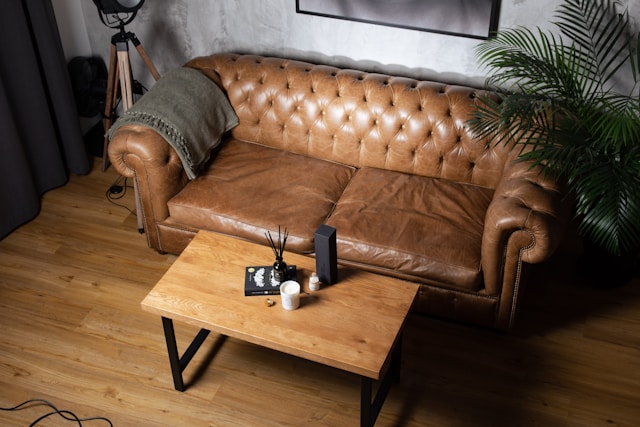
Styling a Modern Leather Sofa – Colors, Layouts & Looks
Choosing the Right Color, Size & Silhouette
Think about the mood you want before you pick a leather sofa. Classic browns, caramel, and cognac feel warm and timeless; black leather sofas read sleek and urban; cream or white leather sofas work in bright, airy rooms if you’re comfortable with a little more care. In a compact apartment, a 2-seater modern leather sofa with slim arms keeps walking space open. Larger living rooms suit a leather sectional sofa or chaise configuration that defines a lounge zone. Imagine a rainy Sunday where you sink into a cognac luxury sofa, feet up on the ottoman, with everything else in the room kept simple and calm around it.
Styling Ideas for Different Spaces
In small apartments, choose a slim-armed modern leather sofa on higher legs and pair it with a light rug so the floor feels open. For family rooms, deeper seats and rounded corners are kinder to kids, and tan or caramel tones hide small scuffs better than bright white. Luxury lounge or media spaces can handle bolder silhouettes, like a low, wide leather reclining sofa in espresso with dramatic lighting. If you’re unsure how to style one hero piece, Povison’s color-and-layout articles, like the 2026 Best Leather Sofas roundup, are great visual references when you plan your room.
How to Choose the Right Leather Sofa for Your Lifestyle & Budget
Start with how you actually live, not just how the sofa looks on a mood board. If you host often or have kids and pets, a top-grain leather sectional or leather sofa set in a medium tone (camel, taupe, or chocolate) offers forgiving color and flexible seating. If you’re furnishing a studio or office, a compact genuine leather sofa or leather sleeper sofa adds hidden guest capacity. The global leather sofa market is projected to grow from USD 9.4 billion in 2023 to USD 14.0 billion by 2033, showing how many households are investing in long-term leather comfort. (Market.us, 2024) When you narrow your shortlist, compare frame materials, leather type, comfort, and warranty—not just the promo price.
Conclusion: A Luxury Sofa That Actually Fits Real Life
A leather sofa doesn’t have to be precious or high-maintenance. With the right leather type, a solid frame, and a simple care routine, it can handle snacks, pets, and long work-from-sofa days while still looking like a luxury sofa. In one city apartment makeover, swapping a tired fabric couch for a clean-lined modern leather sofa instantly made the room feel bigger, calmer, and more “finished,” even though nothing else changed. When your sofa is both beautiful and easy to live with, the whole room becomes Ready To Live In.
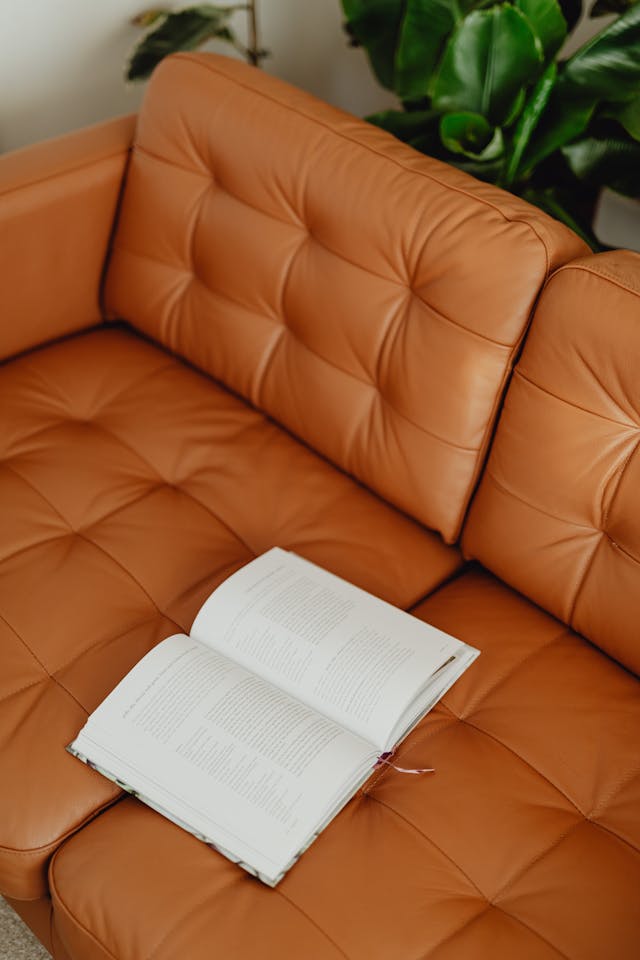
FAQ – Quick Answers About Leather Sofas
Is a leather sofa worth it compared to a fabric sofa?
If you want longevity and easier day-to-day care, yes. Leather resists wear, doesn’t pill, and sheds most spills instead of absorbing them. Fabric can be softer and cheaper upfront, but often needs more frequent deep cleaning and may show age faster. Think of a leather sofa as a long-term investment piece rather than a short-term bargain. For more nuance, see Povison’s detailed leather vs fabric sofa guide. (POVISON)
Are leather sofas OK if I have kids or pets?
They can be a great choice. Quality leather stands up well to everyday chaos, and small scuffs often blend into a natural patina. Choose top-grain or full-grain leather, avoid very sharp pet claws on soft aniline finishes, and pick medium-tone colors rather than bright white. Many families prefer leather because it’s easier to wipe snack spills and doesn’t trap crumbs and pet hair the way some fabrics do.
Do leather sofas feel sticky in summer or cold in winter?
Leather adjusts to your body temperature quickly, so any “cold” or “sticky” feeling is usually in the first seconds. In a normal home, temperature swings are mild. If you live somewhere very hot, use breathable throws during peak summer and avoid vinyl-like faux leather. In winter, a throw blanket and a warm drink make a leather sofa feel just as cozy as fabric, without the lint and dust.
How often should I condition a genuine leather sofa?
Most modern finishes don’t need heavy conditioning every month. As a rule of thumb, gentle cleaning as needed plus conditioning once or twice a year is enough, unless the manufacturer says otherwise. Over-conditioning can clog the surface. Focus more on preventing extreme dryness and sun exposure, then use a leather-safe conditioner when the surface starts to look a bit dull or thirsty rather than on a fixed calendar.
Which color leather sofa is easiest to maintain?
Mid-tone colors are the most forgiving. Tan, caramel, taupe, and classic brown leather sofas hide small scuffs and everyday dust better than bright white, cream, or jet black. Very light colors show denim transfer; very dark ones show lint and pet hair. If you love pale shades, balance them with darker throws or cushions to take the brunt of day-to-day wear.
Can I repair scratches or worn spots at home, or do I need a professional?
Light surface scratches often soften if you gently massage the area with clean fingers or a tiny amount of leather cream. For deeper cuts, color loss, or cat-claw clusters, a professional repair kit or leather specialist will give better, more even results. If your leather sofa is high-end or sentimental, it’s worth calling a pro rather than experimenting with random DIY videos that could make the damage more visible.


[…] Leather Sofas: Luxury, Durability & Easy Care Leather vs Fabric Sofa: Which Lasts Longer & Fits Your Lifestyle? Best Genuine Leather Sofas: How to Spot Real Quality Hides and Avoid Fakes 3-Seater Leather Sofas Picks: Perfect Balance of Size, Seating and Style Share on FacebookTweetSave […]