 By Charles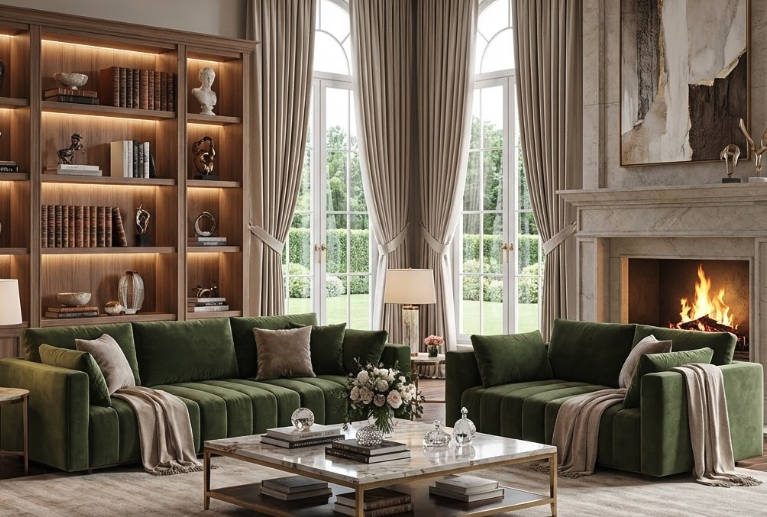
If you’re trying to figure out the best sofa colors 2026 without ending up with a high-maintenance diva couch, you’re in the right place. You want something that looks pulled-together on a Tuesday night, still hides last weekend’s movie crumbs, and doesn’t panic every time your dog shakes off outside dirt. Let’s walk through the colors that actually work for busy homes like yours, kids, pets, coffee spills and all.
What Are the Top 5 Trending Sofa Colors for 2026?
In 2026, the sweet spot is warm, forgiving colors that look modern but still hide real-life chaos. The big shift: “neutrals” are softer and earthier, not cold gray-on-gray. You’ll see more greens, browns, and clay tones that play nicely with the rest of your stuff instead of bossing the room around.
According to Living Etc’s sofa trends report and Archiproducts’ industry analysis, designers are embracing warmer, more organic palettes that prioritize livability alongside aesthetics.

Here are the five sofa colors you’ll see everywhere in 2026 that actually work for busy homes:
A modern sofa color works for your lifestyle when it hides daily mess, pairs with what you already own, and doesn’t make every stray hair or smudge scream for attention. These five shades balance trend and practicality so you’re not replacing your sofa the second your kids discover markers.
- Soft earthy green (think olive/sage)
- Warm terracotta (muted clay, not bright orange)
- Cozy greige (warm gray-beige blend)
- Rich caramel or cognac brown
- Soft mushroom taupe
Is Earthy Green the New Neutral for Busy Families?
Earthy green is quietly becoming the new neutral because it hides more than you’d expect and instantly makes your living room feel calmer. You can treat olive or sage almost like beige, just more interesting and way more forgiving with daily mess.
You’ll like an earthy green sofa if:
Picking an earthy green works when you want something that doesn’t look like everyone else’s gray sofa but still goes with your existing rug, wood tones, and plants. It softens the room and doesn’t show every little scuff the way flat beige can.
- You have plants or wood furniture already
- Your walls are white, cream, or light gray
- You need a color that hides everyday dust and light pet fur
Aim for muted greens (olive, sage, moss) rather than bright emerald. On fabric, deep true green can read very dark at night, while olive still looks cozy in low light and doesn’t scream “statement piece.”
Want this trending look without the hex-key headache? This Retro Green Chenille Sofa nails the warm 2026 aesthetic and arrives 100% Fully Assembled—so you can unbox and relax instantly.

Why Warm Terracotta Hides Pet Hair Better?
Warm terracotta is having a moment because it looks stylish and does shockingly well with pet hair and daily wear. On fabric, this clay color blends light and dark fibers, so you don’t see every single strand the way you do on navy or black.
Terracotta works in real life when your pets shed a mix of light and darker fur and you don’t want to vacuum every time someone comes over. The slight variation in the warm color helps disguise lint, crumbs, and minor scuffs. It also works especially well with cream pillows, black metal accents, jute rugs, and wood coffee tables, which help the sofa color feel grounded instead of isolated.
It’s especially smart if:
- You have medium or dark-haired pets
- You like warm wood, jute rugs, or boho accents
- You want color that still feels “grown-up”
Look for muted terracotta or “clay” rather than bright orange. In person, it reads like a warm neutral and looks great with cream pillows and black metal accents.
Which 3 Neutral Tones Survived My Coffee Stain Test?
If you drink coffee on the sofa (you do), your “neutral” needs to survive real spills, not just look good in a catalog. I tested three popular 2026 neutrals with a cooled coffee drip on performance fabric and standard fabric, wiping after 5 minutes to mimic a normal “whoops” moment.
The best neutrals are the ones that hide minor stains even when you don’t catch them instantly. Mid-tone shades with a tiny bit of warmth and texture are your friend because they don’t spotlight every drip, smudge, or footprint.
The three neutrals that did best:
- Greige (warm gray-beige)
- Mushroom (soft gray-brown)
- Warm beige (with a hint of caramel)
All three handled coffee better than stark white or very pale gray, especially in performance fabric.
Performance Fabric vs. Standard Cotton Results
In the coffee test, performance fabric beat standard cotton by a mile. On performance upholstery, 90–95% of the stain lifted with a damp cloth and a tiny bit of dish soap. On regular cotton, a visible ring remained on every light shade.
Performance fabric helps you when you can’t jump up to clean every spill immediately. The fibers are designed to resist absorption, so mess sits on top longer instead of soaking in.
Prefer a light neutral without making everyday care more difficult? The Aurora Power Sofa Bed in Creamy White Chenille uses water- and scratch-resistant performance chenille, making its creamy white finish more practical for homes with pets, children, and frequent daily use. Its powered seat also extends for deeper lounging or overnight use while preserving the room’s soft neutral palette.
Choose performance fabric if:
- Your sofa is the family hub (snacks, assignments, Netflix)
- You have kids under 10 or messy hobbies
- You want your sofa to last 7–10 years, not 3
Is Stain-Resistant Coating Worth the Extra $200?
For most busy households, yes, that extra coating is worth the $150–$200 upcharge. Over a few years, that’s often the difference between replacing cushions and just wiping them.
The coating is worth it when you factor in how often life happens on your sofa: weekend pizza, sick days, pets on rainy afternoons. If it saves you even one pro cleaning (often $150+ for a large sofa), it’s already paid for itself.
It makes the biggest difference on:
- Light or mid-tone neutrals (greige, mushroom, warm beige)
- Families who eat on the sofa regularly
- Homes with pets who are “not allowed” on the sofa… but absolutely are
How Should You Match Sofa Color to Room Lighting?

The same sofa color can look completely different in your home than it did online. Your room’s light, direction, time of day, and bulbs, changes how warm, cool, or dark a color reads.
You’ll get the best result when you choose sofa colors that balance your room’s natural light: cooler rooms benefit from warmer tones, and sunnier rooms can handle deeper or cooler shades without feeling gloomy or washed out.
Selecting Colors for North-Facing Rooms
North-facing rooms usually get cooler, softer light all day, which can make cool grays look flat and a bit sad. In these rooms, your best sofa colors for 2026 are the warm ones that cozy things up.
Good choices for north light:
- Warm greige instead of blue-gray
- Terracotta, caramel, or cognac brown
- Earthy olive or sage green
Avoid very cool light gray or stark white: they can look dingy. If you love gray, aim for a warm greige rated as “warm” or “neutral” on the swatch, not “cool.”
Selecting Colors for South-Facing Rooms
South-facing rooms get the most sunlight and can make some colors look brighter than you expected. Here, you can safely go a bit deeper or cooler without the room feeling like a cave.
In bright rooms, you can handle:
- Deeper earthy greens
- Mushroom taupe and mid-tone browns
- Slightly cooler neutrals like stone or pewter
If your south-facing room is already warm (wood floors, warm white walls), balance it with a slightly cooler neutral (mushroom, stone) or a grounded green so it doesn’t feel overly yellow.
Why Should Parents Avoid These 2 Popular Shades?
Some colors look amazing on Pinterest but are quietly waiting to ruin your Saturday. Two of the trickiest for busy homes in 2026: pure white and dark navy velvet. They’re beautiful. They’re also high-maintenance roommates.
You’ll save yourself a lot of stress if you treat these like “look, don’t touch” options unless your household is very low-mess, or you truly enjoy constant upkeep.

The Hidden Maintenance Cost of Pure White
A pure white sofa will show everything: coffee drips, denim transfer, dog paws, even the shadow of a crumb. You’ll be washing, blotting, or steaming something almost every week.
White can work if you:
- Live a shoes-off, food-at-the-table lifestyle
- Have removable, washable slipcovers (and time to wash them)
- Don’t have young kids or pets on the sofa
For most families, a soft cream, ivory, or very light greige gives you the airy look with less panic. Slight warmth in the color hides more and feels gentler in real rooms.
Who Should NOT Buy Dark Navy Velvet?
Dark navy velvet looks rich and dramatic, but it’s a lint and pet-hair magnet. Every light hair, dust speck, and crumb pops on that deep, smooth surface.
Skip dark navy velvet if you:
- Have light-colored pets (golden retrievers, white cats)
- Don’t want to lint roll cushions several times a week
- Prefer a low-maintenance, wipe-and-go life
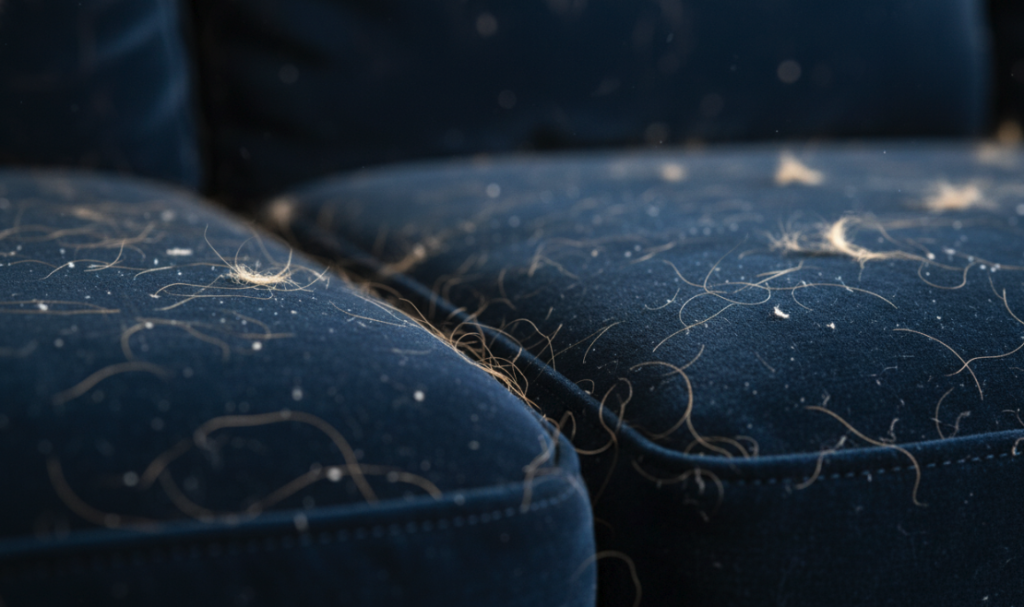
If you love the look, consider a textured weave in navy instead of velvet, or choose a mid-tone blue-gray that hides more and feels softer in daytime light.
Does Color Choice Impact Your Sofa’s Resale Value?
If you like to upgrade every few years, your sofa color can absolutely help or hurt resale. Buyers hunting on Facebook Marketplace or local apps usually scroll past loud, very specific colors and stop on familiar, easy-to-style shades.
You’ll get the most interest, and better offers, when your sofa is a current but flexible neutral that fits into many styles: modern, farmhouse, or somewhere in the middle.
Comparing Resale Prices: Grey vs. Bold Prints
On secondhand sites, classic neutral sofas tend to sell 20–30% faster than bold patterned ones, and often at a higher percentage of their original price.
Here’s how typical 3–5 year old sofas stack up:
When you choose a neutral like greige, mushroom, or olive, more buyers can picture it in their living room. Bold prints and super-trendy colors narrow your audience and usually push your price down.
| Sofa Color/Pattern | Original Price | Typical Resale | Notes |
| Light greige | $1,200 | $500–$650 | Sells quickly, easy to style |
| Mushroom taupe | $1,100 | $450–$600 | Holds value, hides wear |
| Bold floral print | $1,000 | $250–$350 | Needs very specific buyer |
| Bright teal | $900 | $200–$300 | Trendy but limited appeal |
If resale matters to you, stick with a versatile neutral base and add personality through pillows and throws. You get the fun color now and the easier resale later.
Ready to upgrade your living room before 2026? Shop our In-Stock Sofa Collection. Get the high-end designer look that holds its value, without the 3-month shipping wait.
Frequently Asked Questions About the Best Sofa Colors for 2026
What are the best sofa colors for 2026 for a busy family home?
The best sofa colors for 2026 in real-life family homes are soft earthy green (olive or sage), warm terracotta, cozy greige, rich caramel or cognac brown, and soft mushroom taupe. These mid-tone, warm shades hide crumbs, pet hair, and light stains better than stark white or very pale gray.
Is earthy green really a neutral sofa color in 2026?
Yes. In 2026, muted earthy greens like olive, sage, and moss work almost like a neutral. They pair easily with white, cream, light gray walls, wood furniture, and plants, while hiding everyday dust and light pet fur better than flat beige or cool gray.
Which 2026 neutral sofa colors hide coffee stains the best?
From the top neutrals tested, greige, mushroom, and warm beige performed best against coffee stains, especially in performance fabric. Their mid-tone depth and slight warmth help disguise minor marks and rings far better than stark white or very light gray cotton upholstery.
Are stain-resistant coatings and performance fabrics worth it for trendy 2026 sofa colors?
For most busy households, yes. Performance fabrics let 90–95% of spills lift with mild soap and water, and stain-resistant coatings often prevent rings on light and mid-tone neutrals. Over several years, they can easily offset the cost of at least one professional cleaning or early replacement.
What sofa colors should parents avoid in 2026, even if they look stylish online?
Parents should be careful with pure white and dark navy velvet. Pure white shows every drip, paw print, and denim rub, demanding constant cleaning. Dark navy velvet highlights lint and pet hair, especially from light-colored animals, and often needs frequent lint-rolling to look presentable.
Past Review:


