 By Stephanie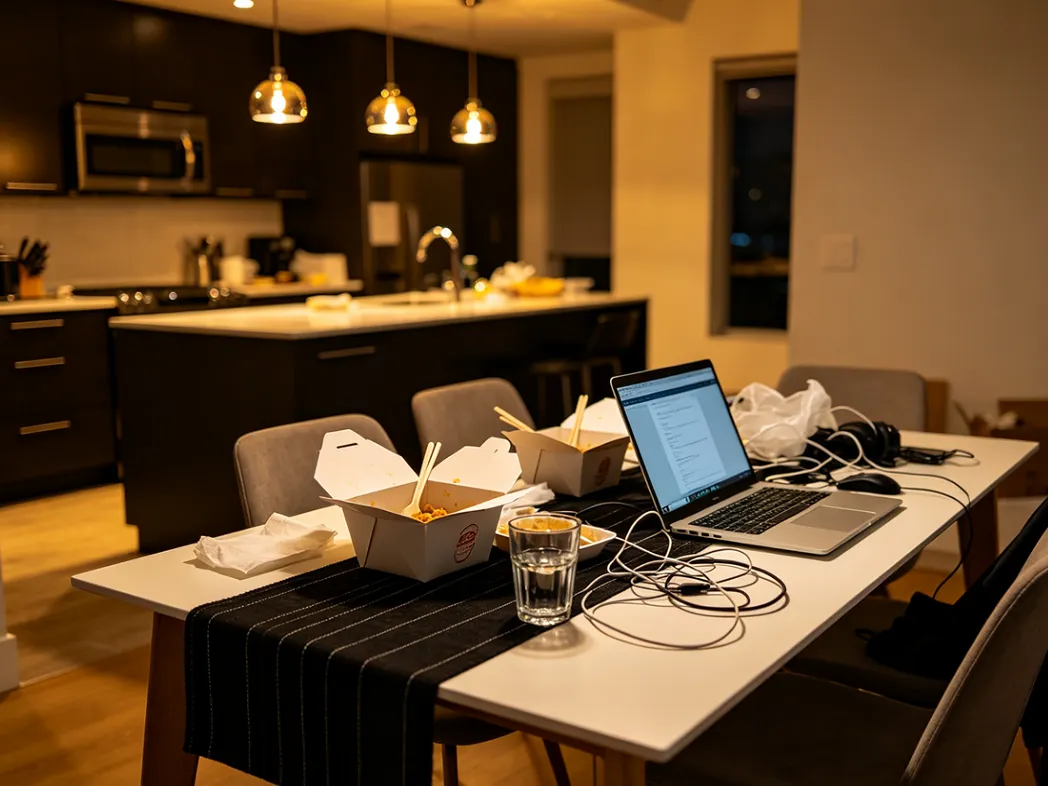
Introduction
A white dining table gives a room light and breathing space, but it can also leave the center of the room feeling unfinished. A table runner on white table works best when it brings in just enough warmth, contrast, or texture without turning dinner into a clearing task. The best choice depends on the colors already in the room, the shape and length of the table, and what happens there in a normal week. Use the runner to create a calm center—not to cover a surface you chose because you love it.
Table of Contents
What Color Table Runner Looks Best on a White Table?
White is a neutral backdrop, not a color instruction. Use the runner to connect the table with the furniture and finishes around it. Start with the pieces that stay in place, then choose a color and fabric that make the dining area feel settled.
Read the Room Before You Choose a Color
Look first at the table base, chairs, pendant, and floor. A white table with black or bronze legs needs a runner with enough depth to acknowledge the base. A white table with oak chairs often looks better with a warmer, quieter fabric.
Use this order:
- Pull a color from the table base or chair frame.
- Decide whether the room reads warm, cool, or mixed.
- Choose a runner that is softer or deeper than that color.
- Keep the tabletop as the lightest major surface.
Charcoal, soft black, and deep olive give white stone a modern outline. Oatmeal, flax, tobacco, and muted terracotta bridge a bright tabletop with warm wood. In rooms with colorful art or upholstered chairs, repeat a secondary color in a washed-out tone rather than adding another bright one.
Make White-on-White Feel Deliberate
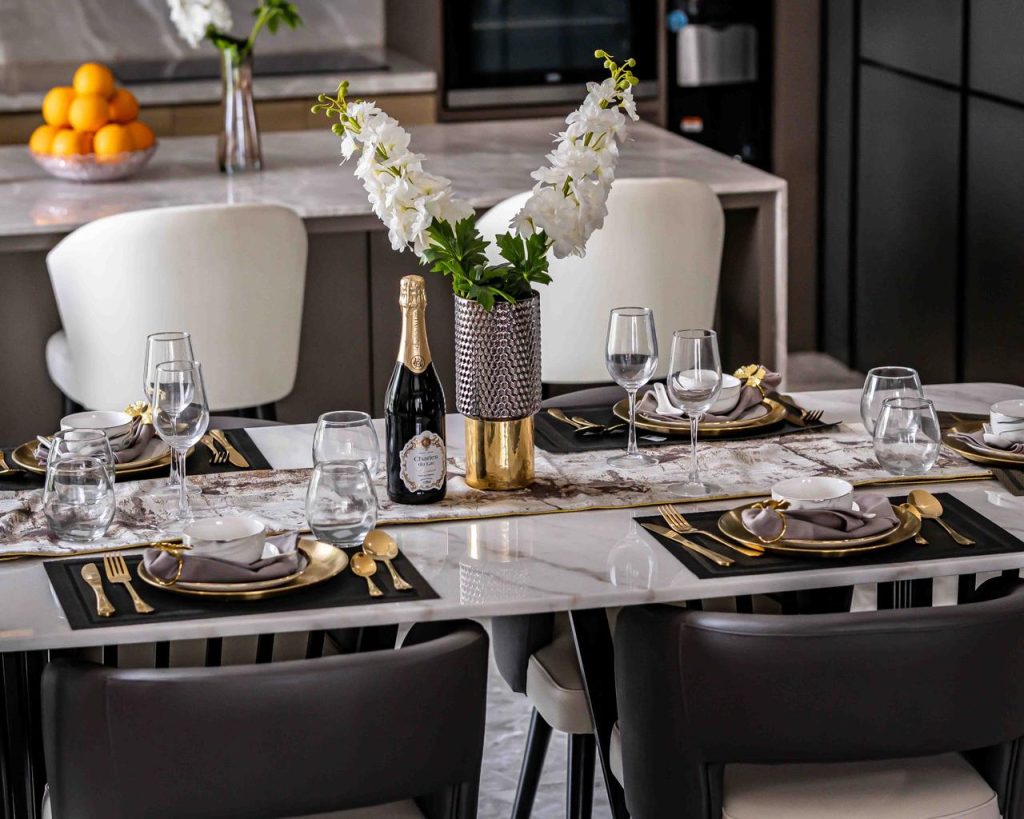
A white runner works on a white table only when the surfaces feel different. Choose slub linen, a woven grid, fine stripe, raised stitching, or soft fringe. Then add one grounding element, such as a walnut tray, smoked-glass vase, or dark napkin.
| Your dining setup | Runner choice | Avoid |
| White top + black or bronze base | Charcoal, soft black, deep olive | Shiny fabric |
| White top + oak or walnut chairs | Oatmeal linen, flax, muted terracotta | Cold blue-gray |
| All-white dining room | Textured cream, tonal stripe, woven neutral | Smooth plain white |
| White table + colorful chairs | A softened secondary room color | A new bold color |
Avoid stacking smooth white fabric, white plates, white candles, and a white vase. A white room needs one visual anchor.
Use the Set–Serve–Reset Rule for a White Table
A runner has different jobs at different hours. It can make a white table feel finished between meals, stay in place for a simple dinner, or come off when the center needs to carry serving dishes. Treat those moments as a repeatable routine instead of trying to preserve one permanent look.
Set a Quiet Between-Meal Look
Use a short runner only during the hours when the table is visible but not actively working. It gives the white surface a softer focal line from the kitchen or living area, while leaving the table easy to clear before breakfast, emails, or homework begin.
Serve by Meal Type
For plated meals, a narrow runner can remain as a background layer. For a shared meal with serving dishes, decide before food comes out: remove the runner if it competes for the center, or leave it in place only if it stays visually quiet. Do not rearrange the meal to protect the styling.
Reset for the Next Use
After the table has been wiped down, either return the runner or leave the surface bare for the next task. The decision should take seconds. That is what makes the system useful: the dining table can move from dinner to work, then back to a settled room without a full restyle.
For anyone learning how to style a table runner, this approach is more useful than treating the runner as permanent decor. It gives the table a finished look when it is on display, while keeping the surface ready for whatever the day requires.
Choose Runner Size and Direction for the Way You Eat
Once you know when the runner stays and when it comes off, choosing the right size is more straightforward. Buy for the table’s ordinary mode, not its largest possible meal. The measurements below separate a compact weekday layout from a fuller setup for guests.
For everyday styling, choose a short runner that stays within the center portion of the tabletop and has no overhang. For hosting, choose a full-length runner that extends about 6–10 inches beyond each end. In most cases, the runner should be close to one-third of the table width. On a narrow table, choose a slimmer runner rather than reducing the space available for place settings.
| Table Length | Short Runner for Daily Use | Full-Length Runner for Hosting |
| 63 inches | 36–48 inches | 75–84 inches |
| 71 inches | 42–54 inches | 84–96 inches |
| 79 inches | 48–60 inches | 96–108 inches |
| 94 inches | 54–72 inches | 108–120 inches |
For a rectangular table, the runner should follow the table’s length rather than create a separate visual shape in the middle. On a 63-inch table, that usually means choosing a 36–48-inch runner for weekday styling or a 75–84-inch runner when the table is set for guests. The Hobart-Rectangular Sintered Stone Dining Table offers a useful reference point: its 63-inch matte white sintered-stone top and bronze-finish stainless-steel base create a clean linear surface where a runner can add warmth without covering the table’s material character.
On a small round table, use a short center strip only when it adds something the table needs; otherwise, the bare surface may look cleaner. Oval tables work best with a narrow runner that follows the longer line without crowding the curved edges.
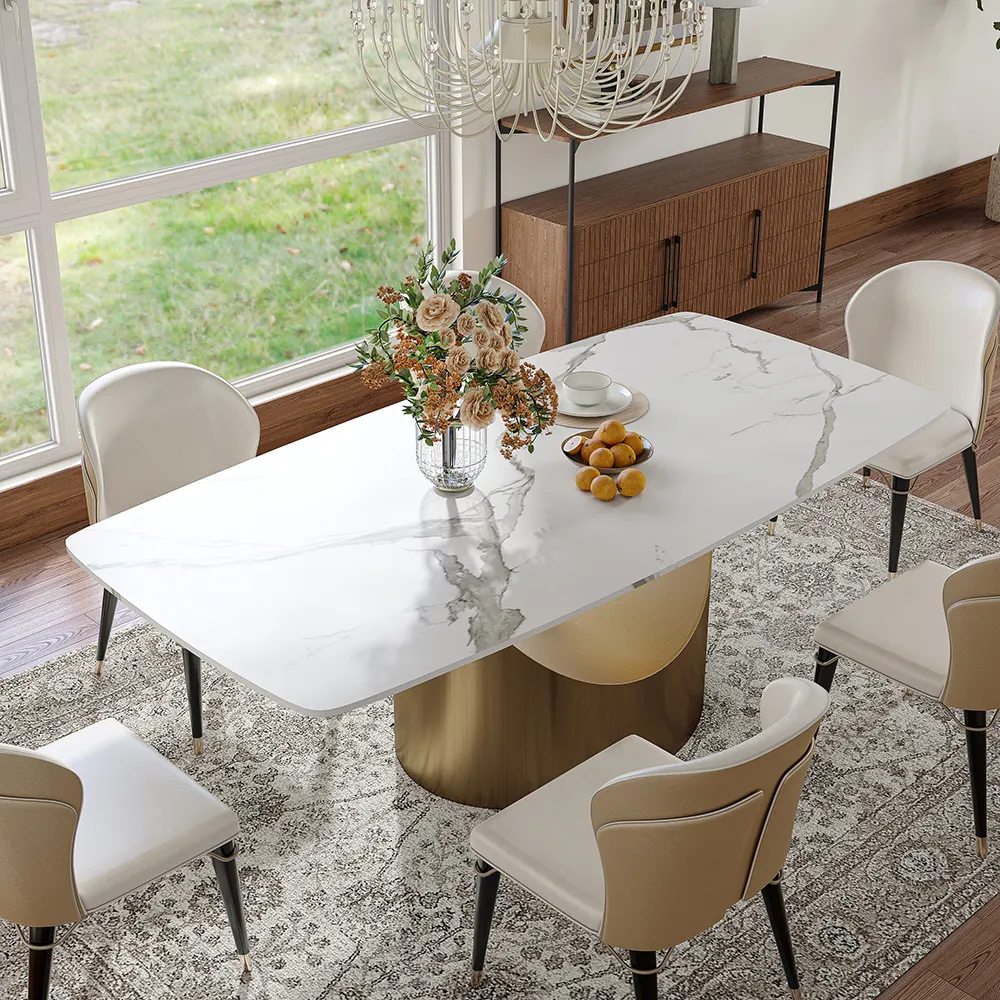
Table Runner Ideas for Different White Dining Table Setups
Once color, length, and the daily routine are clear, the runner can respond to the furniture already in the room. These table runner ideas are not separate themes to copy. They are practical combinations that show how a white table can feel connected to its chairs, base, lighting, or neighboring kitchen.
White Table With Wood Chairs
A white table with oak, walnut, or light wooden chairs usually needs warmth rather than more contrast. Choose oatmeal, flax, soft tobacco, or natural linen with visible texture. These shades connect a bright surface to the wood without competing with the grain.
Keep the rest of the table restrained. The chairs already supply warmth, so a low-contrast runner is enough to make weekday meals feel composed. Avoid bold prints that can make pale tabletops and warm wood frames look disconnected.
White Stone Table With a Dark Base
A white stone table with black, bronze, or dark metal legs benefits from a runner that repeats the structure below the top. Charcoal linen, washed black cotton, and deep olive create a strong center line without turning the room into a rigid black-and-white scheme.
Choose a matte fabric rather than anything glossy or metallic. The contrast should come from depth of color, not shine. This direction works especially well when a pendant or dining chairs already include darker metal details.
All-White Dining Room
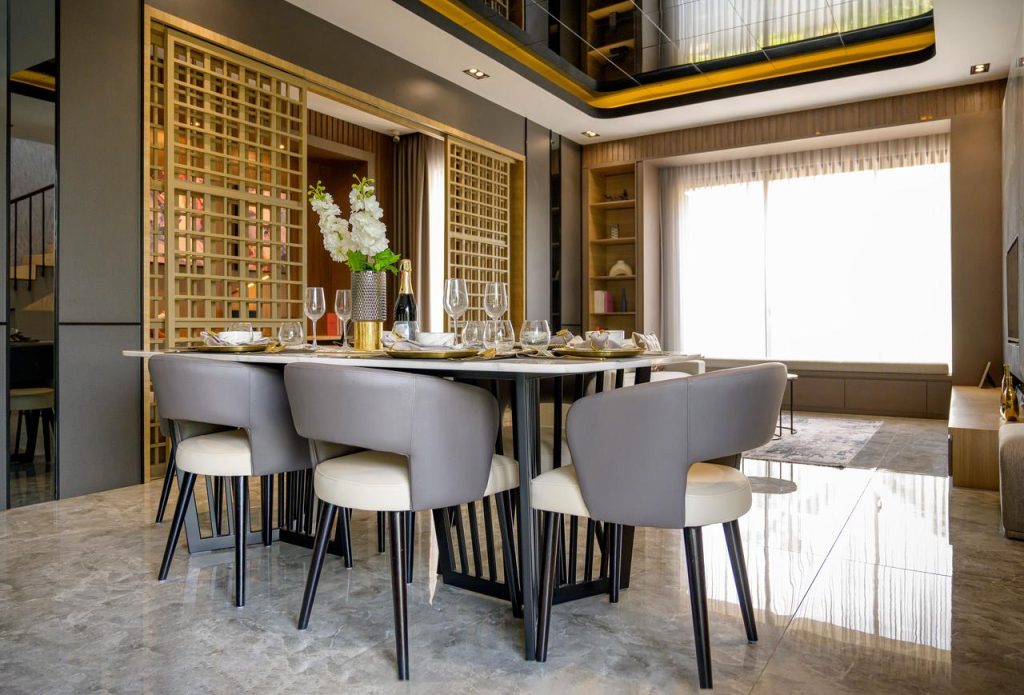
In an all-white dining room, decide first where the eye should land. When a sculptural pendant or ceiling detail already draws attention above the table, choose a low-contrast runner and let it stay quiet. A tonal stripe or lightly woven ecru works best when its pattern is visible mainly up close.
If the room has minimal overhead detail, the runner can carry slightly more visual weight. A narrow charcoal pinstripe or natural-fiber edge can define the table without breaking the calm of the space. The goal is not to add contrast everywhere. It is to give the room one intentional place for the eye to rest.
White Table in an Open-Plan Kitchen
A white dining table in an open-plan kitchen is visible from more than one room, so the runner should connect the space rather than dominate it. Pull its color from bar stools, cabinet hardware, island seating, or nearby upholstery. Keep the pattern low-contrast, especially when the kitchen already has strong stone, tile, or cabinetry details.
Use a short runner during the week, so the table stays visually light from every angle. Bring out a full-length runner only when the table becomes the main dining surface for guests. This keeps the dining area from feeling like a separate stage inside a larger shared room.
When to Leave a White Dining Table Bare
Use a simple two-question test before adding fabric: Is the tabletop itself the room’s strongest visual material? And will the table need its full working surface within the next day? If the answer to either question is yes, leave it bare.
A boldly veined marble-look top or high-contrast sintered-stone pattern already brings movement to the room. Adding a patterned runner can make the center feel crowded rather than layered. The same applies when the table is about to hold laptops, schoolwork, craft supplies, or a large family-style meal.
Leaving the table uncovered is not a missed styling opportunity. It is often the clearest choice when the surface is beautiful on its own or when the room needs the table to work harder than usual.
Conclusion
A table runner on a white table works best when it adapts to the way the table is used. Start with the colors and materials already established in the room, then choose a runner length for the table’s normal weekday mode. Let it stay during a simple meal, remove it when shared dishes need the center, and bring it back when the table returns to view. That flexible approach keeps a white dining table polished without making it feel precious or difficult to use.
FAQs
Should a Table Runner Match the Placemats?
No. The two layers should coordinate, not duplicate each other. Pair a patterned or textured runner with solid placemats, or use a simple runner with lightly woven placemats. Let one layer carry most of the visual interest so the place setting stays calm.
How Do You Stop a Runner From Sliding on a Glossy White Table?
Place a thin, washable non-slip shelf liner beneath the runner, cut slightly smaller than the fabric. A runner with cotton or linen backing also helps. Avoid adhesives or tape, which can leave residue and make cleaning the table harder.
What Runner Material Is Easiest to Wash for Daily Meals?
Cotton, cotton-linen blends, and pre-washed linen are practical choices. They are soft enough for a relaxed table, sturdy enough for regular laundering, and forgiving when they are not perfectly pressed. Avoid long fringe, loose beading, or delicate embroidery for frequent use.
Can Hot Serving Dishes Go Directly on a Table Runner?
No. Use a heat-safe trivet under hot pans, casserole dishes, and serving bowls. The trivet protects the fabric from scorching and keeps heat away from the tabletop. It also gives the serving dish a defined place instead of turning the runner into a catchall.


