 By Kelvin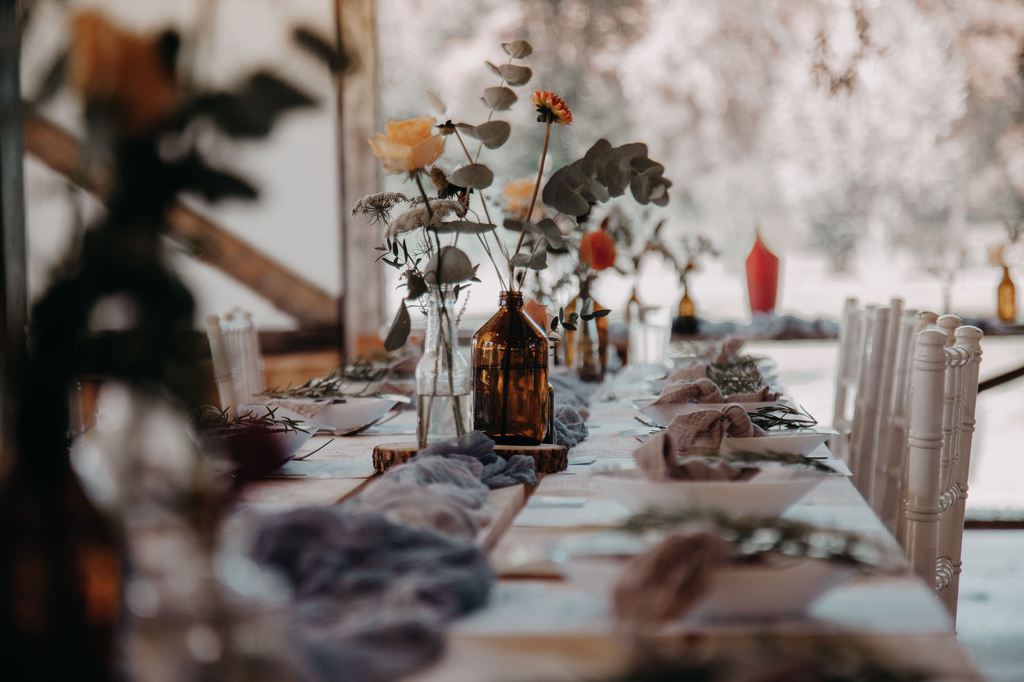
Introduction
A few well-placed flowers can make a room feel cared for without turning every surface into a display. The most useful flower decoration ideas begin with where people eat, set down a drink, open the mail, or gather at the end of the day. This guide focuses on arrangements that suit real dining tables, coffee tables, consoles, and shelves, with practical size rules and styling choices that keep each surface useful. You do not need a florist’s budget or a new bouquet every week to make the effect feel intentional.
Table of Contents
What Makes Flower Decoration Ideas Work in a Real Home?
The best flower arrangements do two jobs: they create a focal point and protect the surface’s real purpose. A tall bouquet may look striking in a photo, but it is rarely the right answer for a dining table used for dinner, homework, or coffee. A small arrangement can look just as considered when its scale matches the furniture around it.
Use this simple rule before buying flowers or a vase:
- Choose one visual role: a centerpiece, a tall accent, or a small finishing detail.
- Leave one usable zone on the table for drinks, serving dishes, keys, or remotes.
- Match the arrangement’s visual weight to the furniture. A narrow side table needs a bud vase; a long sideboard can support fuller branches.
- Make frequently used arrangements easy to move as one group.
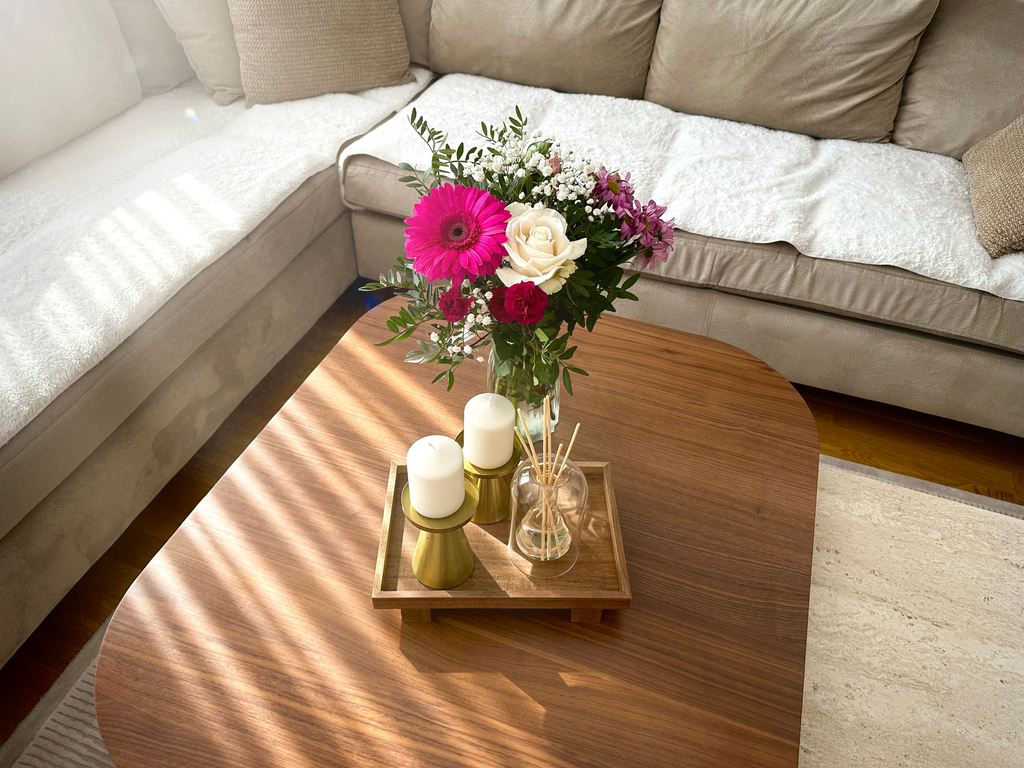
For example, a tray with two small vases and a candleholder can stay on a dining table during the week, then move to a sideboard when friends arrive for dinner. That approach gives the room a finished look without creating another thing to clear before every meal.
How Do You Choose Flowers for Each Furniture Surface?
Start with the function of the surface, not the bouquet you saw online. A dining table needs clear sightlines, a coffee table needs room for everyday items, and a console table can handle more height because people do not sit directly across from it. The right arrangement is the one that looks settled from the room’s main viewpoint while leaving enough space for life to happen.
| Furniture surface | Best flower setup | Practical size guide | Avoid |
| Dining table | Low vase, shallow bowl, or tray group | Keep most arrangements about 6–10 inches high | Tall stems that block conversation |
| Coffee table | Bud vase, short bouquet, or sculptural branch | Keep the arrangement low and leave a clear area for drinks | Covering the entire tabletop |
| Console table | One taller vase with branches or a fuller bouquet | Use height to connect the table with wall art or a mirror | Wide stems that spill into a walkway |
| Sideboard | Tall vase plus one lower object | Use a larger arrangement to fill a long wall | Several equal-height accessories |
| Shelf or nightstand | One small vase or single stem | Choose a narrow, stable vessel | Multiple tiny objects that look scattered |
Keep Dining Table Flowers Low and Easy to Move
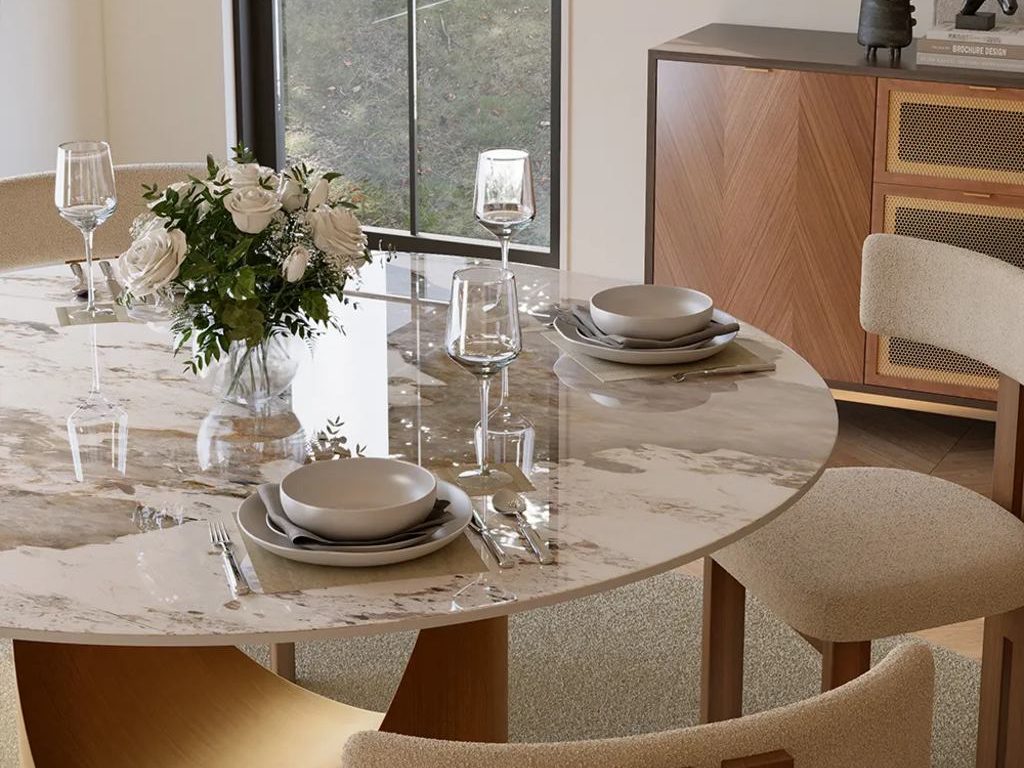
A dining table usually works best with a low arrangement that stays below eye level. One ceramic bowl of seasonal flowers, a small cluster of bud vases, or a tray with one vase and two candleholders can create a clear center without competing with plates and serving dishes.
The same principle shapes useful everyday dining table decor ideas: choose one focal point, keep it compact, and make it simple to lift away. For a table used every day, aim for a grouping that takes up no more than about one-third of the tabletop width.
Use Height on Consoles and Sideboards
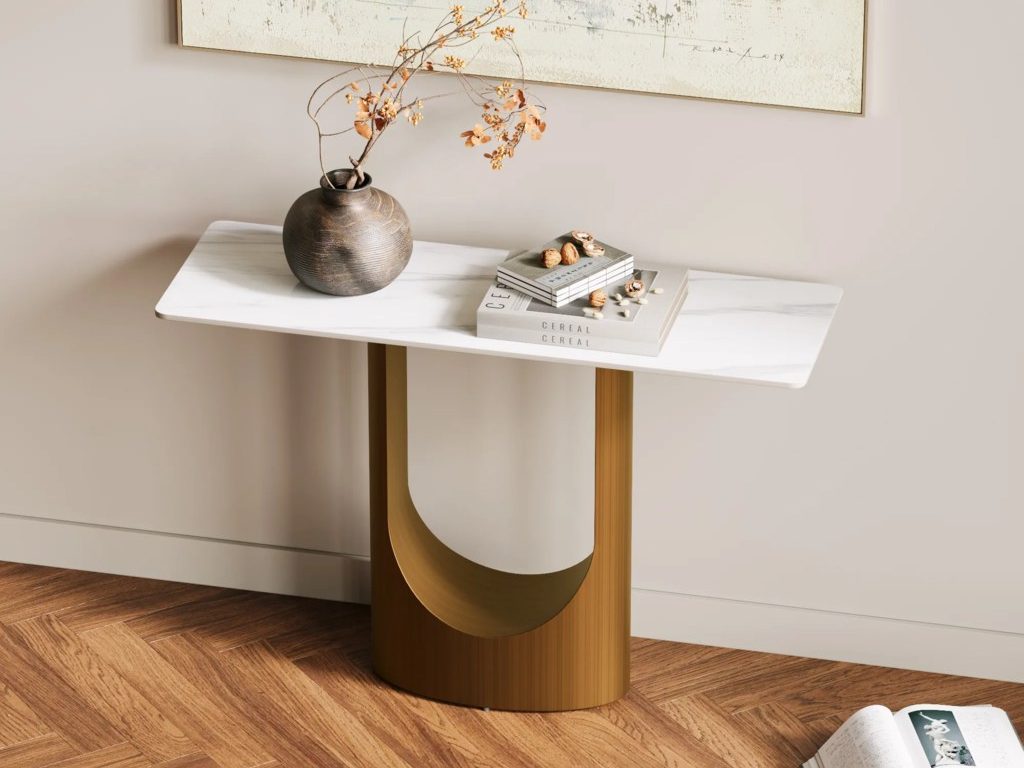
A console table, buffet cabinet, or sideboard gives you more freedom to use tall branches, fuller blooms, or a sculptural vase. These surfaces often sit against a wall, below a mirror, or near artwork, so an arrangement can help connect the furniture to the vertical space above it.
Keep the setup simple: one tall vase, one low functional object such as a tray or bowl, and enough open tabletop that the arrangement does not look crowded. The same structure appears in many console table decor ideas, where one clear anchor looks more composed than several small decorative pieces spread evenly across the surface.
How Can Flower Living Room Decor Stay Useful?
Good flower living room decor should soften the seating area without making the coffee table harder to use. The center table often holds drinks, remotes, books, snacks, and sometimes a laptop, so flowers need a defined zone rather than a takeover. Low arrangements work best when they add color and texture while keeping the room comfortable from every seat.
Build a Low Coffee Table Grouping
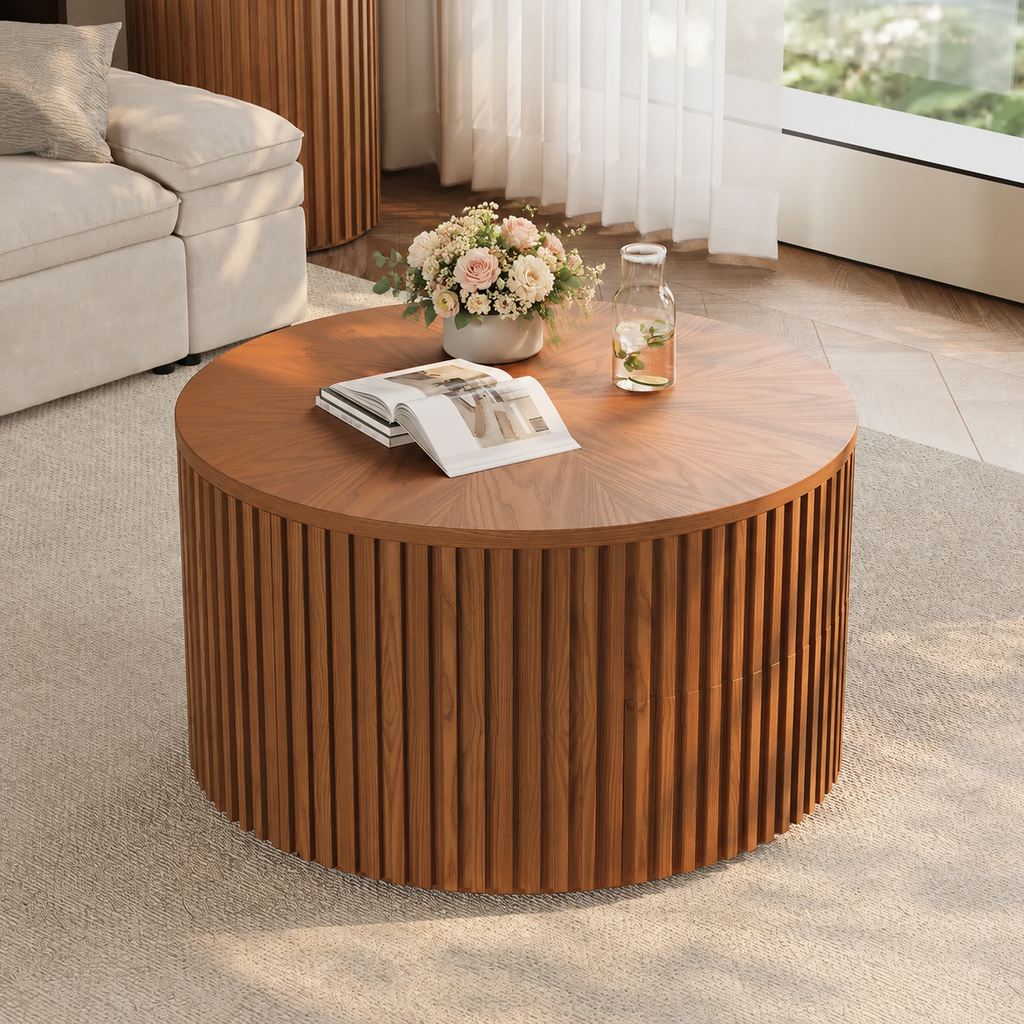
For most living rooms, use one low vase, a small branch arrangement, or a short bowl of flowers. Place it slightly off-center beside a stack of books or a tray instead of filling the middle of the table edge to edge. This keeps the tabletop from looking flat while still leaving enough clear surface for daily use.
A living room used for movie nights, casual meals, or work-from-the-sofa benefits from furniture that can reset quickly. The Silva 31.5” Lifting Top Round Coffee Table suits a compact seating area where flowers need a calm center but daily items cannot stay on display. Its lift-top design and concealed storage make it easier to clear remotes, chargers, and coasters before guests arrive.
Use Small Vases Near Seating, Not Only in the Center
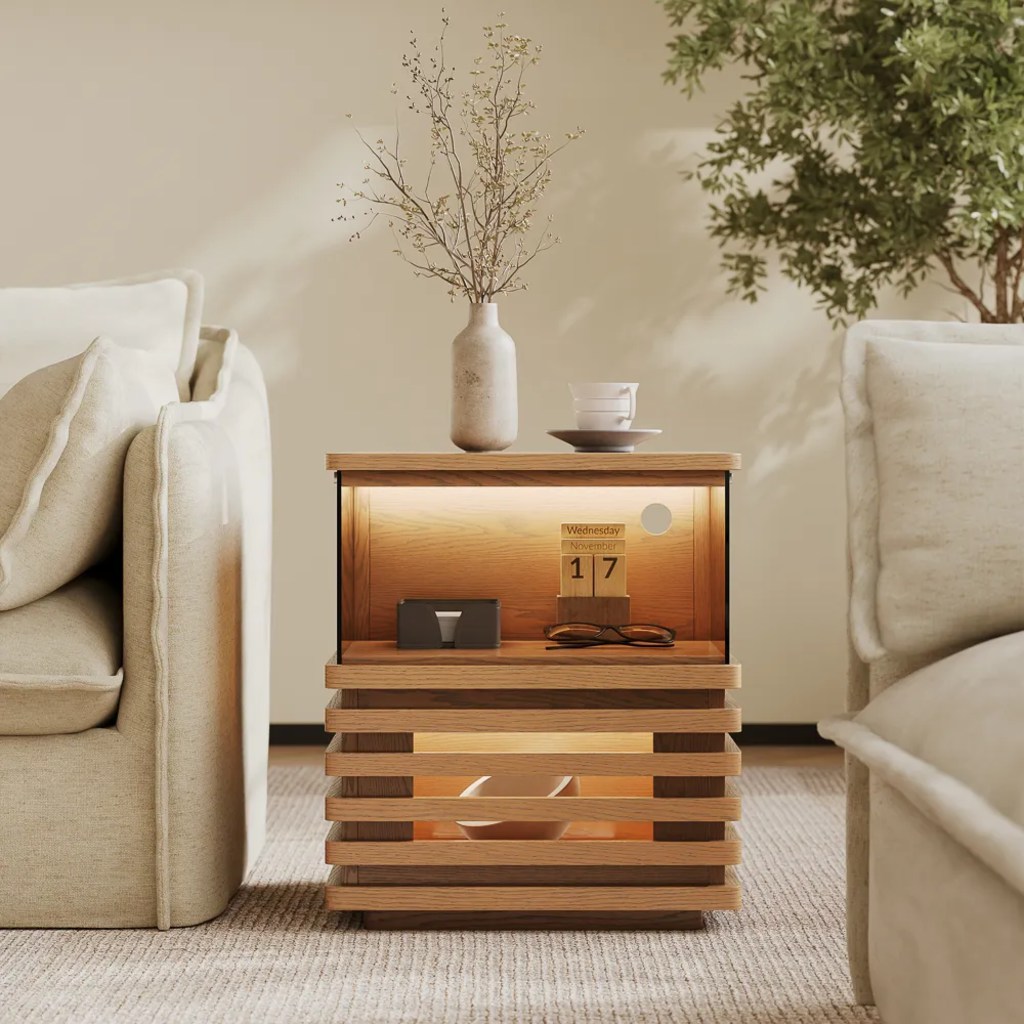
A small side table beside an accent chair can hold a single stem or a compact bud vase without adding clutter to the coffee table. This is especially useful in a reading corner or beside a window, where a small flower display can make the space feel more finished without becoming the room’s main focal point.
For living room flower decor, repeat one element from elsewhere in the room: the warm wood tone of the table, the color of a pillow, or the curve of a lamp. That connection matters more than using a large bouquet. A simple white flower in a dark ceramic vase can look intentional when it echoes the room’s other materials.
Which Flower Vase Decoration Ideas Fit Your Style?
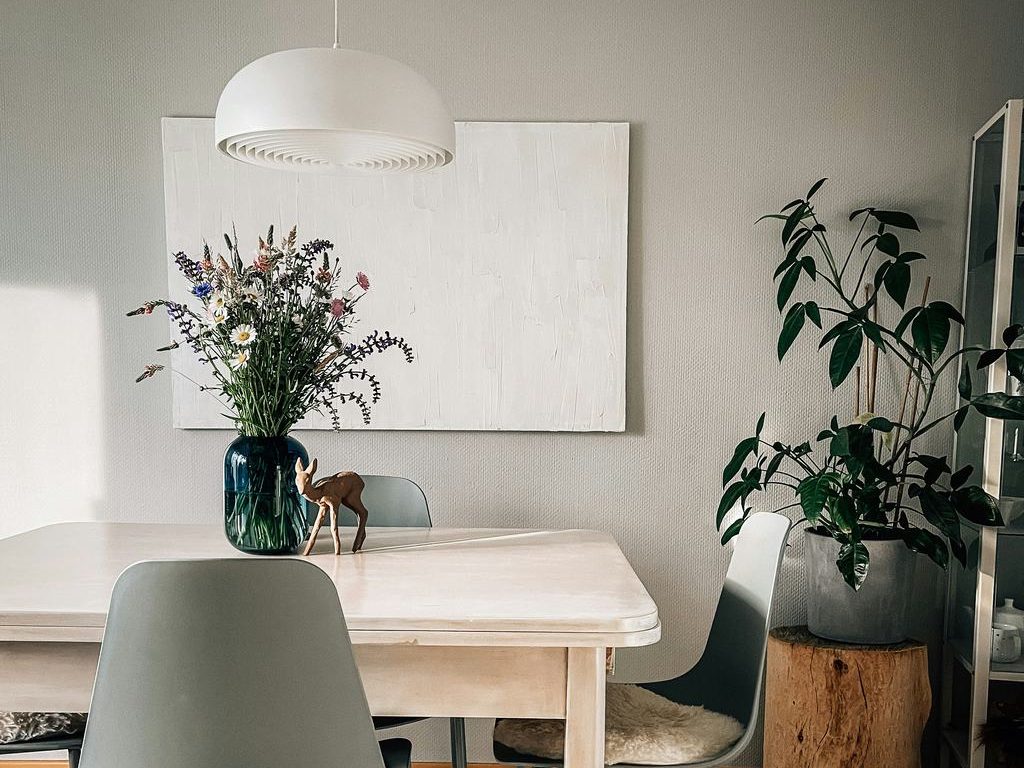
The vase often determines whether an arrangement feels connected to the room. Before choosing flower colors, look at the furniture’s material, the wall color, and the amount of visual movement already in the space. A vase should either blend with those elements or create one controlled contrast.
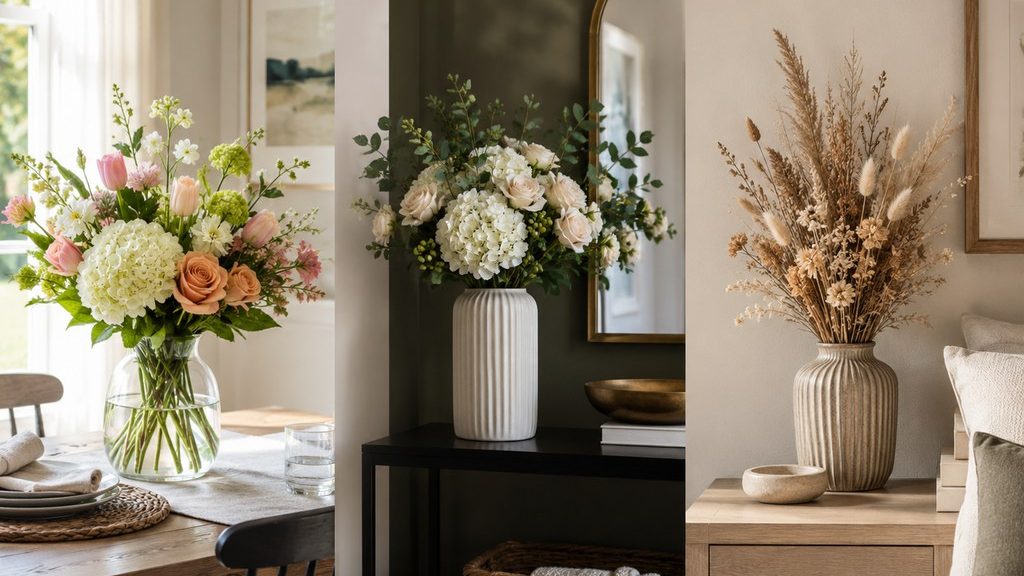
For warm minimalist rooms, choose matte ceramic, clear glass, or softly textured stoneware with white blooms, pale green branches, or a single type of flower. Keep the silhouette simple and leave visible space around it.
For organic modern spaces, use irregular ceramic vases, natural branches, dried stems, or loose arrangements with soft greens and muted flowers. These flower vase decoration ideas work especially well with wood coffee tables, linen upholstery, woven trays, and stone surfaces.
For mid-century modern rooms, try deeper glass, glazed ceramic, or more graphic vase shapes. Amber, rust, burgundy, or yellow flowers can work well when they repeat a small accent color from art, pillows, or a rug. Avoid matching every color exactly; one shared tone is usually enough.
When Should You Use Fresh, Faux, or Dried Flowers?
Fresh flowers work best when you want a seasonal update or are preparing the room for a weekend meal, gathering, or quiet reset. They bring movement and color, but they need water changes and regular trimming.
Faux flowers work well in darker corners, high shelves, or homes where fresh arrangements are unlikely to be maintained. Choose stems with natural variation in color and bend the branches slightly so they do not look too uniform.
Dried flowers are useful when you want texture without regular upkeep. They suit bedrooms, shelves, consoles, and rooms with natural wood or neutral fabrics. Keep them away from humid bathrooms and avoid using fragile dried stems near doors, busy walkways, or areas where children and pets may brush past them.
Conclusion
The most useful flower decoration ideas are not the largest or most complicated ones. They are the arrangements that suit the furniture underneath them, leave room for everyday routines, and help a space feel complete from the moment you walk in. Start with one surface that feels bare, decide whether it needs a low centerpiece or a taller focal point, and choose a vase that connects with the room’s materials. A small, well-placed arrangement often does more than a crowded tabletop ever could.
FAQ
What Should I Check Before Buying a Vase for Cut Flowers?
Check the opening width, interior depth, base stability, and whether the vessel is fully watertight. A narrow opening supports a small bunch of stems, while a wide opening needs more flowers or a stem support to avoid a sparse look. For everyday use, choose a vase that is easy to rinse and heavy enough not to tip when filled.
How Do I Keep Stems Upright in a Wide-Mouth Vase?
Use a reusable flower frog, a loose chicken-wire insert, or a clear tape grid across the opening. These supports keep stems at different angles instead of letting them fall outward. This method is especially useful for short, wide vases and grocery-store bouquets with uneven stem lengths.
What Flower Decorations Work Best Around Pets or Young Children?
Choose low, stable vessels with a wide base, and place them well back from edges where they cannot be pulled down easily. Clean up fallen petals and leaves promptly. Check every flower and greenery type before bringing it home, since safety can vary for cats, dogs, and young children.
Can I Put Flowers Near a TV, Air Vent, or Sunny Window?
Fresh flowers should not sit directly beside a heat vent, in strong afternoon sun, or next to electronics that release noticeable warmth. Dry air and heat can shorten their display life. Place the arrangement on a nearby console or side table with indirect light instead.
Do I Need Floral Foam for a Home Flower Arrangement?
Usually, no. Floral foam is more useful for structured event arrangements or flowers placed in shallow containers. For everyday home displays, water-filled vases, flower frogs, tape grids, or small weighted inserts are easier to clean, reusable, and more flexible when you refresh individual stems.


