 By Kelvin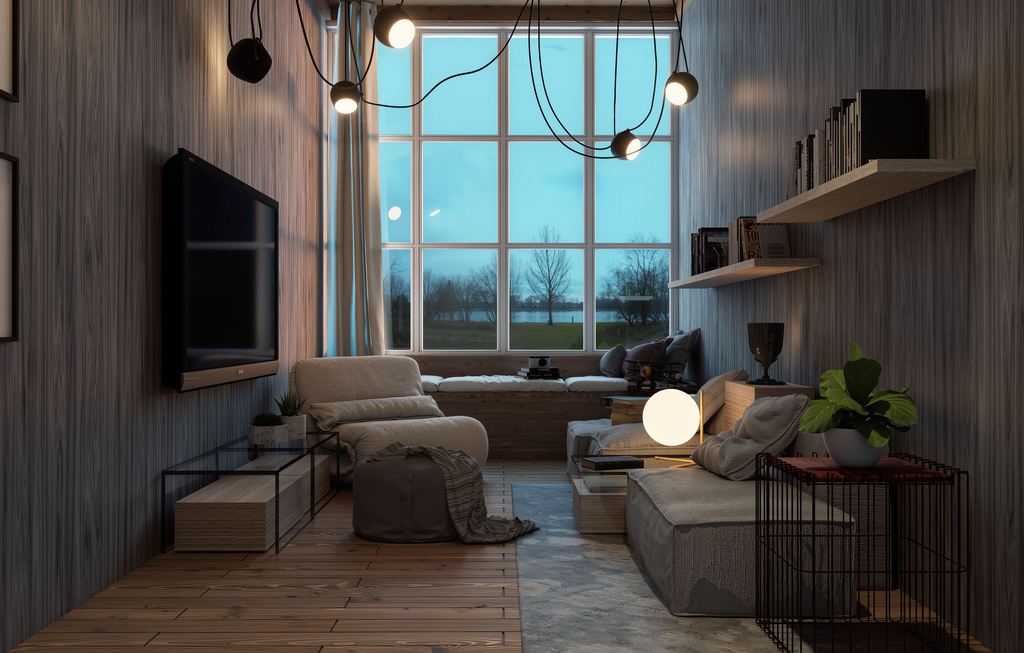
Introduction
A room can feel dark even when it has a window and light-colored walls. The usual problem is not one missing lamp or one “wrong” paint color. It is a combination of blocked daylight, unlit corners, bulky furniture, and surfaces that absorb light. This guide explains how to brighten a dark room by identifying the cause first, then making the changes with the greatest visual payoff. You can start with layout and lighting, keep the pieces you love, and avoid turning the room into a cold, all-white space.
Table of Contents
What Is Making Your Room Feel Dark?
The most useful answer to how to brighten a dark room is to fix the source before buying more decor. Check the room at noon with the coverings open and again after sunset. If it is bright only near the window, you need better light distribution. If it feels heavy even in daylight, dark surfaces, bulky furniture, or clutter may be absorbing or blocking the available light.
| What you notice | Likely cause | Start here |
| The room is dim at noon | Small window, blocked glass, or tall furniture near the window | Clear the window zone and move the tallest piece first |
| The center is bright but corners disappear at night | One overhead fixture does all the work | Add light at two different edges of the room |
| Pale walls still feel dull | Dark floor, rug, sofa, or media wall dominates | Add one large lighter surface at floor or furniture level |
| The room feels crowded as well as dark | Cords, objects, and small furniture cover open surfaces | Remove visual clutter and contain everyday items |
| There is little daylight at any hour | North-facing, interior, basement, or windowless room | Build layered lighting before changing color |
A dark sofa can be an anchor. A sofa, rug, TV wall, and curtain that read as one dark band make a room feel closed in.
How Can You Make the Most of the Light You Already Have?
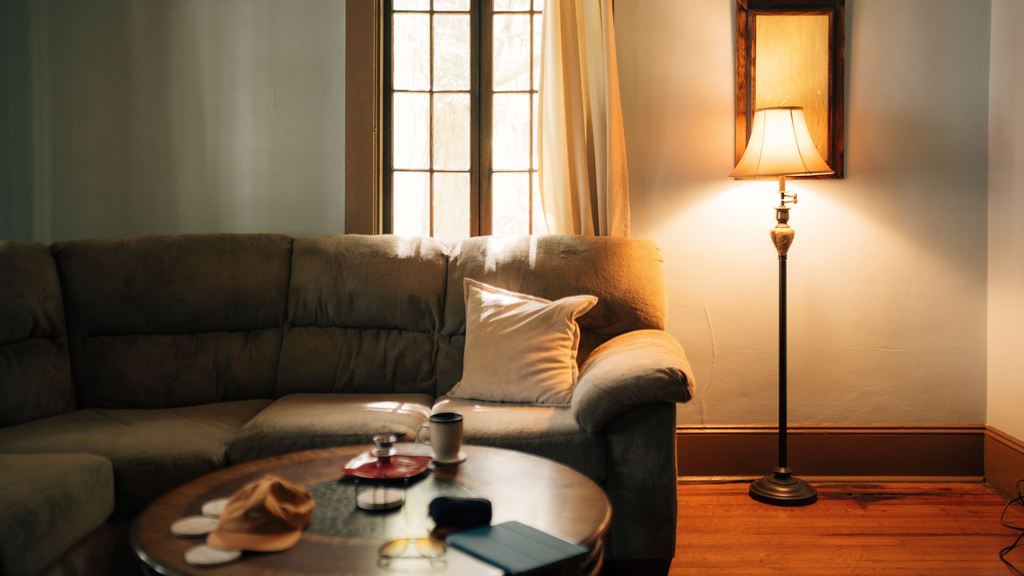
Before adding lamps or replacing furniture, protect the daylight that is already available. Window treatments, furniture height, and mirror placement can spread that light or stop it at the glass. Keep the window usable, move light beyond its immediate area, and preserve privacy without visually dense materials.
Keep the Window Wall Clear
Remove plants, boxes, tall shelves, and decor from the brightest part of the window. If a sofa or console must sit there, keep it low enough that the room still receives usable light and the window can open when needed. These checks matter when deciding how to place furniture in front of a window without creating a blocked-off corner.
Choose window coverings that pull fully past the glass. A sheer panel can soften a direct view while preserving daylight, and lined drapes can still be useful at night when they stack away from the window during the day.
Put Mirrors Where They Reflect Something Useful
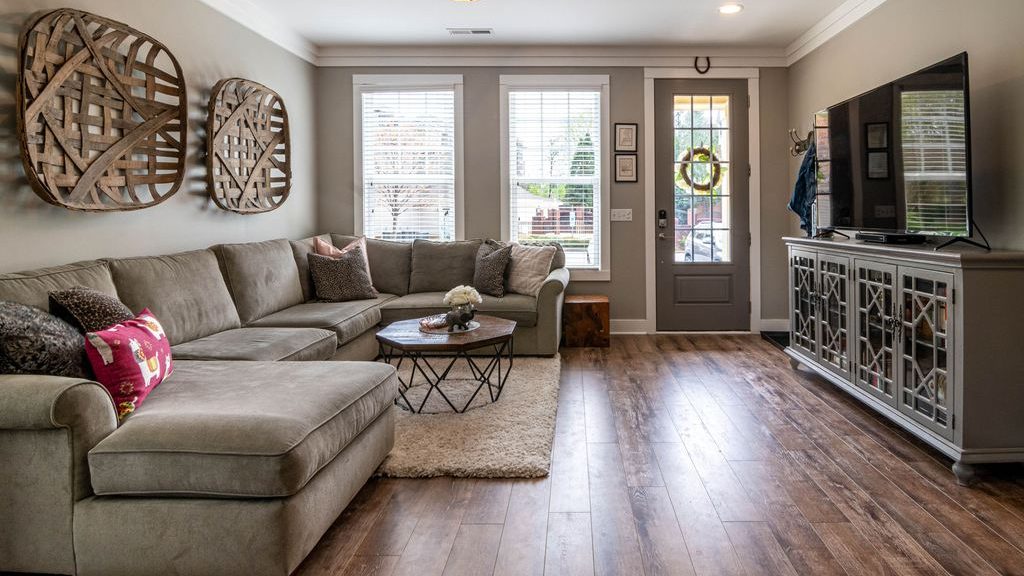
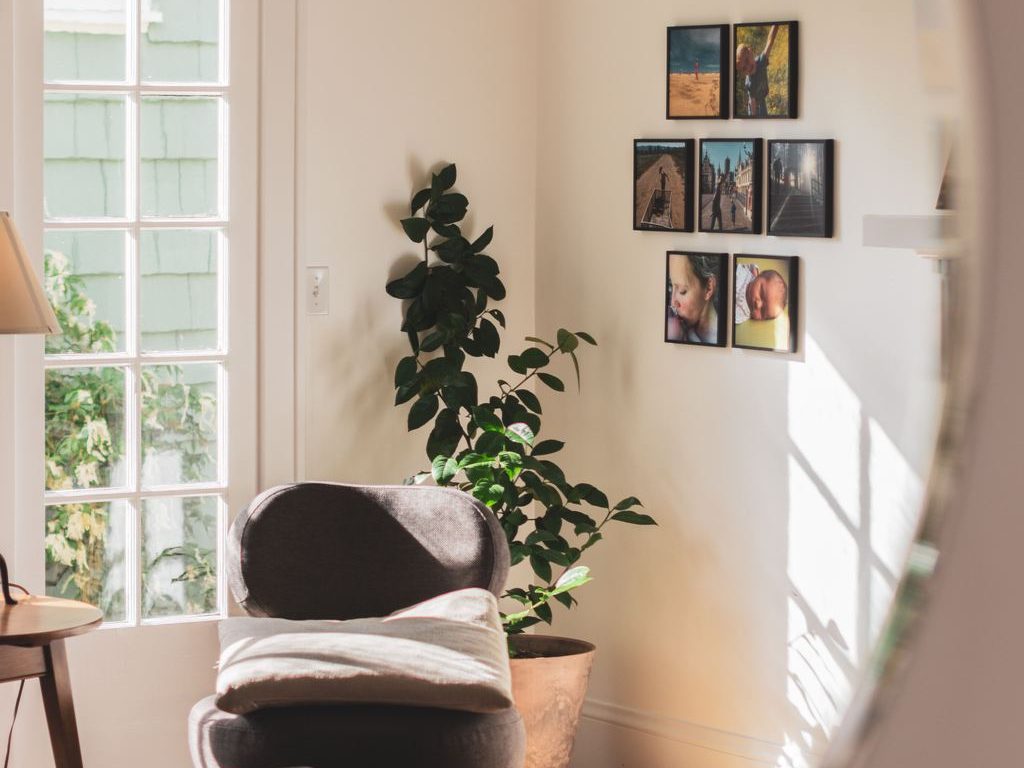
A mirror helps only when it reflects a real light source: a window, lamp, or lighter opposite wall. Place one across from or slightly beside a window, rather than directly facing a dark wall. The angle matters more than the size.
Do not use a mirror as filler above every console. If it reflects a television, crowded counter, or unlit hallway, it can double the visual noise.
Give Daytime Tasks the Brighter Spot
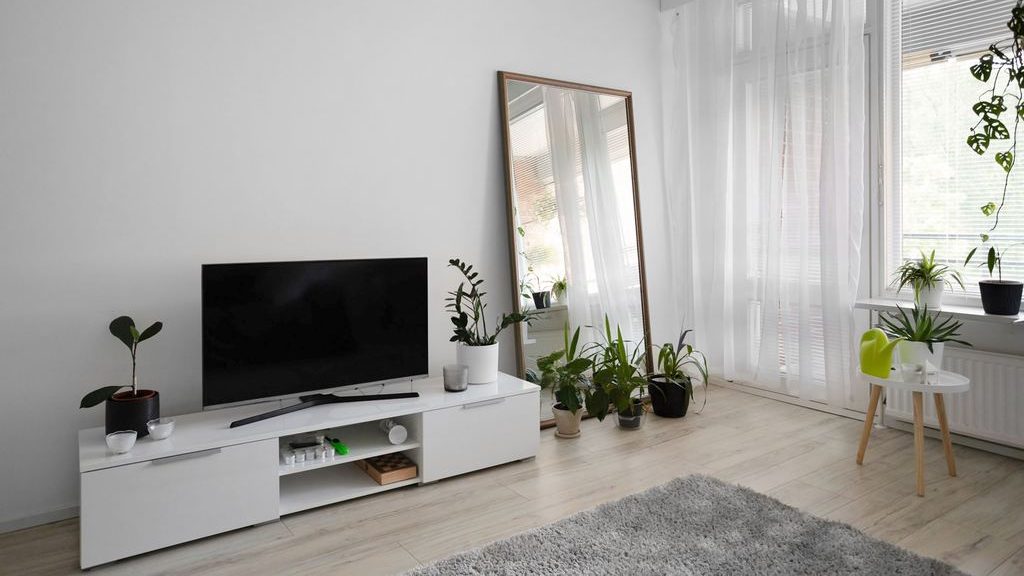
Use the best natural light for activities that need it. Put a reading chair, small desk, or breakfast table near the window if that is where you read, work, or help with homework. Keep bulky lounge seating farther back when possible.
How Should You Light a Dark Room After Sunset?
A brighter room at night comes from layers, not one stronger ceiling bulb. Each light should solve a different problem: seeing the room, doing a task, or softening a corner that disappears after sunset. This approach also keeps the room comfortable for conversation, TV time, and reading, rather than making it feel like a work zone.
Use Three Types of Light
Think in three layers:
- Ambient light gives general visibility through a ceiling fixture, wall light, or indirect source.
- Task light supports an activity, such as a floor lamp by a chair or a table lamp near a desk.
- Accent light lifts a wall, shelf, or quiet corner so the outer edges do not disappear.
A dark room does not need every lamp to be bright. Start with one source near the seating area and one toward the far side of the room.
Light the Edges, Not Only the Center
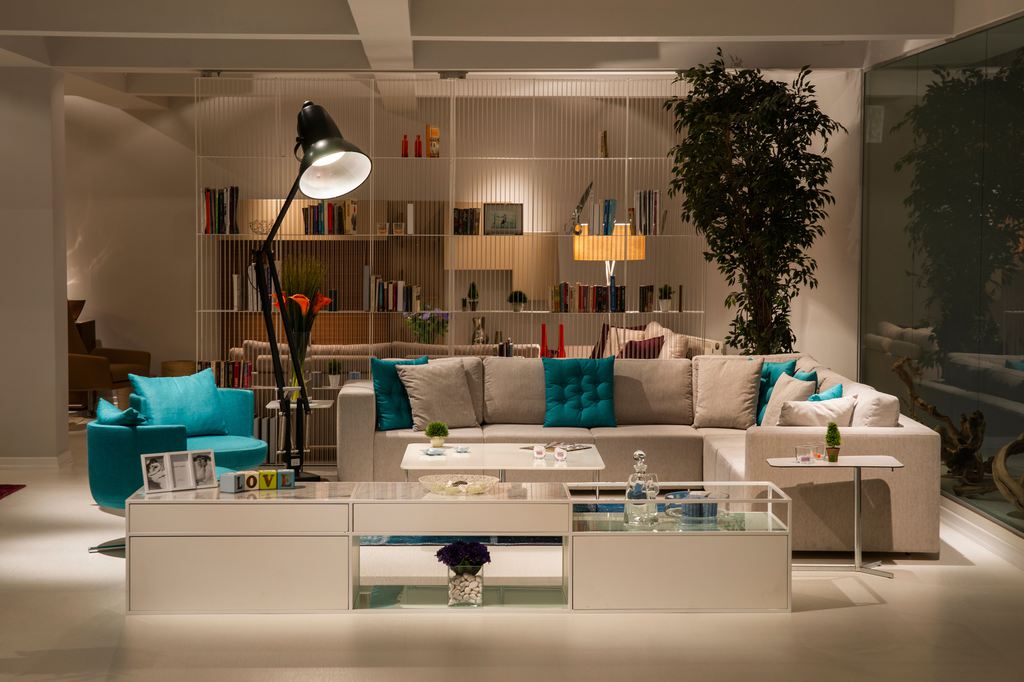
Place a lamp where the room feels weakest, not simply where there is an empty table. A floor lamp beside a sofa can lift a dim seating zone; a table lamp on a sideboard can keep the far wall from becoming a blank shadow. Well-planned living room lighting ideas also keep bright bulbs out of a direct line with the television.
Use light aimed at a wall, ceiling, or textured surface when possible. Reflected light feels softer than a bare bulb pointed at the middle of the room.
Keep “Bright” From Feeling Cold
Choose a light quality that fits the room’s job. A living room or bedroom can feel brighter with warm, layered light even when it is not lit as intensely as a kitchen. Use a dimmer or lower-output lamp for movie time, then add focused light where someone reads or works.
Which Furniture Changes Make a Dark Room Feel Lighter?
Furniture controls what you see at eye level and across the floor. You do not need to replace every dark piece. The key question is whether several large, low-reflection surfaces join into one visual block. Reduce that block with contrast, open space, and contained storage, and the room begins to feel clearer even before you change the walls.
Keep One Dark Anchor Instead of Building a Dark Block
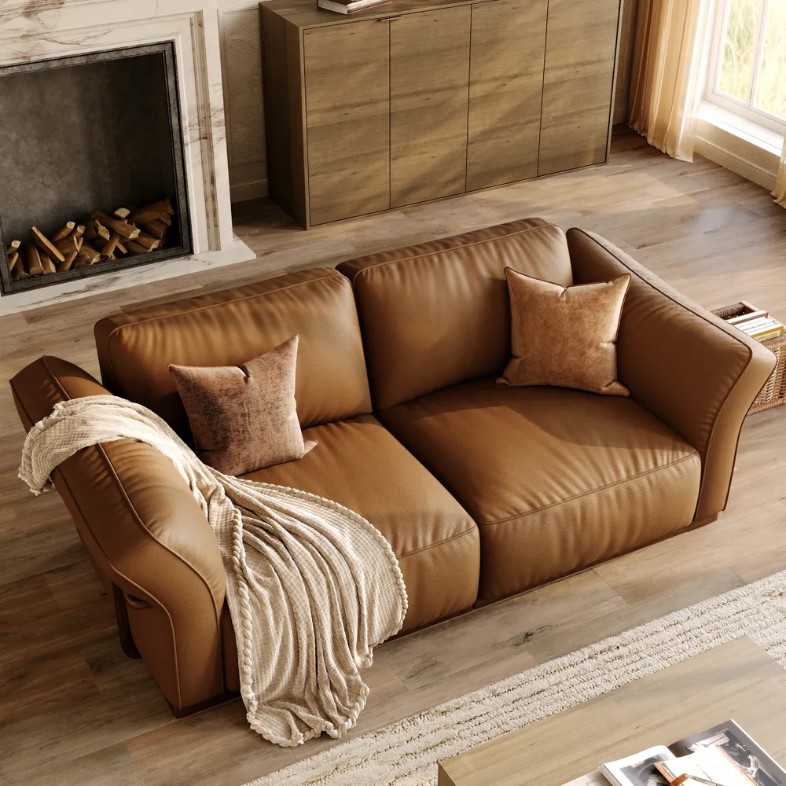
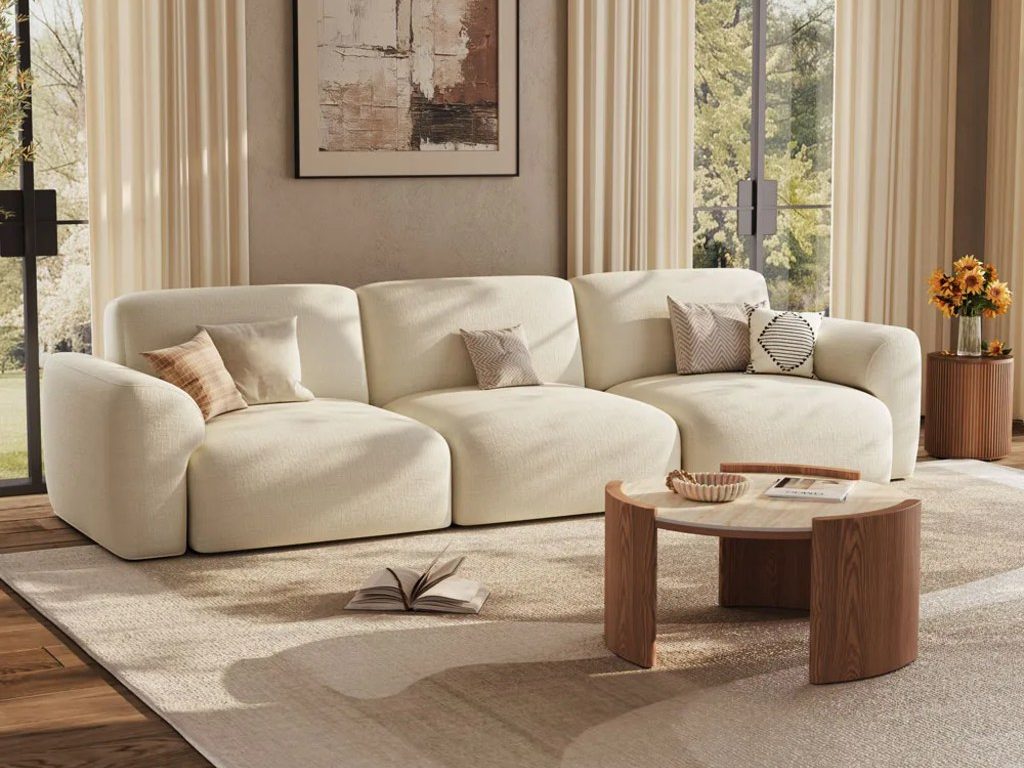
A dark sofa, leather chair, or walnut table can add depth. Do not repeat the same weight around it. Pair a dark sofa with a lighter rug or curtains; pair a dark floor with cream upholstery, a lighter coffee table, or a pale wall surface. The room feels heavy when its largest pieces sit at similar heights and share the same dark finish.
This is especially helpful when deciding how to brighten up a dark living room without replacing the main sofa. Use one larger light layer—such as a rug, drapery, or low media console—rather than several small white accessories.
Choose Pieces That Leave More of the Room Visible
Low profiles, raised legs, slimmer arms, and modestly scaled tables leave more floor and wall visible. This prevents furniture from creating a continuous dark mass. Use closed storage for chargers, controllers, and paperwork, then keep the top surface mostly clear.
In rooms with dark flooring, light colored wood furniture can create a warmer transition between the floor and wall without the hard contrast of pure white.
Soften a Heavy TV Wall
A television is often the largest black rectangle in the room, and a dark media unit can make it heavier. Keep cables, remotes, and game consoles behind doors whenever possible, then introduce a soft light source at the side or below the screen rather than putting a bright lamp directly opposite it.
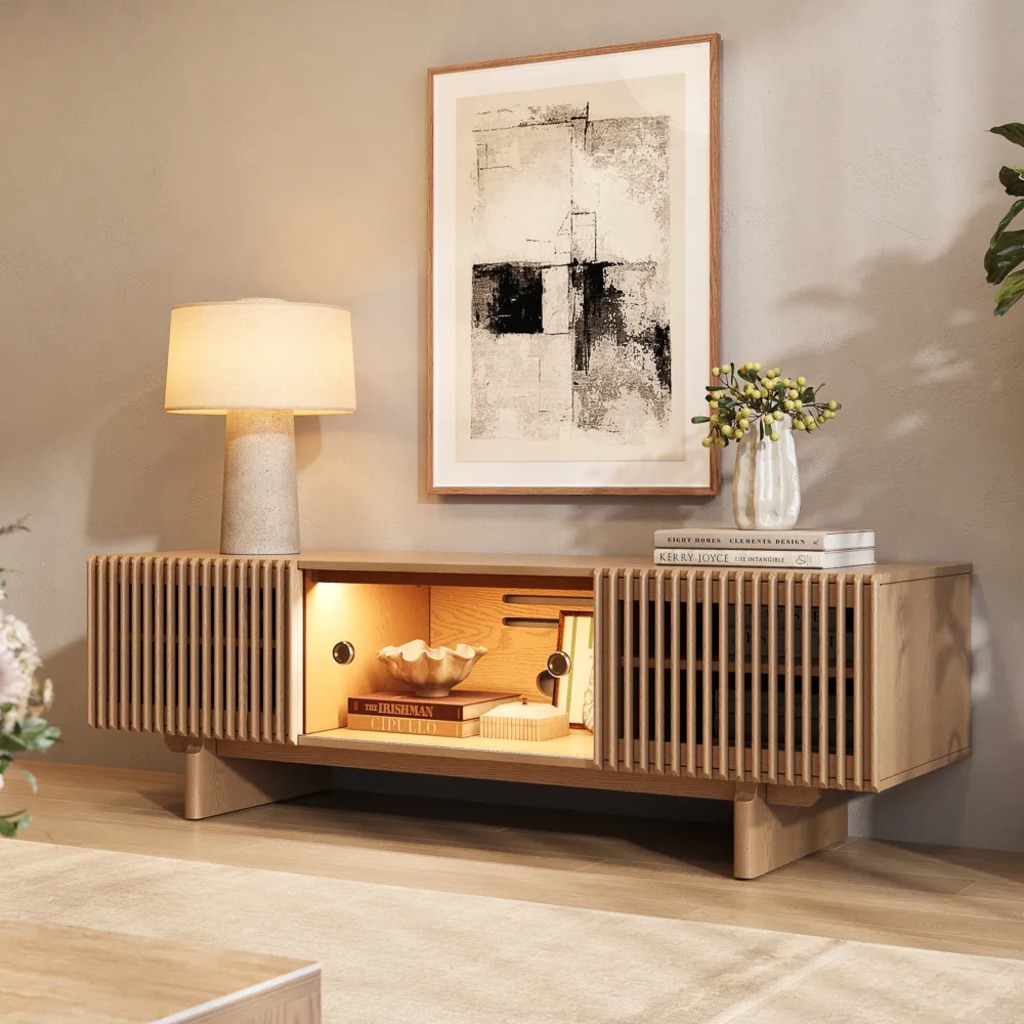
For a larger TV wall, the Arboren-22“ Deep Slatted Media Console with Large Storage brings in a warmer natural wood finish without making the setup feel visually heavy. Its enclosed storage and built-in cable holes help keep devices and cords out of sight, so the room feels calmer and more open.
What Should You Change First in a Dark Room?
When you are working out how to brighten up a dark room, change things in a budget-conscious order. Start with anything that blocks light or adds clutter. Next, improve the lighting layout. Only then decide whether you need to replace a rug, repaint, or buy a large furniture piece.
- Open the window zone. Clear the sill, pull coverings aside, and move tall furniture away from the glass.
- Fix the darkest edge. Add a lamp near the seating area, hallway side, or far corner—not only beneath the ceiling fixture.
- Create one lighter large surface. A rug, curtain, upholstery piece, or media console usually does more than small accessories.
- Contain daily clutter. Cables, remotes, and stacked items create shadowy visual noise, especially around a TV wall.
- Reassess when you use the room. A living room that looks fine at noon may need a different plan for 8 p.m.
Conclusion
How to brighten a dark room is less about removing every dark finish and more about deciding what is blocking, absorbing, or failing to distribute light. Let the window wall work first, add layered light where the room drops into shadow, and keep large furniture from forming one solid visual block. A lighter rug, better lamp position, or calmer TV-wall storage can change how the room feels in daily use. Make the smallest useful changes first, then choose larger updates only where they solve a real problem.
Q&A
What rug size makes a dark living room feel more open?
Choose a rug that extends about 6–12 inches beyond both ends of the sofa and is deep enough for the sofa’s front legs to rest on it. Measure the entire seating zone before ordering. A rug that is too small can make the furniture look disconnected, even in an otherwise well-proportioned room.
Is matte or satin paint better for a dark room?
Satin or eggshell paint usually reflects more available light than flat matte paint, making it a practical choice for smooth walls in a dim room. Matte paint can still work well on walls with visible texture or flaws. Choose the finish based on wall condition, cleaning needs, and how much sheen you want.
What sofa fabric is easiest to maintain in a light color?
For a light sofa used every day, look for performance upholstery with a tighter weave and a mid-light tone such as oatmeal, warm beige, or taupe. Request a fabric sample when possible, since the same color can look cooler or warmer under your room’s evening lighting. Removable or reversible cushions can also simplify routine care.
Can peel-and-stick wallpaper help brighten a rental room?
Yes, when it has a pale background and an open, low-contrast pattern. Use it on one visible wall instead of wrapping every surface, especially in a small room. Avoid dark glossy prints or dense small-scale patterns, which can make limited daylight feel more fragmented rather than more open.
Should I use white mats for wall art in a dark room?
White or warm-ivory mats can help separate darker artwork from the wall and keep framed pieces from feeling visually heavy. They work especially well with black-and-white photography, darker prints, or walnut furniture. Skip extra-wide mats in a compact room, where they can make smaller artwork feel undersized.


[…] high-backed pieces across the same sightline. If the window area itself is the problem, addressing how to brighten a dark room can help you separate a daylight problem from a furniture-layout […]