 By Kate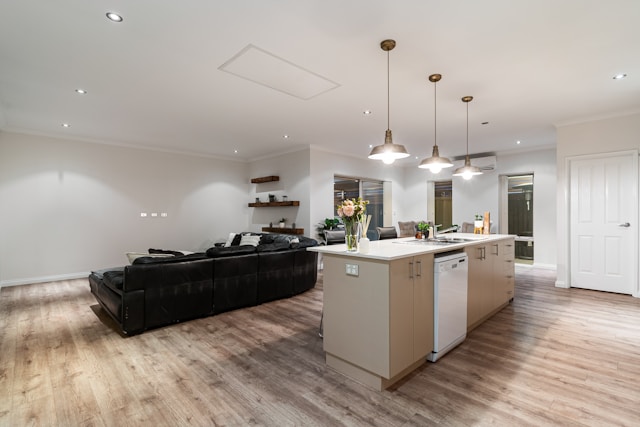
Open floor plans are loved for their natural light, easy entertaining, and flexible daily use. But without walls, the same space can quickly feel empty, noisy, cluttered, or hard to arrange. If you’re wondering how to decorate an open floor plan, the secret is to create definition without losing flow. Think in zones, not rooms. A strong layout uses furniture placement, rugs, lighting, color, and storage to guide the eye while keeping the space open, calm, and easy to live in.
Table of Contents
Why Is an Open Floor Plan So Hard to Decorate?
An open space has to work as one large room and several smaller zones at the same time. A strong house interior layout should connect the living room, dining area, kitchen, entry, and work corner instead of making them feel like unrelated spaces.
Focus on Soft Separation
The main challenge is that everything stays visible: clutter, blocked walkways, noise, and unfinished corners. Instead of using heavy dividers, create soft separation with rugs, lighting, furniture placement, open storage, and repeated colors. This gives each area a clear purpose while keeping the room bright, open, and easy to move through.
Step 1: Build Functional Zones and Boundaries First
Before you buy a sofa, rug, or dining table, decide how each part of the open space should work. A designer-looking room usually starts with clear activity zones, then uses simple visual anchors to make those zones easy to recognize without adding walls.
Map Your Daily Activities First
List what your space needs to support in real life:
- Watching TV
- Dining
- Entertaining
- Reading
- Working from home
- Kids’ play
- Entryway storage
Learning how to decorate an open floor plan starts with these daily habits. For example, if your dining table is also used for homework or remote work, that zone may need a nearby cabinet, better task lighting, and enough chair clearance—not just a beautiful table.
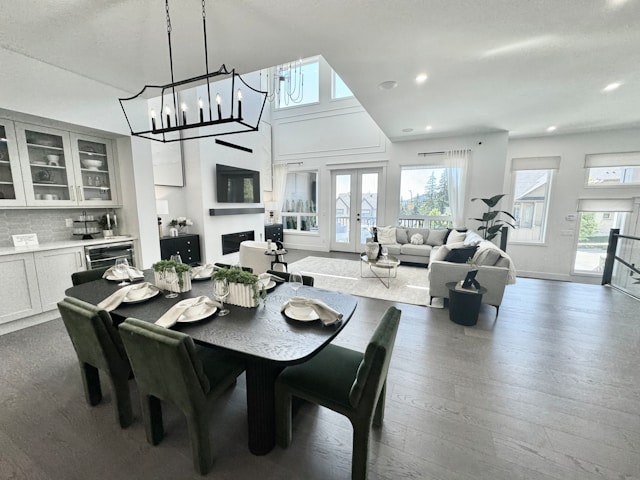
Give Each Zone One Visual Anchor
Once each activity is clear, give every zone one main anchor. The anchor tells the eye what that area is for and keeps the layout from feeling scattered.
- Living zone: sofa or large rug
- Dining zone: table or pendant light
- Kitchen zone: island stools or runner rug
- Entry zone: bench or console table
- Reading zone: chair and floor lamp
This approach also helps your house interior layout feel more intentional, because each area has a clear role before style details are added.
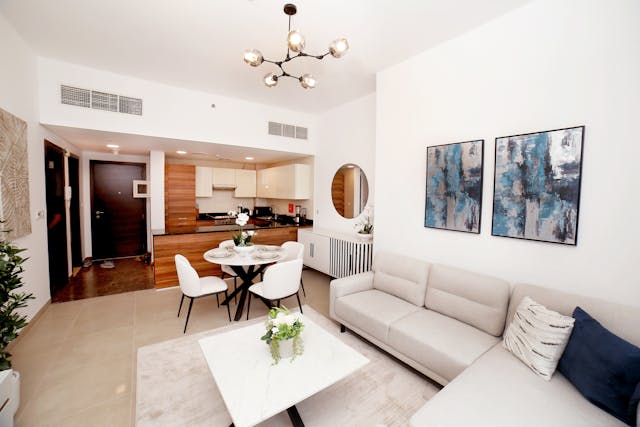
Use Rugs, Lighting, and Storage to Define Boundaries
After the anchors are set, use soft visual signals to make each zone feel defined. The goal is not to divide the room with heavy screens or tall partitions. Instead, use pieces that guide the eye while keeping the space open and easy to move through.
| Design Tool | Best Use | Why It Works |
| Large rug | Living or dining zone | Creates a visual boundary |
| Pendant light | Dining or island area | Marks the center of activity |
| Runner rug | Kitchen walkway | Adds softness and direction |
| Floor lamp | Reading corner | Creates a smaller mood zone |
| Open storage | Entry, office, or living edge | Adds function without closing the room |
Many designer-loved open floor plan decorating ideas use rugs, lighting, and open storage instead of solid dividers. Low cabinets, sideboards, console tables, open bookcases, and shelving units can separate areas while still feeling airy.
Choose open or low-profile storage so the piece adds structure, display space, and daily function without blocking light.
Step 2: Arrange Furniture Around Conversation and Walkways
Once the zones are clear, furniture decides how the space feels in daily life. The best layout should make conversation easy, keep walkways open, and help each area hold its shape. Choose fewer pieces that work harder instead of filling every empty spot.
Float and Group Furniture for Conversation
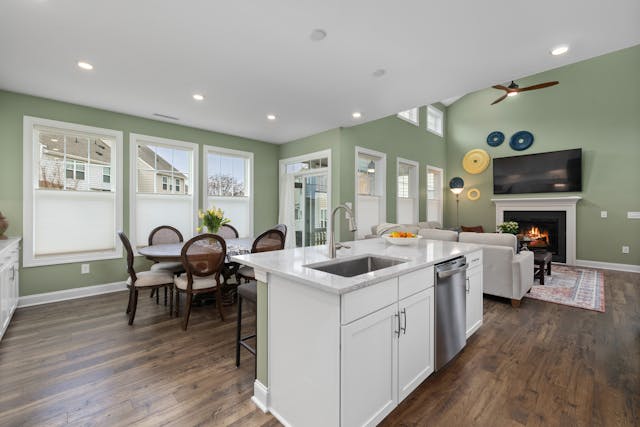
Do not push every piece against the wall. In open rooms, floating furniture can create warmer seating areas and clearer boundaries. Keep sofas, chairs, and coffee tables close enough for easy talking. A large room may support two seating groups, while a small room usually works better with one strong group. Designers often recommend you to move furniture away from the walls to make open spaces feel warmer and more usable.
Choose Pieces That Support Scale and Movement
In an open-plan living and dining room, furniture shape affects how people move through the space. A sectional can anchor a large living area, a round dining table can soften tight paths, and swivel chairs can connect the kitchen and living room. In a flexible open space, it also helps to choose furniture that can serve more than one purpose, so the room does not need too many separate pieces.
For a living area that shifts between lounging, movie nights, and guest stays, the Aurora-Power Sofa Bed supports reclining, relaxing, and sleeping without adding another chair or bed. Its cream tone keeps the seating zone light, while the extendable design helps the room move from everyday use to guest-ready comfort.
Keep the Center Practical
The center of the seating area should help the room feel gathered, not crowded. A coffee table can pull the sofa and chairs into one clear conversation zone, but in an open floor plan, small clutter is visible from the kitchen, dining table, and entry.
That is why a coffee table with storage matters in the center of the room. A Lift-top Modern Nesting Coffee Table helps tuck away remotes, chargers, and small daily items while keeping the living zone flexible. Leave 16–18 inches between the sofa and coffee table, and keep main walkways at least 36 inches wide.
Step 3: Unify the Space with Color, Materials, and Texture
After the layout works, the room still needs visual unity. This is where color, materials, and texture matter most. The goal is not to make everything match. It is to repeat enough details so the kitchen, dining area, and living zone feel connected.
Create a Color Thread
Use one simple palette across the full space. A helpful rule is:
- 60%: base neutral
- 30%: wood tone or secondary color
- 10%: accent color
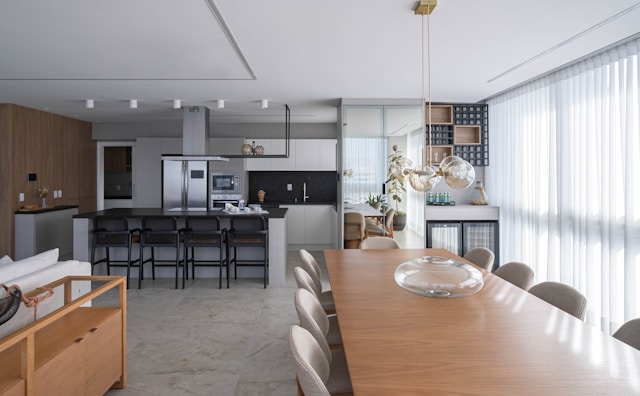
If your kitchen island is navy, repeat navy in pillows, art, or a rug pattern. This small repetition helps the eye move naturally from one zone to the next.
Repeat Materials at Least Twice
Repeat wood, brass, black metal, linen, leather, rattan, or stone in more than one zone. A walnut coffee table can connect to dining chairs. Black pendants can echo black picture frames.
This makes the home feel curated, not random.
Repeat Soft Textures Across Zones
Soft layers can also make an open floor plan feel more connected. Repeat similar textures across different areas, such as a wool rug in the living zone, linen curtains near the dining area, and fabric pillows on accent chairs.
Open rooms can feel noisy, so these layers do more than decorate. In a family room with hard flooring and high ceilings, full-length curtains and a thicker rug can make the space feel quieter before any new furniture is added.
Conclusion
A great open floor plan feels defined, not divided. The goal is to give every area a purpose while keeping the room bright, connected, and easy to move through. Start with zones, anchor them with rugs and furniture, repeat colors and materials, layer lighting, and protect walkways. Before buying large pieces, test the layout with tape and existing furniture. That is the safest way to learn how to decorate an open floor plan for real daily life, not just for photos.
Q&A
Can different flooring work in an open floor plan?
Yes, but the transition should feel intentional. Use similar undertones, repeat colors nearby, or add a rug that connects both surfaces. If the flooring change is sharp, keep the wall color and furniture palette simple so the room still feels unified.
How do I place a TV in an open floor plan?
Place the TV where it supports the main seating zone without dominating the whole room. Avoid glare from windows and keep the screen visible from the sofa, not every seat. A media console or low cabinet can also help define the living area.
How do you keep an open floor plan organized every day?
Open spaces need simple daily systems because clutter is visible from every angle. Use trays for remotes, baskets for kids’ items, closed storage for paperwork, and one small drop zone near the entry. The goal is to give everyday objects a home before they spread across the whole room.
Should the kitchen, dining, and living areas use the same color palette?
They should feel connected, but they do not need to match exactly. Use one main color palette, then repeat accent colors or materials across zones. For example, a wood tone in the dining chairs can reappear in the coffee table or shelving.
What size rug works best in an open floor plan?
Choose rugs large enough to hold each zone together. In the living area, at least the front legs of the sofa and chairs should sit on the rug. In the dining area, chairs should stay on the rug even when pulled out.


